 Search


- The power supply capacity determines the landing pace of Indonesia's 10 million ton aluminum production capacity
- Chinese aluminum companies build factories overseas to help alleviate the pressure of mineral resource consumption in China
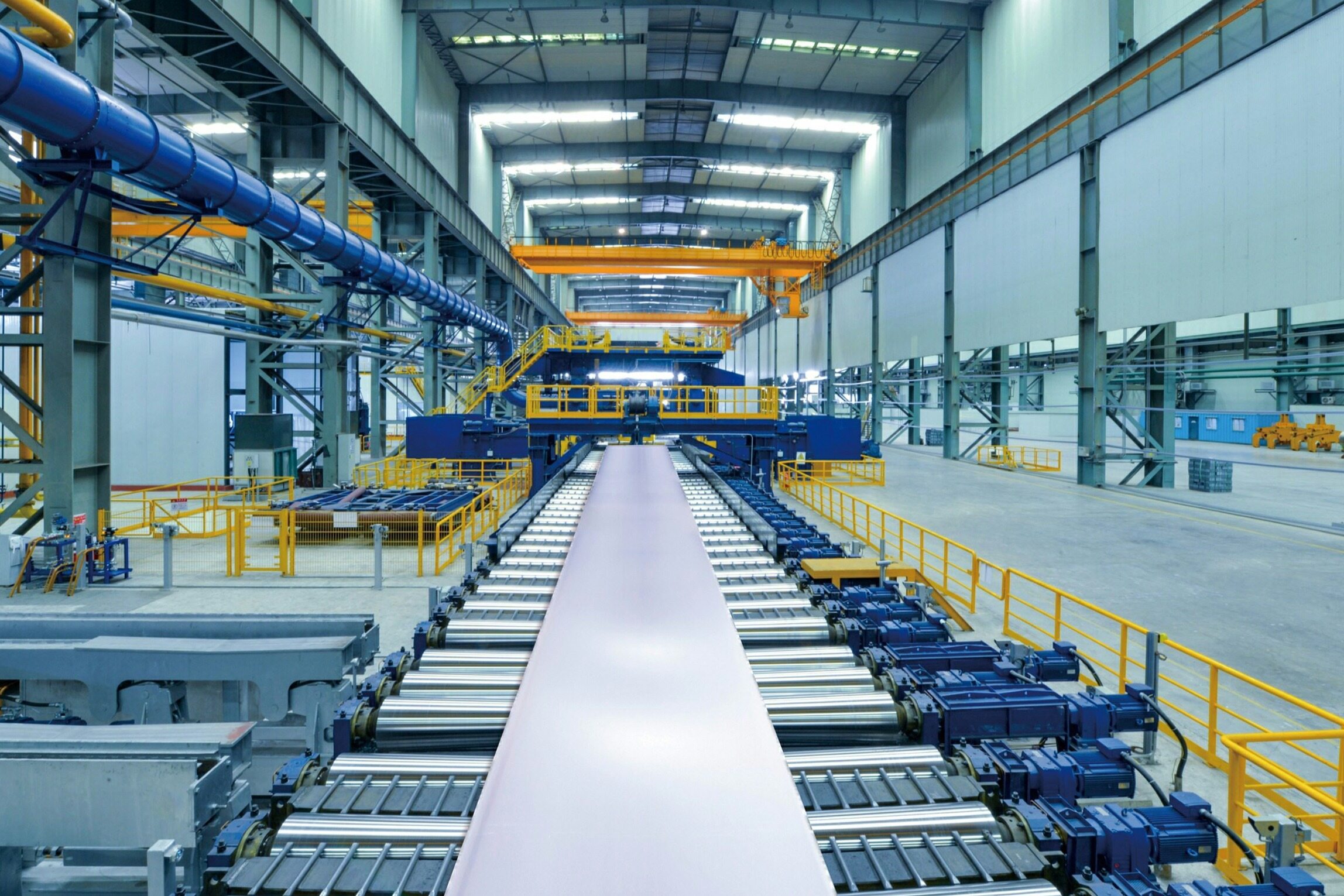
The wind in the South China Sea has stirred up the coastline of East Java, Indonesia, and a private enterprise in Chongqing is quietly moving the mature aluminum industry map in China southward. When domestic production capacity reaches its ceiling, relying on overseas mineral veins and power advantages, a modern aluminum plant rises on the edge of the tropical rainforest, outlining a new outline of China Aluminum's global layout.
Bosai lands Indonesia aluminum project
The 600000 ton electrolytic aluminum project of Chongqing Bosai Group has started construction in Yanwang County, East Java, Indonesia, with a total investment of 6.79 billion yuan. It will be put into operation in April 2027, with an annual output value of about 10.19 billion yuan and providing 2000 job opportunities. It is Bosai's first large-scale electrolytic aluminum project in Indonesia. Indonesia plans to have a total electrolytic aluminum production capacity of over 13 million tons, with Chinese investment accounting for 84%. This project further expands the overseas aluminum production capacity of Chinese investment.
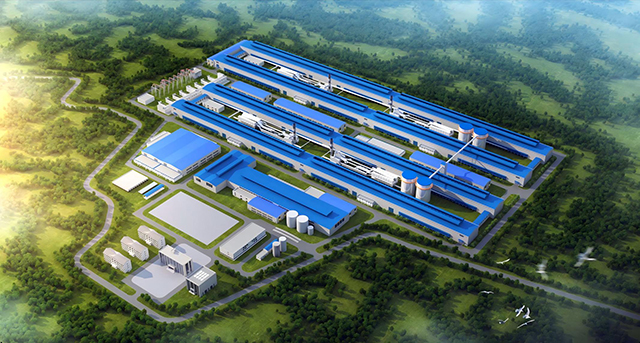
Bosai's core advantages in going global
Bosai has been deeply involved in the aluminum manganese industry for decades, and the project is operated by its subsidiary Surabaya Aluminum Industry in Indonesia. The upper limit of domestic electrolytic aluminum production capacity is 45 million tons, and expansion is limited; Indonesia has abundant bauxite resources and lower electricity prices, resulting in an 18% lower production cost per ton of aluminum compared to China. By combining Guyana's own bauxite mines, the company can establish a complete industrial chain. The total investment is 6.79 billion yuan, with an annual output of 600000 tons. Construction will begin in May 2026 and begin in April 2027, with an annual output value of 10.19 billion yuan and 2000 job positions
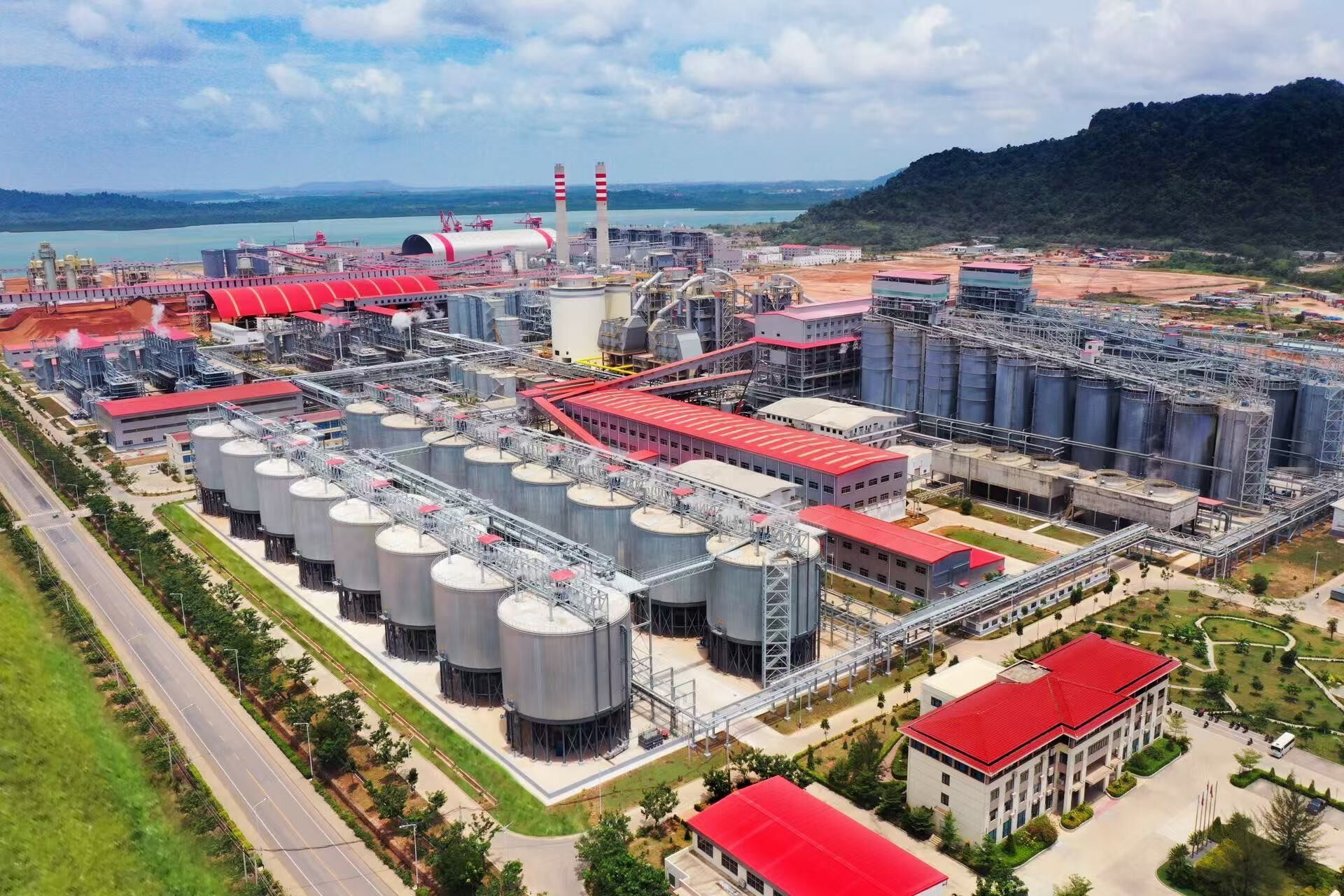
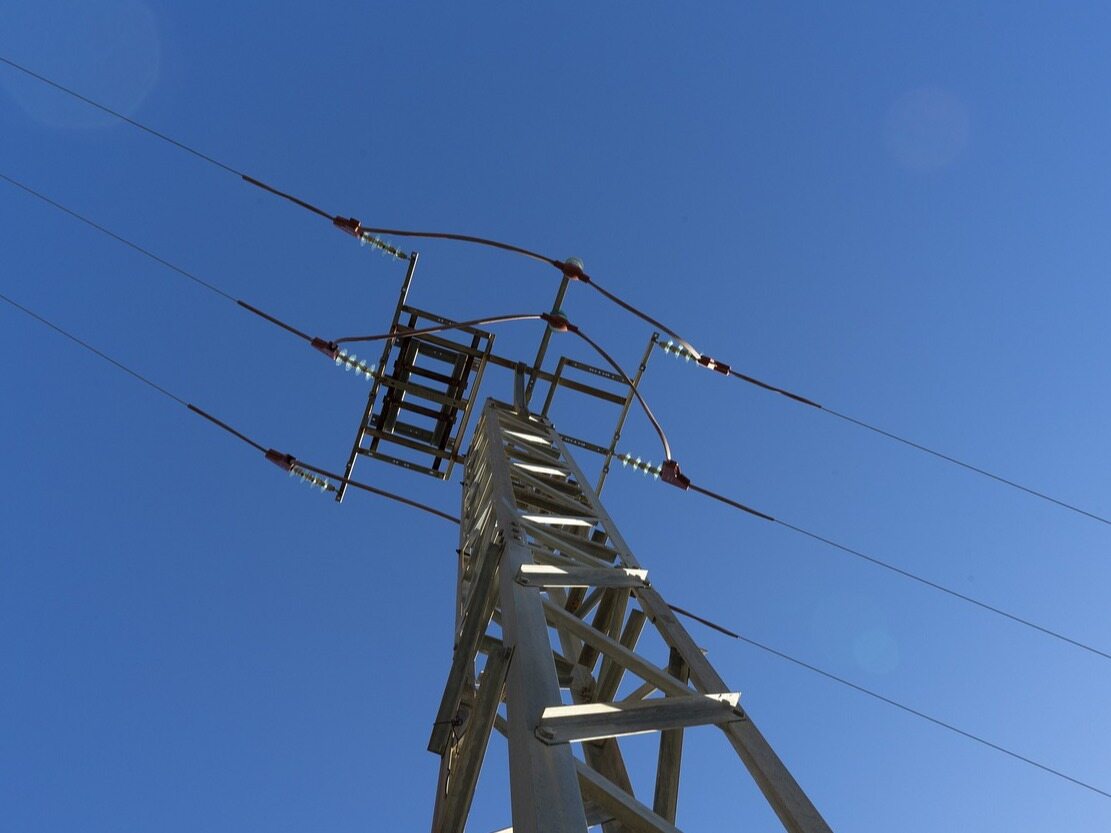
Indonesia's national power provides a 1260MVA ultra-high voltage dedicated line for the project, and Bosai has become the first local industrial user to receive 500 kV direct power supply. The project can reduce domestic consumption of 2.4 million tons of bauxite annually and alleviate domestic resource pressure. There are currently 7 Chinese funded electrolytic aluminum projects in Indonesia, with a planned total production capacity of over 10.3 million tons. All top Chinese aluminum companies have joined the project, which is a large-scale industrial transfer. There are currently three aluminum plants in production in the local area, with a large scale of new projects. Oriental Hope and Nanshan will simultaneously provide supporting facilities for alumina and oil refining, building an internal industrial closed loop. The tightening of domestic production capacity and the overseas planning of tens of millions of tons highlight the trend of industrial relocation.
Indonesia's aluminum market has vast growth potential
Indonesia's annual aluminum demand is 1.28 million tons, with a self-sufficiency rate of only 46%. The demand is expected to increase by 600% in the next 30 years, driven by electric vehicles, photovoltaics, and infrastructure. The export of aluminum ingots has surged 13 times in five years, and the local government has banned the export of raw ore, forcing enterprises to enter the deep processing industry. Keywords: Indonesian electrolytic aluminum, bauxite, capacity transfer
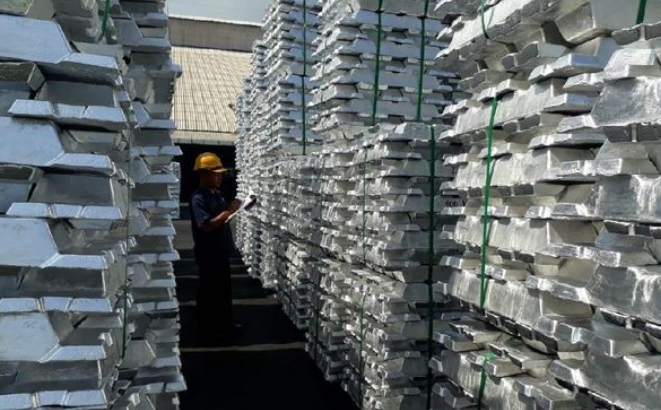
Electrolytic aluminum consumes high power and cannot be powered off. Indonesia plans to increase its aluminum production capacity tenfold compared to the existing capacity, and the simultaneous construction of multiple projects will significantly increase the load on the power grid. The local economy is dominated by coal-fired power plants, and the construction period of power plants is longer than that of aluminum plants. The power supply gap is the main obstacle. Bosai has locked in exclusive power supply in advance, highlighting its competitive advantage. Bosai's overseas factory construction is a microcosm of the overall southward migration of the domestic aluminum industry, with a planned production capacity of over 10 million tons by Chinese capital. Due to limited domestic production capacity and costs, Indonesia has multiple advantages in mineral resources, electricity prices, and markets, which promotes the industry's long-term overseas layout.Editor/Gong Ziwei
Comment

 Praise
 Collect
 Comment

 Share
Share


Write something~