 Search


- Saipem has won dual orders for traditional oil and gas and low-carbon, demonstrating its parallel strategy of new and old energy
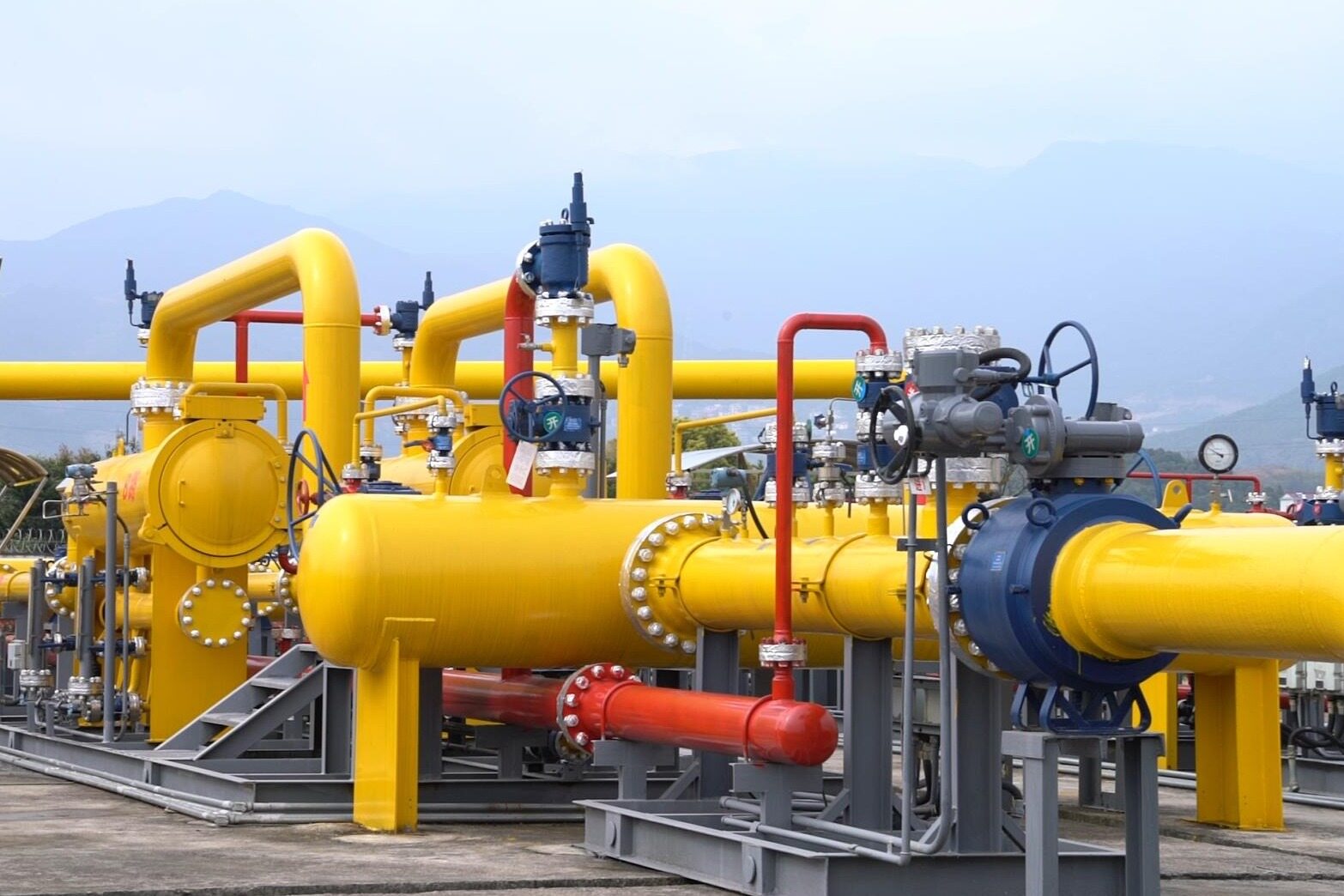
In the fax machine of Italian offshore giant Saipem, two bid winning notices were received from energy giant Eni - one pointing to the seabed of West Africa at a depth of 1300 meters in Cote d'Ivoire, and the other landing at a bio refinery by the Venice Canal in Italy. One deep-sea oil and gas, one low-carbon fuel, totaling 911 million US dollars. This traditional oil service company is crossing the current of global energy transformation with a posture of "stepping on the gas pedal and stepping on the electric switch".
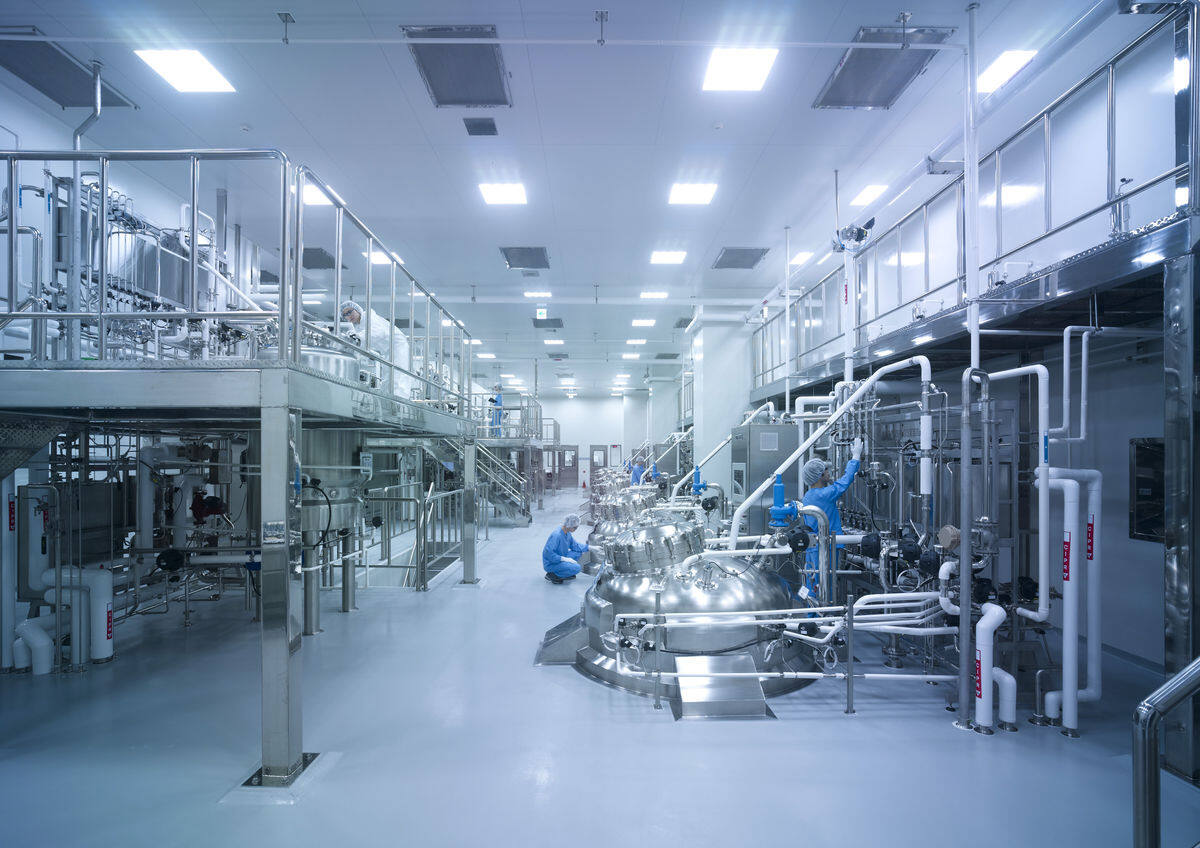
Hard bones below 1300 meters
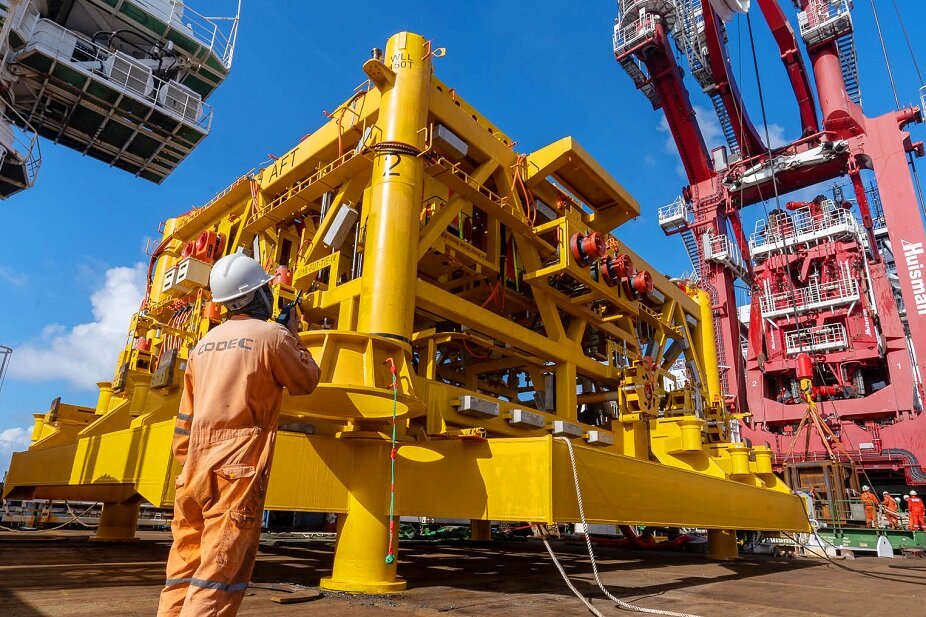
Eni Ivory Coast has awarded Saipem the Baleine oil and gas field Phase III development project, with an operating depth of 1300 meters, which is a typical ultra deep water project. The construction scope includes the design, prefabrication, transportation, and installation of approximately 50 kilometers of rigid subsea pipelines and underwater structures, the laying of flexible risers, cross-over pipes, and a complete underwater production system, as well as the construction of 3 kilometers of natural gas flexible export pipelines and 22 kilometers of subsea umbilical cables. The construction period is about 3 years, and Saipem will deploy two main engineering ships, FDS and Shen Da, for on-site operations. This project is one of the largest oil and gas development projects in Ivory Coast in recent years, and upon completion, it will significantly increase the offshore oil and gas production capacity in West Africa.
A new device for 70 tons of biological raw materials
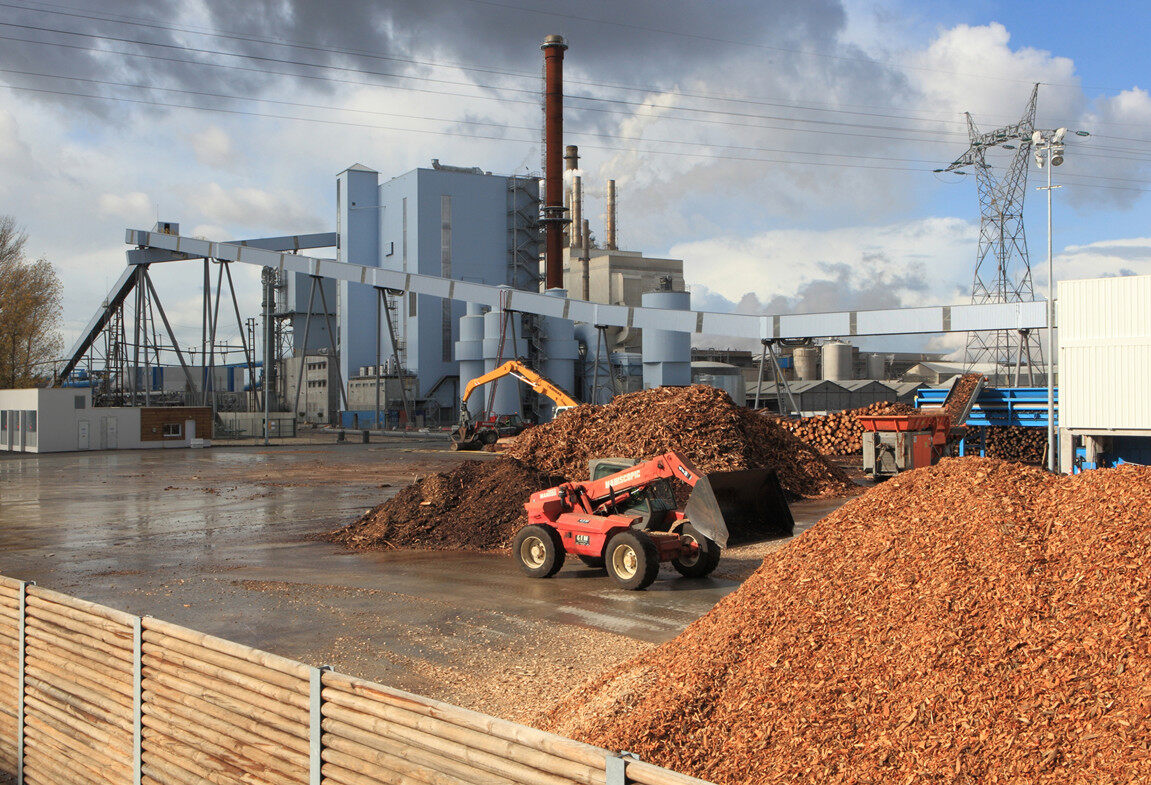
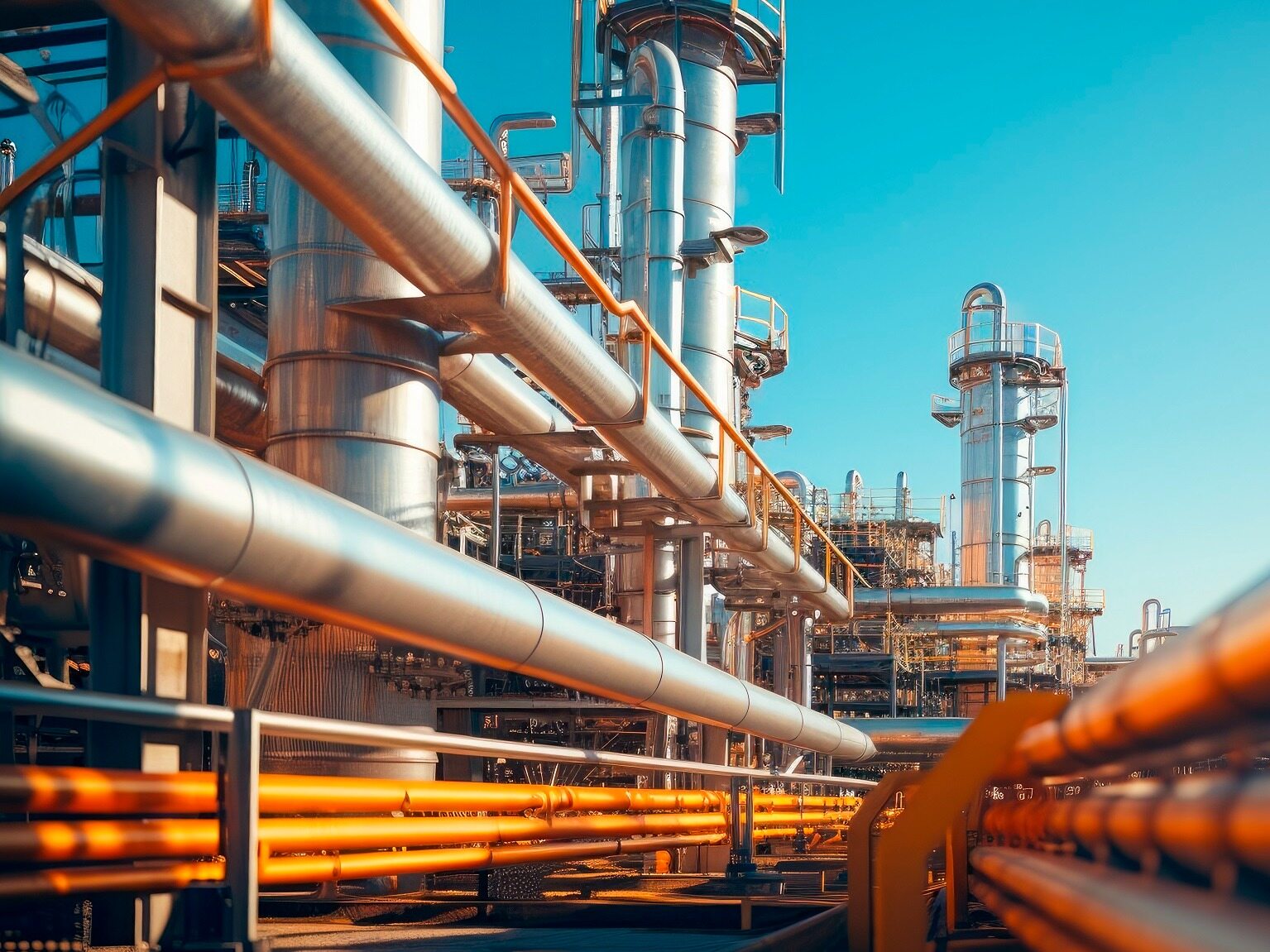
Enilive, a biofuel subsidiary of Eni, has awarded Saipem an EPC general contract to upgrade the Marco Polo Port bio refinery in Venice, Italy and build a new deoxygenation unit. The raw material processing capacity of this device is 70 tons/hour of bio based raw materials, and its core function is to significantly increase the production capacity of HVO hydrogenated vegetable oil biofuels. This is another deep collaborative expansion after the cooperation between the two parties on the bio aviation oil project in the factory area in June 2025. After the project is implemented, it will further strengthen Eni's production capacity advantage in the European biofuel market, covering low-carbon energy demand in multiple scenarios such as shipping, highways, and aviation. Keywords: Infrastructure news and information, low-carbon projects
Low carbon increment of oil and gas stabilizing plate
The two orders totaling $911 million clearly demonstrate Saipem's strategic layout of stabilizing the traditional deep-sea oil and gas market and focusing on the low-carbon incremental market of new energy. In the traditional energy sector, Saipem holds 5 major overseas construction bases, 17 engineering ships, and 12 drilling platforms. Recently, it has just completed the deployment of the Suli South Sea project, and with the addition of the Ivory Coast deep-sea order, its advantage in the overseas deepwater market continues to consolidate. In the new energy sector, the company continues to deepen its strategic cooperation with Eni, focusing on upgrading bio refineries and sustainable energy infrastructure to achieve industrial transformation and upgrading. The current global energy market presents a parallel feature of traditional oil and gas and green low-carbon dual tracks, and Saipem's dual track attack is a footnote to this trend.Editor/Gao Xue
Comment

 Praise
 Collect
 Comment

 Share
Share


Write something~