 Search


- The project will solve the water shortage dilemma in three cities
- New benchmark for cooperation between Chengdu, China, and Bolivia in infrastructure construction
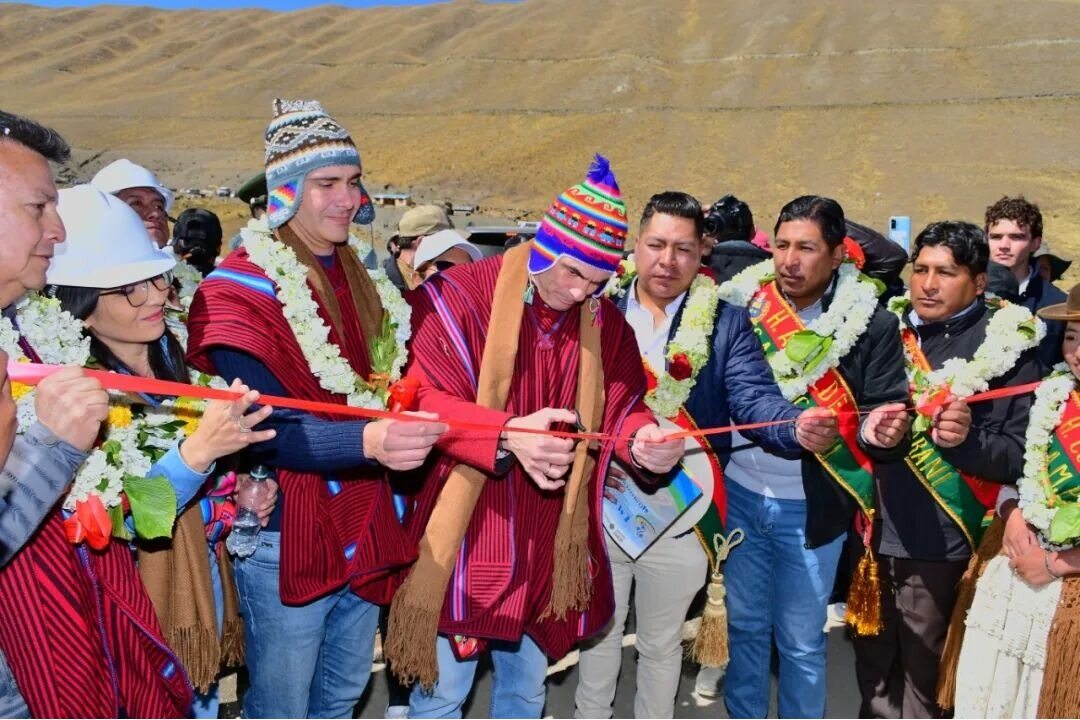
The early morning winds of the Andean highlands are very strong, and the villagers of Batallas City in La Paz Province are wrapped in thick cloaks, guarding the shoulder of the Ta'ibichka earth dam. When Bolivian President Rodrigo Paz held onto the ribbon cutting scissors, an elderly woman who had driven more than ten kilometers on a mountain road drew a cross on her chest - her plastic bucket contained half of her life's worth of muddy water. Now that the reservoir in front of the dam is filled with water, the water will flow into her stove through the pipeline.
High altitude dam construction
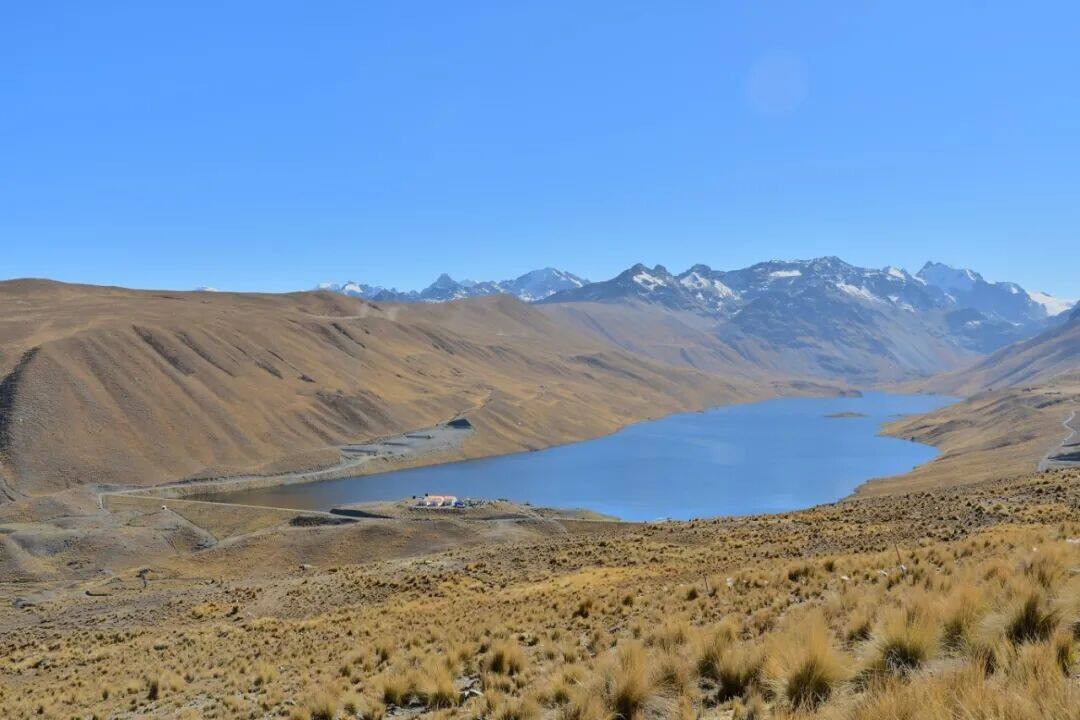
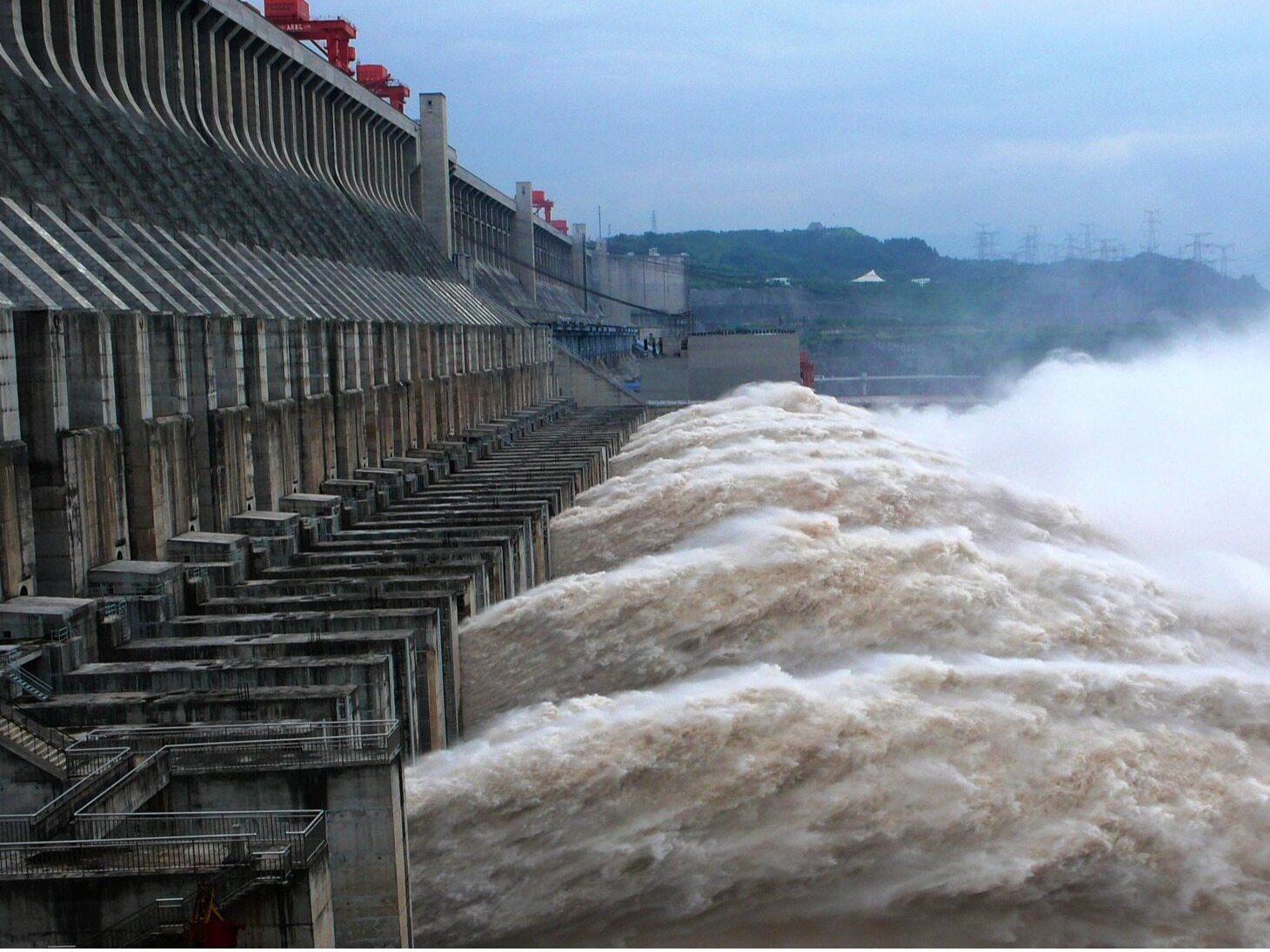
The Ta'ibichaka earth dam is located in a high-altitude area with abundant water at 4380 meters. The soil moisture content in the borrow area is high, and the backfill compaction degree is required to be above 98%. It will be filled to the design elevation of 4355 meters in November 2023 and recently officially handed over for operation.
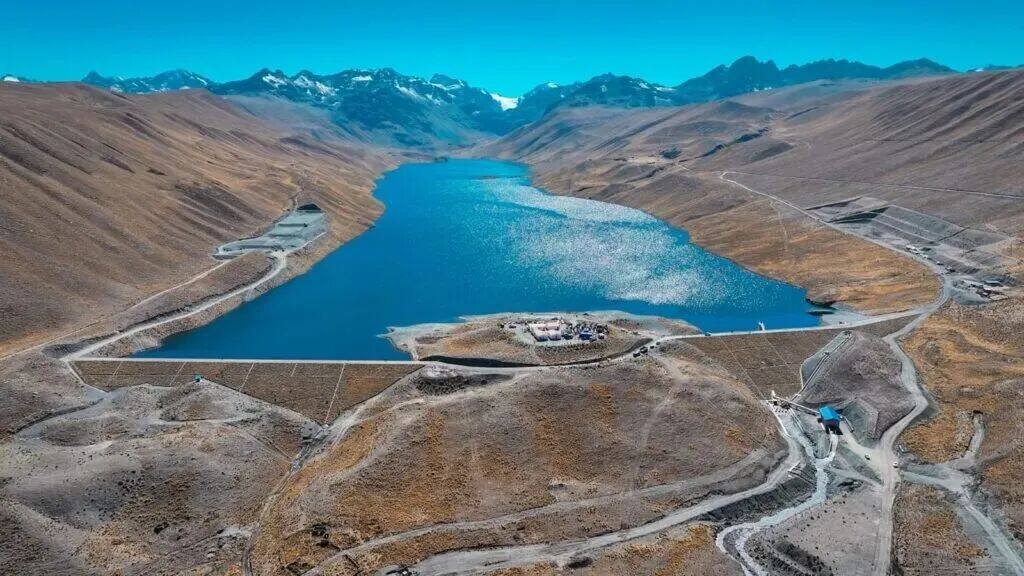
It forms the backbone of the La Paz water supply project, along with the concrete gravity dam of Gordiagota, the Miyunibach drinking water treatment plant, and the ductile iron water diversion pipeline from the two dams to the water plant. The project covers the cities of Batallas, Pucarani, and El Alto, and started construction in January 2019 with a contract amount of 110 million US dollars. The water supply will have a bottom line in the next 50 years.
Clear water enters thousands of households
After the earth dam was put into operation, the water sources of the Hacha'uila and Guyukki basins were directed to the water plant, treated, and sent to the urban area of El Alto and villages along the line. In the past, there was a long-term shortage of technical water supply in the three cities, and animal husbandry and irrigation relied on the weather for their livelihoods; In the future, urban living, ecology, industry, agriculture and animal husbandry water use will be revitalized together, and at least 300000 people will no longer worry about drinking water. Irrigation systems such as Tubakhatari will be expanded synchronously.
President Paschal affirmed the contributions of Chinese and foreign builders at the ceremony, stating that China Electric Power Construction has landed a batch of high-quality livelihood projects in Bolivia, and looks forward to the continuation of infrastructure cooperation for win-win outcomes.
Electric Power Construction Deep plowing Road
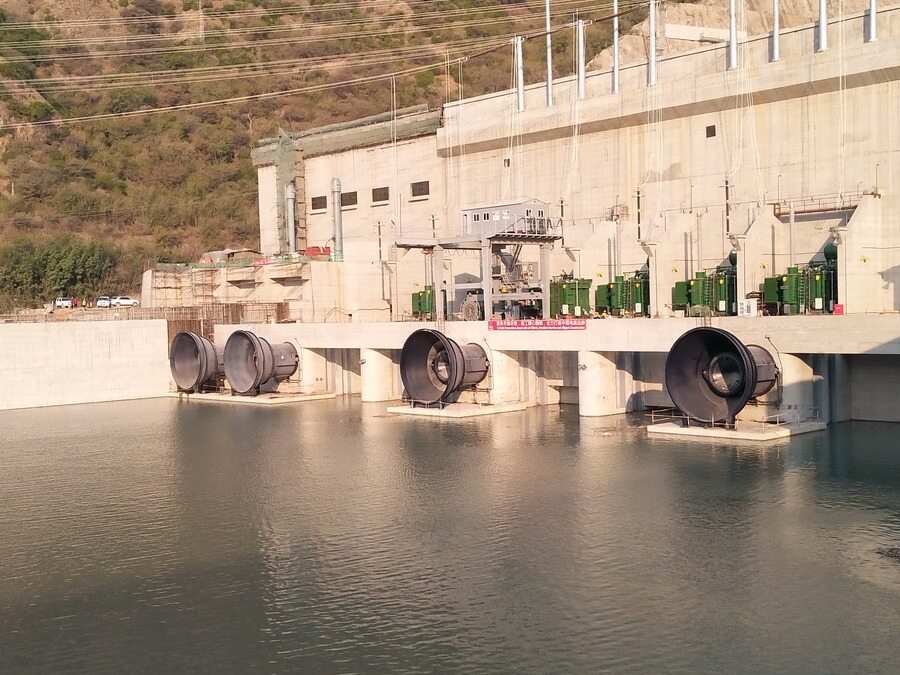
This is not the first time that China Electric Power Construction has built roads and dams in the mountains of Bolivia. During the renovation and expansion of the Elsia Highway, the original road collapsed and landslide after 50 years. The power construction company excavated 474.8 meters of Tunnel 4 and hired 670 local laborers to deliver medical supplies to remote villages and towns; The Padia El Sato highway compresses a 3-hour mountain road into 30 minutes, benefiting 300000 residents along the route. Jose, an orange farmer in Chuquisaca province, can return to his village after selling his oranges in the morning; The second phase of the Iberian hydropower station will be handed over in 2025, with a total installed capacity of nearly 280000 kilowatts and an average annual power generation of 1.2 billion kilowatt hours. 40% of the electricity consumption in Cochabamba Province has been reduced.
From waterways and highways to power stations, China Electric Power Construction has integrated the basic infrastructure for people's livelihoods into Bolivia's development puzzle piece by piece.keywords:Engineering infrastructure
On the day when the dam body was closed, the Chinese engineer wrote in his notebook: 'When the water comes, the day has come.'. For families on the La Paz Plateau, this sentence is more straightforward than any completion report.Editor/Yang Meiling
Comment



 Praise
 Collect
 Comment

 Share
Share


Write something~