 Search


- There are many supporting difficulties in the project, which presents opportunities for Chinese enterprises to participate
- The Dangote East African Refinery Project is advancing, with the potential to reshape the energy landscape of the East African region

The tide of the Indian Ocean beats against the coral walls of the ancient city of Lamu, while a few kilometers away, the red flag of the exploration team flickers in and out among the mangroves. This port, once dormant due to its World Heritage status, has once again become noisy due to rumors of the location of a giant refinery. On this ancient and modern coastline, a game about the future of East African industry is quietly unfolding.
The varied site selection plans have not yet been finalized
On July 28, 2026, the Vice President of Kenya convened multiple departments to coordinate the Dangote Group's East African oil refining project. The project is estimated to be worth approximately 2.2 trillion Kenyan shillings, with Lamu as the preferred alternative site, and feasibility studies are currently underway. The project has a designed production capacity of 700000 barrels per day, and the related refining, port, tank farm, and financing fields deserve continuous attention. Kenya's official forecast is that by 2029, the daily demand for domestic white oil will be 114000 barrels, and the project capacity will reach 6.1 times the demand. The project has entered the stage of cross departmental collaborative promotion, and the regional purchasing and sales capacity, as well as the scale of sea freight exports, determine the construction rate. The five major conditions will affect the actual construction period.
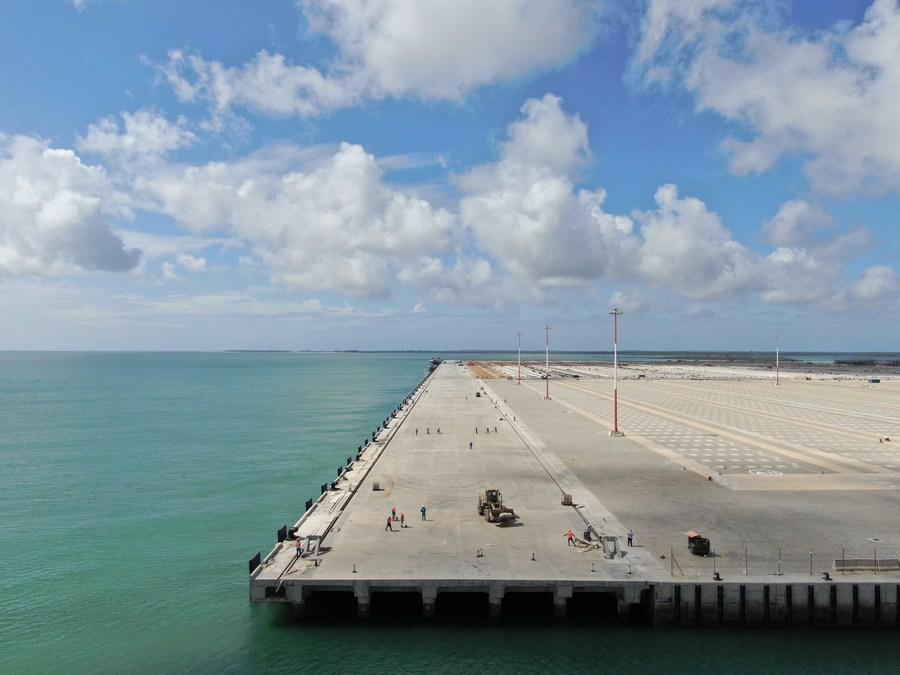
The project site has changed three times in just three months. In April 2026, the site will be located in Tanga, Tanzania, with a planned production capacity of 650000 barrels per day; Turning to Mombasa in May, with an estimated investment of 15 billion to 17 billion US dollars; Lock in Lamu in July, increase production capacity to 700000 barrels per day, with a planned construction period of 30 months to 3 years. The Kenyan government is still waiting for feasibility studies to demonstrate the feasibility of the site. The company has conducted soil surveys and preliminary designs, but the site, cooperation plan, and investment decision have not yet been officially finalized.
Huge production capacity expands export market
The design capacity of 700000 barrels per day means that refineries cannot rely solely on the local market in Kenya. In 2029, the daily demand for white oil in the local area will only be 114000 barrels, and even if calculated based on a 90% operating rate, most of the products will need to be transported outward. The project will create a regional refining base targeting the inland of East Africa and the coast of the Indian Ocean, with products that balance inland distribution and maritime exports. Enterprises need to implement long-term purchase and sales agreements with multiple countries, unify oil standards, streamline cross-border taxes and fees, and rely on stable commercial contracts to ensure continuous operation.
Insufficient supporting facilities, opportunities and hidden challenges
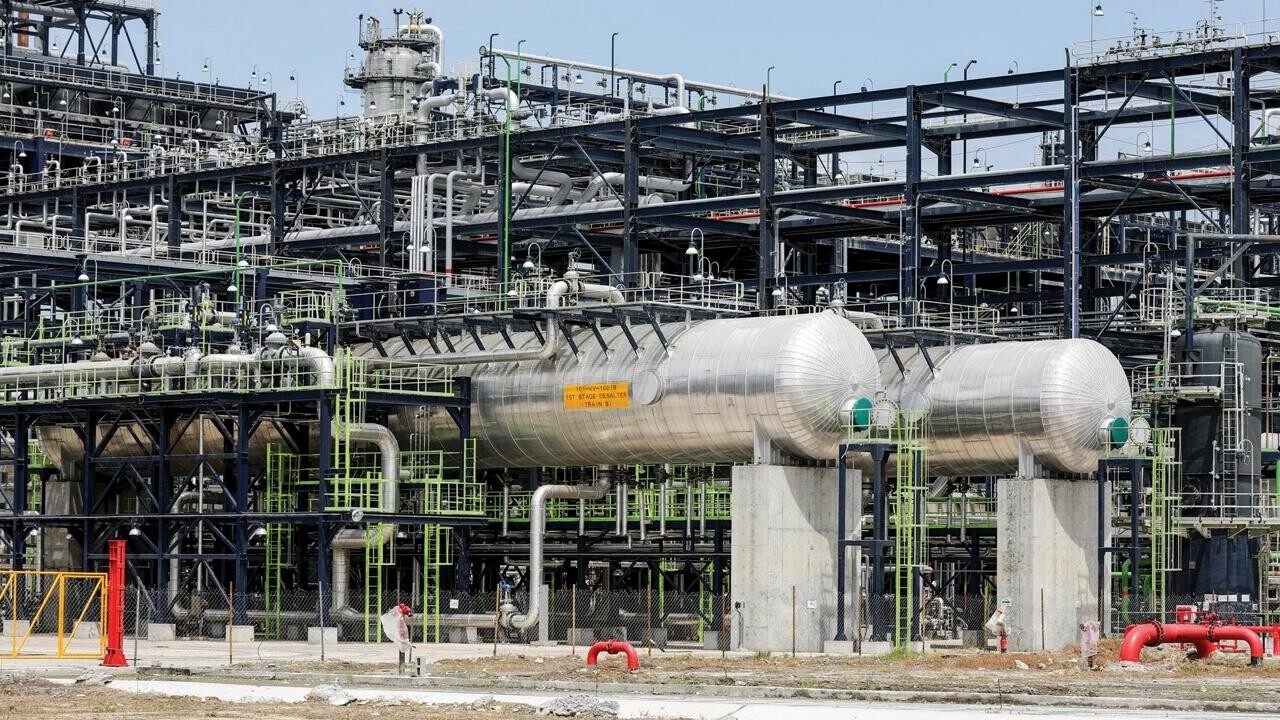
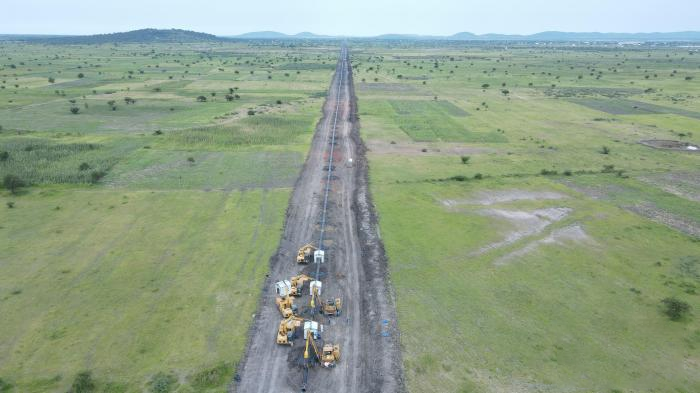
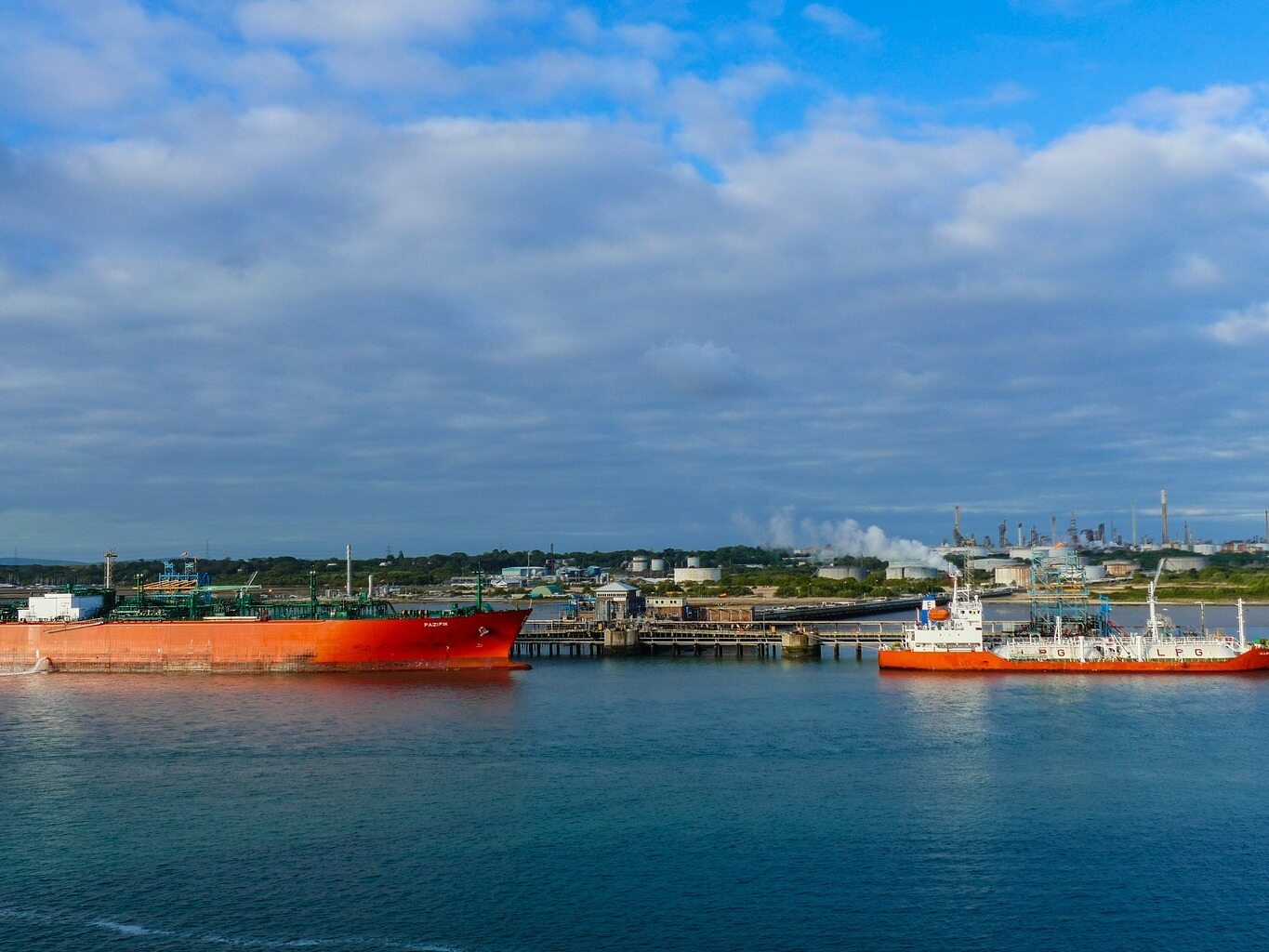
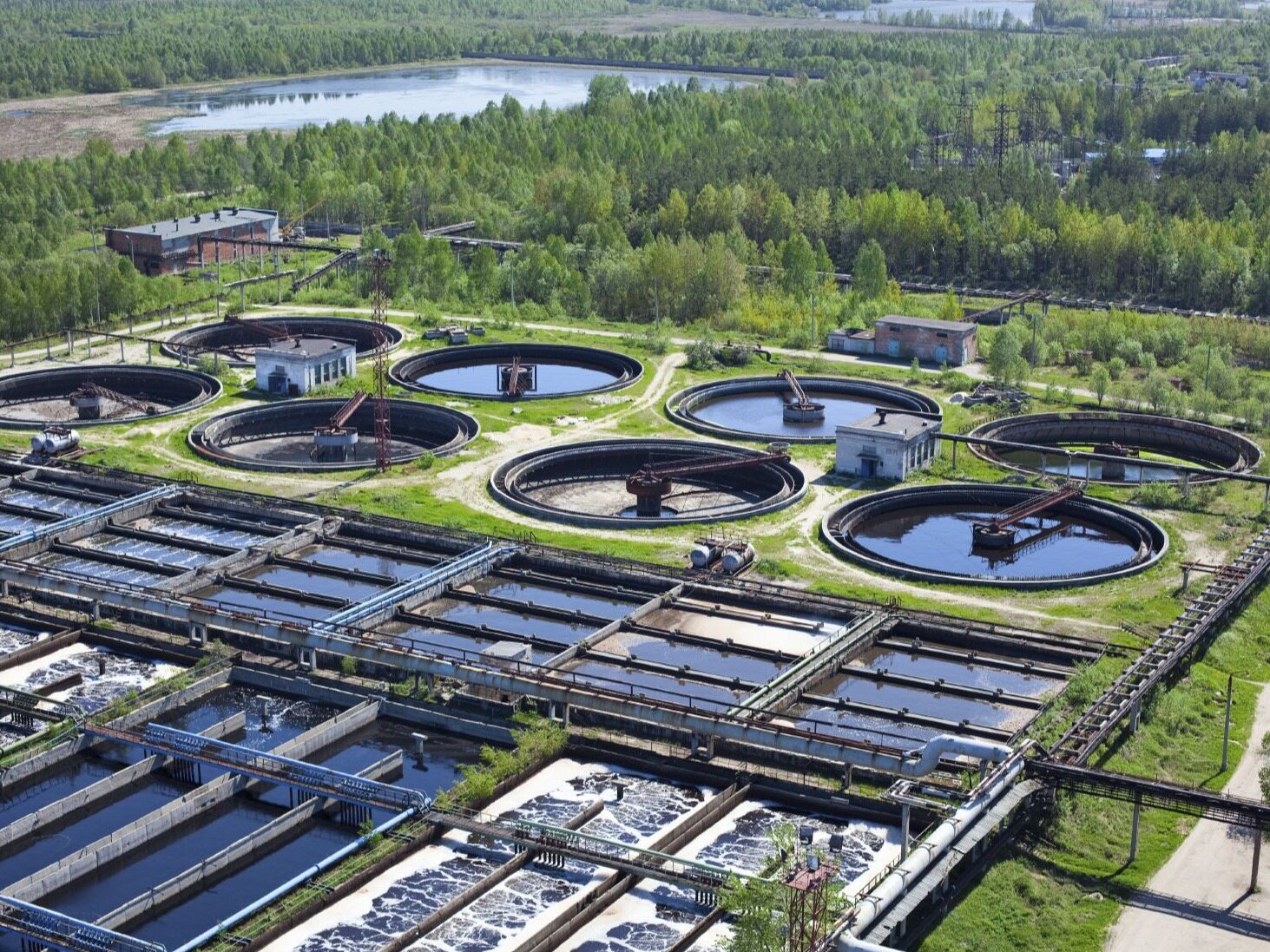
The existing crude oil production in the region is difficult to meet the processing needs of the project, and most of the crude oil needs to be imported by sea, leading to a transformation in the energy trade structure of East Africa. The existing berths at Lamu Port are only suitable for general cargo, and there is a lack of specialized liquid bulk cargo terminals for refined oil and crude oil. Supporting facilities such as tank farms, pipelines, and sewage treatment required by refineries need to be newly built. The complex approval process and financing arrangements may prolong the construction period. The construction and operation of Kenyan refineries require separate certification, with strict environmental impact assessment requirements. At the same time, the project also needs to undergo a UNESCO heritage environmental assessment. Similar projects in the local area have been stalled due to environmental impact assessment issues in history. Dangote Group relies on its own funds, issuing bonds, and going public to raise funds. The project funds in Nigeria cannot be misappropriated, and the project capital, loans, and EPC prices have not yet been implemented. The three-year construction period is only a preliminary goal.
At present, no Chinese enterprise has won the main project of the refinery. CCCC and CNOOC have already laid out relevant projects in the local area and have the foundation to participate in supporting projects. Domestic enterprises can sustainably track feasibility studies, environmental impact assessments, and dock plans, prepare in advance for qualifications related to marine engineering, tank farms, and environmental protection equipment, and participate in bidding after project rules are clarified. Keywords: East African Refinery, Dangote Group, Kenya
In the next 6 to 18 months, the site, crude oil supply, purchase and sales contracts, approval, financing, and general contracting bidding will determine whether the project can commence. If any link is delayed, the construction plan will be postponed. December 1, 2026 is an important milestone, and Kenya needs to submit a report on the protection of the Lamu heritage. If the relevant plans are not implemented, it will be difficult to achieve the goal of starting construction by the end of the year.Editor/Gong Ziwei
Comment

 Praise
 Collect
 Comment

 Share
Share


Write something~