 Search


- With the drilling of the first pile foundation, Sinohydro 14 breaks ground for its first wind power project in Cambodia
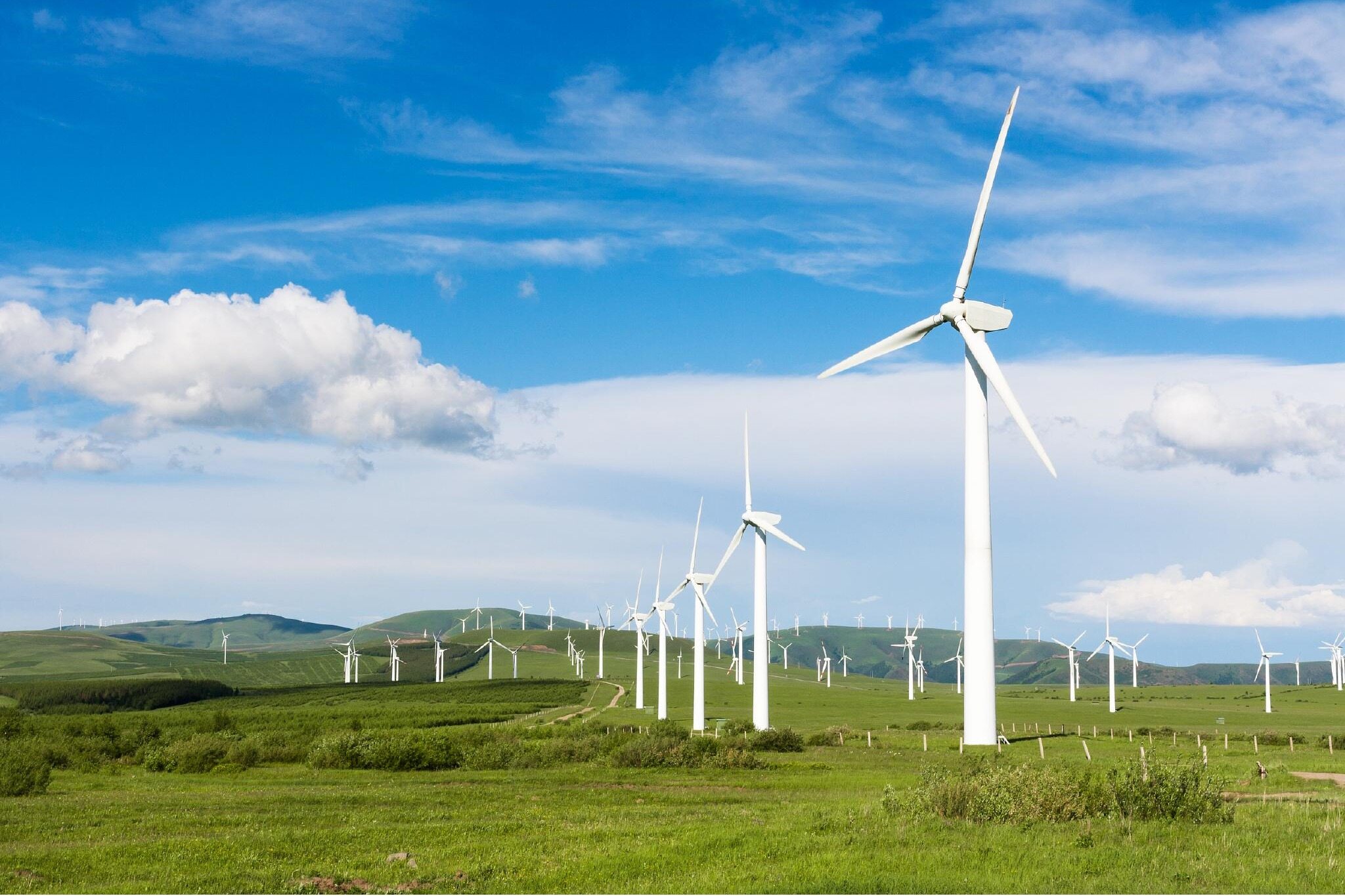
The morning mist in Mondulkiri province has not yet dissipated, and a dull mechanical roar can be heard deep in the Seminolon Mountains. On July 26th, a pile foundation equipment slowly rotated its drill bit and plunged into the red soil, marking the beginning of the construction of Sinohydro 14's first wind power project in Cambodia - the Mondulkiri Sen Monolong 150 MW wind power project. This northeastern mountainous area, which used to only have coffee gardens and primitive forests, is about to grow Cambodia's first batch of windmills.
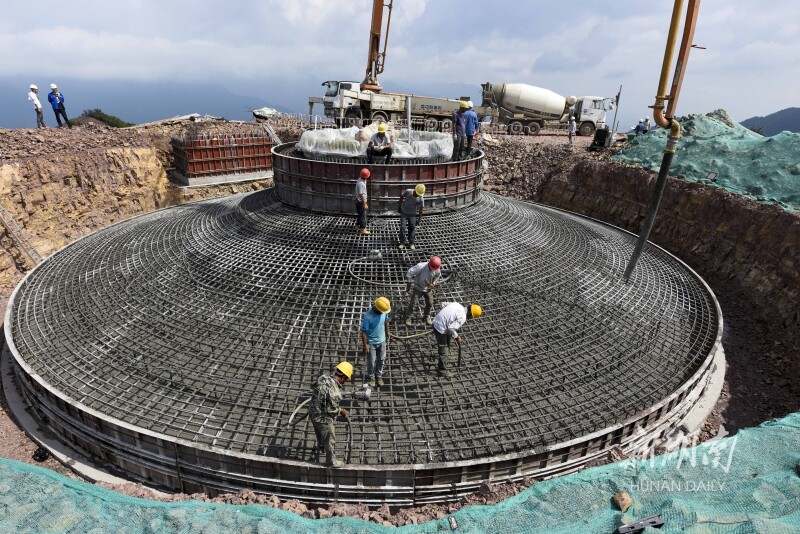
Drilling in mountainous areas
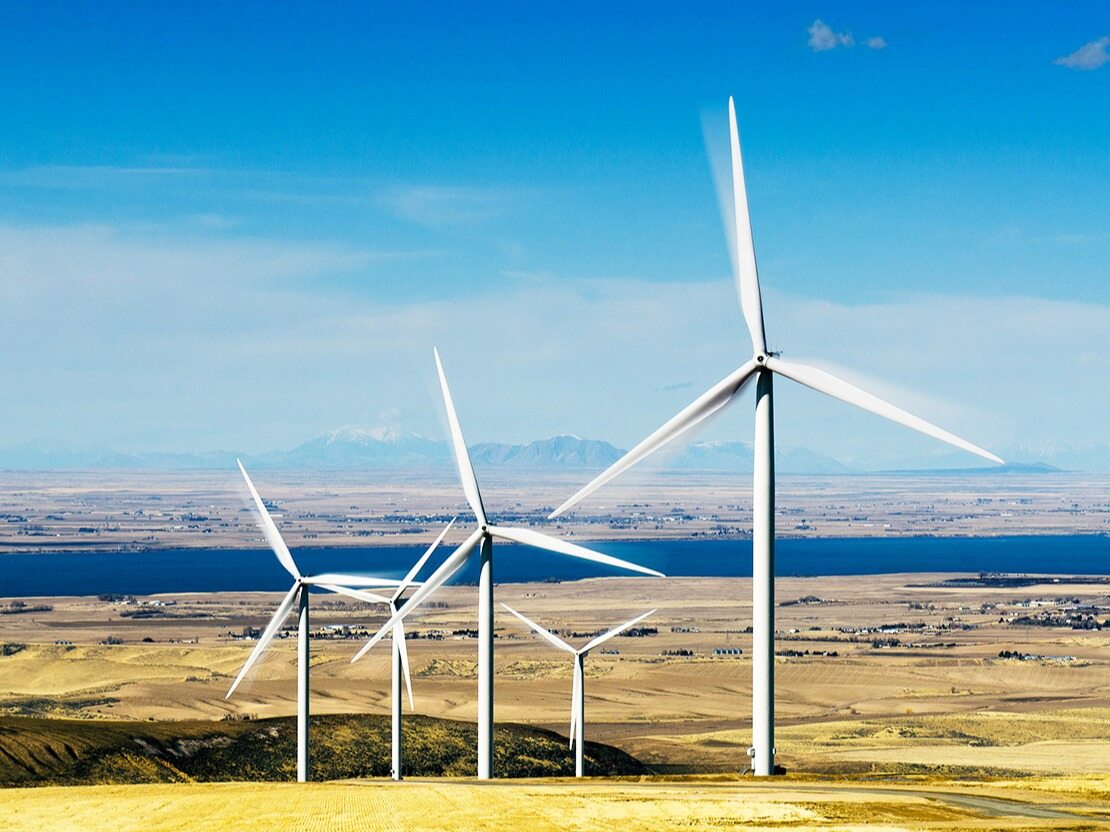
The project is located in the vast mountainous area of Mondulkiri Province, with a total installed capacity of 150 megawatts, and plans to install 24 large wind turbines with a single capacity of 6.25 megawatts. Despite the concise numbers, there is another logic on site: 24 wind turbine foundations and installation platforms, control building stations, 28.460 kilometers of permanent construction roads, 61.56 kilometers of power collection lines, with a long front line and wide coverage.
For Sinohydro 14, this is its first wind power project in Cambodia and another important milestone for China Power Construction in the local new energy landscape. At the moment when the first pile foundation was drilled, China Cambodia green energy cooperation officially extended from hydropower and photovoltaics to the wind direction.
Fill in the blanks
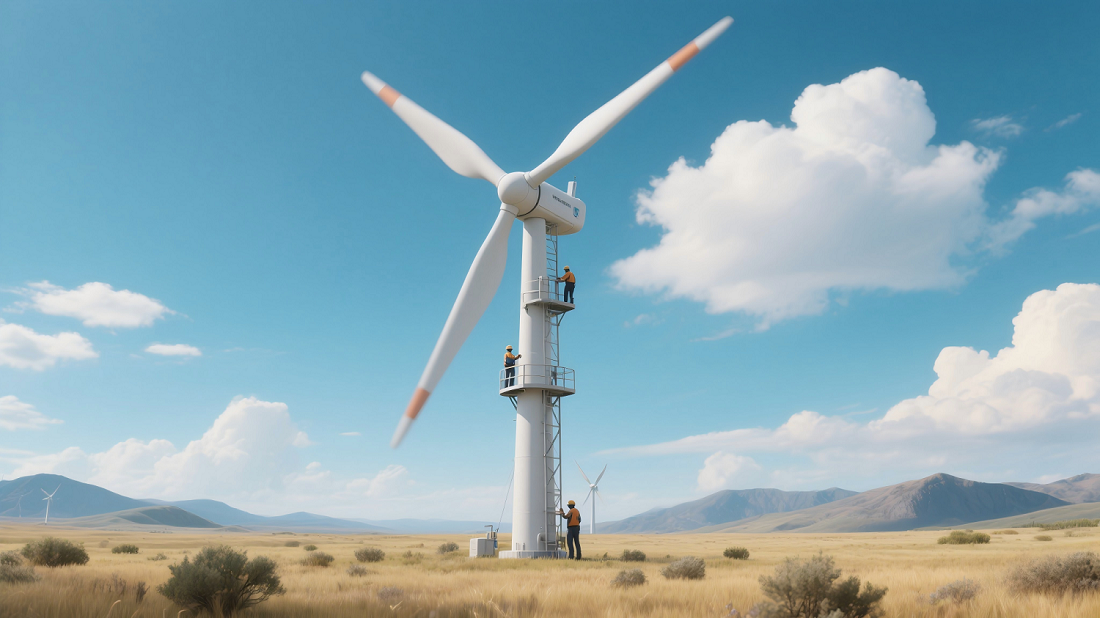
Cambodia is not a traditional wind power country. For a long time, its power generation has mainly relied on hydropower, solar energy, and biomass, supplemented by coal, oil, and imported electricity. As of 2025, renewable installed capacity accounts for about 63%, and the government has set goals of at least 70% clean electricity by 2030 and carbon neutrality by 2050. Wind power is the puzzle that must be filled in.
The Seminolon project is one of the first large-scale wind power projects planned in Cambodia and a pioneer in the layout of six 900 MW wind power projects in Mondulkiri Province. After completion and operation, it is expected to generate approximately 380 million kilowatt hours of electricity annually, save 116000 tons of standard coal annually, and reduce carbon dioxide emissions by approximately 383000 tons. For the local area, it not only alleviates the tight electricity balance, but also shifts the energy structure from single dependence to diversified supply.
Green electricity going global
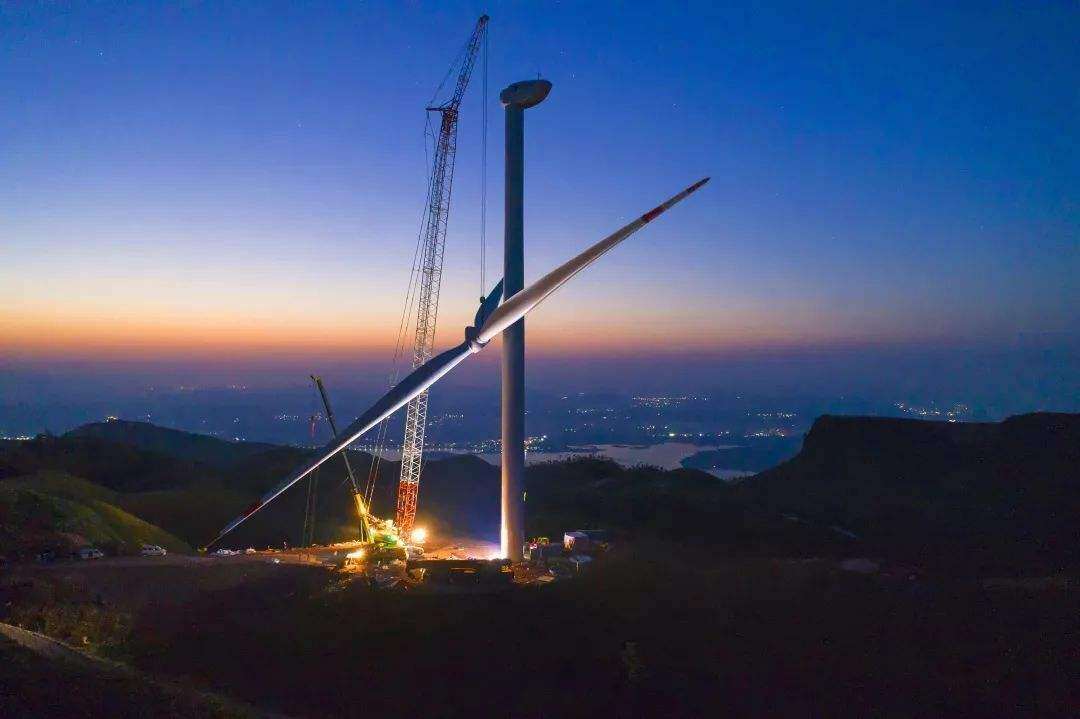
This pile driver not only drills concrete holes, but also serves as the anchor point for China's wind power industry chain to go global as a whole. The entire wind turbine is supplied by Sany Heavy Energy, and the EPC general contractor is China Electric Power Construction Fujian Institute. Sinohydro 14 has completed the assembly of a set of Chinese solutions from equipment, design to construction in the mountainous areas of Southeast Asia, tackling the hard bones of mountain foundations and roads.
The larger background is that the Cambodian Development Council approved about 1.04 billion US dollars in clean energy investment in the first half of 2026, with an additional 10 million kilowatts of clean installed capacity waiting to be implemented. Mondulkiri is one of the key areas. When the wind in the mountains is replaced with stable green electricity, Cambodia's industrial electricity prices decline, village electricity supply stabilizes, and ecological economy accelerates, all of which have more specific support points.keywords:Engineering infrastructure,New energy news
The wind starts at the mountain pass of Seminolon, and electricity leads to the lights of Phnom Penh and surrounding factories. The first drill of Sinohydro 14 is the pile foundation, which is also a new layer of energy cooperation between China and Cambodia on the the Belt and Road.Editor/Yang Meiling
Comment


 Praise
 Collect
 Comment

 Share
Share


Write something~