 Search


- The expansion of West African railways promotes the development of regional connectivity in Senegal

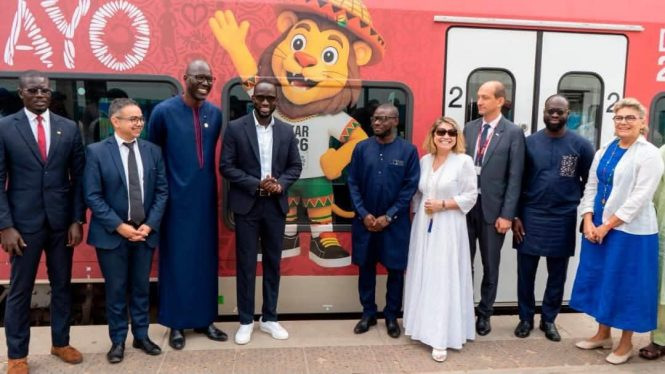
Representatives from multiple parties gathered at the signing site, with millions of euros in financing landing, and the preliminary research for the extension plan of the Dakar regional express line officially launched. This funding will support a comprehensive evaluation of the railway line, laying a solid foundation for the next expansion of this modern railway in West Africa.

Financing landing
The Ministry of Land and Air Transport of Senegal SENTER SA、 The French Development Agency has signed a memorandum of understanding with the European Union. The project has received a total of 10 million euros in funding, specifically for the feasibility study of extending TER from Dakar to Ties. The research content covers the economic benefits, social impact, and environmental assessment of the technical scheme of the line, in order to clarify the subsequent implementation path of the project.
Line Overview
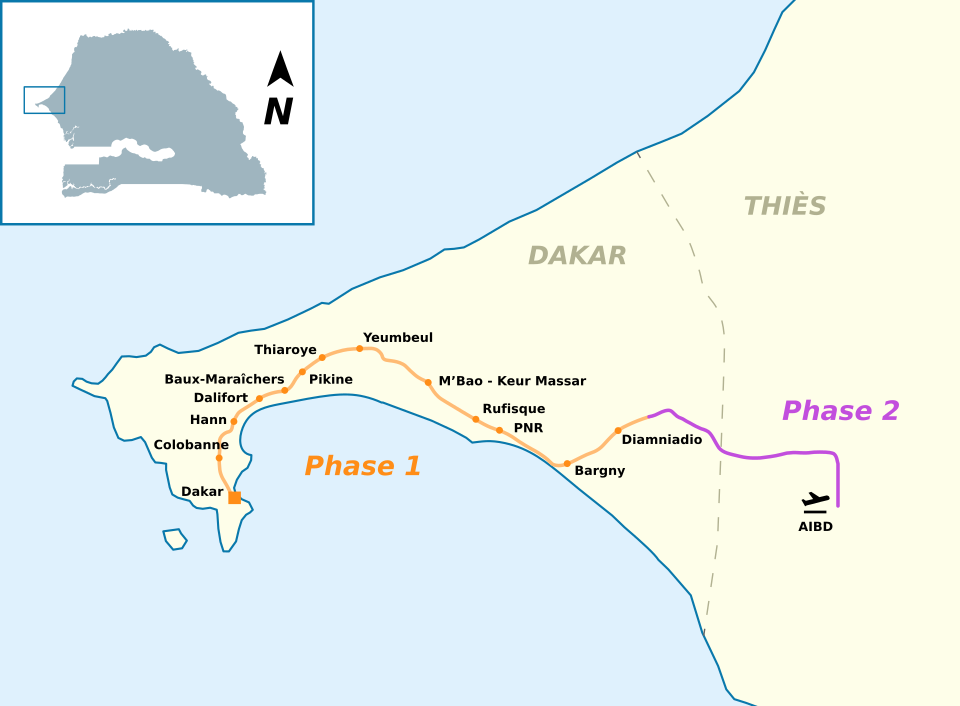
Dakar TER is Senegal's first modern regional railway. The first phase of the line is 36 kilometers long and has 13 stations. It will be opened to traffic in 2021. After the second phase is extended to Blaise Diagne International Airport, the entire line will reach 55 kilometers. The line adopts 1435mm standard track and is equipped with 15 sets of 4-car dual-mode trains with a maximum speed of 160 kilometers per hour.
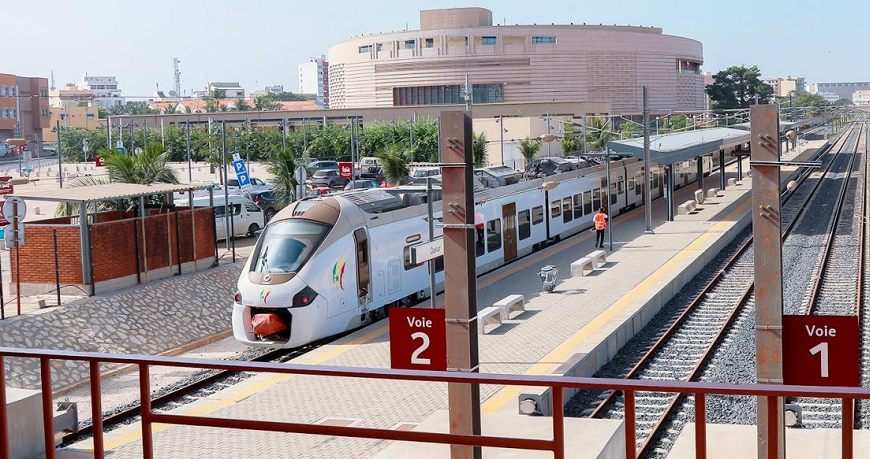
The current route mainly serves the Dakar metropolitan area and airport passenger flow. After extending to Ties, it will connect the capital with the inland economic hub. The project belongs to the Senegal Railway Modernization Project and is included in the 2050 National Transformation Agenda to help build a sustainable and efficient regional transportation network. Keywords: Dakar TER, modernization of West African railways
The project aims to upgrade the railway network in West Africa and strengthen economic connections between cities. Relying on international cooperation to raise funds for preliminary research, it also provides a reference development model for railway expansion projects in multiple African countries. After the completion of the future route, passenger transportation channels will be widened, travel costs will be reduced, and the development potential of the areas along the route will be continuously released.Editor/Min Jing
Comment



 Praise
 Collect
 Comment

 Share
Share


Write something~