 Search


- Railway first will reduce investment risks and improve the efficiency of Thailand's logistics network
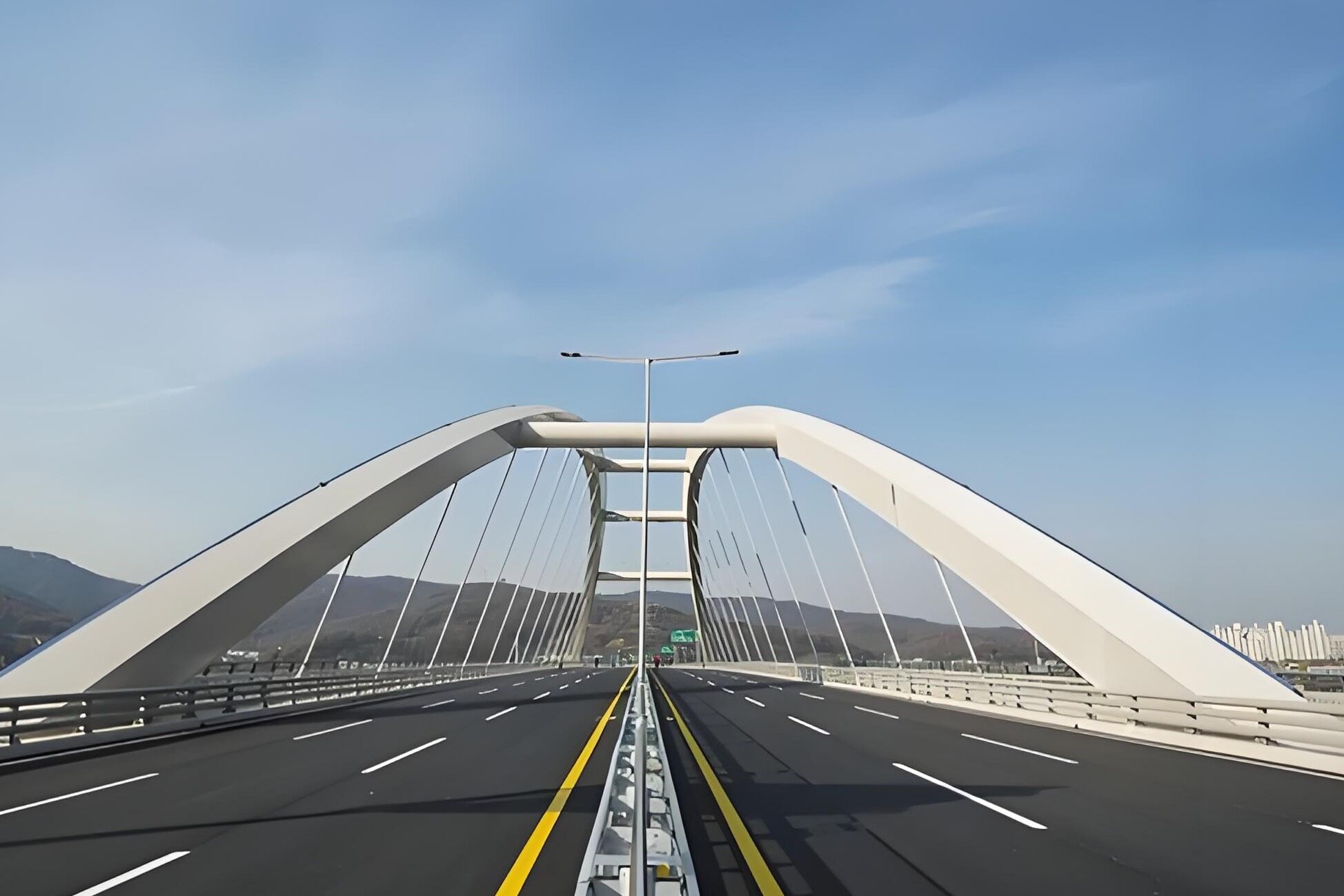
Recently, in the press conference hall of the Prime Minister's Office in Bangkok, Thai Prime Minister Anuntin faced the camera and personally pulled a super project that was once sentenced to death back onto the chessboard. Just 72 hours ago, an official research institution in Thailand suggested terminating this cross peninsula land bridge project, citing an investment return rate of only 4.8% and a total investment of approximately 1 trillion Thai baht, or 38.3 billion US dollars; At this moment, the Prime Minister's statement is exceptionally firm - the project has not been abandoned or put on hold, but the priority order of construction has been adjusted based on the current economic and geopolitical environment. This dramatic reversal from cancellation to revival reveals Thailand's true intention in the alternative passage of the Strait of Malacca: instead of gambling on a fully connected land bridge, it is better to weave the railway network in hand first.
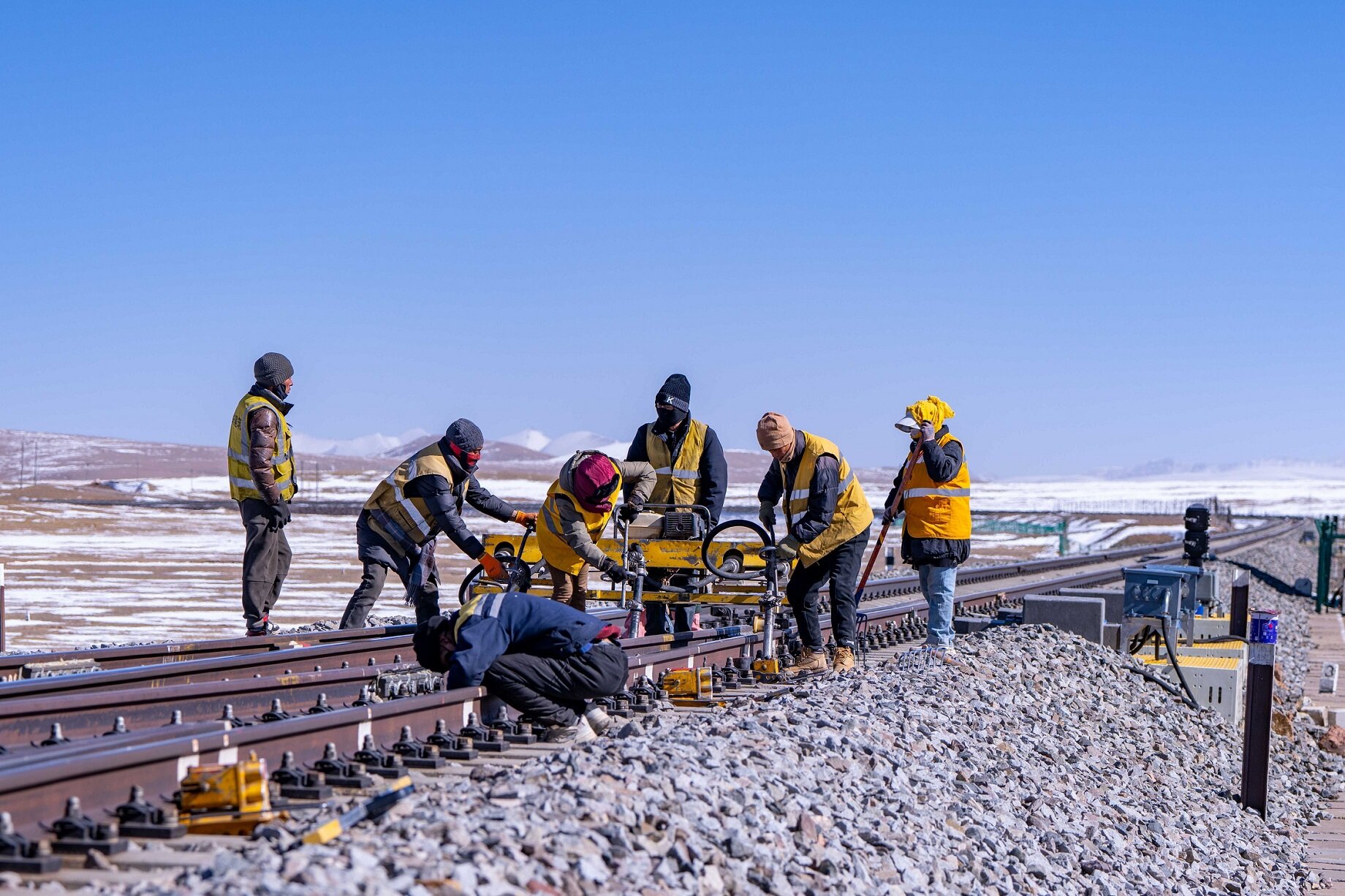
Why did the trillion dollar project suddenly come to a sudden halt
The initial plan for Thailand's land bridge was grand - to build a 90 kilometer railway and highway corridor between the new deep-water port on the Andaman Sea side and the new port on the Gulf of Thailand side, creating a new international logistics channel that bypasses the Strait of Malacca. However, on July 24, 2026, the internal assessment of the Thai government gave a cold number: a 4.8% investment return rate is difficult to justify financially. The risk of investing a huge sum of money in building a complete land bridge suddenly increases due to external pressures such as the slowdown in global shipping demand and the shift of large shipping companies to other port layouts. Between fiscal discipline and practical benefits, the Thai government has chosen to hit the emergency brake.

Fill in the missing railway connection ring
Sudden braking does not equal a U-turn. The Anutin government has repeatedly emphasized a key keyword in its latest statement - prioritizing the completion of missing railway connections. The so-called missing railway connection does not only refer to the 90 kilometer cross peninsula railway in the land bridge plan, but a larger network concept: the yet to be built connecting lines between ports and railways, bottleneck sections with insufficient freight capacity, and the last mile breakpoint that affects overall efficiency. The Thai side believes that instead of betting on a super project with a long return cycle, it is better to invest in infrastructure that can immediately improve logistics efficiency regardless of whether a land bridge is built in the future. The railway, from a supporting project for land bridges, has become a priority project. Keywords: Infrastructure News Network, Transportation, Infrastructure
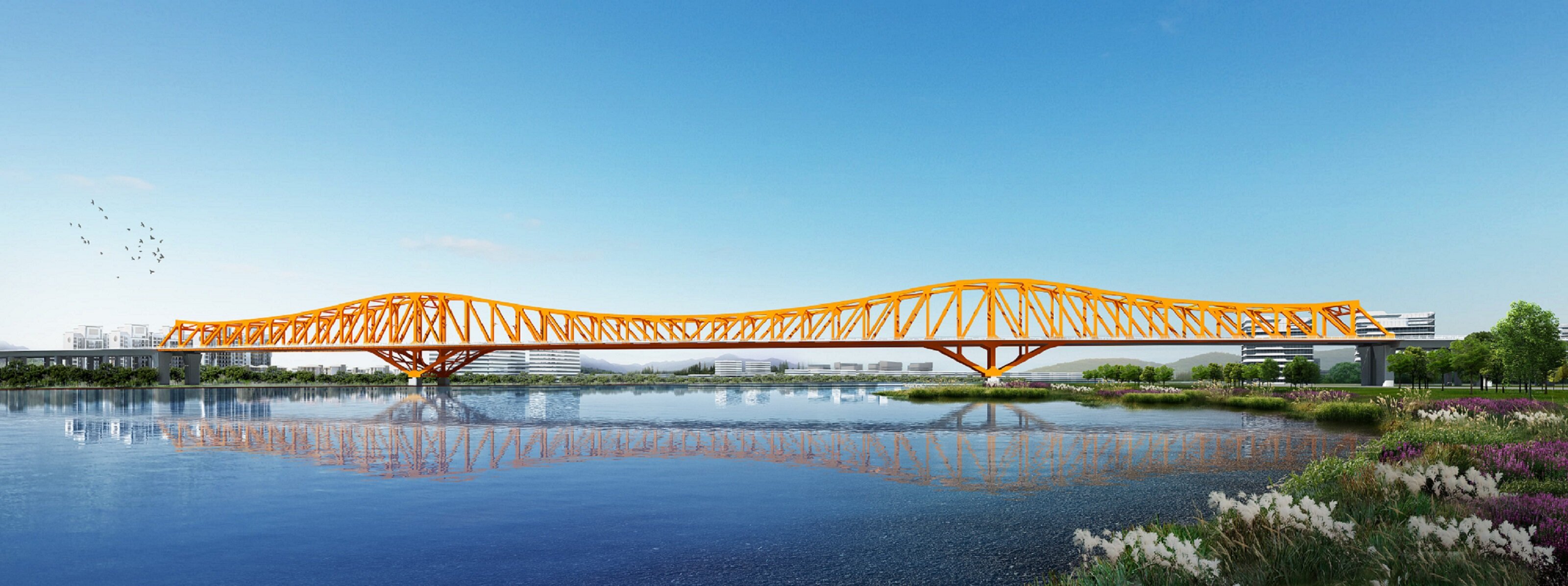
Chunpeng to Lalang Railway breaks through first
The shift in strategic focus directly changed the project ranking. According to media outlets such as The National, Thailand's first initiative in the coming years is likely not a complete land bridge system, but a series of railway and port projects that can independently generate logistics value. Among them, the Chumphon Lalang dual track railway project is the most critical - with a total length of 110 kilometers and an investment of about 750 million US dollars. Even if this route is separated from the land bridge framework, it can significantly improve Thailand's east-west freight connectivity; And once there are changes in the future international trade pattern or regional supply chain that require the restart of the land bridge, it can naturally connect to become the backbone of the western section of the cross peninsula channel. For Chinese infrastructure companies, international consulting firms, and multilateral development banks, these pioneering projects are the truly market opportunities worth continuously tracking. Thailand is trying to break it down into smaller parts, while controlling fiscal risks, to reserve a wake-up call option for the alternative passage to Malacca.Editor/Gao Xue
Comment




 Praise
 Collect
 Comment

 Share
Share


Write something~