 Search


- Canadian LNG project confirms offshore construction party and initiates preparations for subsea pipeline construction
- Building new pipelines to open up natural gas transportation channels and support the development of regional energy industry

The cold currents of the Pacific Ocean crash against rugged rocky shores, where seabirds graze, hiding a crucial link in changing the flow of energy in North America. At the confluence of wilderness and deep sea in northwest Canada, a long dormant energy artery is quietly awakening. With the whistle of the heavy-duty pipeline laying ship piercing through the sky, natural gas beneath the ice sheet is about to embark on a new route to the east.
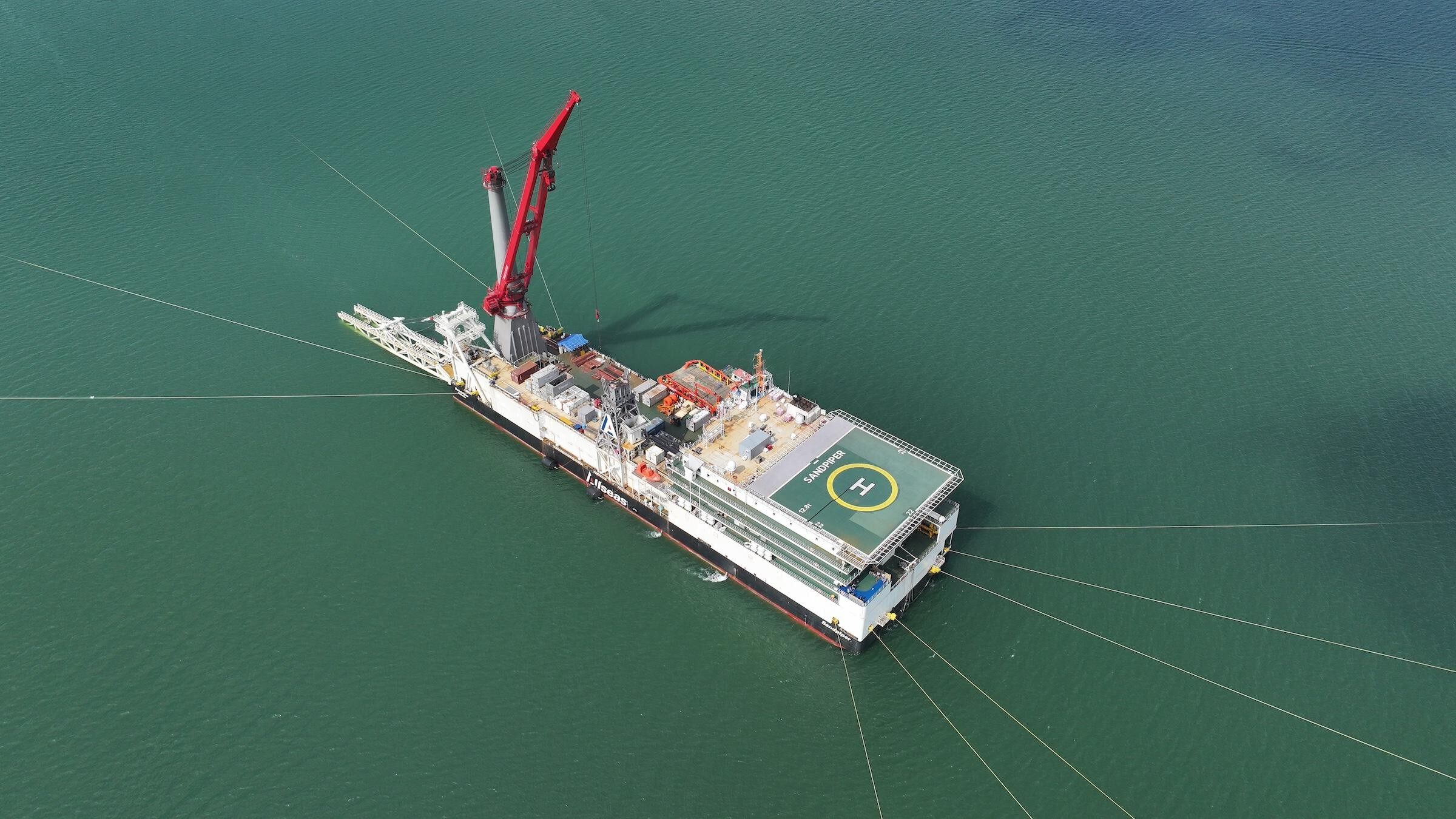
Western LNG has signed a construction contract with Allseas, a Swiss marine engineering company, to undertake the laying of key subsea sections of the Prince Rupert natural gas pipeline in northwestern Canada.
Signing and finalizing the offshore project
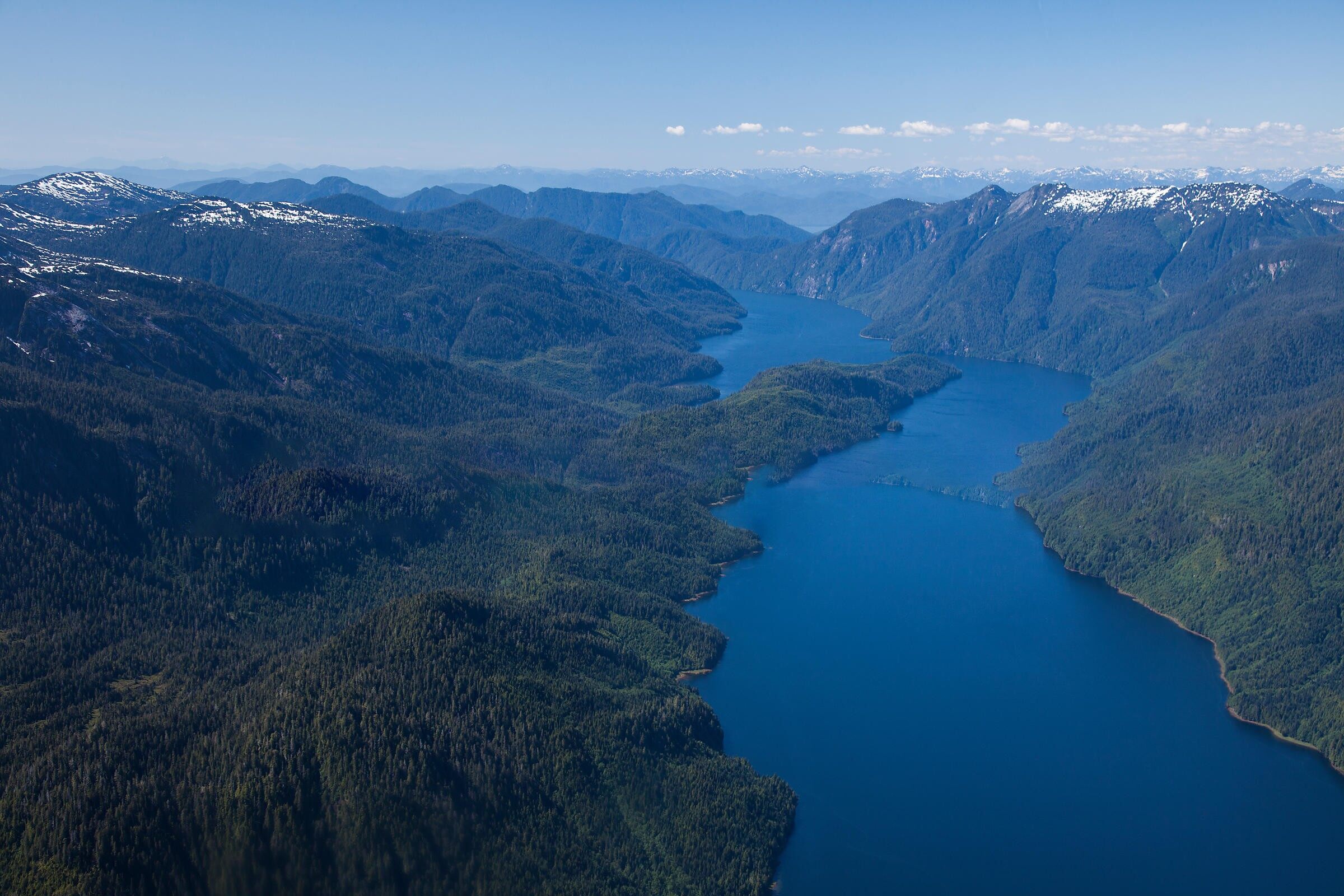
This submarine pipeline is located in the remote waters of northwest British Columbia, near the Alaska border, and is the final link in a 700 kilometer natural gas transportation corridor. After the pipeline is completed, Canadian natural gas can be transported to the Ksi Lisims liquefied natural gas export base planned along the Pacific coast.
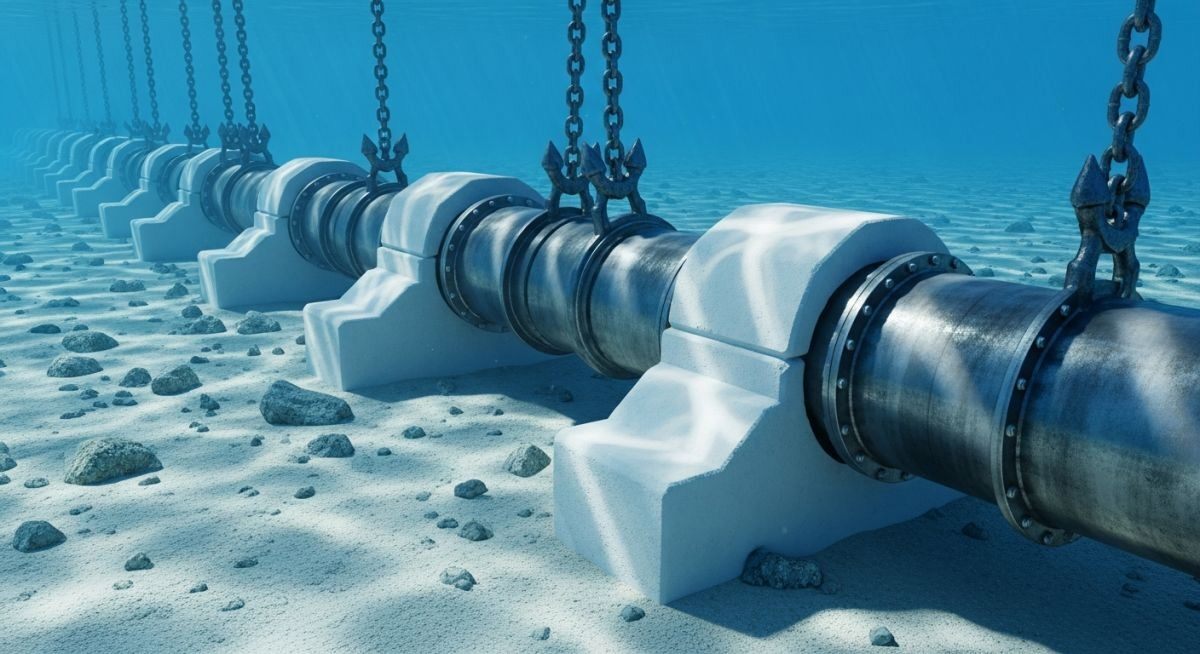
Clear pipeline planning and construction plan
Allseas is responsible for laying concrete weighted pipelines with a total length of approximately 50 kilometers, specifications of 36 inches and 48 inches, and building a connection channel between the onshore pipeline network and the Pierce Island floating liquefied natural gas plant. Offshore construction operations are scheduled to commence in 2029. The Soleil and Sandpiper laying vessels are responsible for this construction task, with the operating water depth extending from the shore to 450 meters. The engineering project covers multiple processes such as crossing multiple coasts, onshore traction, water connection, trench excavation, pipeline stabilization, and repairing suspended sections of pipelines before and after laying. Keywords: LNG, offshore pipeline laying, energy export
Release energy value after operation
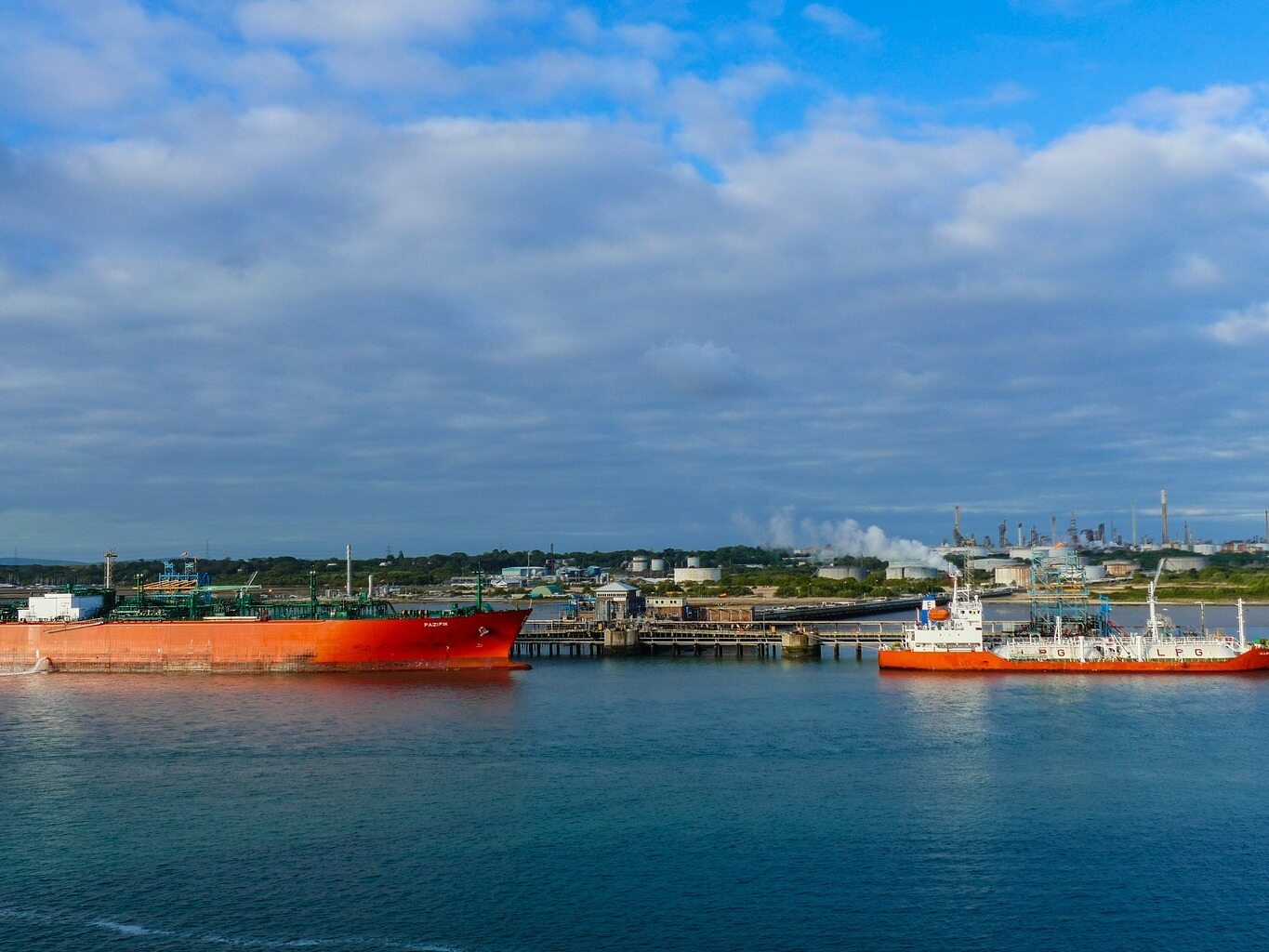
After the entire pipeline is put into operation, the Prince Rupert natural gas transmission system will open up a new export path for Canadian natural gas, expand export channels, consolidate the foundation of long-term energy security, and promote the economic development of British Columbia.Editor/Gong Ziwei
Comment



 Praise
 Collect
 Comment

 Share
Share


Write something~