 Search


- North African energy market enters a period of adjustment, expanding the track of cooperation between Chinese enterprises
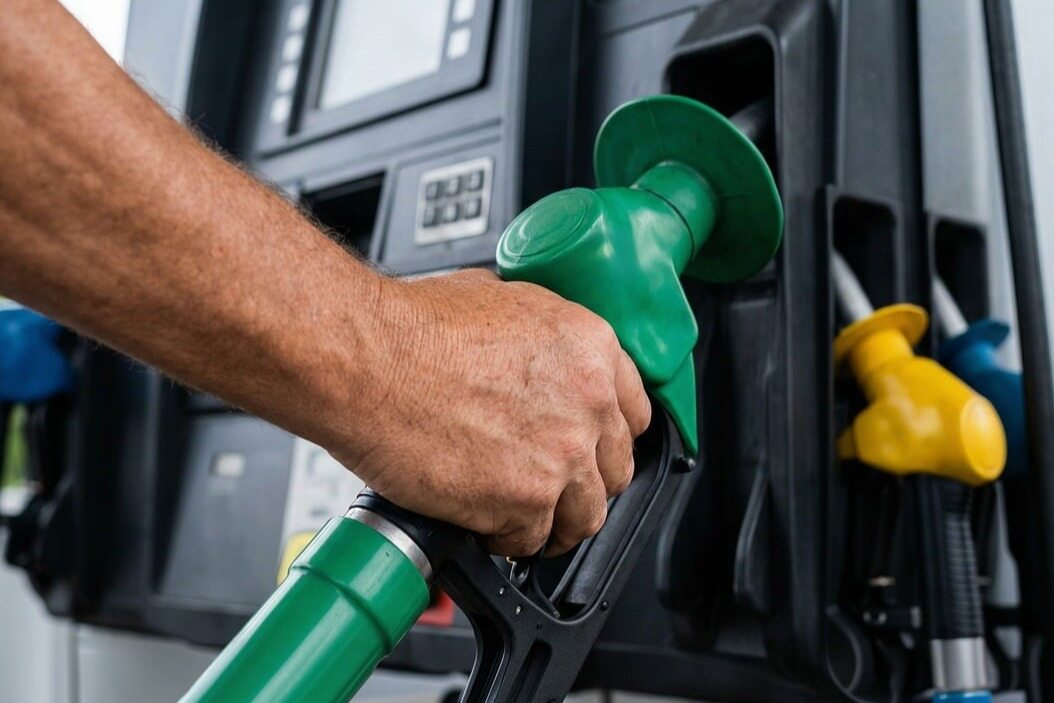
The market monopoly pattern continues to loosen, and the Moroccan fuel distribution track is facing new changes. The market share of local giants is slowly declining, and a large number of new operators are flocking to the market to lay out sites, opening up a vast blue ocean for domestic enterprises to digitize storage and transportation of natural gas and water services.
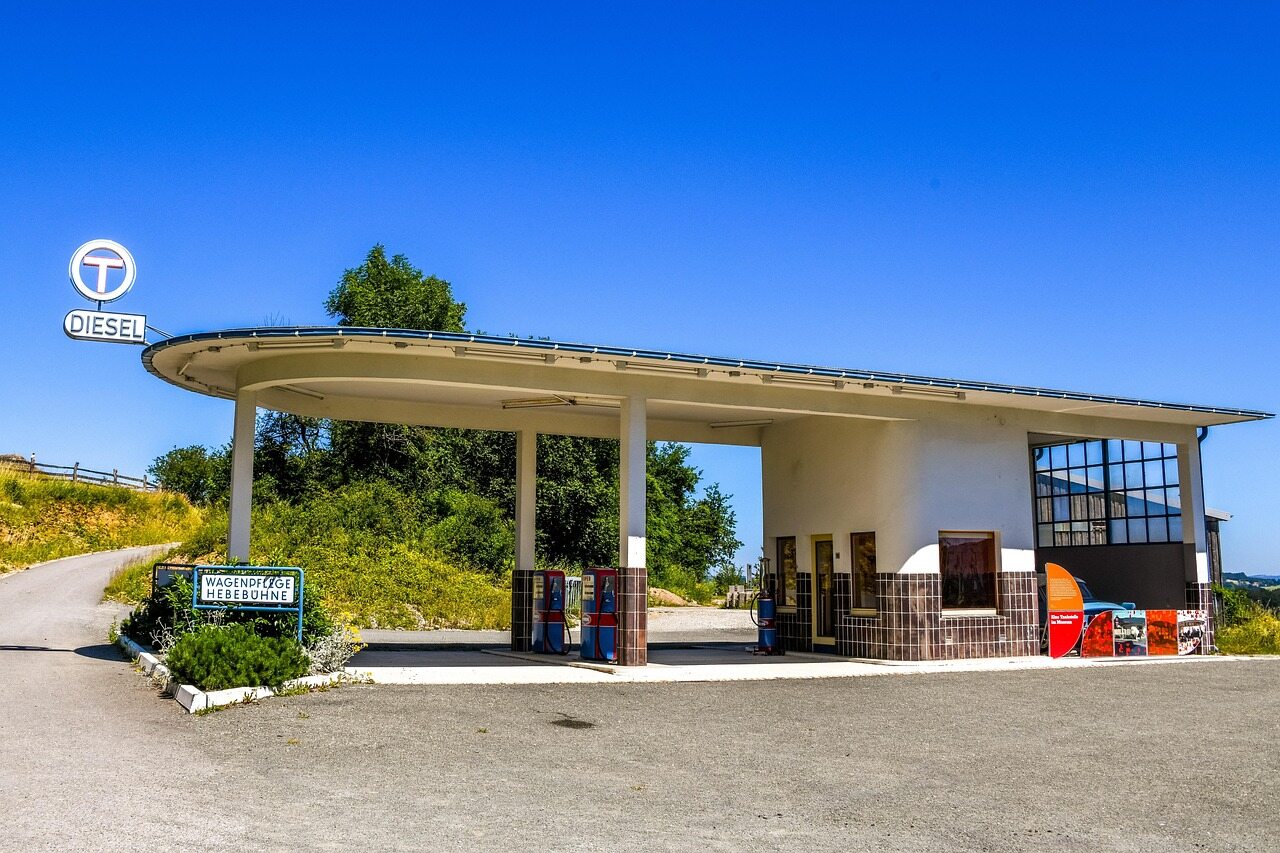
Storage and transportation barriers
The concentration of the Moroccan fuel market has been relatively high for a long time, with Afrikia accounting for nearly one-third of the domestic fuel sales share. By 2025, the import share of the top nine enterprises will decline to 81.7%, and the industry will add 208 new gas stations, most of which will be invested and built by new operators. The current domestic storage capacity for gasoline and diesel is 1.57 million tons, with nine major enterprises controlling over 80% of the storage capacity. After the new operator obtains the license, tank facilities become the biggest constraint on expansion, and the demand for supporting storage and transportation equipment continues to be released.
Site support
By the end of 2025, the total number of gas stations in Morocco will reach 3742. The proportion of top operator outlets is 68.9%, and most of the newly added sites belong to emerging market participants. The overall net profit margin of the industry remains at 3%, and enterprises continue to increase their investment in infrastructure. Chinese enterprises can provide digital systems for measuring and security fleet management, synchronously expand long-term operation and maintenance services, and target emerging operators to mine orders. Keywords: Moroccan fuel market, energy support
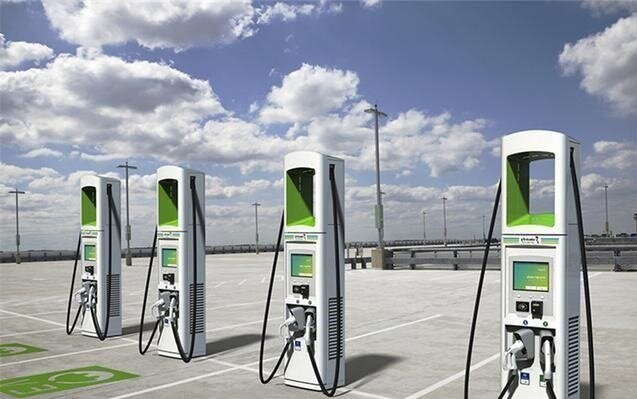
Diversified tracks
The extension of energy business has opened up the second growth curve. Local promotion of liquefied natural gas development and large-scale seawater desalination projects, there is procurement space for membrane equipment, high-pressure pumps, and natural gas storage and transportation facilities. At the same time, the market's political and business relationships are complex, and the difficulty of compliance due diligence has increased. The industry suggests that Chinese enterprises prioritize exporting equipment and technical services, cautiously carry out heavy asset investments, and steadily expand the market based on the four supporting chains.Editor/Min Jing
Comment

 Praise
 Collect
 Comment

 Share
Share


Write something~