 Search


- China Egypt Chemical Project Accelerates Implementation, Helps Egypt Improve Local Industrial Chain and Promote Import Substitution
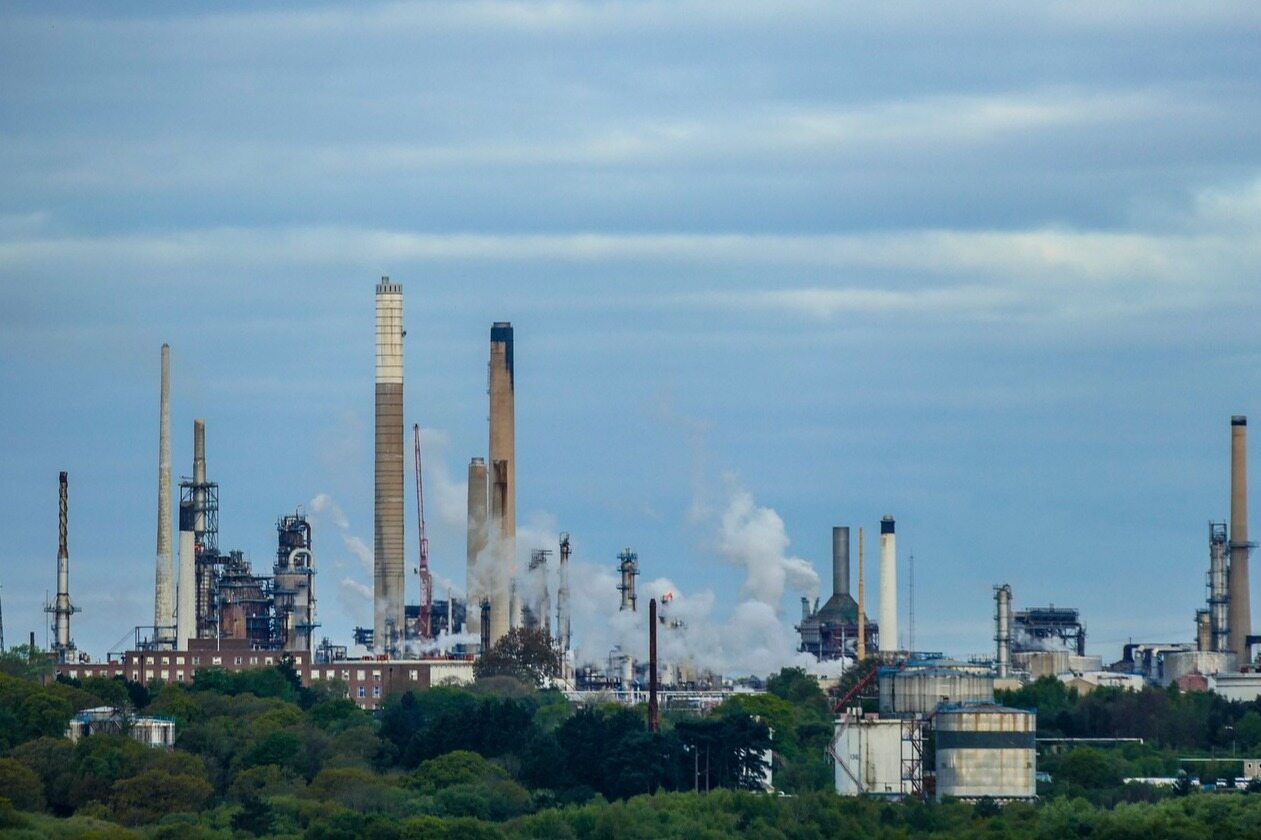
The local talks focused on coordinating project progress and did not sign new contracts or commencement documents. Egyptian Oil Minister Karim Badawi met with CNCEC General Manager Deng Zhaojing to urge the promotion of four key chemical projects, increase the proportion of local industry participation, and prioritize the promotion of soda ash and Red Sea petrochemical projects. The progress of the four projects is different, divided into the early design, financing approval, and permit processing stages, resulting in a differentiated pace of equipment procurement.
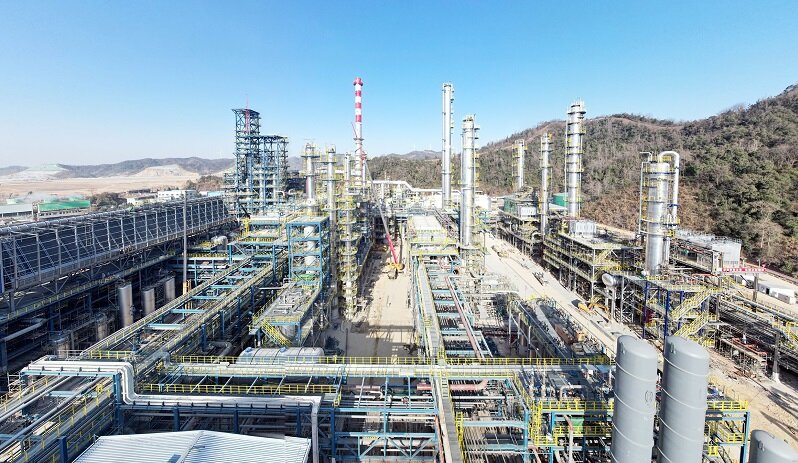
Project schedule differentiation
The New Alaman Soda Ash Project is progressing rapidly, with the Egyptian Soda Ash Company as the owner and an annual designed production capacity of 600000 tons. The project has disclosed a contract amount of 3.132 billion yuan domestically, with a latest total investment of approximately 640 million US dollars. The preliminary engineering has started, and the target is to start production in the fourth quarter of 2028. Metal silicon and bioethanol have tighter project schedules. 45000 tons of metallic silicon with an annual investment of 200 million US dollars in the first phase, and a syndicated loan of 140 million US dollars has been secured. It is planned to start production in the fourth quarter of 2027. The Damieta 100000 ton bioethanol project relies on molasses raw materials, with a total investment of 193 million US dollars. The preliminary engineering has been launched, aiming to start production in the second quarter of 2027. The Red Sea National Petrochemical Complex has the largest scale, with a planned production capacity of 3.5 million tons per year. It is expected to be put into operation in the second quarter of 2030, and is currently advancing design permits and financing negotiations. Keywords: Sino Egyptian Chemical Cooperation, Egyptian Petrochemical Project
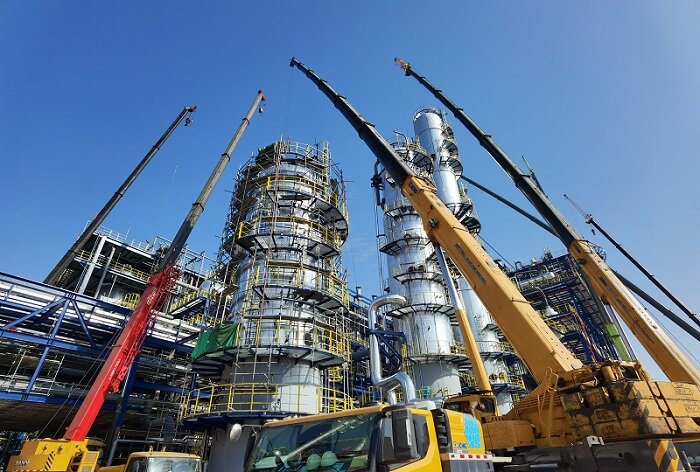
Incorporate into the five-year petrochemical plan
All four projects mentioned above will be included in Egypt's 2026-2030 petrochemical expansion plan. The plan includes ten projects, with an expected increase in production capacity of 7.5 million tons and a total investment of 11 billion US dollars. The cooperative category covers imported substitute products of pure alkali metal silicon, while also laying out biofuels and large-scale basic chemical raw materials. The Egyptian side vigorously promotes localized supporting facilities, and the steel structure and pipeline prefabrication base for the Suhena Economic Zone has been put into operation, undertaking the manufacturing of project components. The import ratio and industry standards for core process equipment, automation devices, etc. still need to be clarified.Editor/Min Jing
Comment

 Praise
 Collect
 Comment

 Share
Share


Write something~