 Search


- The rise and fall of the century old economy reflects the common dilemma of industrialization transformation in emerging powers
- Brazil's strategic reshaping brings new development opportunities for Sino foreign economic and trade cooperation
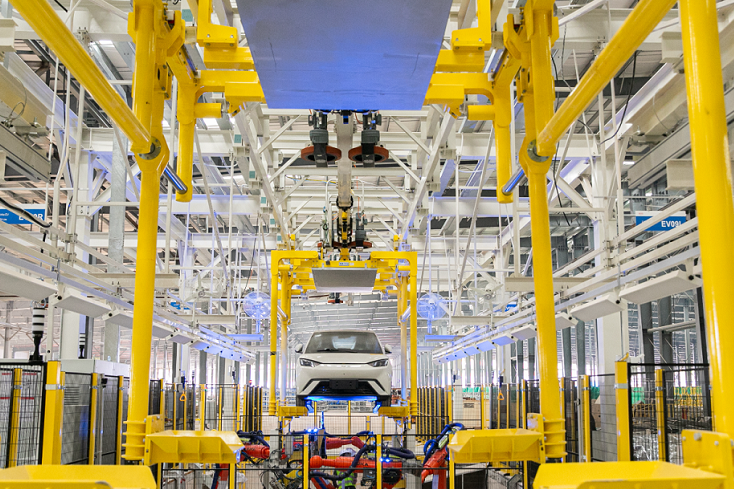
As a highly representative emerging market country in the world, Brazil possesses high-quality agricultural and mineral resources and advanced scientific and technological innovation industries, but has been hovering between industrialization and deindustrialization for a century, deeply trapped in the middle-income trap. From the passive development of early single resource exports, to debt driven economic takeoff, and then to the severe blow of hyperinflation, Brazil has now restarted its re industrialization strategy. Its century long economic struggle has provided important references for the development of emerging economies worldwide and the overseas layout of Chinese enterprises.
Resource constrained development
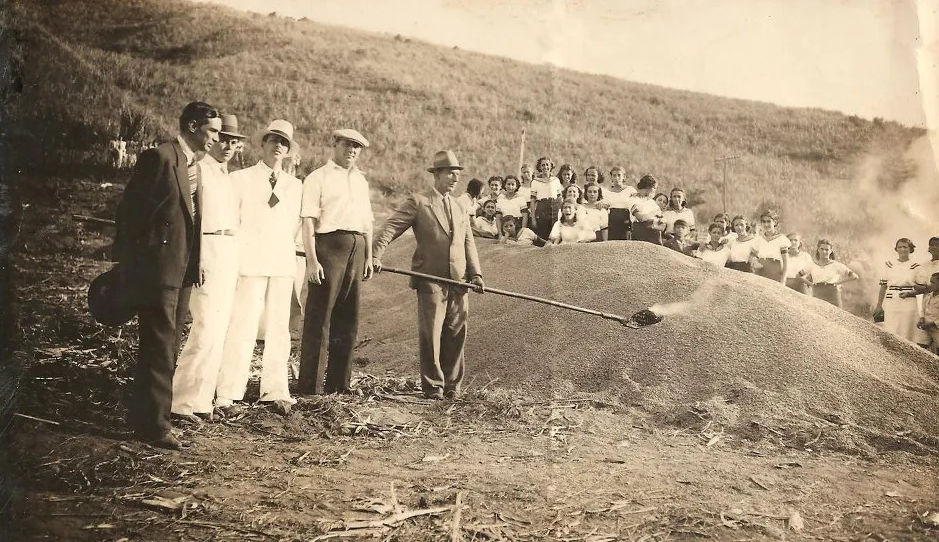
From the early 20th century to 1930, Brazil relied on its superior natural conditions and rooted itself in the global primary product trading system, with its economy highly dependent on exports of coffee and rubber. In the 1920s, Brazil's coffee supply accounted for 70% of the world's total, and its export revenue remained stable at over 70% of the country's total export value. Coffee oligarchs were even able to intervene in national policies and promote the government to introduce early commodity price intervention mechanisms. The single resource economic structure is extremely fragile. After the outbreak of the Great Depression in 1929, international coffee prices plummeted by more than 60% for several months. Brazil's foreign exchange reserves were depleted and its external debt was high, forcing the government to destroy a large number of coffee beans to rescue the market. This crisis completely breaks the pattern of resource dependence and promotes the development consensus of building a local industrial system in Brazil.
Industrial start-up load
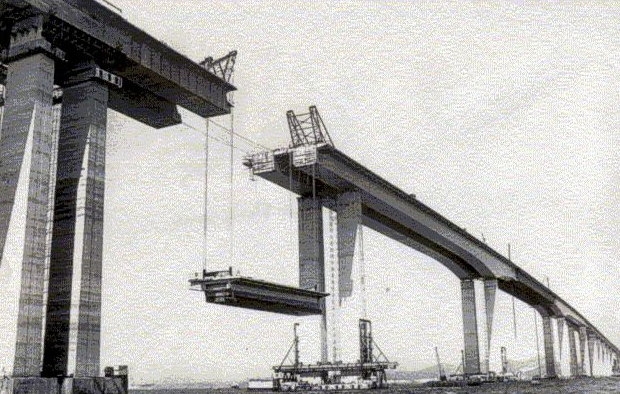
After Vargas came to power in 1930, Brazil implemented an import substitution industrialization strategy, protecting local industries through tariff barriers and foreign exchange controls, cultivating core state-owned enterprises such as the National Steel Corporation and Vale, and completing the primitive accumulation of heavy industry. The industrial gene of trade protection has continued to this day. The Comprehensive Labor Law, enacted in 1943, established multiple comprehensive labor protection systems to effectively safeguard people's livelihood rights and interests. However, it also significantly increased the labor costs of enterprises. For every unit of salary paid by enterprises, they had to bear implicit expenses such as social security and vacation, forming a long-term development cost for Brazil and laying a burden for subsequent economic development.
Hidden dangers during takeoff and landing
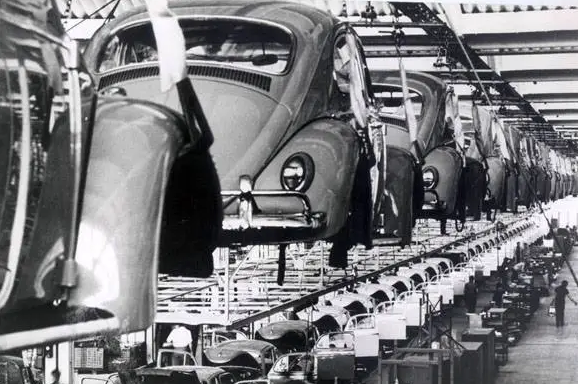
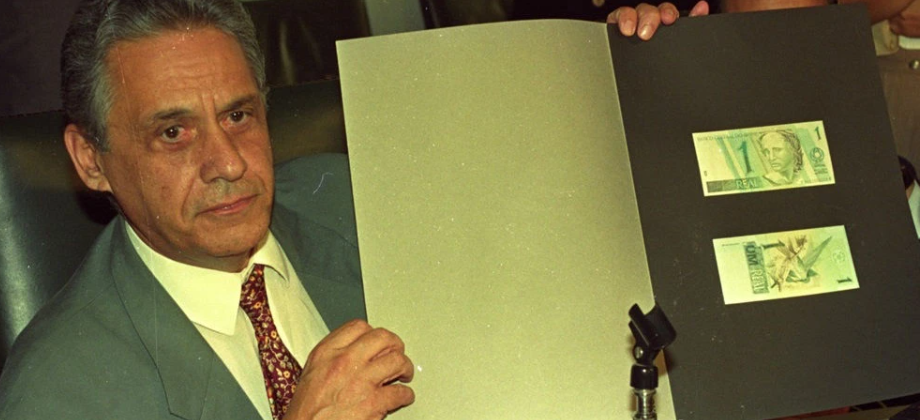
Since 1956, Brazil has embarked on a radical industrialization exploration, relying on industrial support policies to attract European and American car companies to settle down, building a complete automotive industry chain, and continuously promoting inland development and infrastructure landing. From 1968 to 1973, Brazil's GDP grew at an average annual rate of over 11%, creating a Brazilian economic miracle. The rapid development relies on cheap overseas debt and imported oil, and the dual external dependence poses a hidden risk of collapse. After the skyrocketing oil prices and aggressive interest rate hikes by the United States in the 1970s, Brazil's foreign debt interest rates soared and foreign exchange dried up. The government's excessive issuance of currency triggered vicious inflation, with the inflation rate reaching 1764% in 1989 and rising to 2477% in 1993. The 1980s became the decade Brazil's economy lost. The implementation of the Real Plan in 1994 put an end to the long-term inflationary chaos and stabilized the macro economy.
Transformation and welcoming opportunities
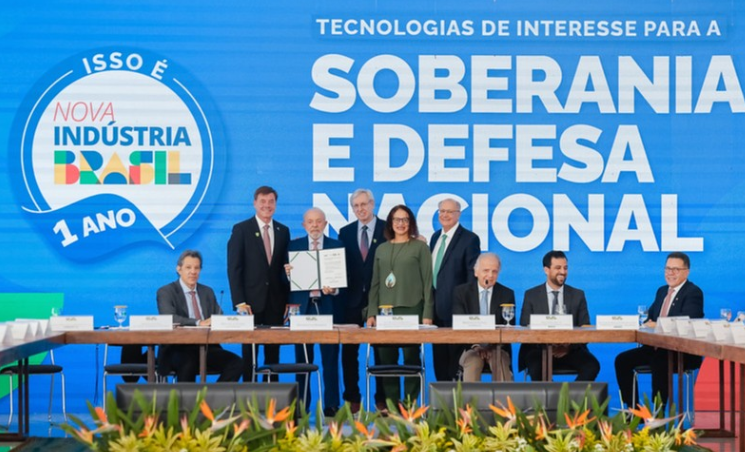
In the 21st century commodity super cycle, Brazil has accumulated huge foreign exchange through agricultural and mineral exports, achieved significant poverty alleviation results, and the new middle class has risen rapidly. However, the overvaluation of the local currency exchange rate and the high comprehensive business costs have led to a sharp decline in the competitiveness of the local manufacturing industry. The proportion of manufacturing GDP has decreased from 17% in 2004 to less than 12% in 2014, returning to a resource-based economy. The 2014 commodity cycle came to an end, compounded by a political crisis, resulting in Brazil's GDP shrinking by over 3% for two consecutive years from 2015 to 2016. In 2024, the Lula government will launch a new industrial plan, investing 300 billion Brazilian reals to support industries, focusing on areas such as green energy and digital economy. Keywords: Brazil's century old economy, Brazil's reindustrialization
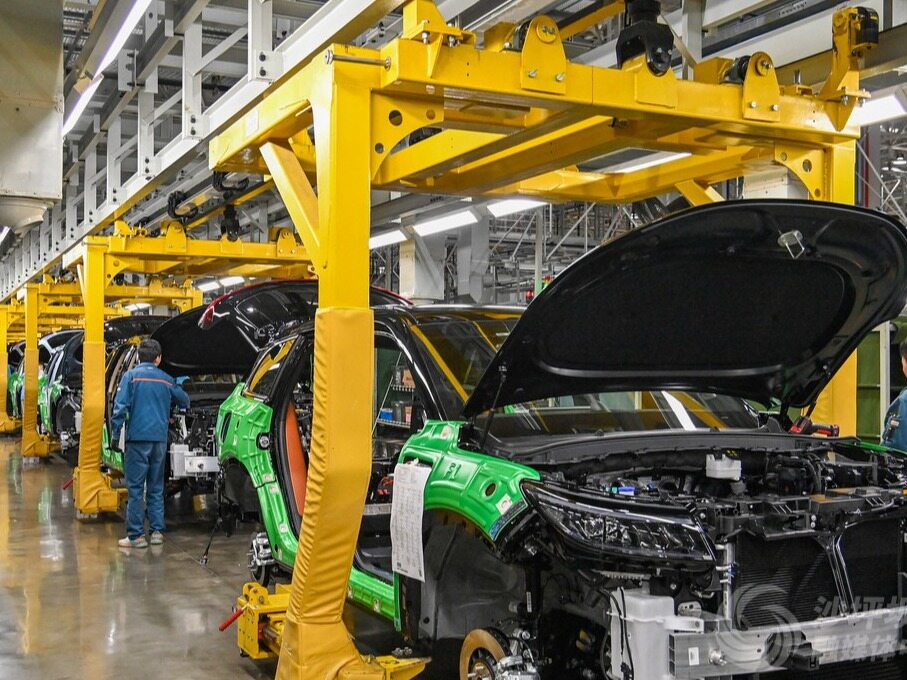
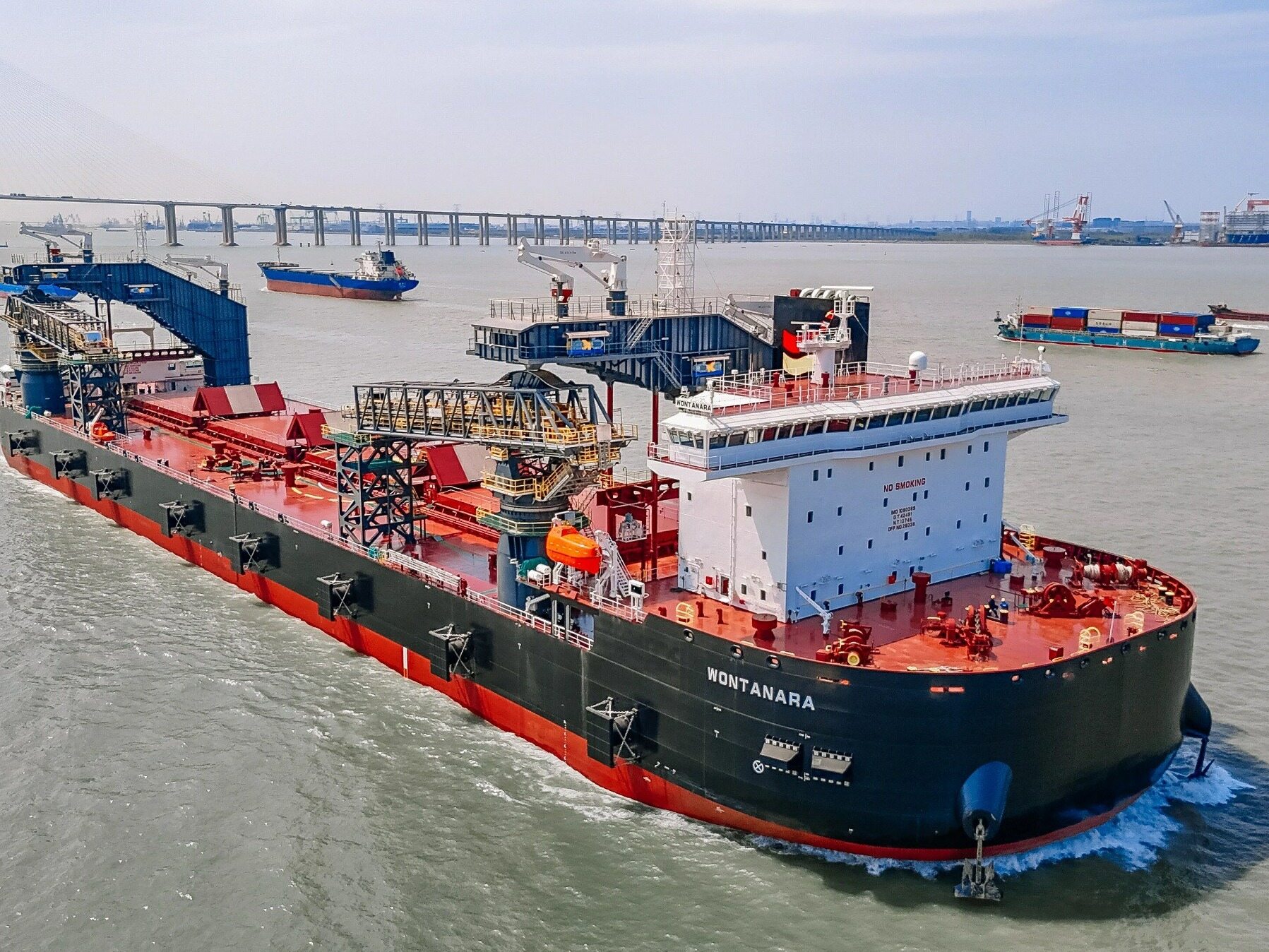
Nowadays, China Pakistan economic and trade continue to deepen, and Chinese enterprises are deeply involved in the restructuring of Brazil's industrial chain, becoming an important driving force for its re industrialization.Editor/Min Jing
Comment


 Praise
 Collect
 Comment

 Share
Share


Write something~