 Search


- The traditional construction cycle of 18 to 24 months for data centers can no longer keep up with the pace

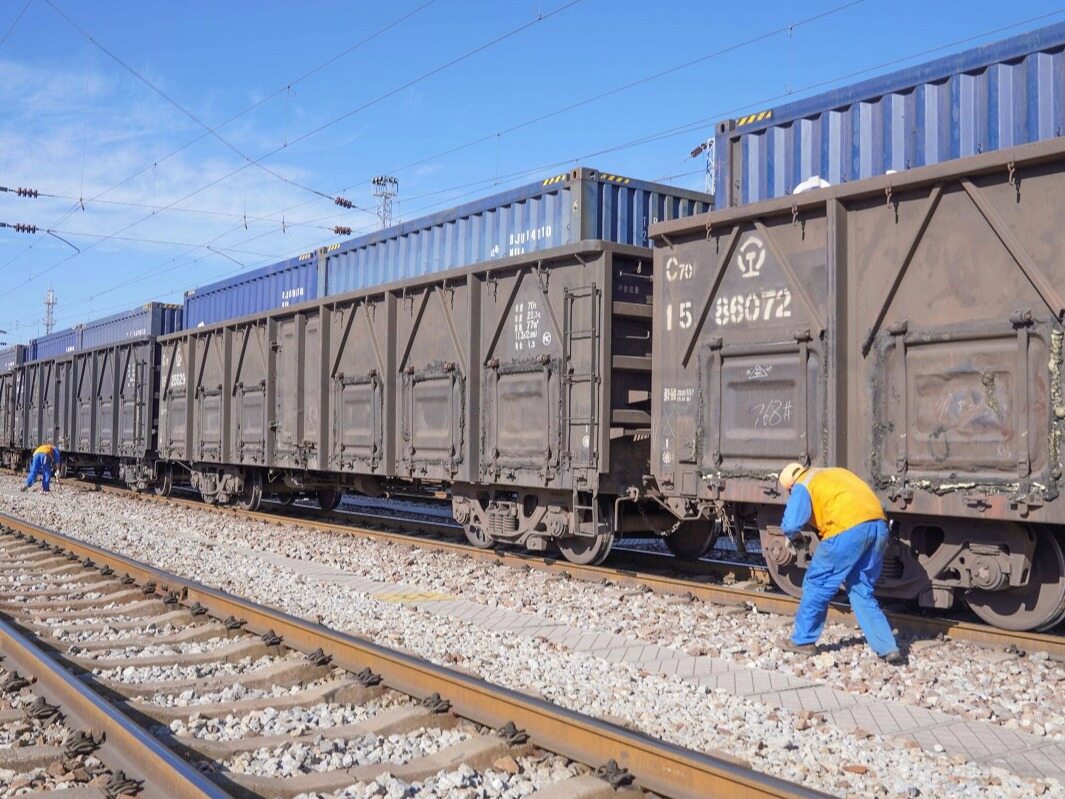
A data center covering 240000 square meters was built in Johor, Malaysia in less than 10 months. This is not the traditional pouring of steel and cement on construction sites, but the mass removal of prefabricated modules from Chinese factory assembly lines, like building Lego, loading data centers into containers, and crossing sea freight to the destination for assembly. In the first half of 2026, the total export value of prefabricated buildings in China reached 2.79 billion US dollars, a year-on-year increase of 45%. Data centers have become a key increment in this wave of modular overseas expansion.
When the computing power competition turns into a supply chain competition
The global data center is undergoing a transformation in construction mode. JLL predicts that the total global data center capacity will increase from 103GW to 200GW by 2030, nearly doubling the growth rate. But the speed of technological iteration in the AI era makes the traditional construction cycle of 18 to 24 months appear long and cumbersome. Prefabricated modular data centers provide a new path: over 90% of structural construction, mechanical and electrical installation, and interior decoration are completed in domestic factories, with only on-site splicing required.

CIMC's Malaysia 2312 data center project is the standard answer to this model. This 60MW prefabricated modular data center has an overall construction period of less than 10 months, which is nearly half the time compared to traditional methods. Huawei's data center in Luanda, Angola also adopts a prefabricated modular solution, with 6225 square meters and 208 cabinets, which only took 10 months from construction to operation. As of now, CIMC has provided services for computing power projects with a total scale of over 300MW in the fields of AI and cloud computing. The cumulative installed capacity of module prefabricated data centers delivered exceeds 1000MW, and the customer base extends from Southeast Asia to the Middle East and Italy.
The deterministic advantage of prefabricated modules
The core competitiveness of modular data centers lies in certainty. Traditional civil engineering is subject to weather, worker skills, and on-site management, and the schedule and quality are full of variables. Modular construction transforms uncontrollable on-site construction into controllable factory assembly lines, with manufacturing accuracy controlled at the millimeter level. The main assembly rate of the building can reach over 90%, reducing on-site labor by 70% and building waste by over 75%.
The white paper released by Schneider Electric points out that by using prefabricated modular methods to build data centers, deployment time can be shortened from the industry standard of 2 to 3 years to less than 10 months, and total cost of ownership can be saved by up to 30%. In Yaound é, Cameroon, CIMC's first modular construction project in the Central African region has been officially shipped, and China's modular construction capabilities have taken root in the African market.

Dual advantages of cost and financing
From a financial perspective, although modular data centers have relatively high initial capital expenditures, rapid deployment can generate revenue 12 to 18 months in advance, which is usually sufficient to offset the higher initial costs. Factory prefabrication can reduce labor by 60% to 70%, saving approximately $2 million to $3 million in a typical 4MW project.
More importantly, the modular data center project has gained significant financing advantages. Due to the shortened construction period and factory quality control, banks tend to offer more favorable loan conditions. The financing interest rate obtained by digital infrastructure partner companies for modular projects is 3.2%, while the financing interest rate for traditional data center projects is 4.1%. In a $100 million project, 10-year financing can save $8 million. When computing power becomes the hard currency of AI competition, modular solutions that can compress the construction cycle from year to month are becoming the mainstream choice for global data center construction.Editor/Cheng Liting
Comment





 Praise
 Collect
 Comment

 Share
Share


Write something~