 Search


- When the railway lines in Kazakhstan transport containers from the eastern border to the west, they are no longer just passing by
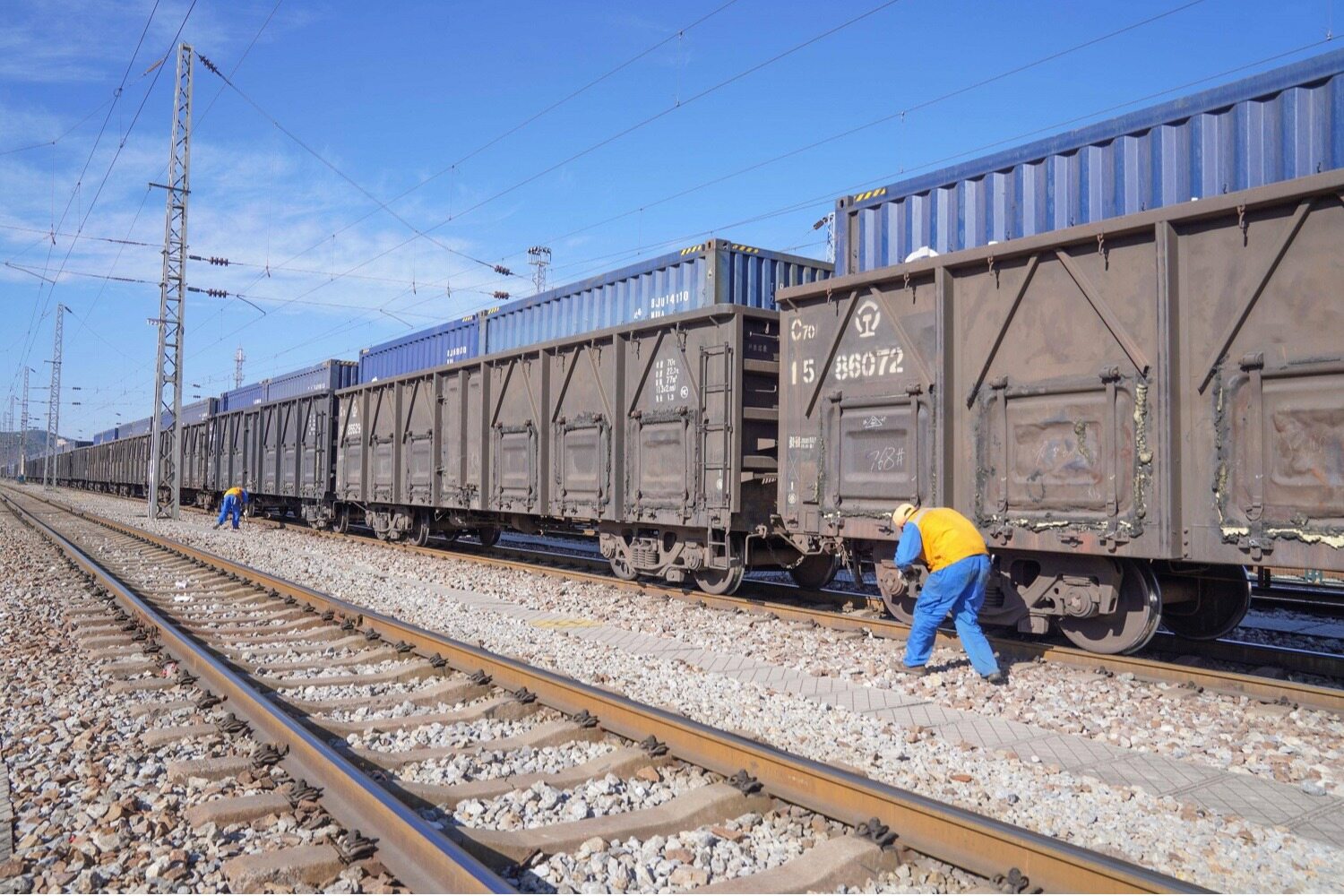
In the past, the transportation logic in Kazakhstan was to transport goods from China to Russia, the Caspian Sea, or Europe - incurring railway and port fees, and then leaving.
Now, the first phase of the Aktau Port container hub will be officially put into operation on July 14, 2026, and the freight volume across the Caspian Sea corridor will soar from 800000 tons to 4.5 million tons. By 2025, the trade volume between Kazakhstan and Russia will reach 28 billion US dollars. The commercial significance of these data is that transit itself is becoming insufficient.
Two jumps from the channel to the industrial corridor
The first jump is a leap in cargo volume. By 2025, the railway freight volume in Kazakhstan will reach 466.7 million tons, an increase of 6.8%; The sea freight volume increased by 42%. The opening of the Trans Caspian Sea route and the second line of the Dostyk Moint railway laid the foundation for channel expansion.
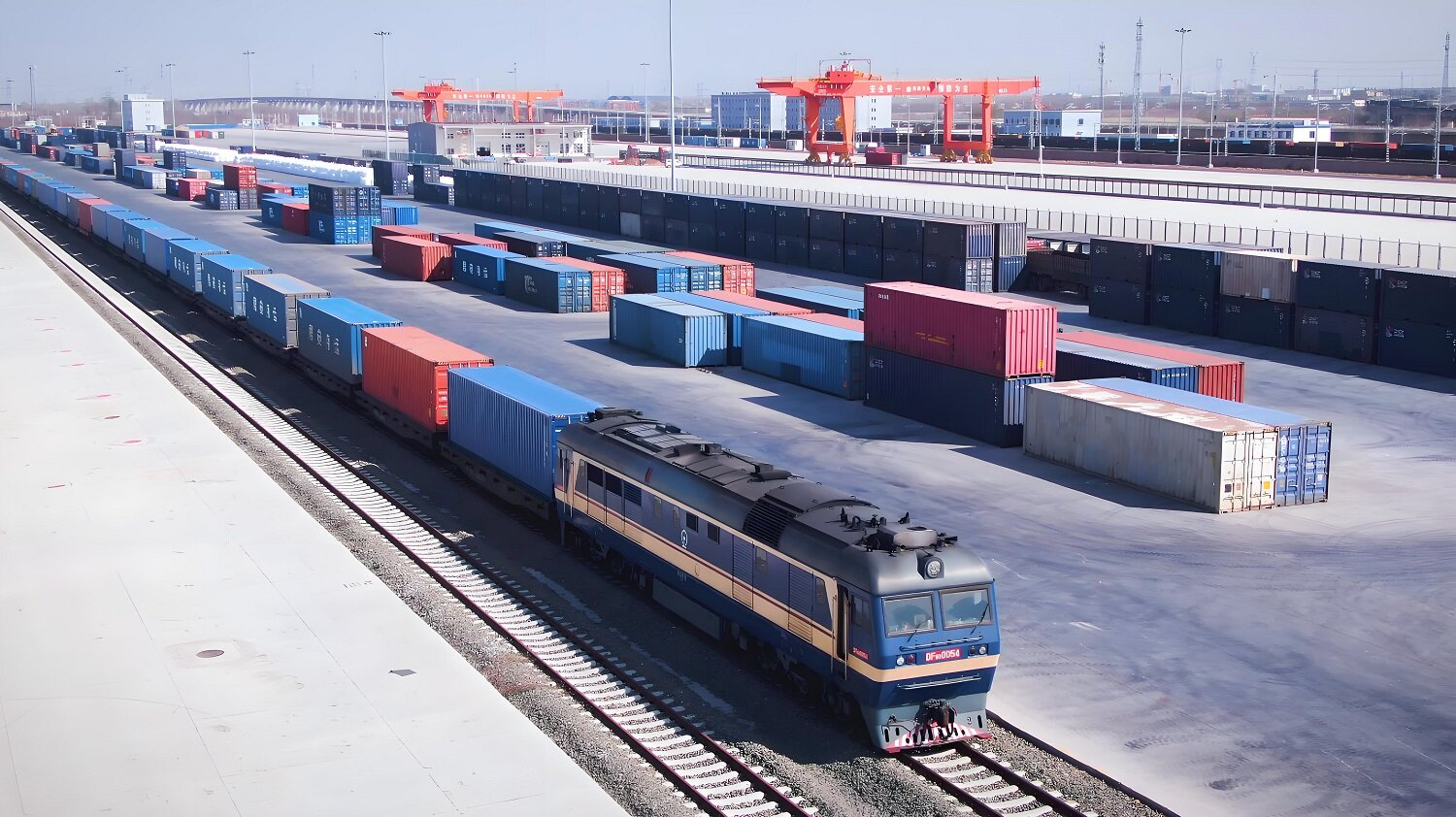
The second leap is the transformation of modes - transforming transit transportation into warehousing, processing, maintenance, and digital services. The container hub, bonded warehouses, and cold chain facilities around Aktau Port are forming the starting point of this transformation chain.
The digital corridor reduces transaction costs
The core of the digital transportation corridor proposed at the 22nd Cross Regional Cooperation Forum between Kazakhstan and Russia is not to develop an application, but to enable customs, railway, and freight enterprises to share unified data.
Kazakhstan has launched the Smart Cargo platform, which integrates 30 government services, but the railway industry still has over 250 information systems. If the data standards are not unified, enterprises still need to fill in duplicate files. The real value of digitization is to reduce uncertainty - stable transportation time is often more valuable than the theoretical minimum price.
The positional advantage in supply chain restructuring is being realized
Russia is facing external sanctions and logistics restructuring, and European companies are reassessing the Eurasian supply chain - Kazakhstan is located in a network formed by the intersection of multiple corridors. By 2025, the output value of transportation and logistics will reach 12.2 trillion tenge, and the cumulative investment in China has exceeded 30.7 billion US dollars.
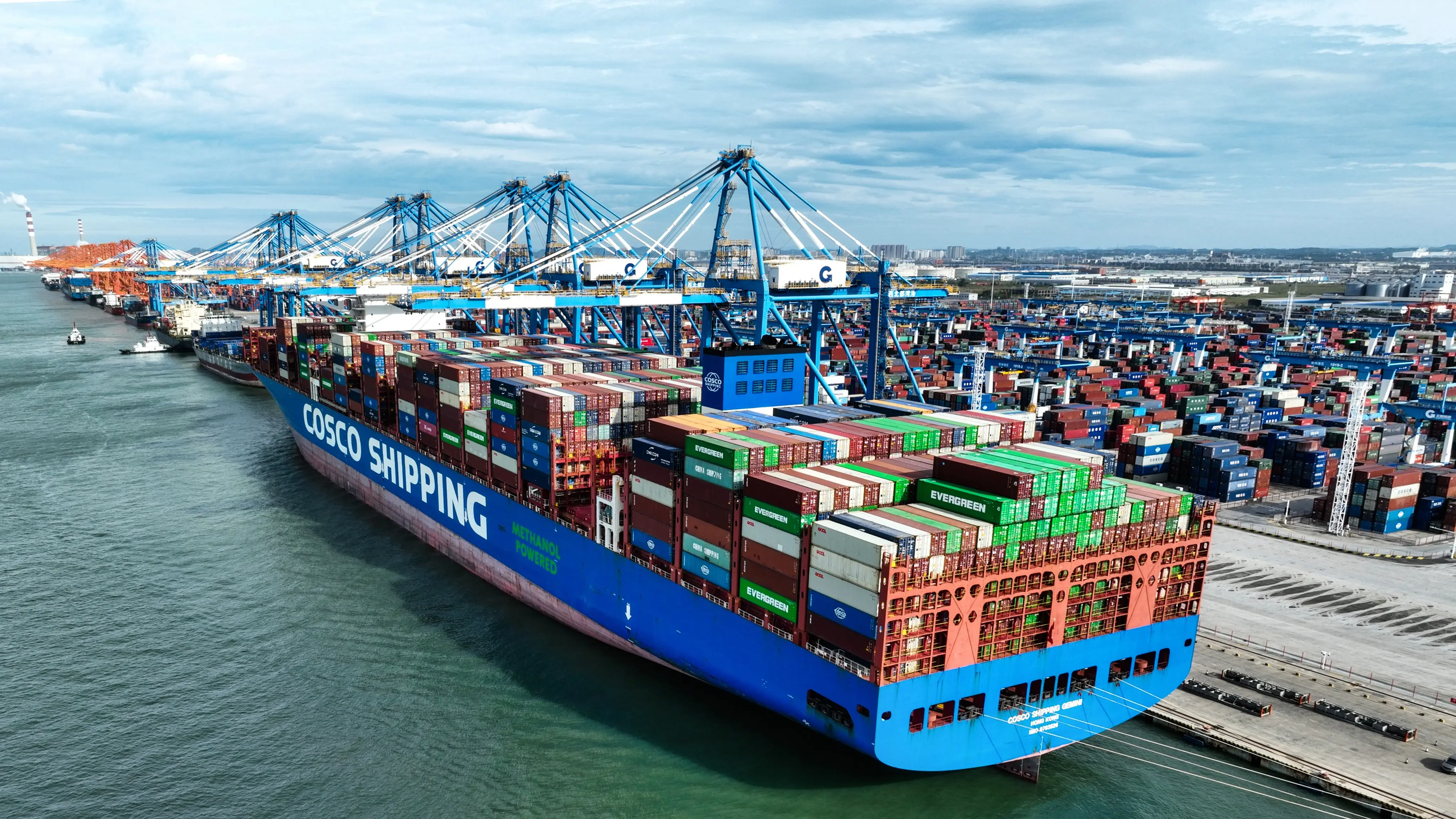
For Chinese enterprises, opportunities are not only limited to contracting railway projects, but also include equipment supply, spare parts warehousing, cross-border distribution, and processing and assembly along the corridor. Keeping logistics services, processing activities, and technology platforms within the country, rather than just allowing goods to pass through - this is the true meaning of transforming geographical location into an economy.Editor/Cheng Liting
Comment




 Praise
 Collect
 Comment

 Share
Share


Write something~