 Search


- AI reconstructs the form of automotive products and opens up a new development cycle for the industry
- Dual wheel drive of computing power and data, laying a solid foundation for the development of intelligent vehicles
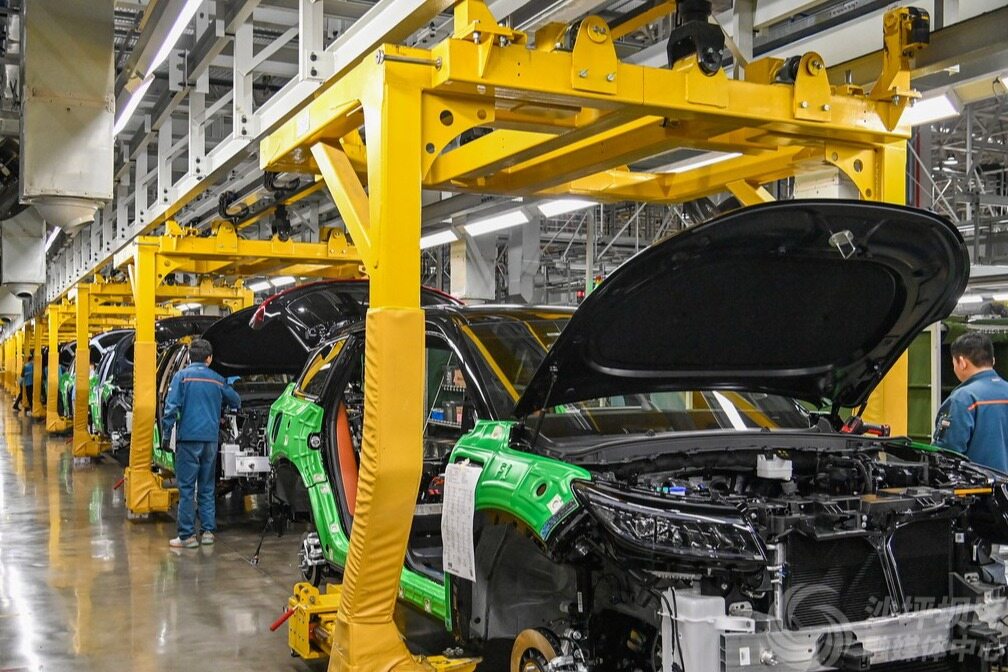
The bouncing under the hood is no longer just the piston and motor, but a ball of computing power that can think. As the wheels learn to perceive, judge, and converse, the foundation of the century old automotive industry is being rewritten - from steel machinery to mobile intelligent agents, an industry reassessment of what cars are is inevitable.
From electromechanical products to computing power terminals
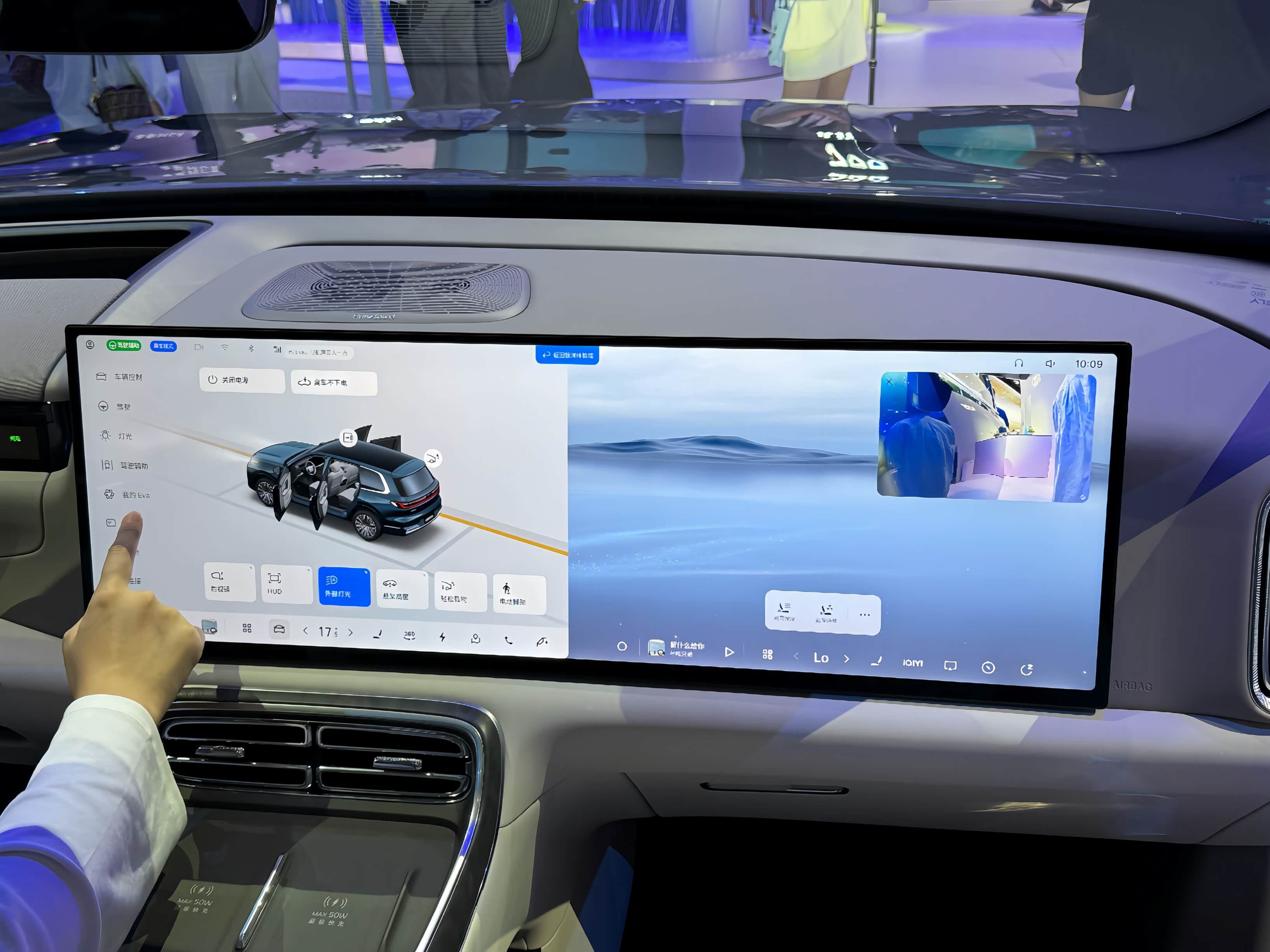
Cars are transforming from means of transportation to operating systems equipped with large models. The focus of industry competition has shifted from chassis technology to a comprehensive game of computing power, data, and ecology. Unlike the traditional intelligent approach of building cars first and then adding AI, AI cars follow a new paradigm of AI defining cars, which is to reverse define hardware architecture based on AI capabilities. Its core lies in advanced autonomous driving and multimodal interaction, allowing vehicles to evolve from passive tools that execute commands to autonomous companions with autonomous evolution capabilities.
The growing pains of the new three electricity system
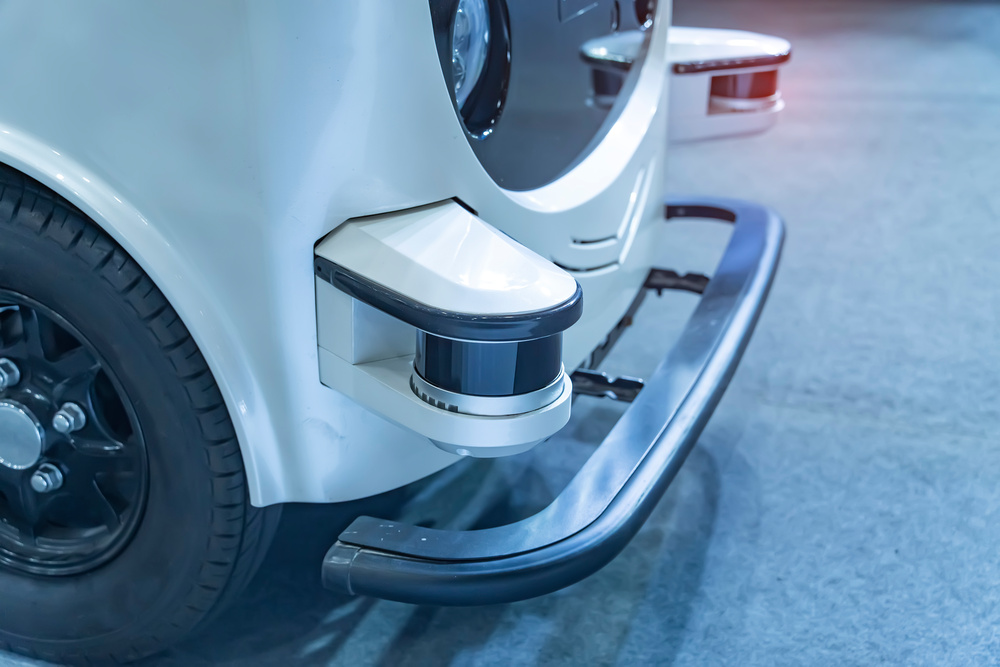
Although new energy vehicles have established a mature three electric system, the implementation of AI vehicles faces more complex challenges. The current industry is in the early stage of the transition from old to new: although there have been breakthroughs in computing power chips as the brain, the cost of high computing power remains high; The central computing architecture as a neural system has not yet been widely adopted; The fusion standards for sensory sensors vary. This means that the core value chain of AI cars has shifted from the physical level of the three electric components to the digital level of the new three electric components - intelligent driving chips, AI algorithms, and data loops. The pressure points for the industry chain to be independently controllable have already been transferred. Keywords: computing power, data loop, new energy vehicles
Ecological collaboration and data closure
The ultimate barrier to the AI race lies in ecology. The proportion of software and algorithms in the overall value of vehicles will continue to rise, and the voice of traditional component manufacturers will weaken accordingly. The competition in the future is no longer a solo show of a single car company, but an ecological army battle covering chips, energy, and cloud services. Only by opening up the closed loop of data collection model training OTA upgrade, making vehicles smarter as they are used, while maintaining the safety bottom line, can we truly run the ultimate form of vehicle manufacturing logic in the second half of intelligent and electric succession.Editor/Gong Ziwei
Comment





 Praise
 Collect
 Comment

 Share
Share


Write something~