 Search


- Clarify the pace of investment attraction and significantly release investment dividends
- Southeast Asian nuclear power reaches a turning point, with Philippine project landing first
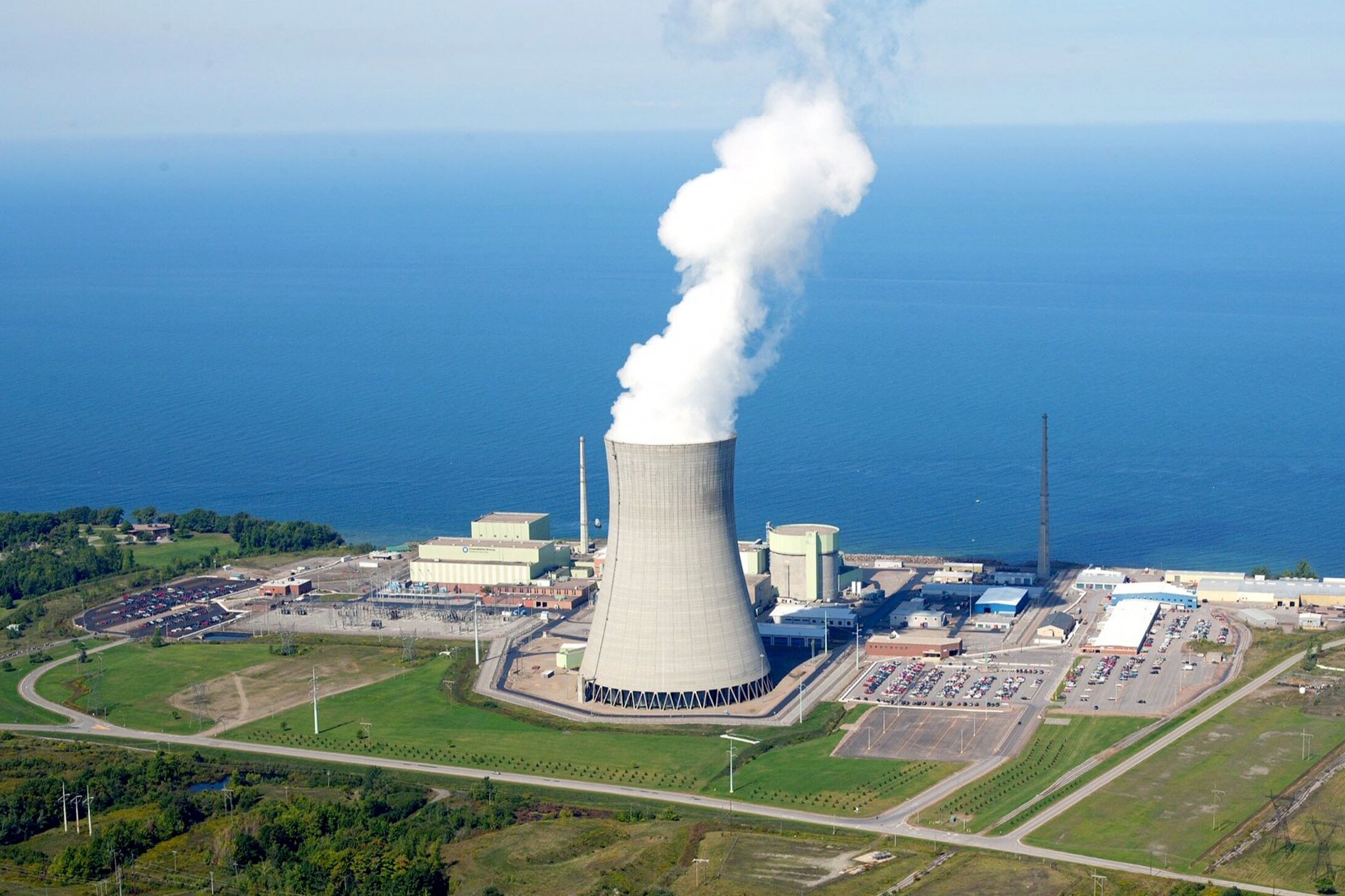
Tropical sea breeze brushes over the coast of Luzon Bay, quietly opening up the long dormant narrative of Southeast Asian nuclear power. When the scale of the site survey meets the red line of the International Atomic Energy Agency, the Philippines is pushing its first commercial nuclear power unit from the blueprint to the center of the ASEAN energy map, and the echoes of the base load power supply are gradually rising.
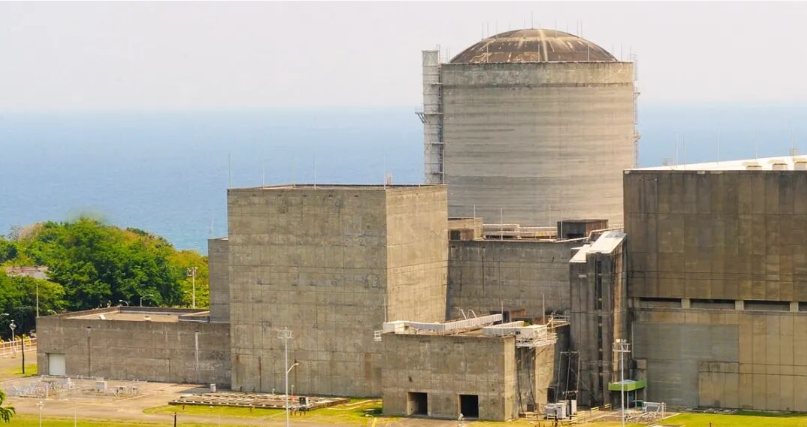
The Southeast Asian nuclear power market has been dormant for a long time, but now it has seen a substantial breakthrough. The Philippines has officially accelerated the promotion of its first commercial nuclear power project, with two core tasks of site selection and bidding rule formulation, marking the transition of its nuclear power development from the planning stage to a fully operational cycle that can be tendered and implemented. As one of the few nuclear power new projects in Southeast Asia with clear timelines and bidding mechanisms, it may reshape the regional energy landscape.
Benchmarking international strict site selection
To ensure the safe implementation of the project, the Philippine Department of Energy, in conjunction with the International Atomic Energy Agency, conducted a comprehensive safety assessment of candidate plant sites. Focus on investigating natural risks such as earthquakes, volcanoes, and floods, and assess construction conditions such as population evacuation, power grid access, and water resource support. The Philippine side adheres to international nuclear safety standards throughout the process, prioritizing the selection of high safety and high adaptability land parcels to lay a solid safety foundation for project construction and long-term operation.
Clarify the timing of opening up and attracting investment
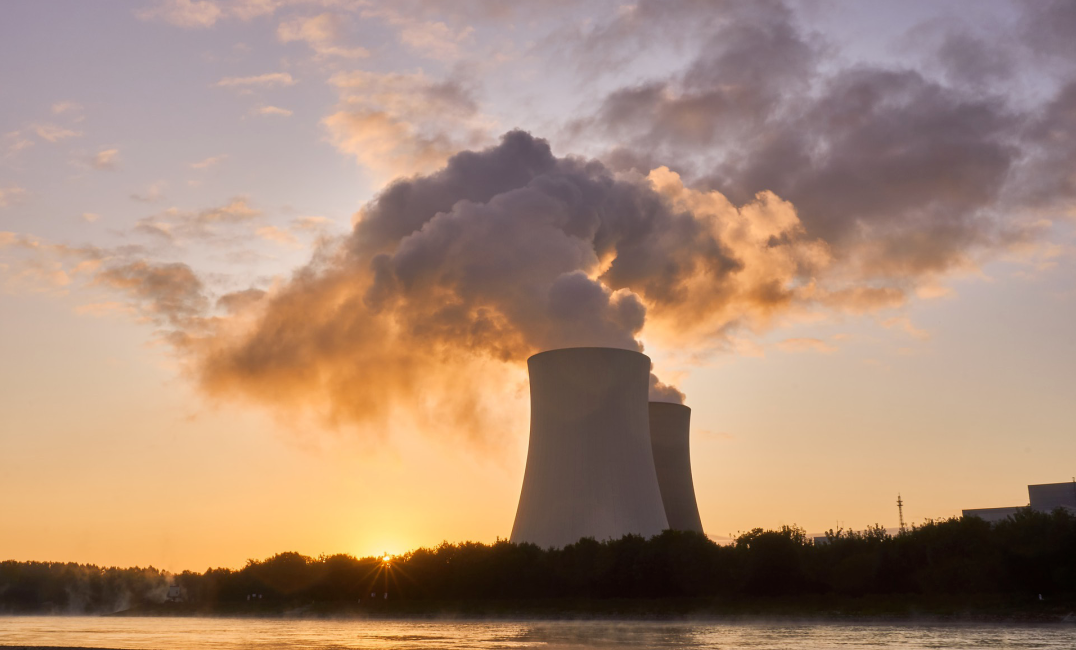
The Philippines has finalized the bidding rules for nuclear power and established a clear framework for foreign investment access. The key milestones of the project are fully defined: the first round of nuclear power bidding will be launched in mid-2027, the development subject will be determined by the end of the year, and the commercial operation of the units will be achieved from 2035 to 2038. At the same time, multiple benefits are provided: the winning bidder can receive government sovereign guarantees, with a maximum equity participation of 10% from state-owned funds, and establish a coordinated mechanism for nuclear power, energy storage, and new energy to stabilize the operation of the power grid.
Improve supervision and fill in the gaps
Based on the National Nuclear Safety Act that will come into effect in 2025, the Philippines has established a complete regulatory system for nuclear power. PhilATOM, the Independent Atomic Energy Regulatory Authority, has officially taken office to achieve closed-loop management of the entire lifecycle of nuclear power, filling the gaps in the industry that previously lacked regulations and dedicated supervision. The development of nuclear power in the Philippines aims to solve power shortages, stabilize electricity prices, reduce dependence on fossil fuels, and stabilize the base load power supply to support economic development. Keywords:Foreign construction news network,Southeast Asia engineering information network,Overseas engineering construction,Foreign engineering construction news
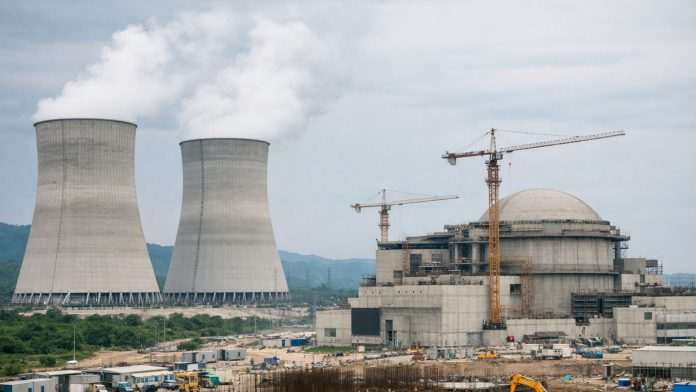
At present, the Philippines has connected with multiple nuclear power companies to promote the landing demonstration of large-scale units and SMR modular reactor types. With the synchronous improvement of site selection, bidding, and regulatory system, the country's nuclear power projects will become a benchmark for the market-oriented landing of nuclear power in Southeast Asia, further driving the regional investment boom in clean energy and nuclear power.Editor/Gong Ziwei
Comment




 Praise
 Collect
 Comment

 Share
Share


Write something~