 Search


- The project drives the growth of local talents and achieves mutually beneficial and win-win development for all parties involved
- Carry out multiple rounds of technical experiments, and output power construction plans that can be referenced from overseas
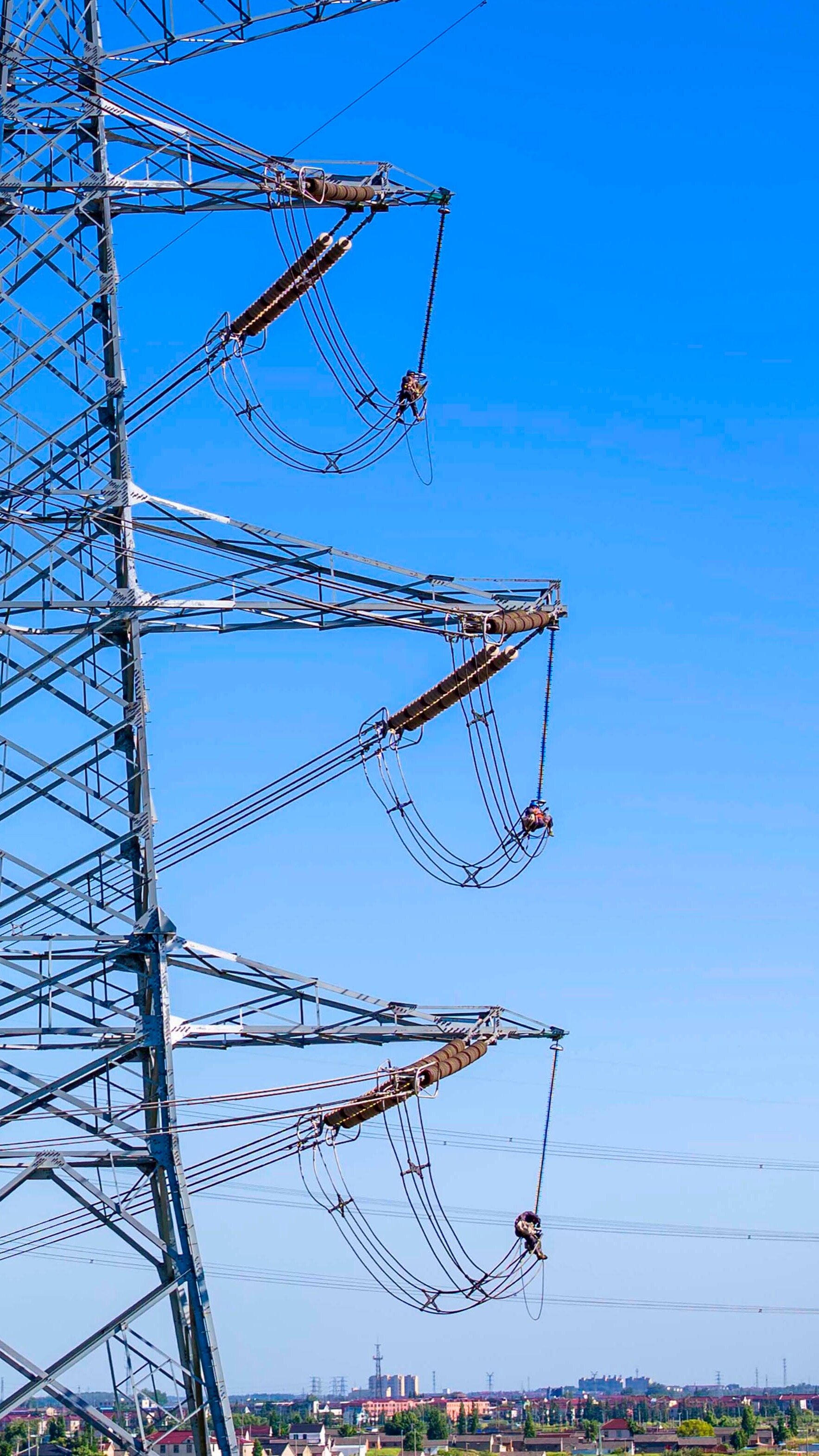
As the scorching noon sun in Tashkent scorched the city skyline, a silver grey steel makeshift shelter quietly closed on the substation construction site - without the traditional sprawling framework of a power station, only a compact and enclosed GIS body. From the workshops on the banks of the Yellow River to the heart of the power grid in Central Asia, China's power equipment is completing a silent energy level transition in a fully enclosed manner.
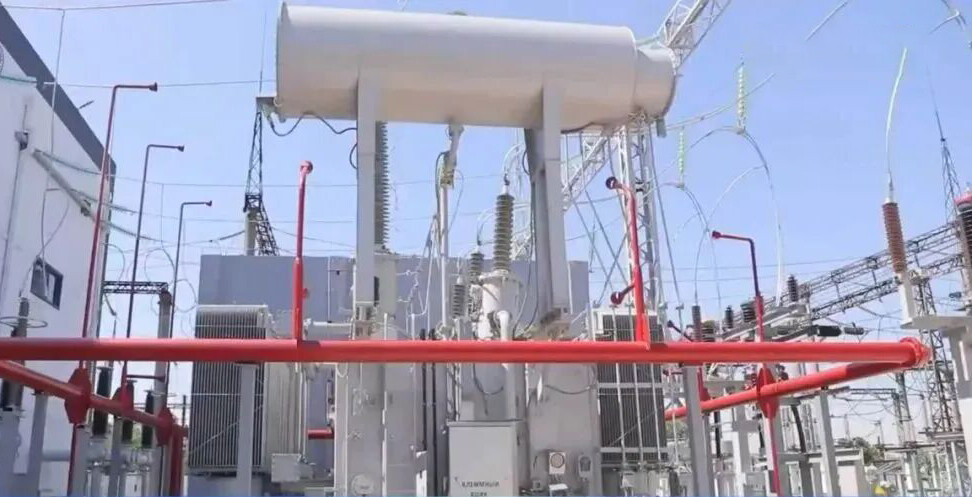
The Yuksak substation in Uzbekistan, constructed by Shandong Electric Power, a subsidiary of China Electric Equipment, is a core and key project for upgrading the local power infrastructure. The project adopts advanced power technology and a high standard construction system. After completion and operation, it will effectively strengthen the power supply capacity of the Tashkent region's power grid, improve the stability of the power system operation, and comprehensively guarantee the local urban construction, industrial production, and residential electricity demand. This project is also the first 220 kV GIS gas insulated fully enclosed composite electrical substation in Uzbekistan, and an important benchmark achievement for China's high-end power equipment and technology to go overseas.
Fill the gap in local construction
As the first GIS substation project in Uzbekistan, Shandong Electrician Electric is fully responsible for the design, supply, installation, commissioning, and operation of the 220 kV, 110 kV, and 35 kV GIS equipment and cable accessories for the project.
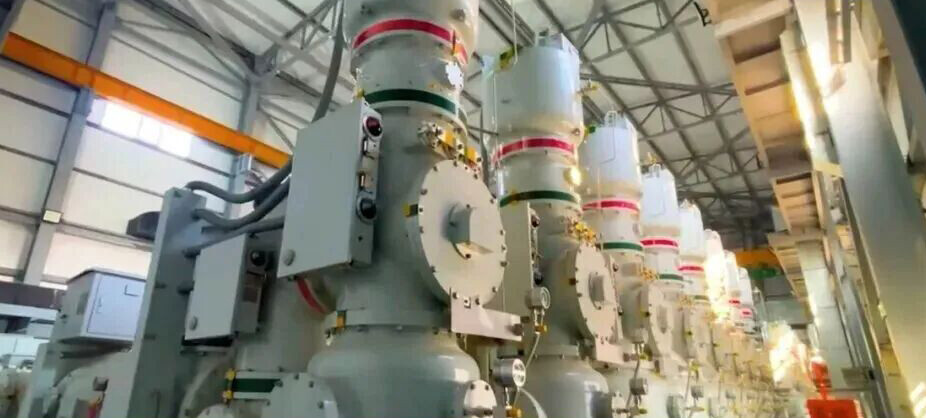
This project fills the gap in the company's overseas GIS project construction performance and confirms its ability to deliver the entire overseas chain from equipment manufacturing to system integration. In response to the dual challenges of the lack of mature construction cases in the local area and differences between IEC and GOST standards, the project team has customized four main transformers, designed and manufactured strictly in accordance with the GOST standards of Ukraine, and benchmarked international standards in all aspects of structure, material selection, process, quality control, and testing to ensure that the equipment is suitable for local working conditions and operates stably and reliably.
Striving to Build a Chinese Solution
After the equipment is installed, high-voltage testing verification becomes the core difficulty of the project. The Chinese team, together with Ukrainian technical personnel, has conducted multiple technical demonstrations and optimized construction plans, polishing a set of GIS high-voltage test overall plans that are suitable for the local power grid system. The project adopts an advanced series resonant high-voltage testing system, with a maximum test voltage of 375 kV. Through a combination of whole station testing and unit segmented testing, the equipment performance, safety indicators, and grid compatibility are comprehensively verified.
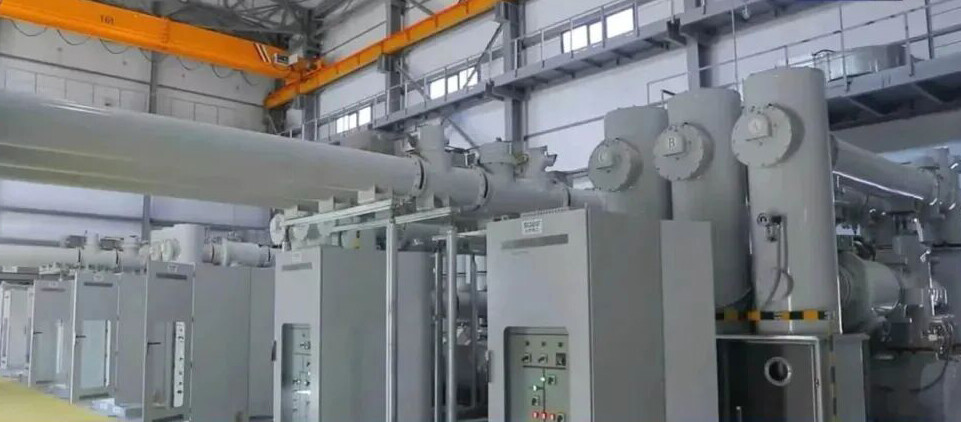
Compared to traditional substations, GIS technology has the advantages of small footprint, high reliability, strong safety, easy operation and maintenance, and wide environmental adaptability. It is suitable for the construction of urban core areas and provides a reusable technical template for the subsequent new energy consumption and power grid iteration and upgrading in Tashkent. The project implements full chain quality control throughout the entire process, and all construction details and test data can be traced. The project team is stationed on site to overcome difficulties and has gained high recognition from the Ukrainian side with their professional strength.
Empowering local long-term development
Relying on project construction, local youth Anton has grown from a Chinese culture enthusiast to the core local coordinator of the project. From zero knowledge of GIS equipment to deep participation in on-site coordination and technical cooperation, he personally experienced the rigorous professionalism and responsibility of the Chinese team. He admitted that he not only learned professional skills, but also acquired standardized work methods and responsibility concepts. Chinese enterprises have brought advanced equipment and new development opportunities to the local area. Keywords: the Belt and Road News, Uzbekistan, GIS substation
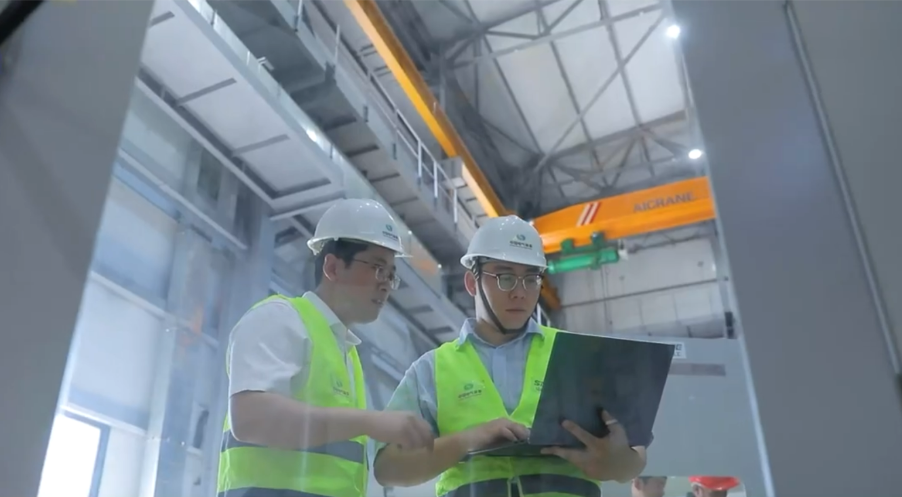
This project has achieved a breakthrough in the development of GIS substations in Uzbekistan from scratch, upgrading from Chinese manufacturing to Chinese solutions, and achieving comprehensive overseas deployment of power equipment, core technologies, and industry standards. It is not only a powerful demonstration of enterprises' overseas competitiveness, but also a vivid practice of deepening practical cooperation along the the Belt and Road and fulfilling the responsibilities of central enterprises, effectively helping local industries upgrade and improve people's livelihood.
Editor/Gong Ziwei
Comment



 Praise
 Collect
 Comment

 Share
Share


Write something~