 Search


- Kenya launches photovoltaic renovation of diesel power plants, saving 1.162 billion Kenyan shillings in annual fuel costs
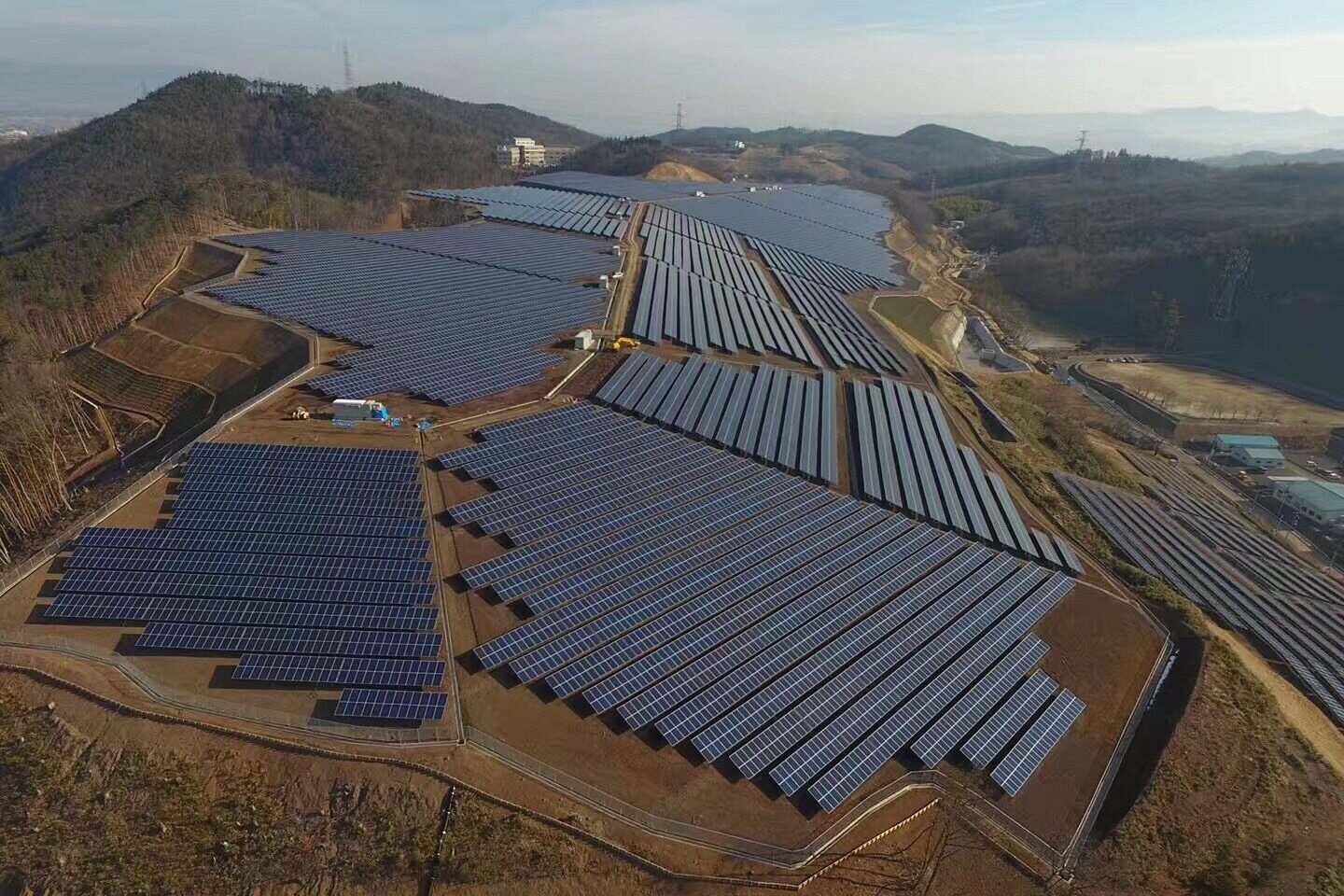
In remote villages along the northern border of Kenya, nighttime lighting was once a luxury item. The roar of diesel generators is a familiar background sound for local residents, and the high electricity bill of 26.9 Kenyan shillings per kilowatt hour has forced many households to light kerosene lamps. But all of this is changing. On July 16, 2026, a photovoltaic renovation plan involving 20 diesel power stations by Kenya Rural Electrification and Renewable Energy Company was officially approved by the Ministry of Finance, and this land is about to usher in the dawn of clean energy.
Economic account for cost reduction and efficiency improvement
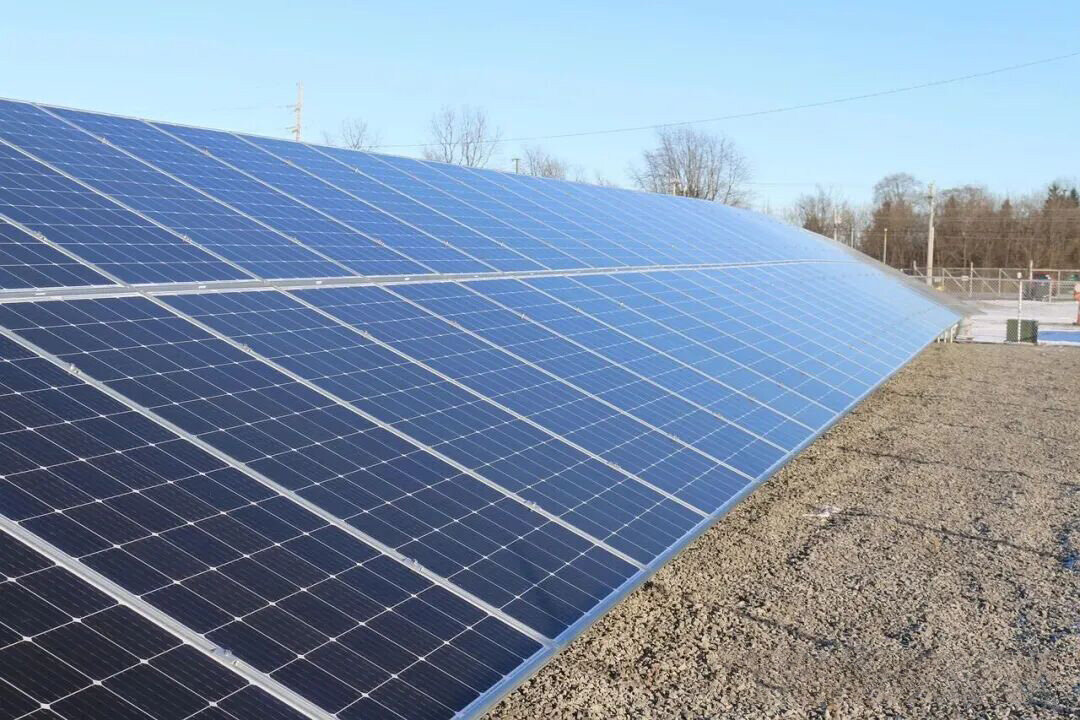
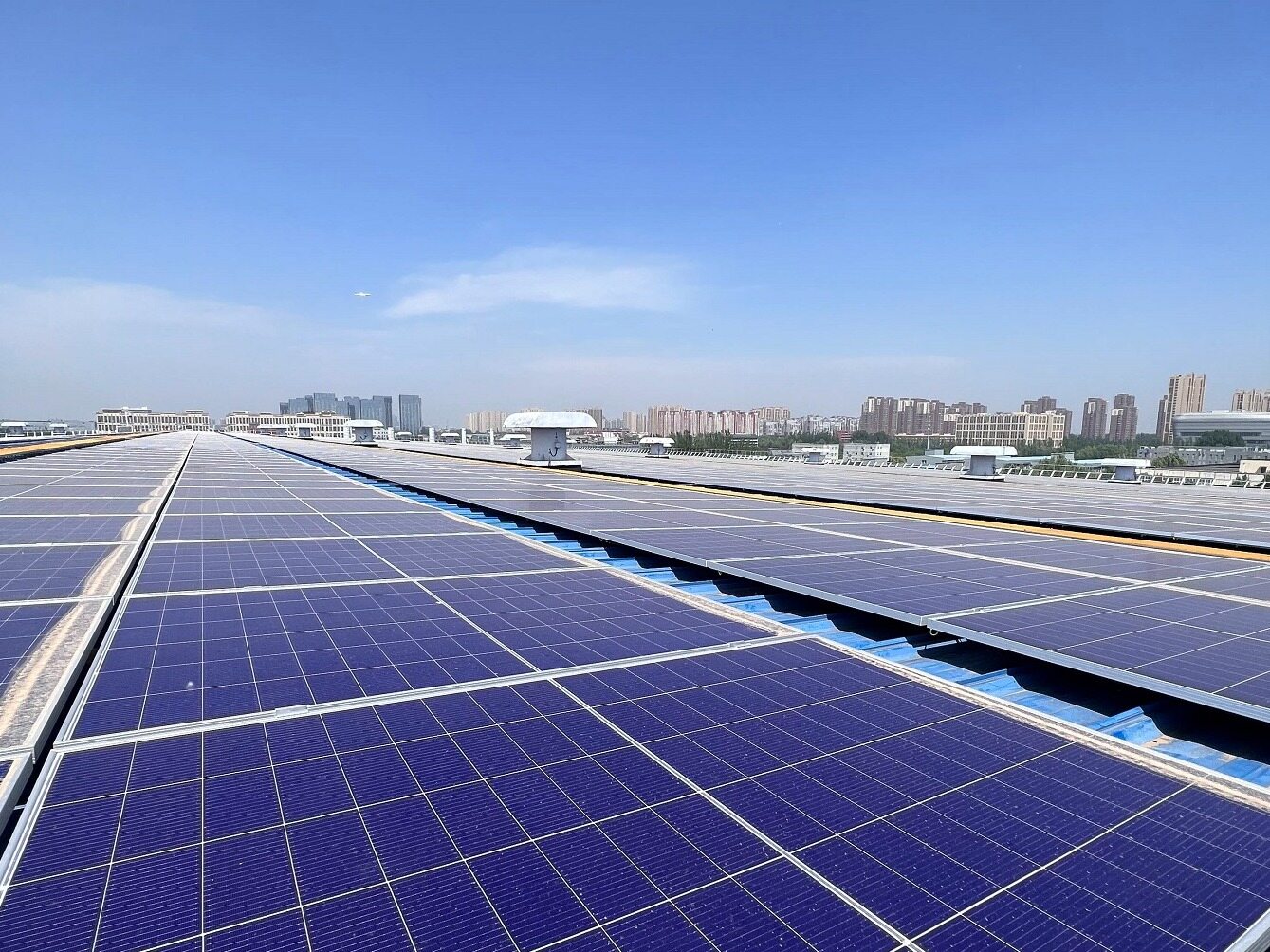
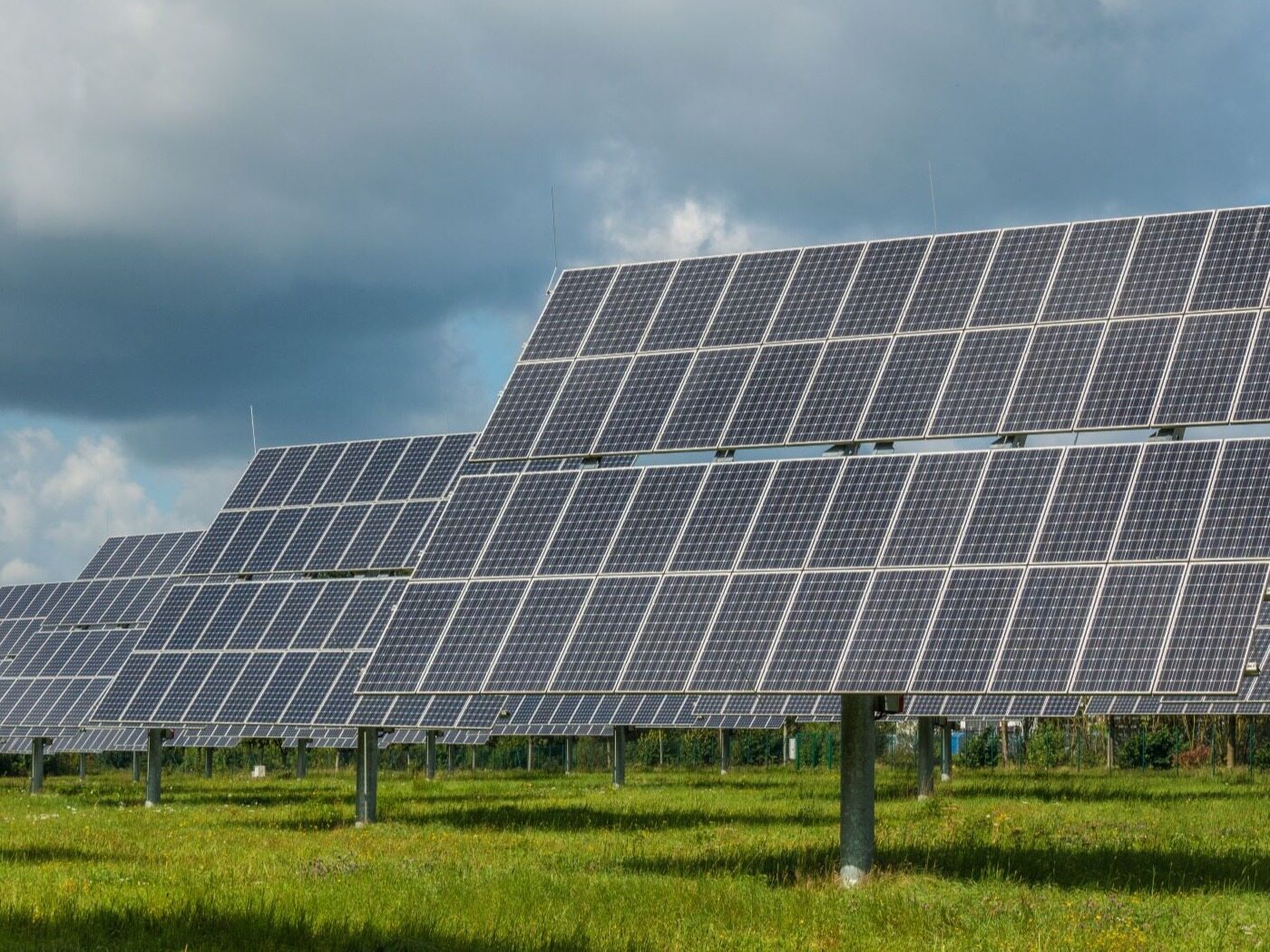
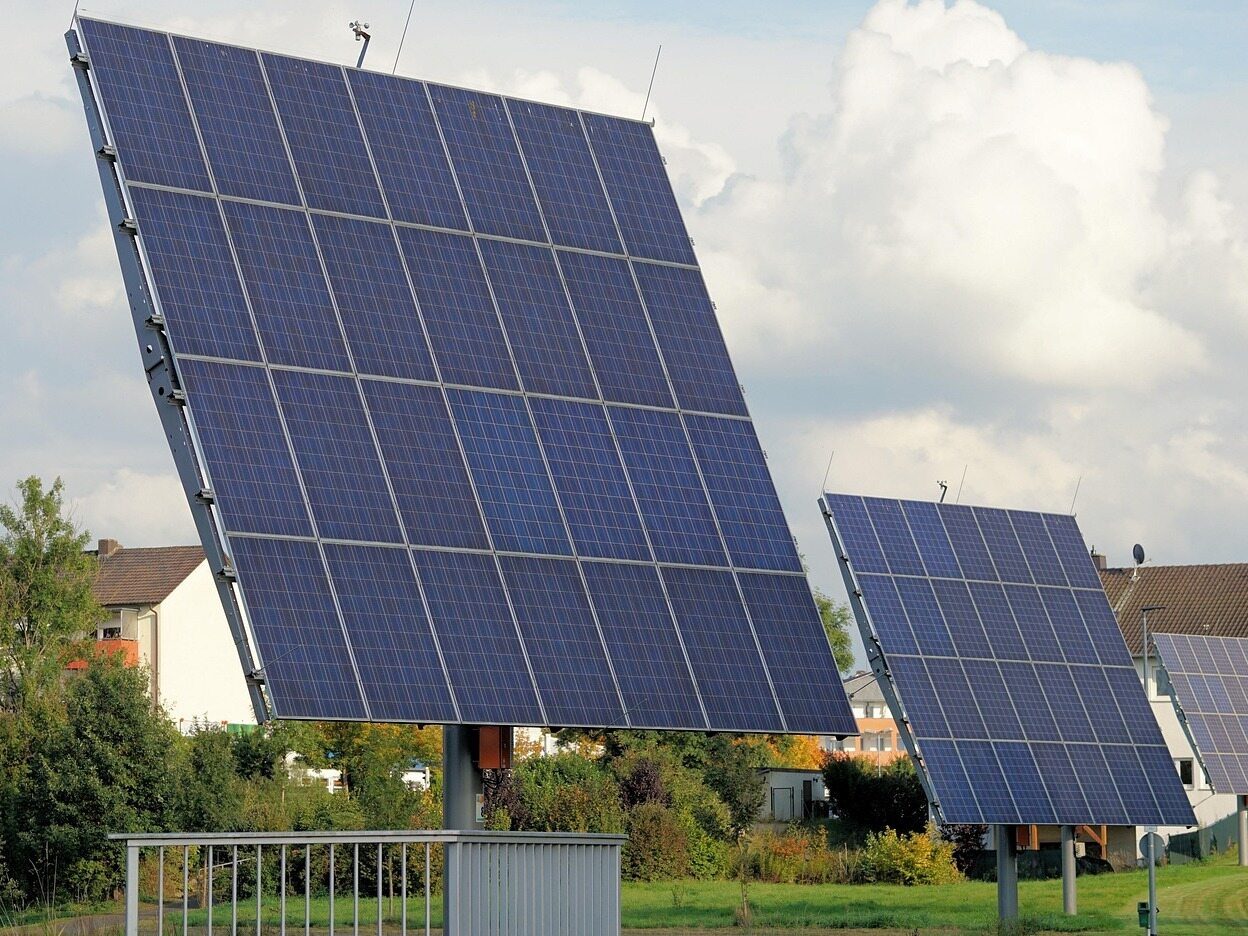
These 20 diesel power stations consume nearly 97 million Kenyan shillings of fuel per month, with an annual cost of 1.162 billion Kenyan shillings. The transportation of fuel in remote areas also involves complex road conditions, climate impacts, and security risks, with actual expenses far exceeding the book figures. The cost of solar power generation is only 11.13 Kenyan shillings per kilowatt hour, less than half of diesel power generation. Against the backdrop of the continuous rise in global oil prices, the replacement of diesel with photovoltaics has shifted from an environmentally friendly choice to an economic necessity. After the renovation, photovoltaics will become the main power source, and diesel engines will be retired as backup. The plan is to increase the total installed capacity of clean energy in the region from 60.5 megawatts to 78.87 megawatts by 2027.
Technical Exam Paper on System Integration
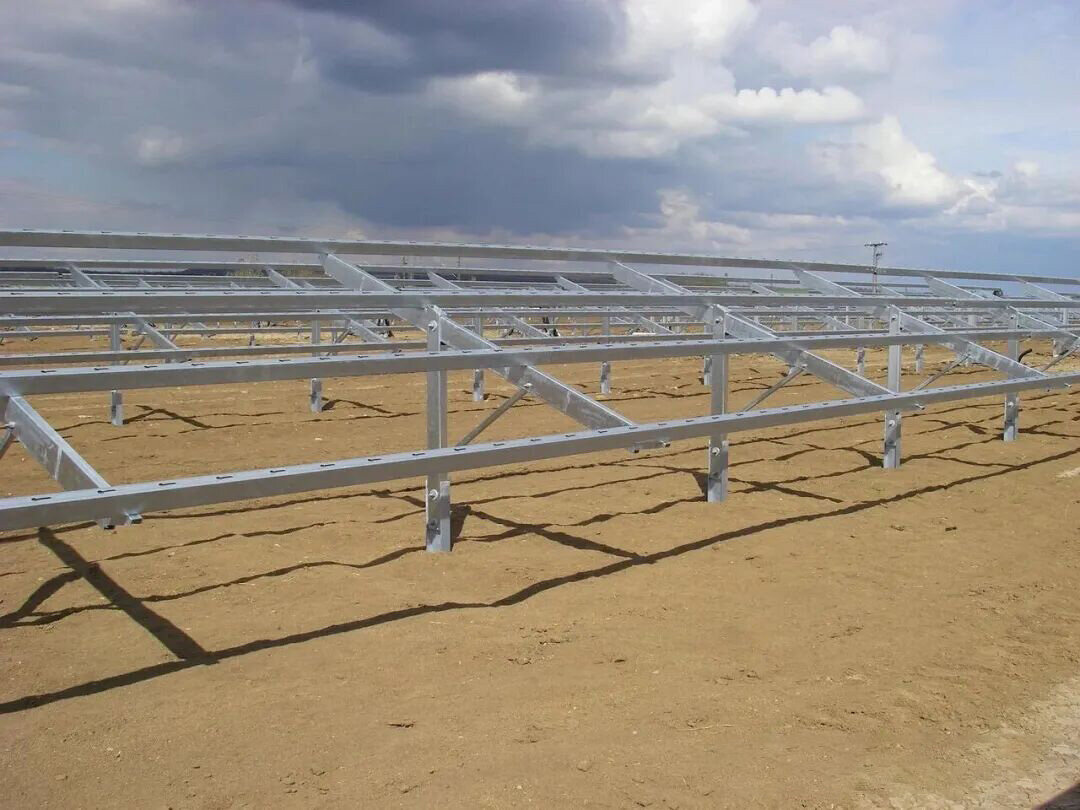
The basic conditions of the 20 power stations are uneven, with some already having photovoltaic hybrid facilities and some equipment severely aging. The renovation needs to be designed separately for each site, rather than standardized replication. The core difficulty lies in the compatibility of new and old equipment and intelligent control adaptation - the existing diesel generator sets have different models, ages, and operating conditions, and the integration of photovoltaic and energy storage systems needs to be accurately matched with each existing system, involving multiple technical issues such as inverter selection, control system docking, and protection device coordination. After the transformation, photovoltaics are used as the base load power source, and the energy management system is required to be able to automatically optimize scheduling under different lighting conditions and load fluctuations, achieving the coordinated operation of photovoltaic and diesel storage. Keywords: Photovoltaic new energy information、New energy news
The systematic opportunities for Chinese enterprises to go global
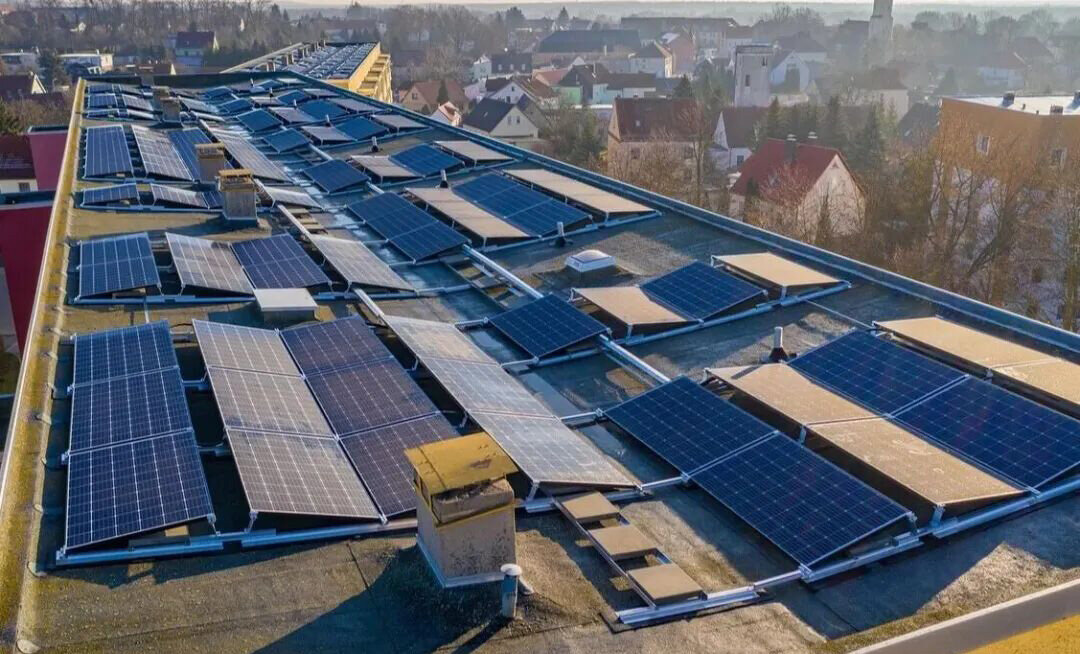
This transformation is not just about buying and selling equipment, but an arena for the integration capability of the entire microgrid chain system. The Garissa Photovoltaic Power Station, constructed by Jiangxi International, is already the largest centralized photovoltaic project in East Africa. Shoufan Energy's 6MW solar energy storage hybrid microgrid project in Kenya has been recognized by the President's inspection, while Far Eastern Energy Storage has won the bid for the World Bank project using a containerized off grid microgrid solution. Chinese enterprises with the ability to supply photovoltaic modules, provide energy storage support, customize electronic control systems, and perform remote operation and maintenance are more competitive than pure equipment traders. The subsequent procurement of the project is likely to be divided into multiple batches for implementation, testing the localization response speed and continuous service capability of the enterprise. From Kenya to Tanzania and Uganda, the demand for off grid power plant renovation in East Africa is emerging in multiple countries, and those who plan ahead can seize this structural opportunity.Editor/Gao Xue
Comment

 Praise
 Collect
 Comment

 Share
Share


Write something~