 Search


- Sprint towards the 38% clean electricity target by 2030, with plans to add 4000 megawatts of installed capacity in the next four years
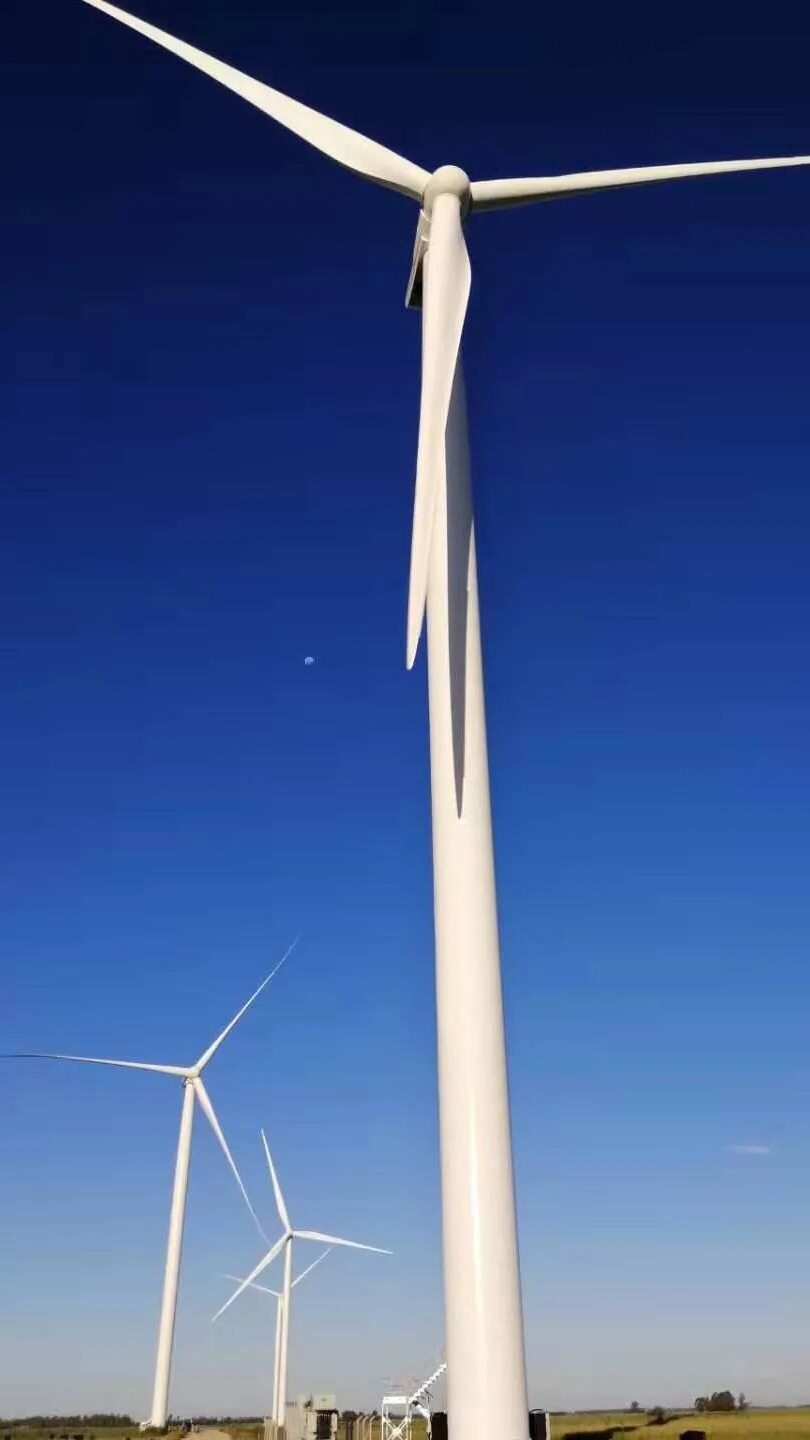
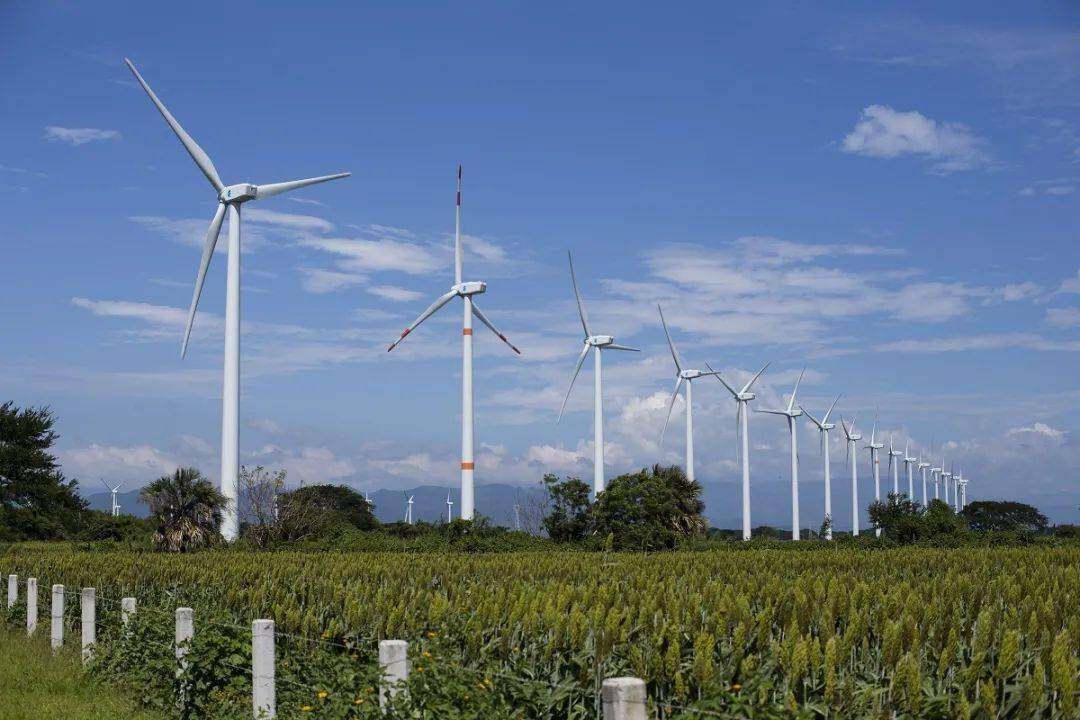
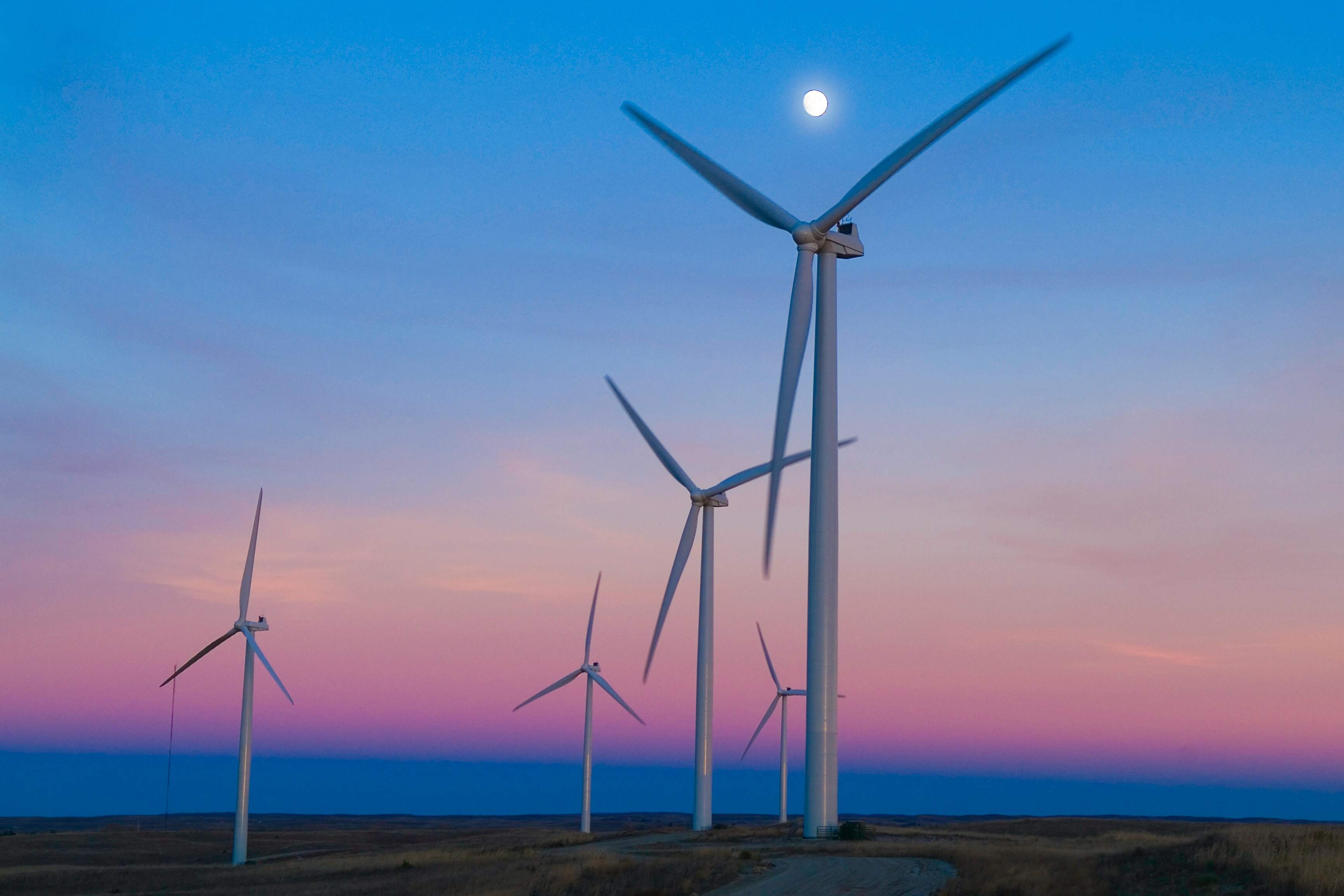
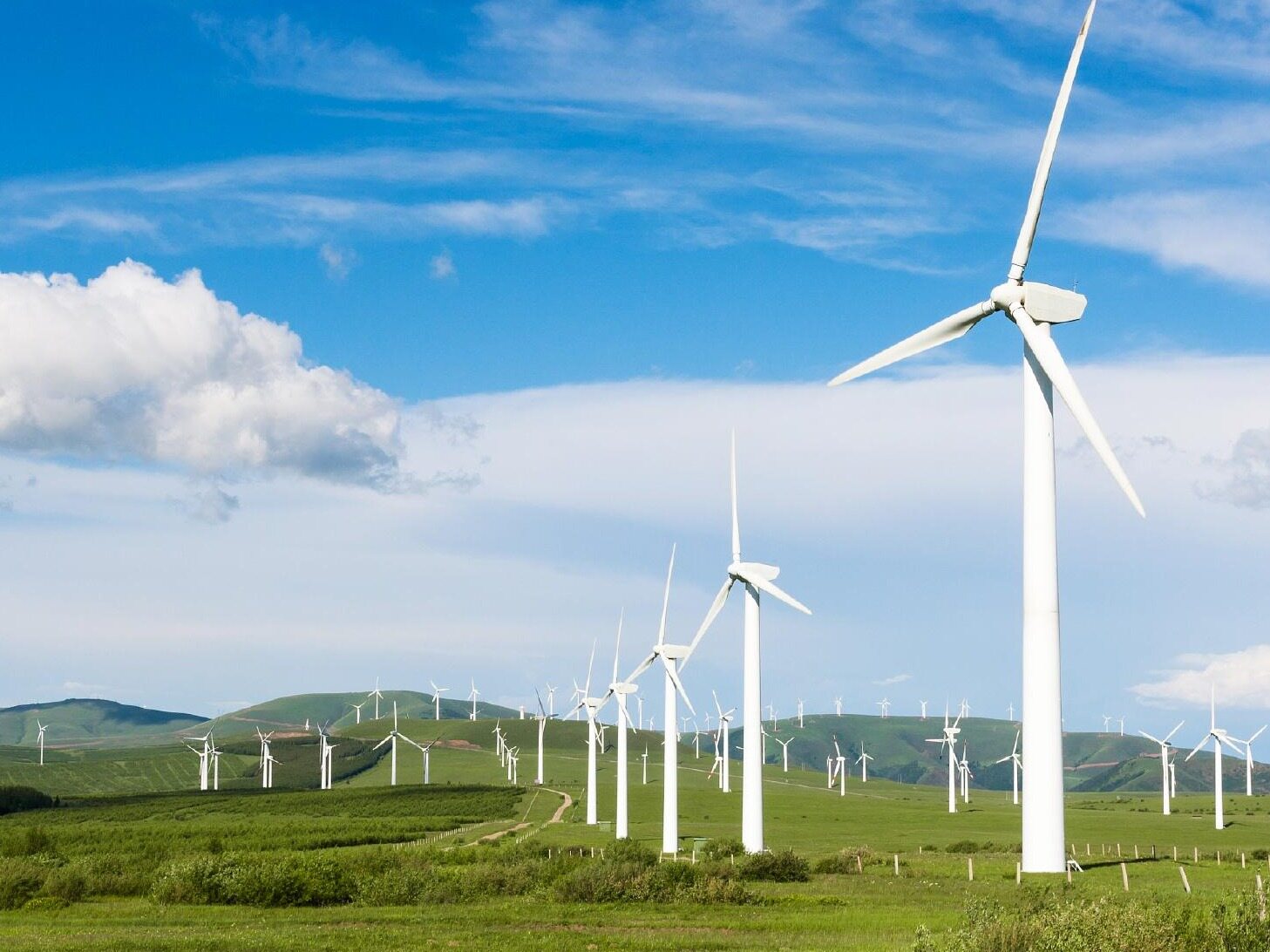
In the early morning of the Isthmus of Tehuantepec, Pacific air currents flowed through the mountain pass into the interior of Oaxaca state, pushing rows of white fans that were hundreds of meters high to slowly turn. The leaves cut through the morning mist, turning the wind into electricity, and heading north along the transmission line to feed the mechanical arms in the Monterey factory and the automotive production line on the Chihuahua border. This isthmus is now one of the busiest wind power sites in Latin America and a microcosm of Mexico's entire energy transition game.
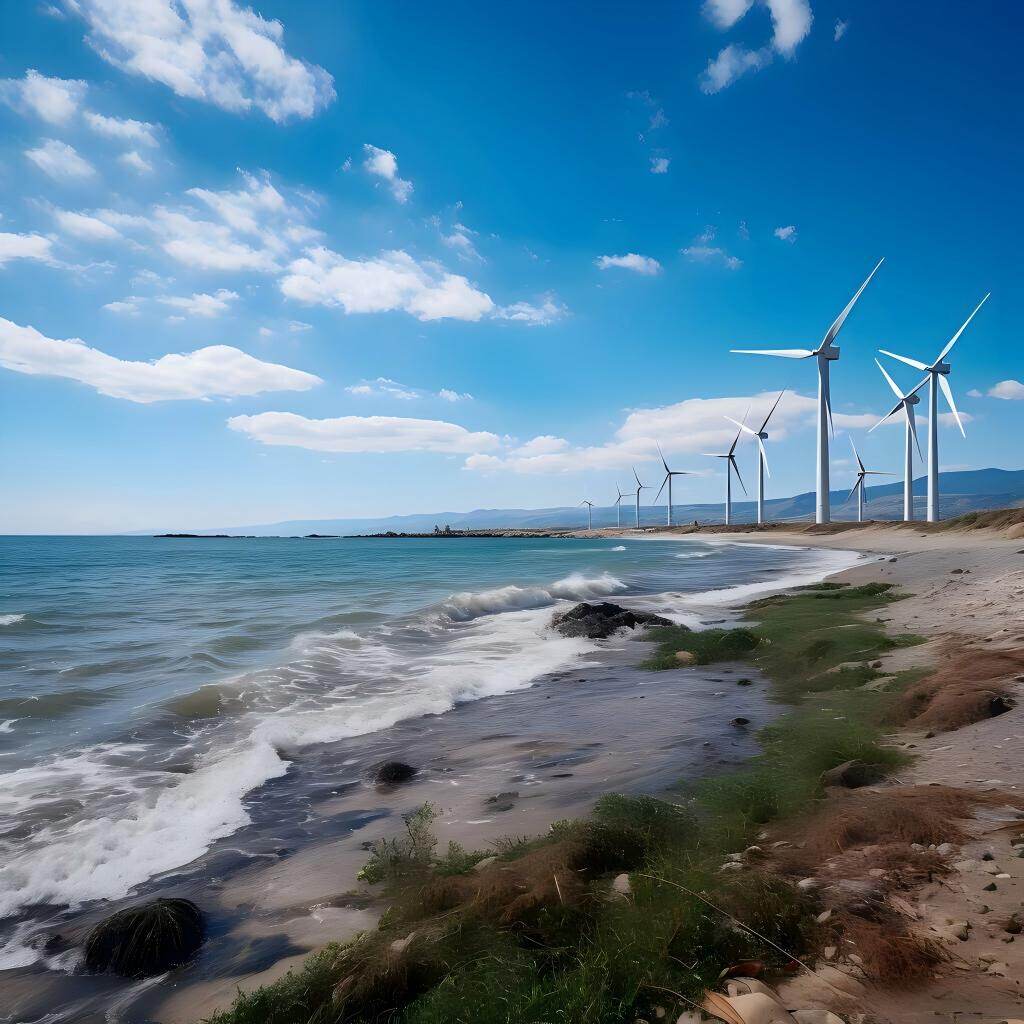
According to the latest statistics from the Mexican Wind Energy Association, 76 wind farms have been built in 16 states across the country, with over 3300 wind turbines in operation and a total installed capacity of 8131 megawatts, accounting for 8.77% of the country's total electricity installed capacity. The electricity generated in one year is enough for 12.1 million households, reducing carbon emissions by 9.59 million tons and directly employing over 10000 people.
Fengqi Isthmus
Oaxaca state is not an isolated case. The Isthmus of Tehuantepec spans across the Gulf of Mexico and the Pacific Ocean, and the narrow tube effect has caused the average annual wind speed here to be outrageously high. Early developers flocked here, turning the southern mountainous areas into signs of wind power. But the reason why wind turbines are truly pushed onto the fast lane is not due to the scenery, but rather to orders from factories in the north.
In recent years, relying on its proximity to the United States, strong manufacturing foundation, and industrial chain restructuring brought about by the USMCA agreement, Mexico has become a core recipient of global capacity transfer. The continuous expansion of automobiles, electronics, and aerospace has led to a sharp increase in industrial electricity consumption in northern states such as Nuevo Le ó n, Coahuila, and Chihuahua. Before multinational corporations settle down, they first ask about the proportion of green electricity - RE100 commitments, carbon footprint compliance, and US customer audits are all forcing local power grids to turn green. Wind power started early and has a leading scale, naturally becoming a hard currency for ensuring production and attracting foreign investment.
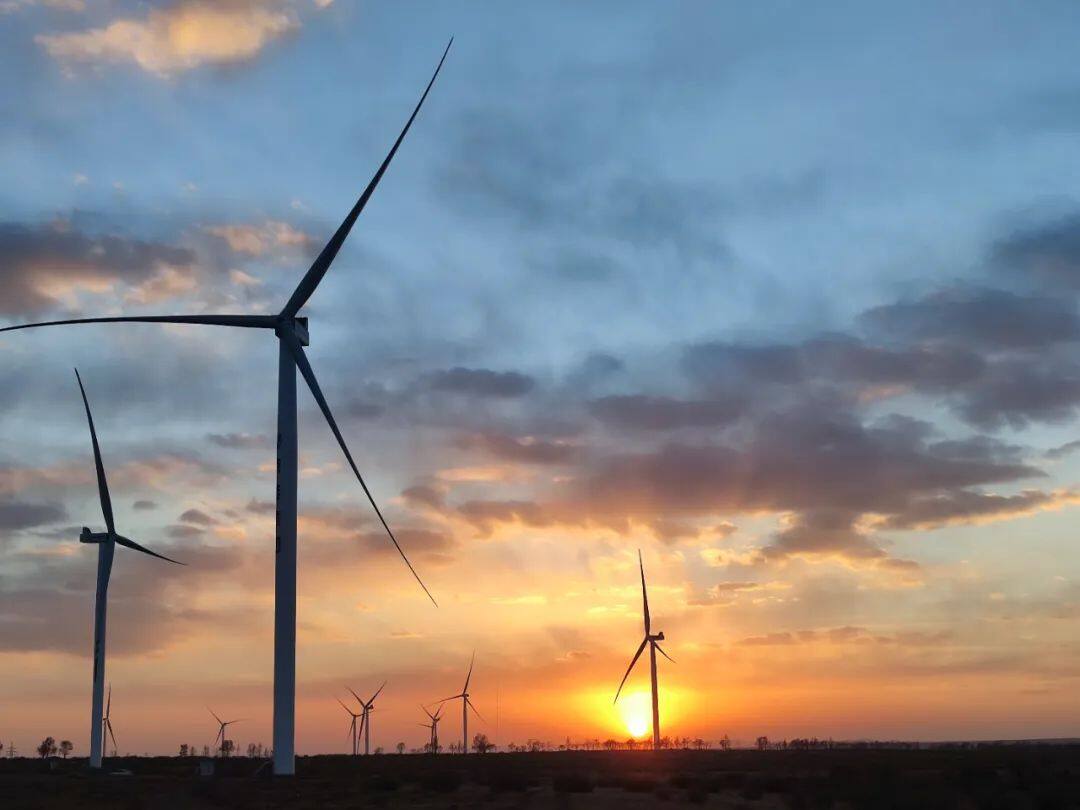
With the clustering of manufacturing industries in the north central region, wind power has also moved from a single point in the south to a multi-point synergy: Oaxaca has consolidated its base, while northeastern states such as Tamaulipas and Nuevo Le ó n have accelerated their deployment, directly building wind farms next to heavy industrial load centers.
Manufacturing green reminder electricity
The changes on the demand side are very straightforward. The comprehensive review of the US Mexico Canada Agreement in 2026 is approaching, and rules such as the North American value content of automotive parts and local smelting of steel and aluminum materials have pushed the nearshore manufacturing dividend to unprecedented heights. Factories have sprung up like mushrooms on the northern border of Mexico, and data centers have also come to join the fun. The Queretaro node alone will add about 1500 megawatts of electricity demand by 2030.
The power grid is struggling to handle it. Peak load is expected to increase by 50.6% by 2039, with severe congestion on old lines, and the manufacturing industry cannot tolerate sudden disruptions. So the government tied wind power, photovoltaics, and energy storage together for accounting - starting from March 2025, new wind and solar projects will be required to have 30% capacity and at least 3 hours of energy storage; By 2030, the national plan aims to add approximately 22 gigawatts of clean energy installed capacity, with wind and photovoltaic power as the main sources, and a separate reserve of 5000 megawatts for energy storage to support peak shaving.
The Ministry of Energy's "National Power System Development Plan for 2025-2030" clearly states that by 2030, clean energy generation will account for 38% of the total power system expansion and upgrading, reducing residential electricity prices, and ensuring energy security. The Federal Power Commission and private capital adopt a hybrid model, where private enterprises can operate as independent power generators, form joint ventures with CFE (with foreign ownership not exceeding 46%), or sell electricity in full to state-owned enterprises. All three doors are open.
Capital chasing the wind
As soon as the wind blows, money follows. According to Herrera, Deputy Director of the Mexican Wind Energy Association, with a stable legal and regulatory framework, there is enormous investment potential in the industry. The association predicts that by 2029, 13 new wind power projects are expected to be implemented nationwide, with a revenue of 5 billion to 6 billion US dollars and an additional installed capacity of about 4000 megawatts.
This account is not limited to the wind turbine itself. Each wind farm needs to build roads, install power collection lines, and establish operation and maintenance bases, leading the entire chain of engineering, logistics, inspection, and blade maintenance; The supply of clean electricity has increased, the expected electricity costs for the manufacturing industry have stabilized, foreign investment is willing to sign long-term agreements, and the southern isthmus economic zone can also attract investment through green electricity, dragging industries from the north to the impoverished south.
Based on the current base of 8131 megawatts, with an increase of 4000 megawatts, Mexico's wind power installed capacity will surpass the 12000 megawatt mark. By combining photovoltaics and energy storage, the goal of 38% clean electricity by 2030 is no longer just a paper number - the wind in the isthmus, the factories in the north, and the moisture in the Pacific will be connected to a reconstructed power grid.keywords:New energy information network
The fan is still running. The wind at the Oaxaca Pass has not changed, what has changed is the logic behind it: in the past, it was to replenish electricity, but now it is to grab orders, keep factories, and switch countries for shipping.Editor/Yang Meiling
Comment

 Praise
 Collect
 Comment

 Share
Share


Write something~