 Search


- European gas storage inventory continues to decline, winter energy supply faces severe test
The European natural gas market is facing heavy pressure, as the injection progress of underground gas storage facilities is slower than the same period in previous years due to high temperatures, external supply disruptions, and related policies, leading to a widening inventory gap. Multiple institutional data have issued warnings that if the current situation continues, the upcoming winter gas supply guarantee in Europe will face significant pressure.
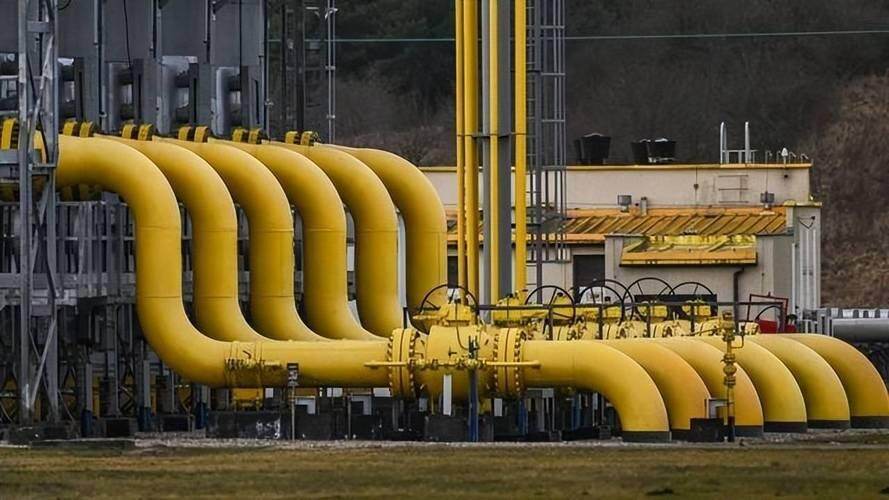
The inventory gap is widening
According to data from the European Gas Infrastructure Organization cited by Gazprom, as of July 31, 2026, the filling rate of European gas storage facilities was 56.88%, with inventory of 60.64 billion cubic meters, a gap of 12.72 billion cubic meters compared to the same period in 2025, and a year-on-year decrease of 17.3% in inventory. The gas storage filling rates in Germany, the Netherlands, and France are all lower than the European average. There is a slight deviation between the statistics of Gazprom and European institutions, due to the different conversion coefficients of natural gas calorific value between the two sides. On August 1, 2026, the filling rate of European gas storage facilities reached 57.11%, setting a new historical low for that date. Although it did not break the record low set at the end of July, potential risks have already emerged.
Multiple factors exert pressure
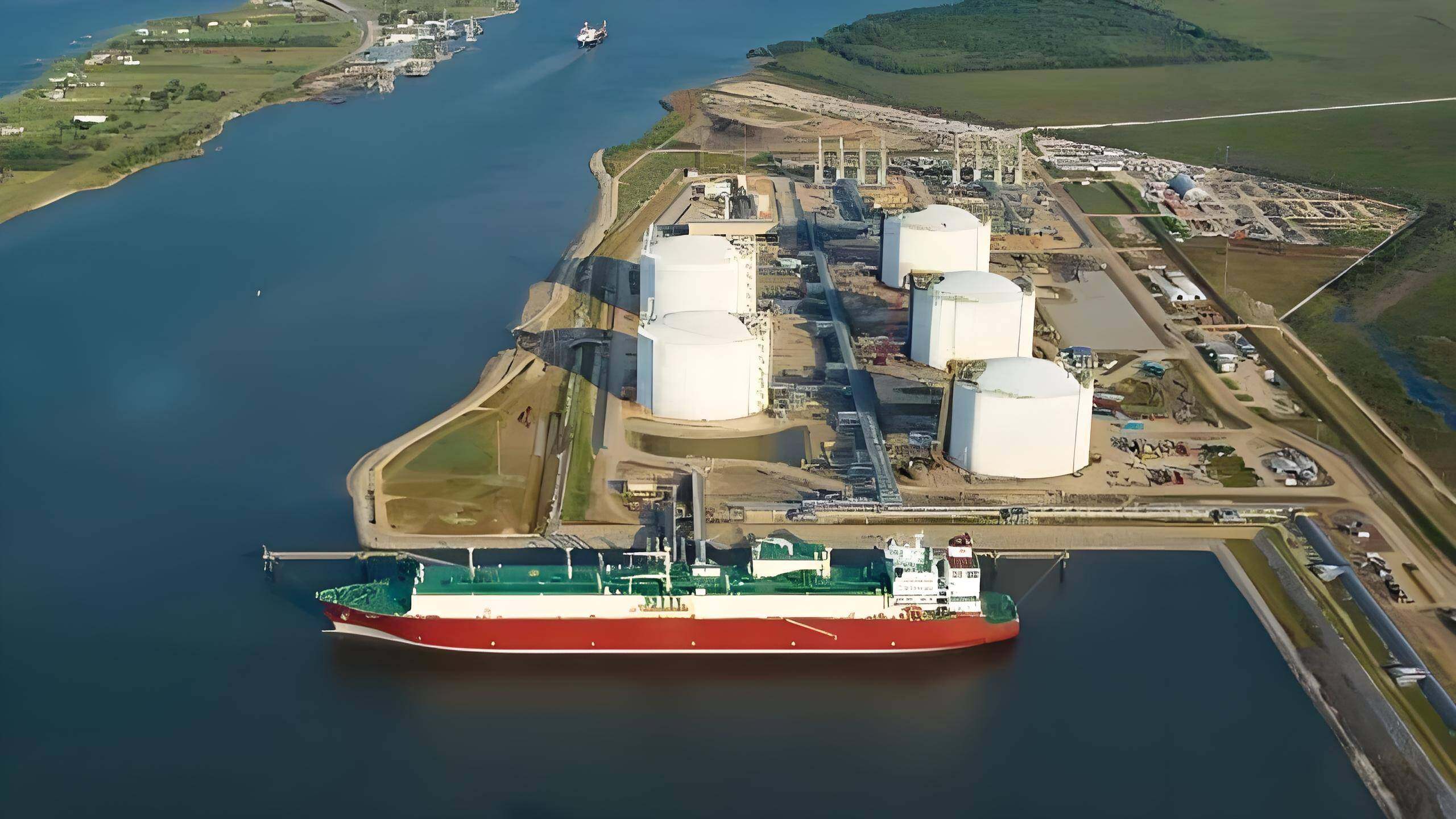
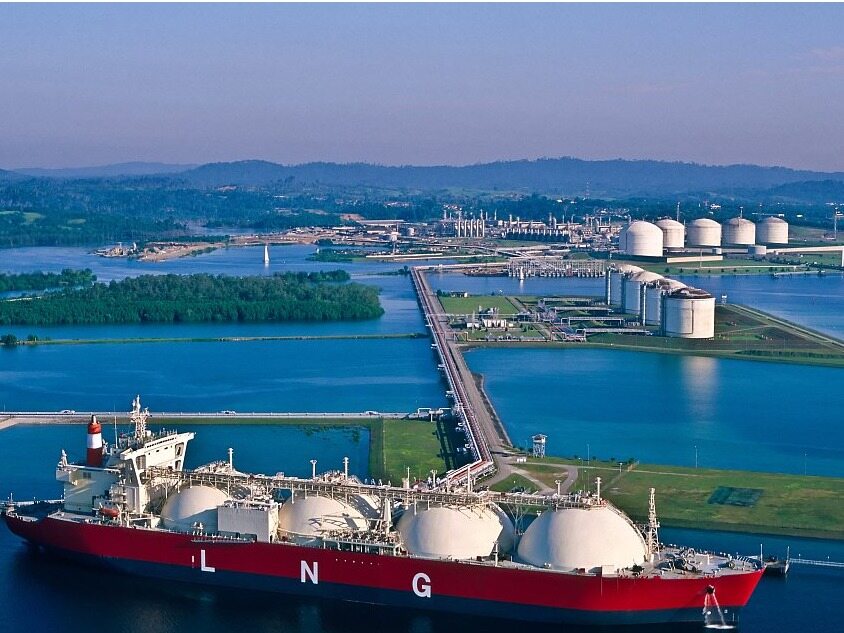
The current market environment is similar to the natural gas crisis situation in 2021. Multiple rounds of extreme high temperatures have hit this summer, limiting the output of wind, solar, hydropower, and nuclear power. Coupled with the tense situation in the Middle East, global LNG supply has been disrupted, and spot prices in Europe have risen to $700 per thousand cubic meters, suppressing the pace of gas storage and injection. At the same time, the EU is promoting the REPowerEU plan, gradually implementing the ban on Russian gas imports, and the long-term contract pipeline gas and LNG embargo will be gradually implemented in 2027, further reducing supply sources. Under the high price environment, market entities tend to sell off their inventory, further dragging down the accumulation of gas storage.
Winter risk warning
According to the current development trend, Gazprom predicts that the filling rate of European gas storage facilities may fall below 75% on October 1, 2026, and Wood Mackenzie optimistically predicts that this level will not be reached until November 2026. The EU will start gas storage and extraction in mid October, making it extremely difficult to achieve the winter target of 90% filling rate. Related parties have pointed out that insufficient inventory will not directly cause large-scale power outages, but the reliability of gas supply will decrease. Once a sudden cold wave occurs, the gas storage and production capacity may be difficult to match the demand for household gas. Gazprom plans to release official comments on the matter in the future.Editor/Min Jing
Comment



 Praise
 Collect
 Comment

 Share
Share


Write something~