 Search


- Sea, air, rail, and public cooperation leap forward
- Integration of Hong Kong, industry and city to rebuild the pivot of dual circulation in the north
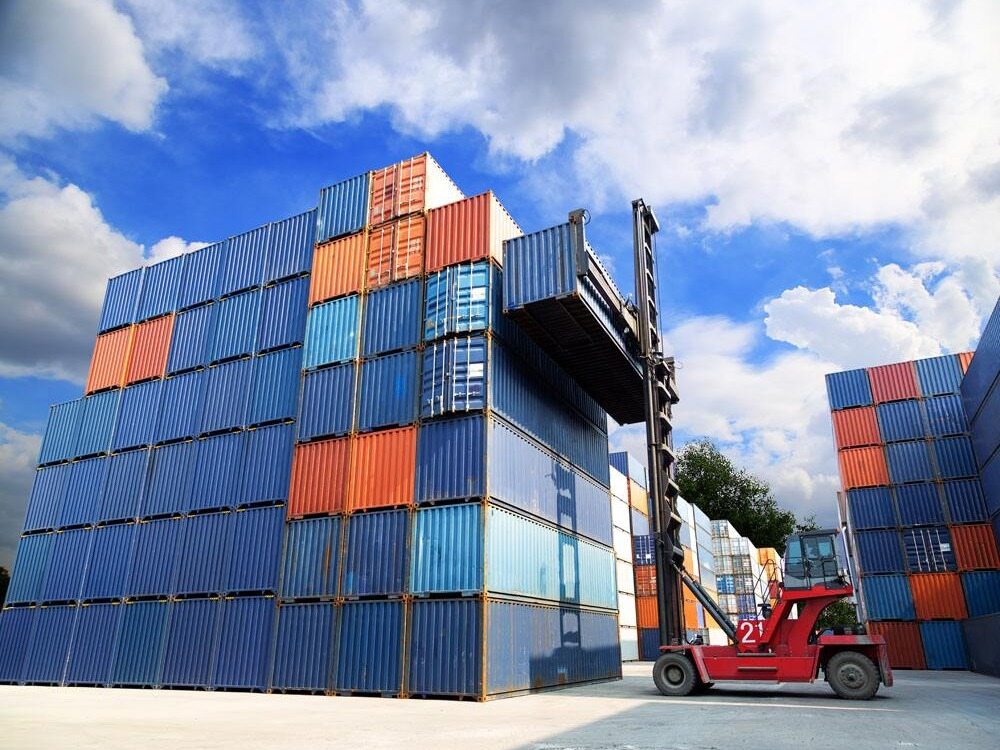
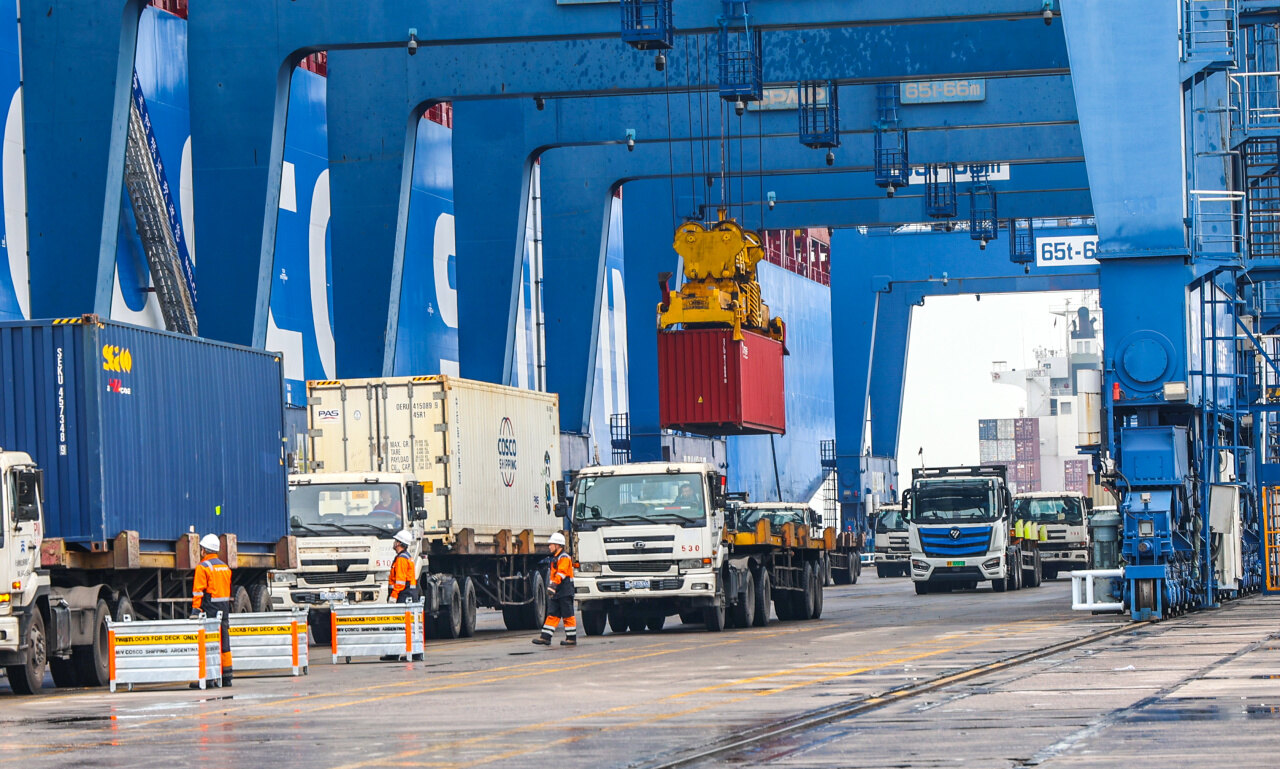
In the morning light of Bohai Bay, giant ships line up to dock at Tianjin Port. Automated shore cranes accurately grab and transport containers, while unmanned trucks shuttle along fixed routes. This northern port, located 120 kilometers from the capital, has just handed over 595 million tons of goods and 24.03 million TEUs of containers in 2025, ranking ninth and eighth globally. On August 4th, the Tianjin Municipal Government Information Office interpreted the "15th Five Year Plan for Comprehensive Transportation in Tianjin" and set the target for the next five years to 2030- with 29 million TEUs of containers, over 650 million tons of goods, and 155 shipping routes.
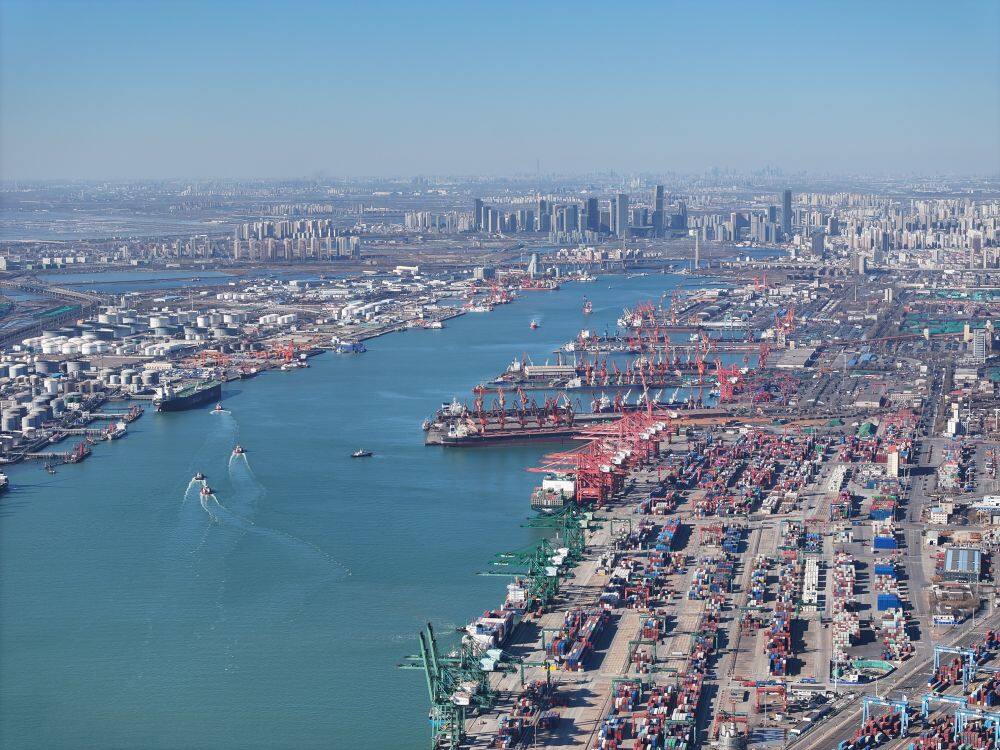
Two ports upgraded
Outside the harbor, the airport takes off simultaneously. The third phase renovation and expansion of Tianjin Binhai Airport has been put on the agenda, with a passenger throughput of 28 million and a cargo and mail volume of 200000 tons by 2030. The dual hubs of sea and air are no longer fighting on their own, but are connected to a network with the Beijing Tianjin Hebei region and the hinterland of the Three North regions.
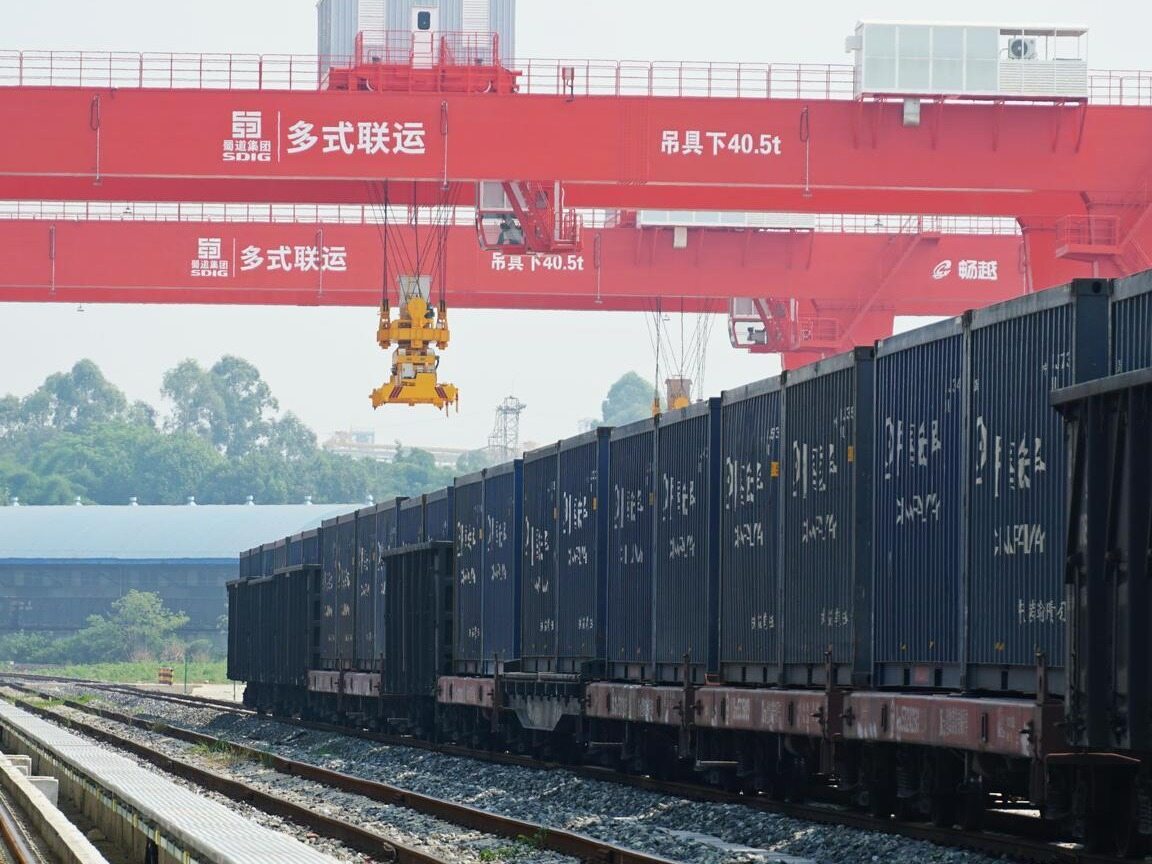
The strategy of Tianjin Port is very clear: upgrading the 100000 ton waterway in Dagang Port Area, widening and deepening the waterway in Xingang, upgrading the Eurasian container terminal, and a batch of key projects have been completed one after another; Iron water intermodal transportation continues to expand, reaching 1.58 million TEUs by 2025, doubling from 2020. 16 regional headquarters and 19 dry ports in the inland hinterland deliver services to Xinjiang and Shanxi. Encrypt the long-distance routes to Europe, the Red Sea, the Mediterranean, and the Middle East, filling the gaps in Central and South America, Australia, and New Zealand. Roll on/roll off special routes support automobile exports, and the land sea dual circulation service network is becoming increasingly dense.
Two ways to improve efficiency
Railways and highways are the two legs of ports. By 2030, the intercity operation mileage of high-speed rail will be 510 kilometers, an extension of 100 kilometers from the 410 kilometers in 2025, deeply embedded into the modern capital metropolitan area; The total length of the expressway is 1450 kilometers, and the Tianjin section of the national highway is fully connected. By 2025, this number will be 1358 kilometers.
The rail network is growing synchronously. By 2025, 13 lines and 384 kilometers of Tianjin Metro will have been connected, and the connection between public and railway will enable containers to board trains as soon as they disembark from the ship. The collection and distribution of goods are no longer a bottleneck. The construction and expansion of the Xinggang Expressway and the Tianjin section of the Beijing Tianjin Tangshan Expressway have begun, and the second line of the Xingang North Container Center Station has been put into use. The port hinterland extends from the Beijing Tianjin Hebei region to the northwest and north China.
Integration of Hong Kong, Industry and City
Ports are not just loading and unloading areas. Tianjin has put the front port, middle industry, and rear city on the same map: Xiaobailou, Yujiapu, and Xiangluowan provide shipping finance and legal services, Dongjiang and Ecological City provide cross-border e-commerce and cruise commerce, and the core area of the harbor, Lingang, and Nangang provide green petrochemicals and grain and oil processing.
By 2030, the total output value of the five major port industries will reach 600 billion yuan, the cross-border e-commerce transaction volume will reach 100 billion yuan, the China Europe Central Asia freight train will operate 1000 trains annually, and the number of cruise passengers will exceed 350000. The world's first smart zero carbon terminal, nearly 350 million kilowatt hours of annual green electricity, and 155 shipping routes have propelled Tianjin Port from a traditional loading and unloading port to a comprehensive port and shipping logistics operator.
The tide rises in the Bohai Sea, and the port prospers and the city comes alive. When 29 million TEUs become the daily scale of 2030, Tianjin not only needs numbers, but also a closed loop of gathering production with the port, revitalizing the city with production, and promoting the port with the city - allowing every container to bring industry, employment, and urban vitality ashore.Editor/Yang Meiling
Comment


 Praise
 Collect
 Comment

 Share
Share


Write something~