 Search


- Solid state battery industry accelerates, promoting the upgrading of the domestic new energy track
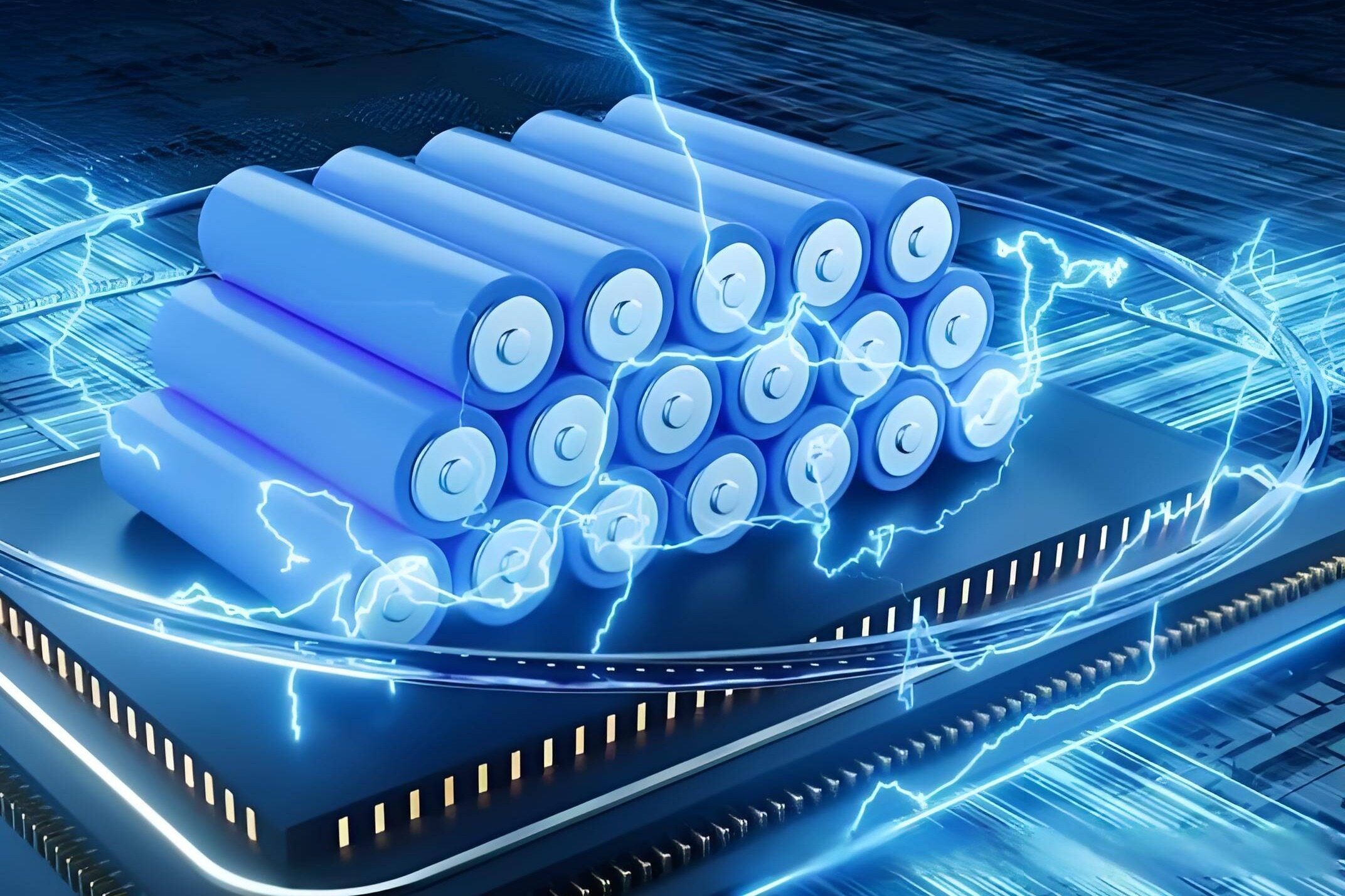
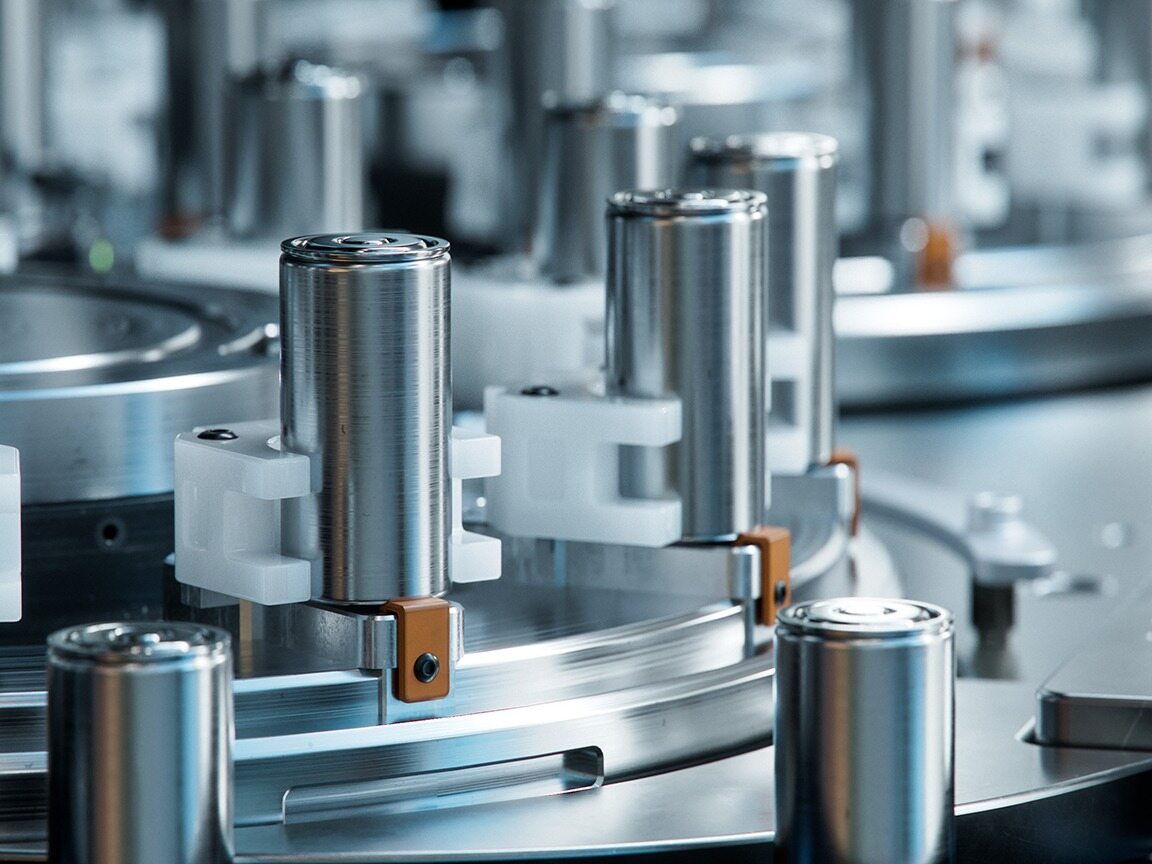
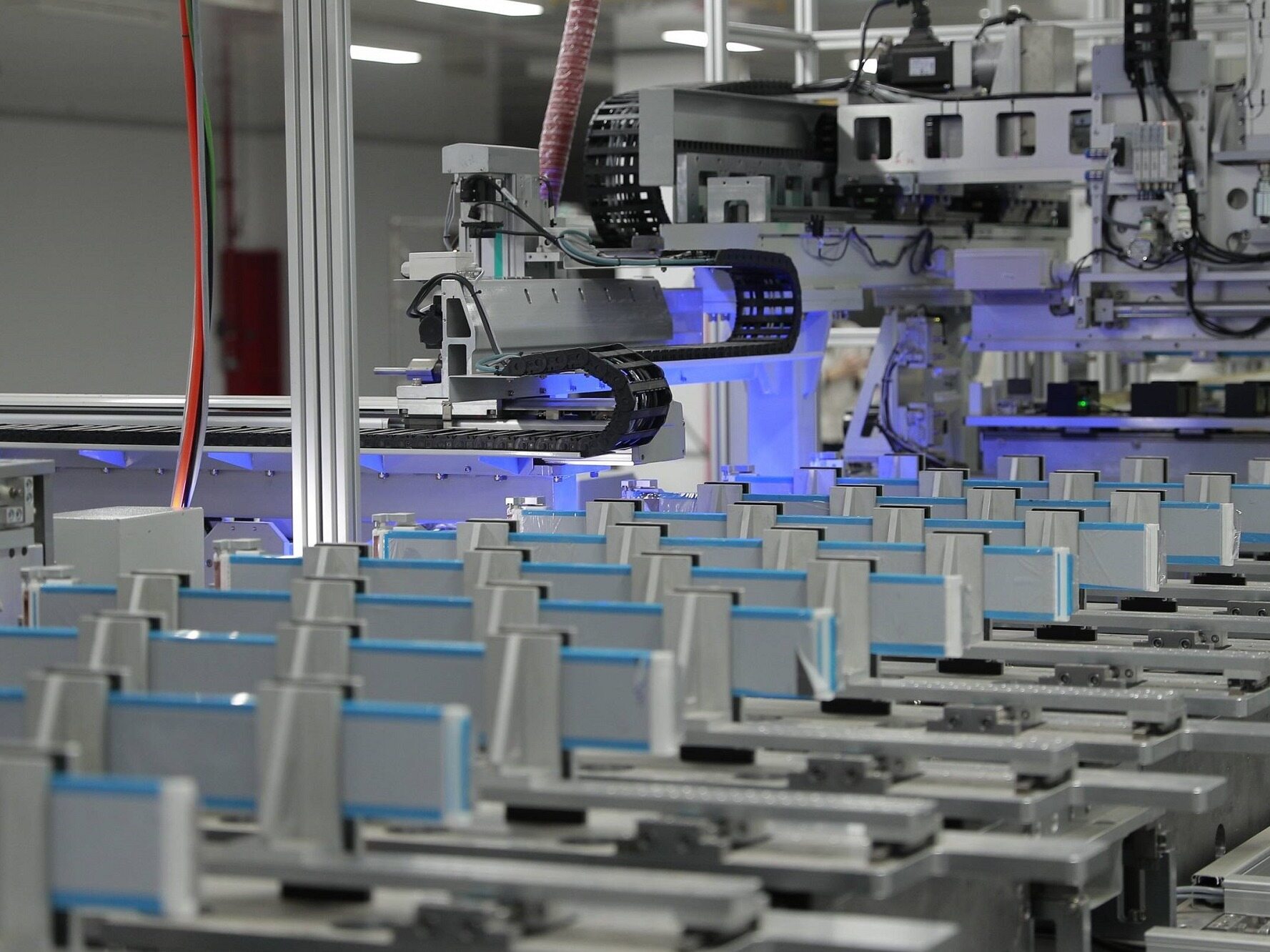
Looking at the domestic new energy industry, the pace of industrialization of solid-state batteries is accelerating. Multiple cities in Inner Mongolia, Guangdong, Fujian, Shandong, and Suzhou have successively reported the landing of projects. From GWh level battery cell production lines to solid-state electrolyte material testing lines, a group of enterprises are competing to layout production capacity, continuously increasing capital, and synchronously promoting the upstream and downstream of the industrial chain, accumulating strength for the large-scale development of next-generation battery technology.
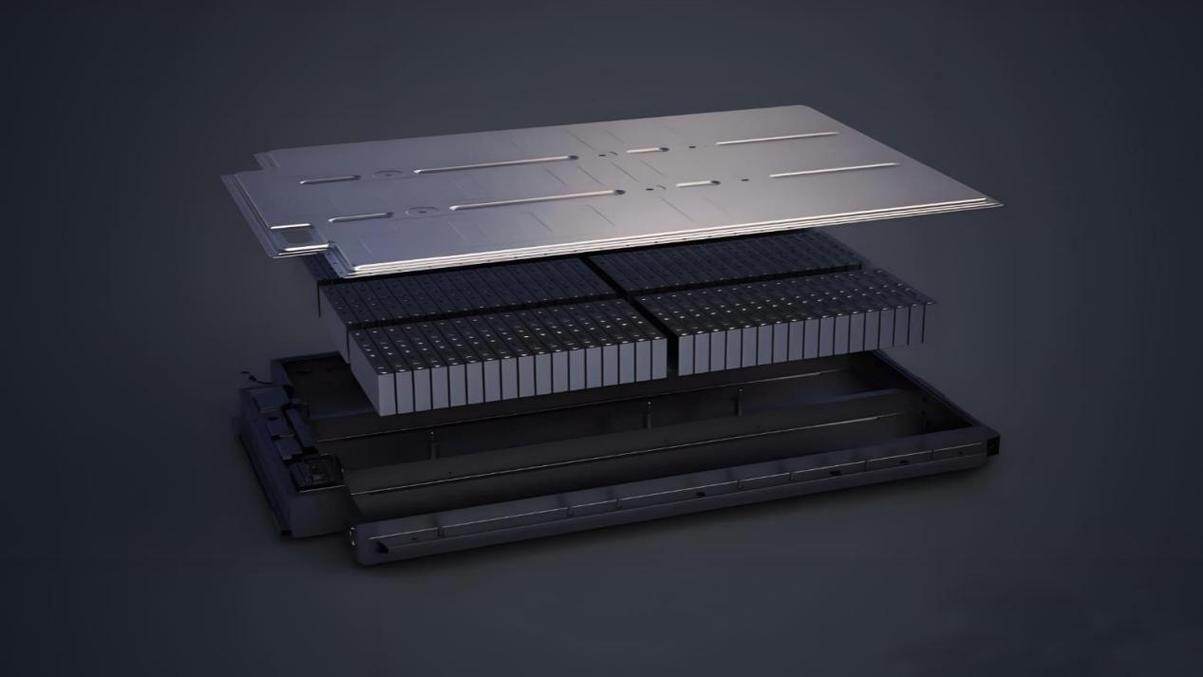
Concentrated production capacity landing
Multiple regions are intensively promoting the construction of solid-state battery production capacity, with a total investment of over 9 billion yuan. The Inner Mongolia Tuoyi Solid State Energy 30GWh Solid State Battery Project has a total investment of 6 billion yuan and is located in Tumote Left Banner, Hohhot. It will be built in three phases, each with a production line of 10GWh, with a construction period from June 2026 to June 2028. The Guangdong Yangjiang 3GWh all solid state battery project has an investment of 2 billion yuan, covering multiple scenarios such as digital agricultural machinery and unmanned aerial vehicle energy storage. Nanping, Fujian Province welcomes the Yaoshi Lithium Battery Project with a total investment of 1 billion yuan. It plans to produce 20 million solid-state batteries annually and establish the company's first large-scale production base. After the first phase of production, the expected annual output value is 2 billion yuan.
Material Chain Strength
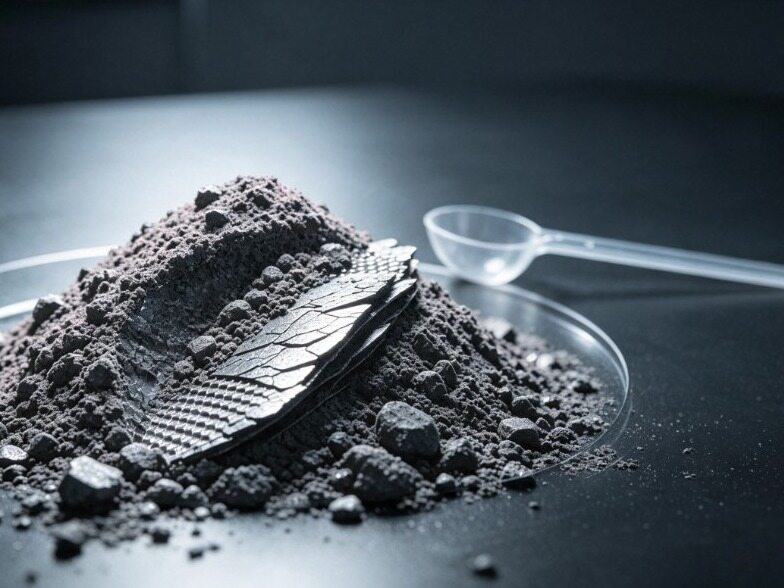
At the same time as the acceleration of battery cell projects, breakthroughs have been made in the upstream core material links. The 150 ton solid electrolyte production line in Shandong Chuanglu has completed debugging, and the 1000 ton lithium manganese based positive electrode production line has entered trial production, covering multiple technical routes for sulfides and oxides. Suzhou Lihe Technology invested 12 million yuan to build a research and development test line for solid electrolytes with an annual output of 50 tons, relying on a scientific research team to carry out material industrialization verification. Shandong Chuanglu, Lihe Technology and other enterprises have filled the gaps in key materials and connected the industrial links from materials to battery cells. Keywords: solid-state battery, electrolyte, industrialization of new energy
Industrialization challenges
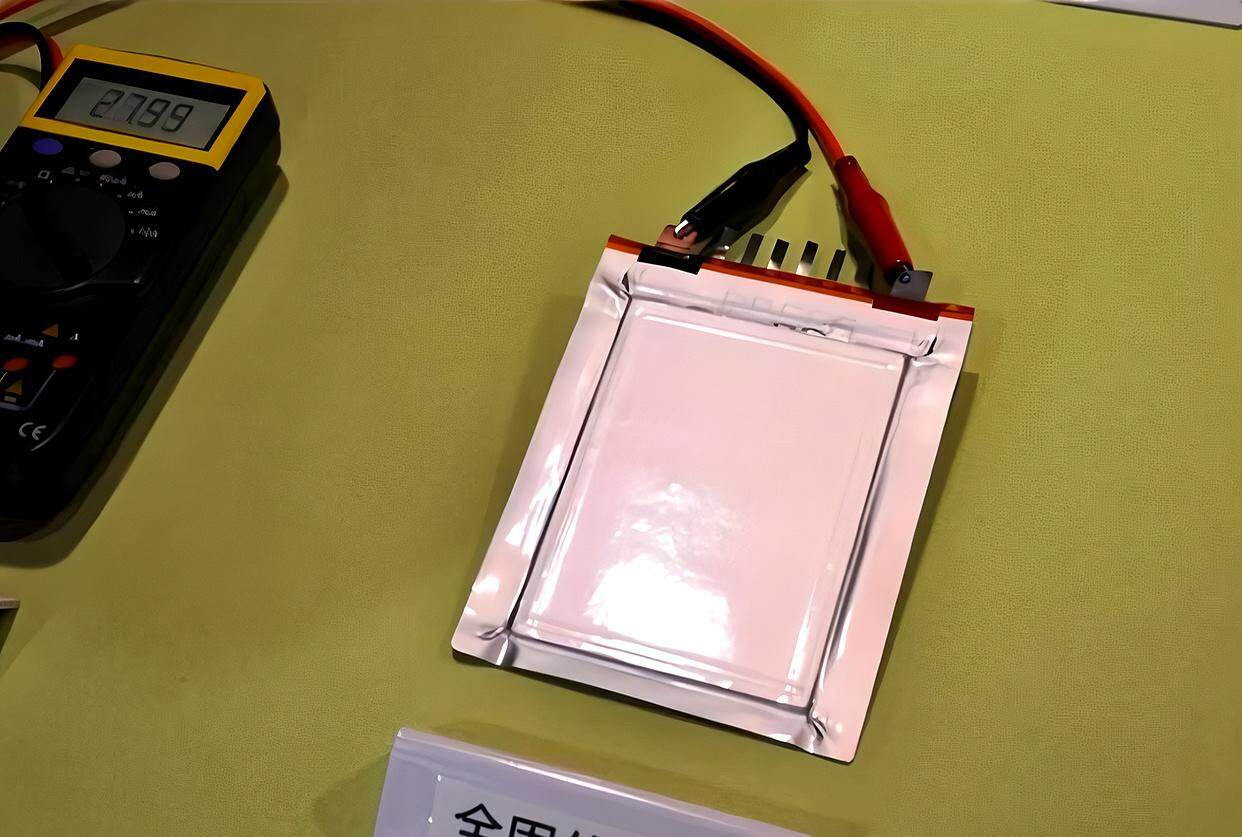
Currently, solid-state batteries are moving from the laboratory to the mass production stage, with consumer products taking the lead in achieving breakthroughs and accelerating the construction of production lines for power storage. Projects in various regions balance battery cell manufacturing and material research and development, with different technological routes developing in parallel. The landing of a large number of projects will also force process optimization and cost reduction, helping China seize the industry opportunity in the next generation battery track and drive the coordinated development of new energy upstream and downstream.Editor/Min Jing
Comment

 Praise
 Collect
 Comment

 Share
Share


Write something~