 Search


- Cross border green power consumption circle expands from Yunnan to Guangdong
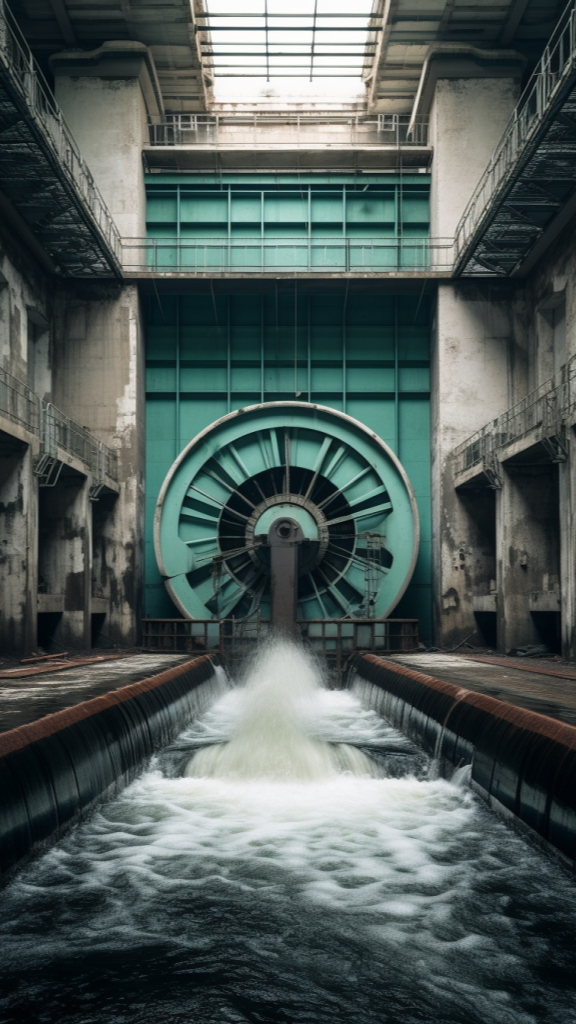
The waves of the Mekong River during the rainy season turn over the mountain ridges in northern Laos and transform into flying units in hydroelectric power plants. In the past, these electricity sources were often trapped in valleys - Laos has only over 8 million people and limited industrial load. During the rainy season, electricity is often not used up, and during the dry season, there is a shortage of supplies. On August 6th, the situation changed: a current flowed through the 500 kV interconnection channel between China and Laos, crossing the border and Yunnan, all the way to factories and buildings in the Pearl River Delta. For the first time, residents in the Greater Bay Area used surplus hydropower from Laos' rainy season.
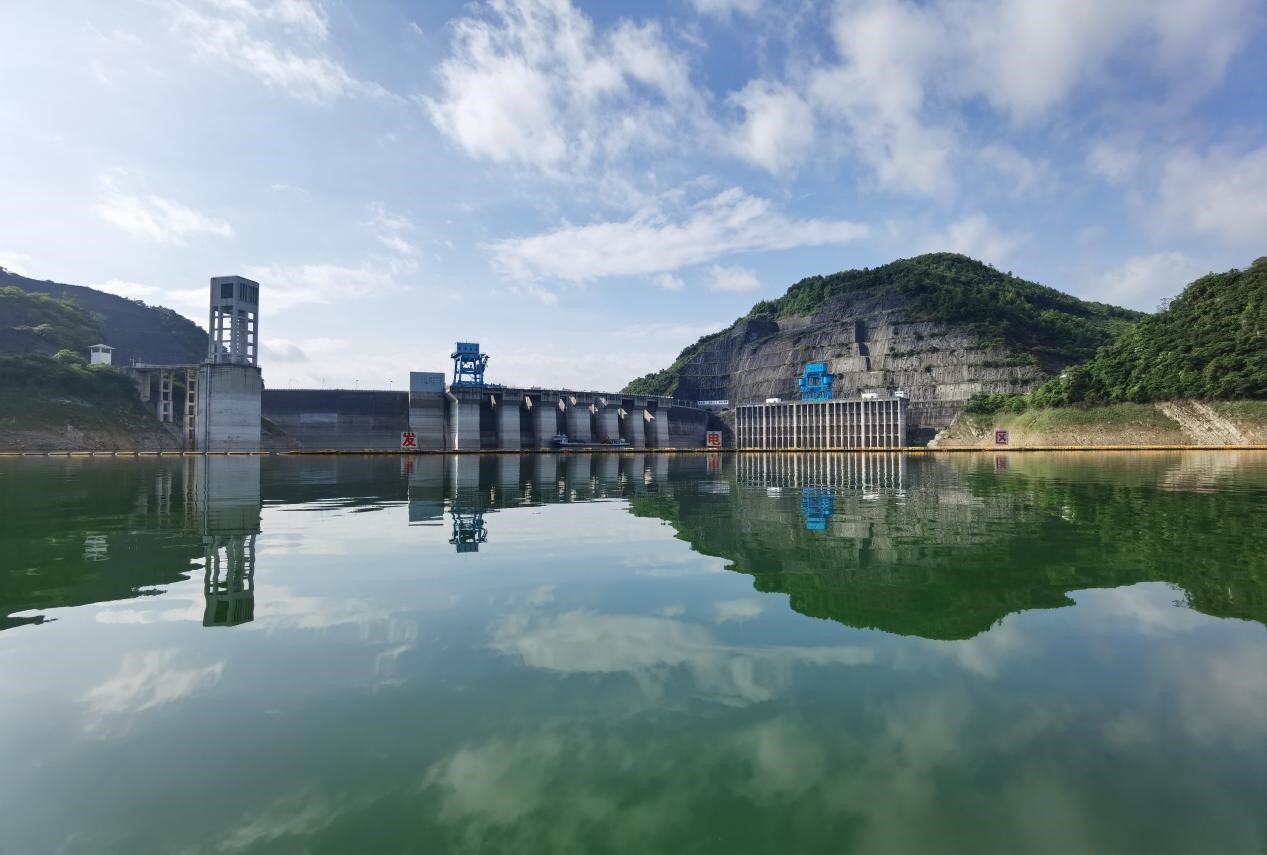
An electric highway
On April 20th of this year, the China Laos 500 kV interconnection project was officially put into operation. This cross-border line, with a total length of 177.5 kilometers (145 kilometers in China and 32.5 kilometers in Laos), starts from Oudomxay Province in Laos in the north and ends in Yunnan, China in the south. It is China's first 500 kV cross-border communication and networking project, which has also increased the power mutual assistance capacity between China and Laos from 50000 kW to 1.5 million kW. The annual transmission limit of clean electricity is about 3 billion kWh, which is equivalent to 30 times the size of the original 115 kV line.
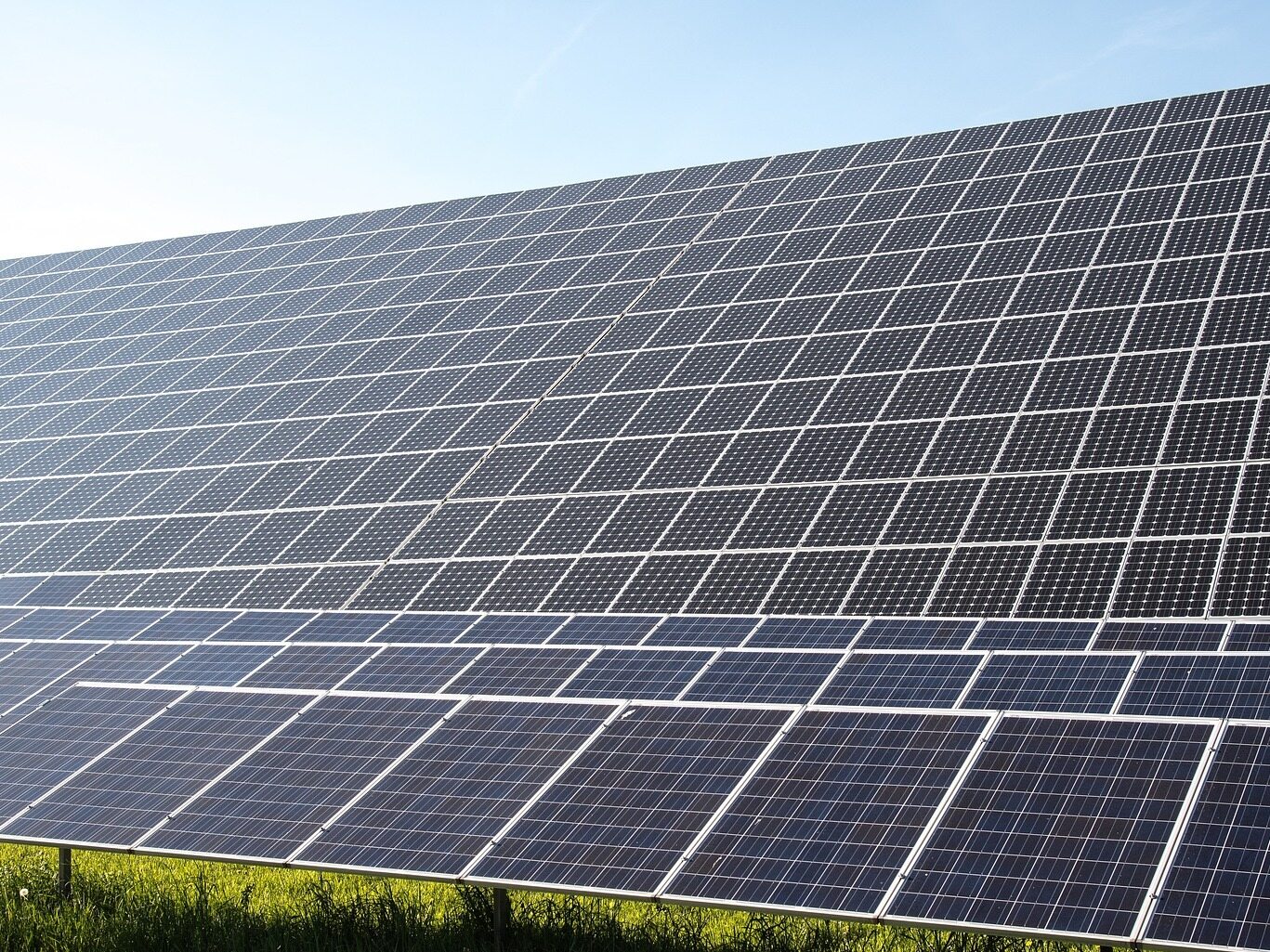
On the day of operation, 4.81 million kilowatt hours of electricity from mountainous photovoltaics in northern Laos was first sent to Yunnan, and foreign new energy projects entered the southern China regional electricity market for the first time. In less than four months, the hydropower relay appeared - this power transmission will continue until the end of October, with a total capacity of about 600 million kilowatt hours, and will be simultaneously listed on the trading platform of the southern regional electricity market for settlement.
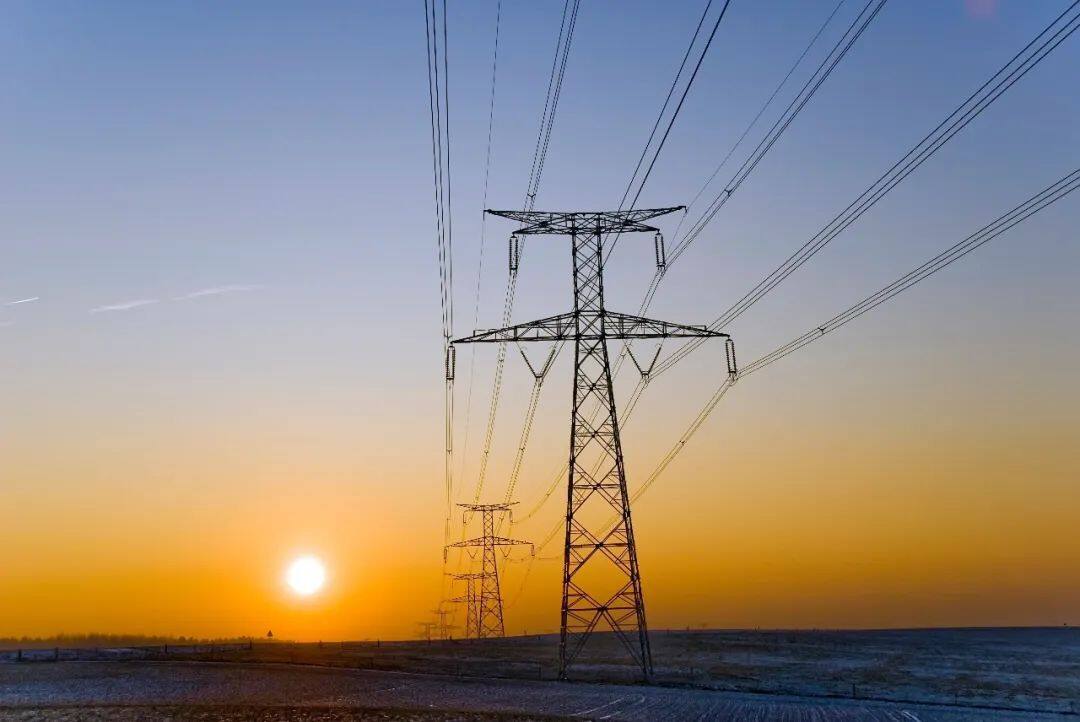
From unidirectional power supply to bidirectional mutual assistance
The power connection between China and Laos began in 2009: Southern Power Grid supplied power to northern Laos through a 115 kV line, and Laos was purely a buyer at that time. In 2022, two-way trade will be launched, with surplus hydropower from Laos being sent back to China during the rainy season and China supplying electricity in reverse during the dry season, forming a mechanism of mutual assistance between surplus and deficit. By the end of 2025, bilateral electricity trade has exceeded 1.6 billion kilowatt hours.
After the opening of the 500 kV channel, the layout was completely rewritten. Stable transmission of photovoltaic and hydropower energy from northern Laos, and acceptance and consumption of orders in Yunnan and Guangdong markets in China; The reverse power supply during the dry season also has a larger capacity to support the bottom. In the whole year of 2026, the total market-oriented trading electricity of photovoltaic and hydropower in this channel is expected to reach 1.5 billion kilowatt hours, of which the hydropower transmission to Guangdong this time accounts for about 600 million.
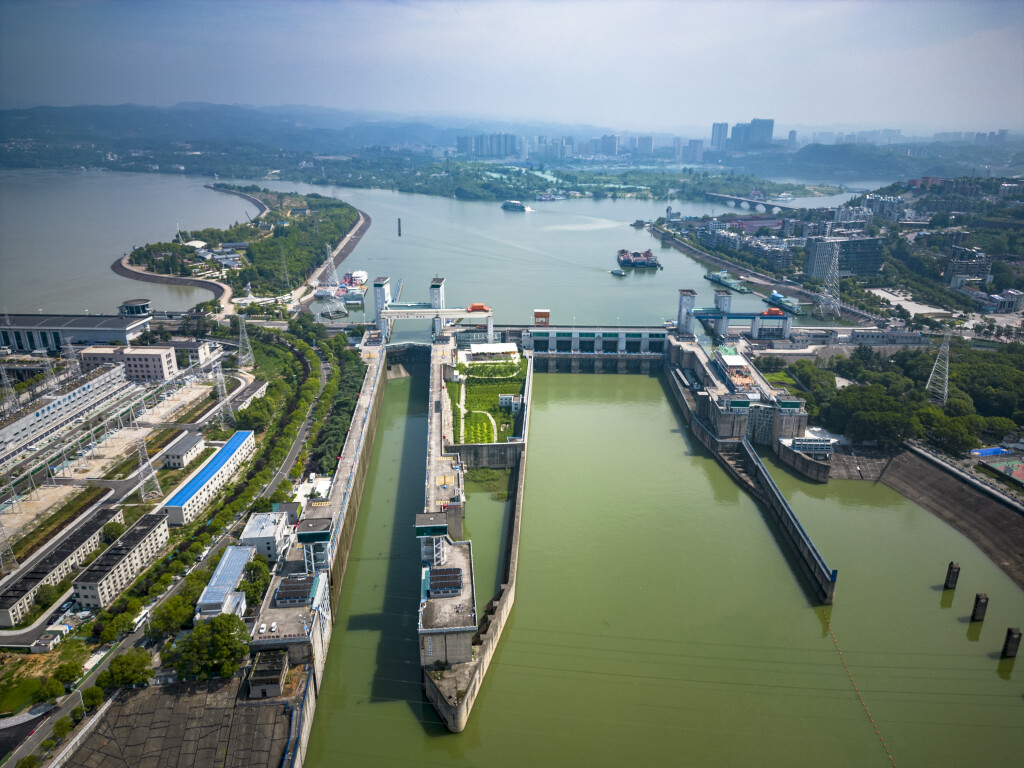
The abacus of green power crossing provinces and borders
For the Greater Bay Area, this batch of hydropower has been replenished during the peak summer load, expanding the consumption radius of cross-border clean energy; For Laos, abandoning water during the rainy season turns into cash, and the northern power grid moves from a solitary grid to a regional hub. The combination of water and solar power sources - during the dry season, a part of it relies on photovoltaics, while during the rainy season, water and electricity are fully generated and sent out, gradually forming a cross-border complementary transmission mode of water and solar power.keywords:New energy information network
The next step for Southern Power Grid is to merge this channel with the West East Power Transmission Channel to continue expanding cross-border transactions. According to the estimated annual output of 3 billion kilowatt hours per channel, it can save approximately 2.5 million tons of carbon dioxide emissions for the region in one year. From 115 kV to 500 kV, from Yunnan province to Guangdong and Yunnan provinces, the China Laos green power link is calculating the energy account of the Lancang Mekong region more finely and further.Editor/Yang Meiling
Comment




 Praise
 Collect
 Comment

 Share
Share


Write something~