 Search


- Introduction: The United States introduces new regulations on polysilicon trade, stirring up the global photovoltaic supply chain
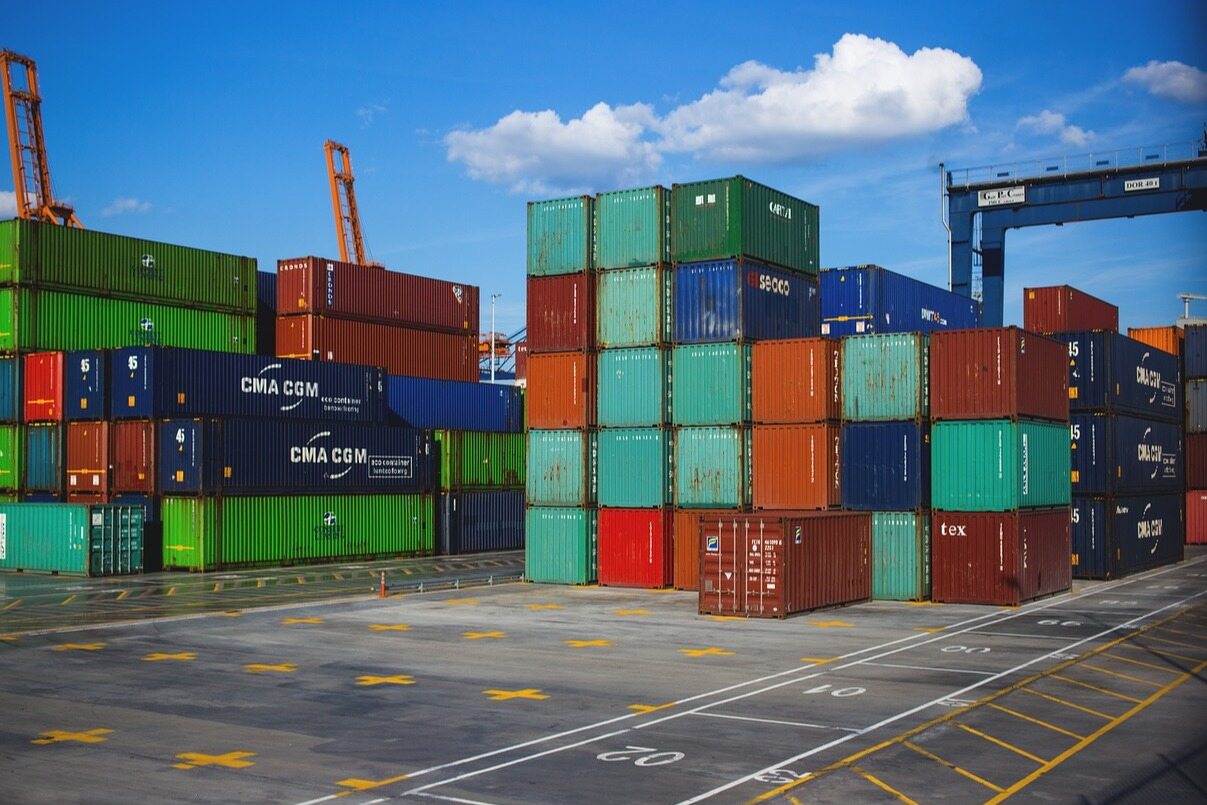
The global photovoltaic industry chain is facing new variables, and the United States is throwing out a combination of trade policy punches. US President Trump signed an executive order using trade bill provisions to set minimum import prices for polysilicon and downstream derivatives, coupled with additional tariffs, while providing incentives for local factory exemptions, in an attempt to reverse the continuous decline of domestic polysilicon production capacity. This policy has also sparked concerns and discussions in the local industry.

Core policy measures
This executive order cites Section 232 of the 1962 Trade Expansion Act, which sets minimum import prices for four categories of products and imposes a 15% ad valorem tariff on some derivative products. The Ministry of Commerce has simultaneously launched an incentive plan, in which companies promise to build, renovate, and expand production facilities in the United States, and start construction before January 20, 2029, in order to apply for tariff exemptions for some products. Data shows that the global production capacity of polysilicon in the United States has declined from about 50% in 2005 to less than 2% in 2024. The US side claims that the policy aims to resolve supply chain risks and strengthen the independent production capacity of key local raw materials.
Industry reality response
After the implementation of the executive order, organizations in the US solar and semiconductor industries expressed concern. Industry groups are concerned that the minimum import price will raise the construction cost of domestic photovoltaic projects, and price pressure will continue to spread downwards, affecting downstream industries such as consumer electronics and automobile manufacturing. The US Department of Commerce will also release implementation details and corporate application processes in the future, and the related trade impacts still need to be continuously observed.Editor/Min Jing
Comment






 Praise
 Collect
 Comment

 Share
Share


Write something~