 Search


- Faced with the heavy pressure of 140000 tons of daily household waste, Indonesia is launching a garbage revolution
- Transforming mountains of waste into green electricity to drive the future
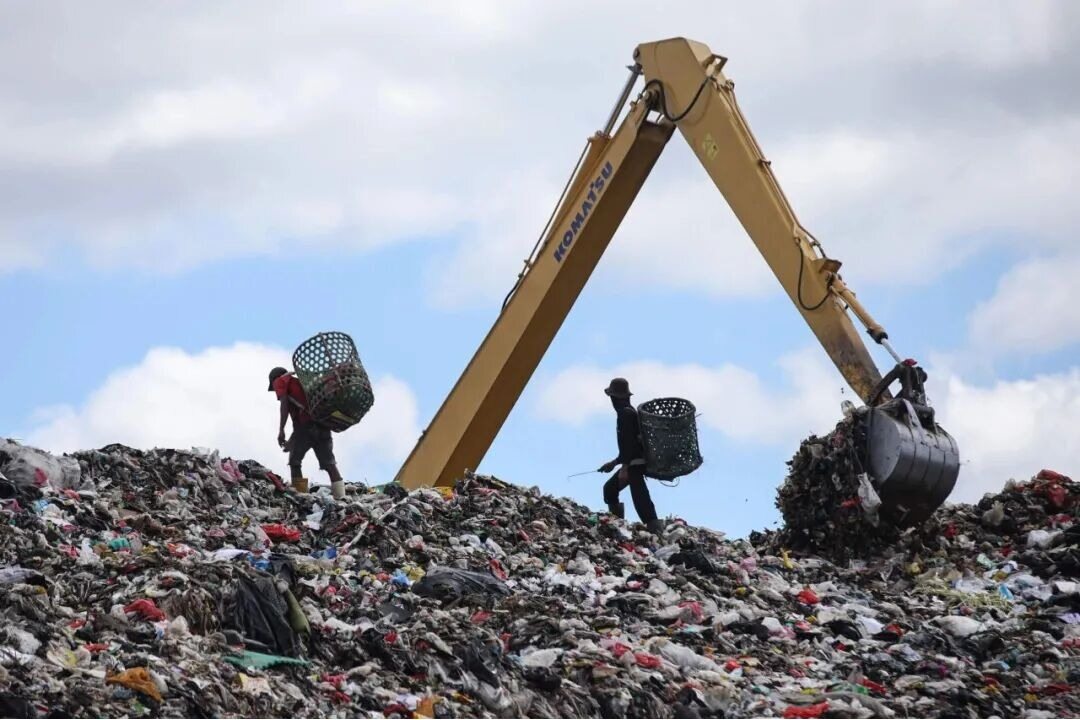
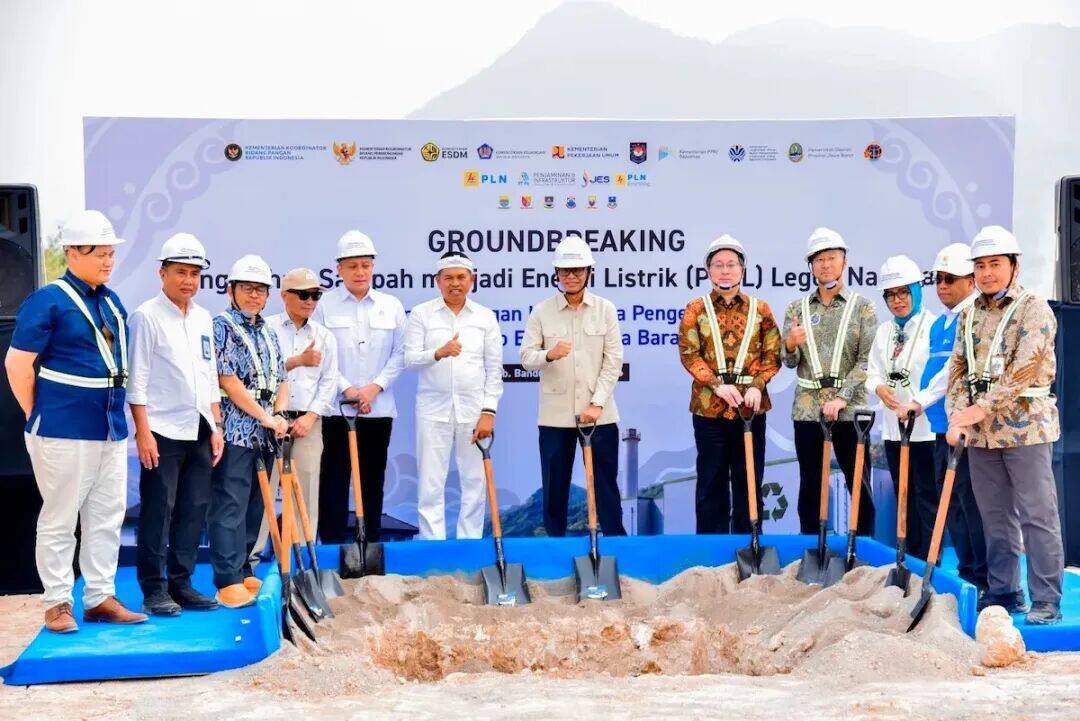
On the edge of the Bandung metropolitan area, the Sarimukti landfill is already overwhelmed, and the stench and approaching garbage mountains have become a nightmare for local residents. This old path of "collection transportation landfill" is coming to an end in more and more cities in Indonesia. However, the recent roar of construction machinery in the Legok Nangaka area of West Java province has brought a turning point to this land. This is not only a construction site, but also a new starting point for Indonesia's national energy transformation.
The new policy breaks the deadlock
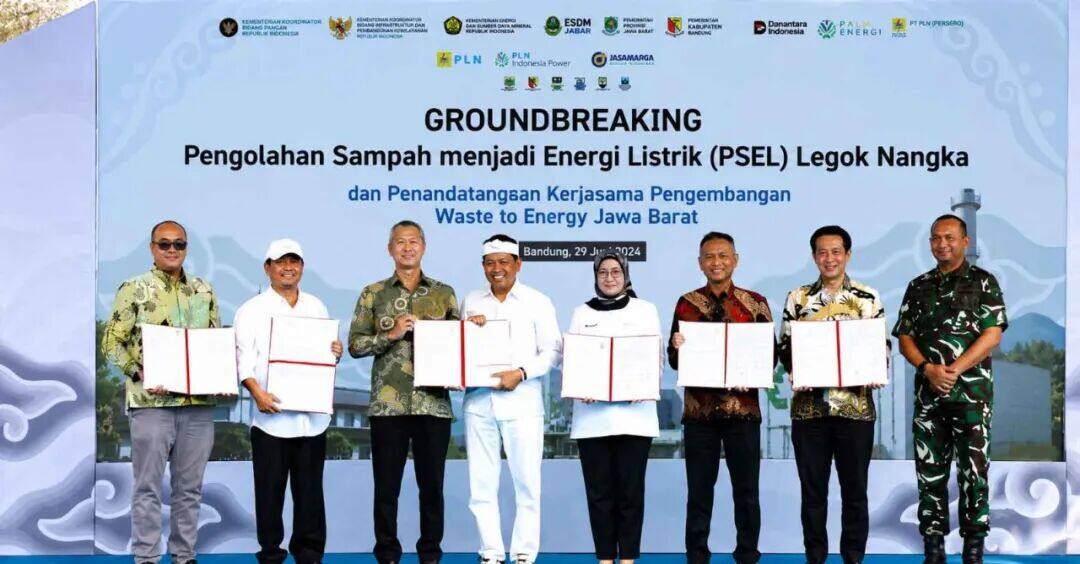
For a long time, about 74% of household waste in Indonesia has not been properly treated, not only occupying land but also exacerbating the greenhouse effect due to the production of large amounts of methane. In order to reverse this situation, the Indonesian government has issued Presidential Regulation No. 109 of 2025, which has established a solid institutional framework for the waste to energy industry. The new regulations clarify the responsibilities of each department and designate the national investment management agencies Danantara and PT Denera to coordinate project development, completely changing the previous situation of unclear rights and responsibilities. More importantly, the policy has locked in the market, with state-owned power company PLN purchasing electricity at a fixed price of 20 cents per kilowatt hour for a period of up to 30 years. This long-term contract is like a reassurance pill, greatly boosting the investment confidence of social capital.
Transforming waste into electricity
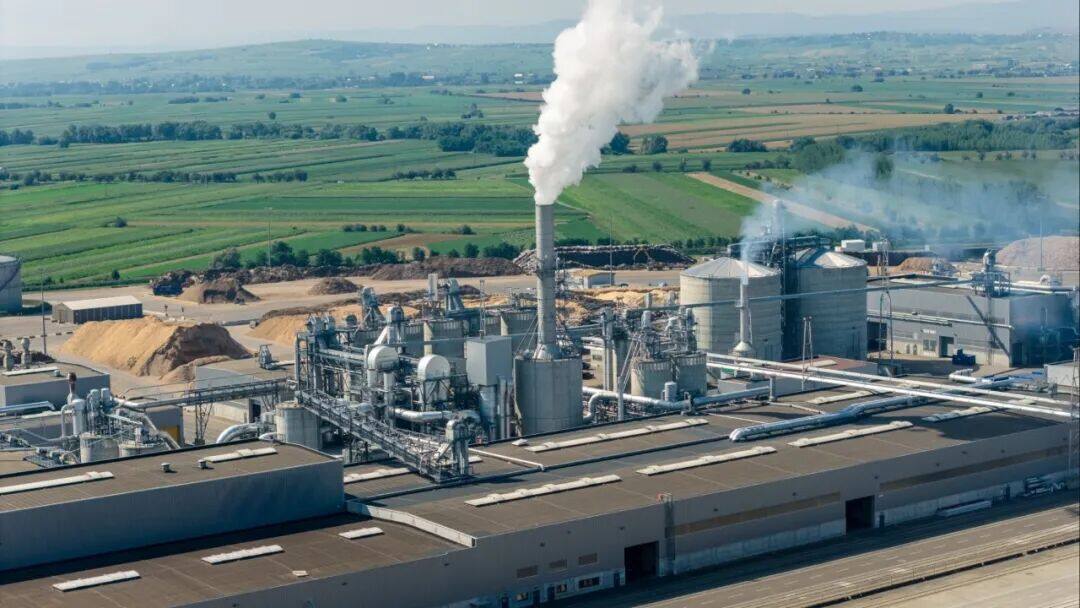
As a strategic flagship, the Legok Nangaka project has a total investment of $400 million and is expected to enter commercial operation by the end of 2029. At that time, this factory that processes 2000 tons of garbage per day will be transformed into an energy fortress. It is not just about burning garbage, but also a sophisticated resource cascade utilization system. High temperature incineration technology exceeding 800 degrees Celsius can effectively suppress harmful substances such as dioxins; Plastic waste will be processed into alternative fuels, and the residue can be used as building materials.
After the project is put into operation, it can reduce approximately 311000 tons of carbon dioxide equivalent emissions annually and deliver about 40 megawatts of stable clean electricity to the West Java power grid, which is sufficient to alleviate the electricity shortage in Bandung and surrounding areas. During the construction period, the project will also create about 1500 job opportunities, benefiting multiple regions such as Zhima Market.
nationwide layout
Legok Nangaka is not an isolated case, it is a microcosm of Indonesia's construction of a comprehensive waste management system. Currently, Danantara and Denera have completed the selection of the first 8 projects covering 20 cities and counties across the country. In the mega port of South Sumatra, the Keramasan power plant is progressing smoothly, with a planned daily processing capacity of 1000 tons of garbage; In Yogyakarta, the Kartamantul project is cultivating local technical talents through international cooperation. From West Java to Sumatra, Indonesia is forming a model that combines large-scale centralized treatment with community source reduction. keywords:Engineering infrastructure,keywords:Southeast Asia engineering information network
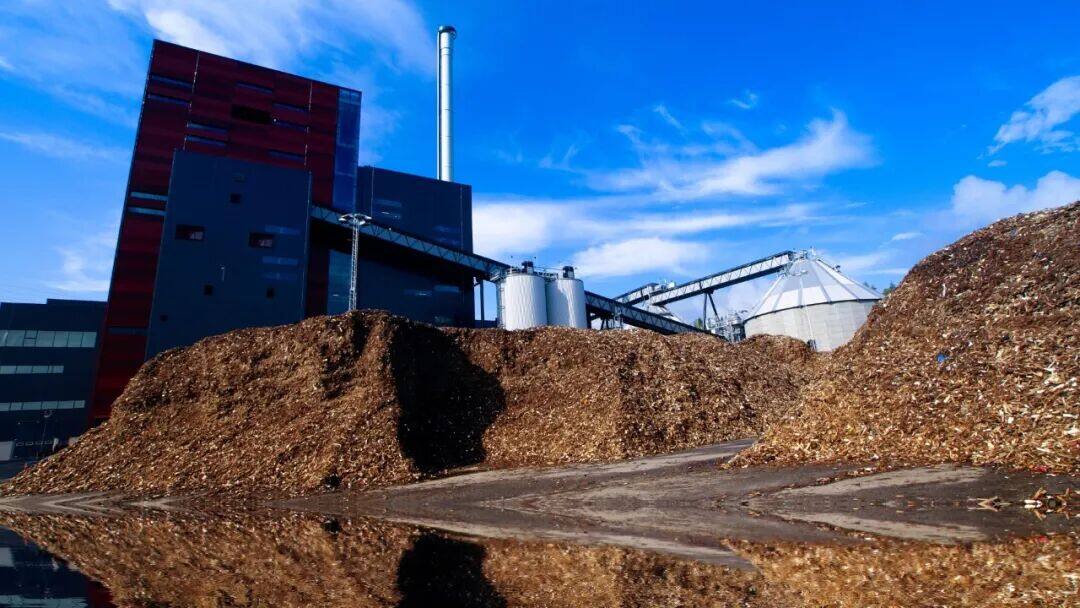
According to the plan, by 2029, waste to energy generation will undertake 22.5% of the national waste disposal task. This battle to break through the garbage siege is injecting strong momentum into Indonesia's green and low-carbon transformation.Editor/Yang Meiling
Comment


 Praise
 Collect
 Comment

 Share
Share


Write something~