 Search


- Egypt and Libya are about to reach an agreement on an 800 kilometer oil pipeline
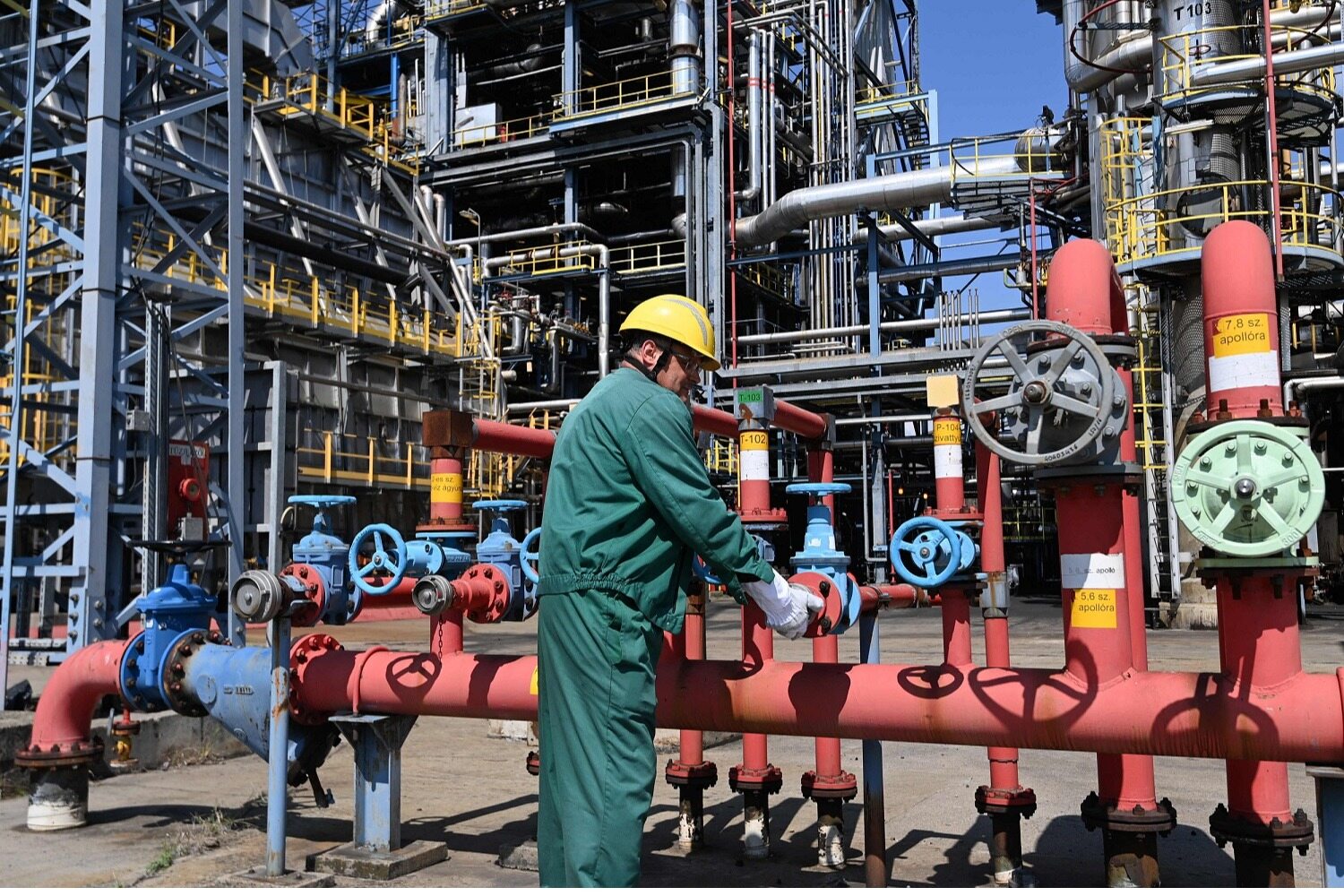
In the summer of 2026, a new batch of Libyan crude oil is being injected into storage tanks through the pipeline at the port of Alexandria in Egypt. The processing load of the plant has been fully loaded to 95%. Just as the joint working group of the energy departments of the two countries is about to finalize the final agreement, the 800 kilometer cross-border oil pipeline project connecting Tobruk, Libya and Alexandria, Egypt is opening up a new stable channel for the turbulent energy landscape of the Eastern Mediterranean.
Bilateral benefits open up cross-border energy channels
This oil pipeline, with a total cost of over 1 billion US dollars, is currently in the joint demonstration stage of financing plans, construction details, and final transportation capacity. The final capacity will match the increase in Libyan crude oil exports and the processing capacity of refineries along the Mediterranean coast of Egypt. After the project is put into operation, Egypt can directly obtain stable supply of Libyan crude oil without relying on ocean going oil tankers, completely bypassing the traditional Gulf crude oil transportation routes affected by geopolitical conflicts.
For Libya, this pipeline provides a new export path for the continuously rising domestic crude oil production. Currently, Libya's daily crude oil production is about 1.43 million barrels, condensate oil production is about 49000 barrels, and total liquid fuel production is 1.48 million barrels. The Libyan National Oil Company is making every effort to increase production capacity, aiming to stabilize crude oil production to 1.5 million barrels per day. The new pipeline will lock in nearby mature markets for incremental production capacity. In the first half of 2026, Libya's crude oil exports increased by 9% year-on-year, and this cross-border pipeline will further reduce its dependence on a single export route.
Significant improvement in regional energy resilience
The project is a core energy cooperation outcome finalized after talks between the Prime Ministers of Egypt and Libya, with both sides simultaneously agreeing to expand multidimensional cooperation in the fields of refining, natural gas, and electricity. Previously affected by geopolitical conflicts, Egypt's traditional Gulf crude oil supply was interrupted, and Egypt is seeking to import at least 1 million barrels of Libyan crude oil per month to fill the supply gap.
After the pipeline is put into operation, Libyan crude oil can be directly transported to the Mediterranean refining system in Egypt. The processed finished oil can not only supply the domestic market in Egypt, but also flow back to Libya through the pipeline to supplement the supply gap of finished oil in Libya. By 2026, the total processing capacity of domestic refining in Egypt has reached 1.2 million barrels per day. Previously, due to insufficient raw material supply, the average operating rate remained at around 70% for a long time. After the new pipeline is put into operation, it will directly drive refineries to operate at full capacity, greatly improving Egypt's self-sufficiency rate in refined oil products. Keywords: oil pipelines, Libyan crude oil exports
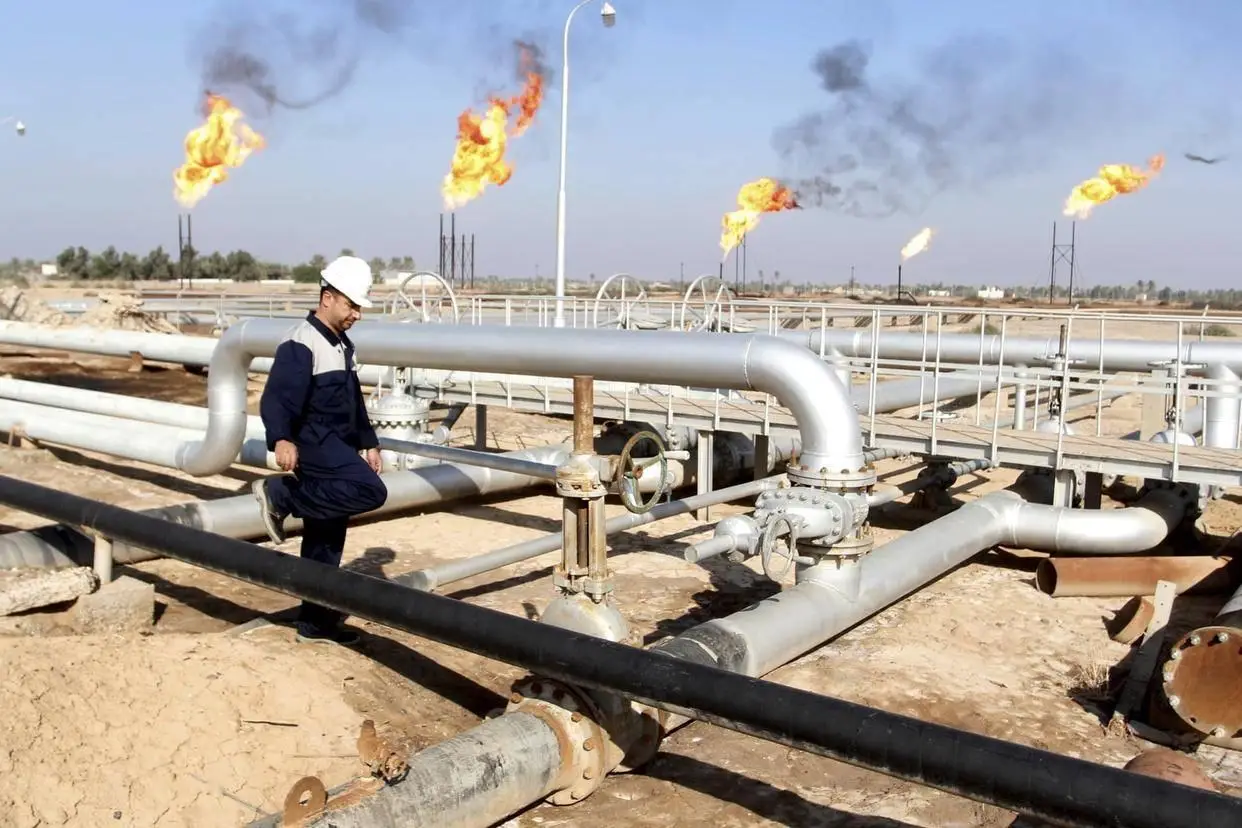
This 800 kilometer oil pipeline spanning the eastern Mediterranean coast did not choose the traditional long-distance transportation route, but instead connected the energy supply and demand gap between the two countries through land pipelines. Against the backdrop of continued geopolitical fluctuations in the Middle East in 2026, it has not only filled the gap in crude oil supply for Egypt, but also found a stable nearby market for Libya's incremental production capacity.Editor/Cheng Liting
Comment



 Praise
 Collect
 Comment

 Share
Share


Write something~