 Search


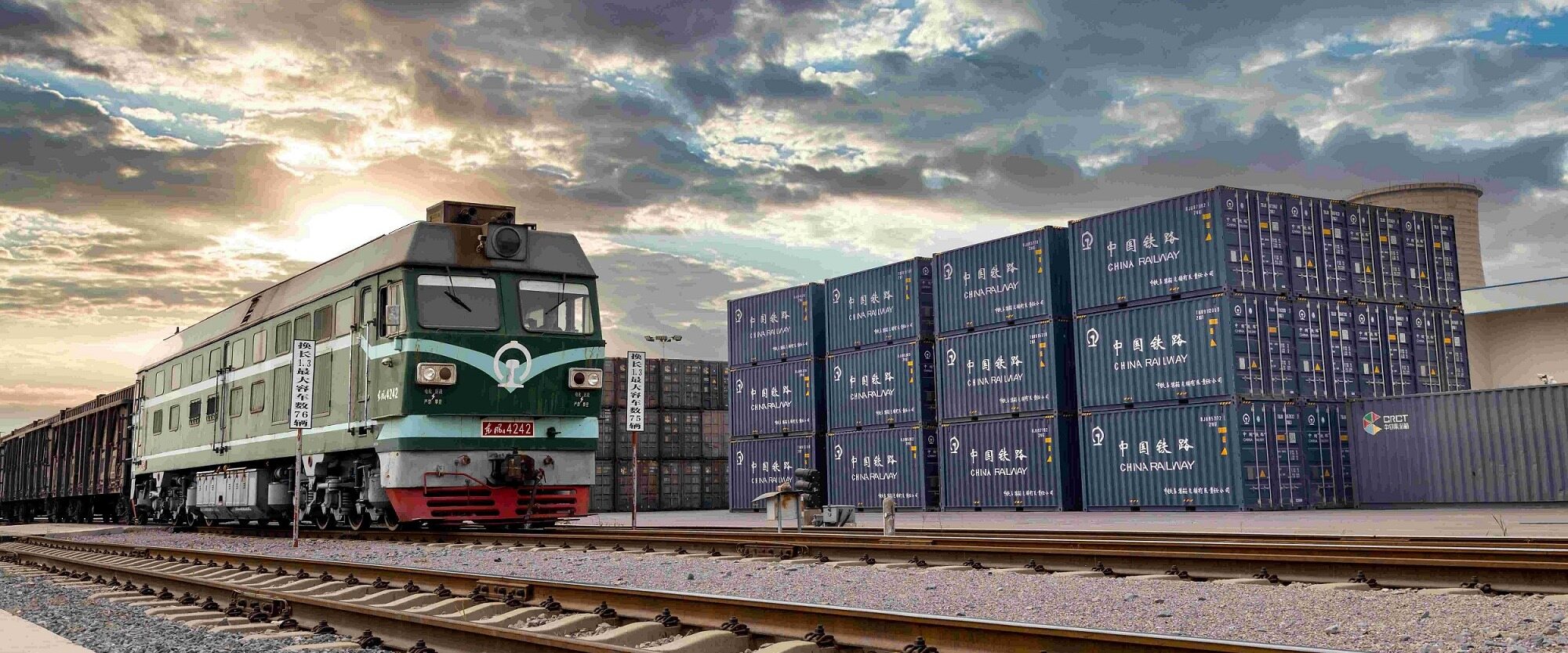
- Vietnam improves Hanoi Tongdeng standard gauge railway plan, with an investment of over 5 billion US dollars for 138 kilometers
- After completion in 2035, it will be directly connected to the Chinese railway network, reshaping the cross-border passenger and freight channel between northern Vietnam
At the Tongdeng Port in Liangshan in the early morning, trucks loaded with electronic components and agricultural products lined up in a long queue, and one step ahead was Pingxiang, Guangxi. In the past few decades, these goods have had to undergo a track change at the border - Vietnam's century old meter gauge is 1000 millimeters wide, China's standard gauge is 1435 millimeters wide, and the difference is 435 millimeters, consuming countless time and shipping costs.
Now, a new railway that welds Hanoi and Tongdeng into the same track gauge is moving from the drawings to the approval stage.
The Vietnamese Ministry of Construction has completed the pre feasibility study of the Hanoi Tongdeng railway and is currently soliciting opinions from departments and local areas along the investment and construction plan. This line starts from the north side of Anyuan Station in Hanoi and ends at Tongdeng Port in Liangshan, with a total length of about 138 kilometers. It connects Hanoi, Beining, and Liangshan, with 11 stations. It is the middle line channel facing Guangxi among the three cross-border standard gauge railways between China and Vietnam.
How to build 138 kilometers
The entire line adopts a standard gauge of 1435mm, with both passenger and freight lines. The designed maximum speed is 160 kilometers per hour, with reserved conditions for speeding up to 200 kilometers per hour; Due to the nature of port operations, the designed speed for the section from Tongdeng to the international intermodal connection point is 80 kilometers per hour. The first phase will build a single track, but all the roadbed, bridges, and station yards will reserve space for double tracks. In the future, when transportation capacity is tight, it can be directly expanded.
It is basically clear where the money comes from: the first phase is expected to invest over 137 trillion Vietnamese dong, equivalent to more than 5 billion US dollars, mainly from the Vietnamese national finance, with local governments along the route sharing the land acquisition and demolition and some supporting funds. In terms of operation, we will follow the path of separating infrastructure management from transportation operation - specialized institutions will manage route maintenance, while transportation companies will purchase tickets to enter the site and pay for driving according to the route.
The schedule is set for ten years: the pre feasibility study will close in July this year, investment proposals will be submitted to Congress in the third quarter, construction will begin before 2030, and efforts will be made to complete the project by 2035.
Why give up the meter gauge
The existing railway network in Vietnam originated from the colonial era's meter gauge, and the old line from Hanoi to Tongdeng is no exception. The rice gauge cannot run fast or pull much, and cross-border trains to Pingxiang must be changed or fitted with tracks. It takes more than ten hours to transport one truck of goods, resulting in high loss of fresh produce and dragging down factory delivery times.
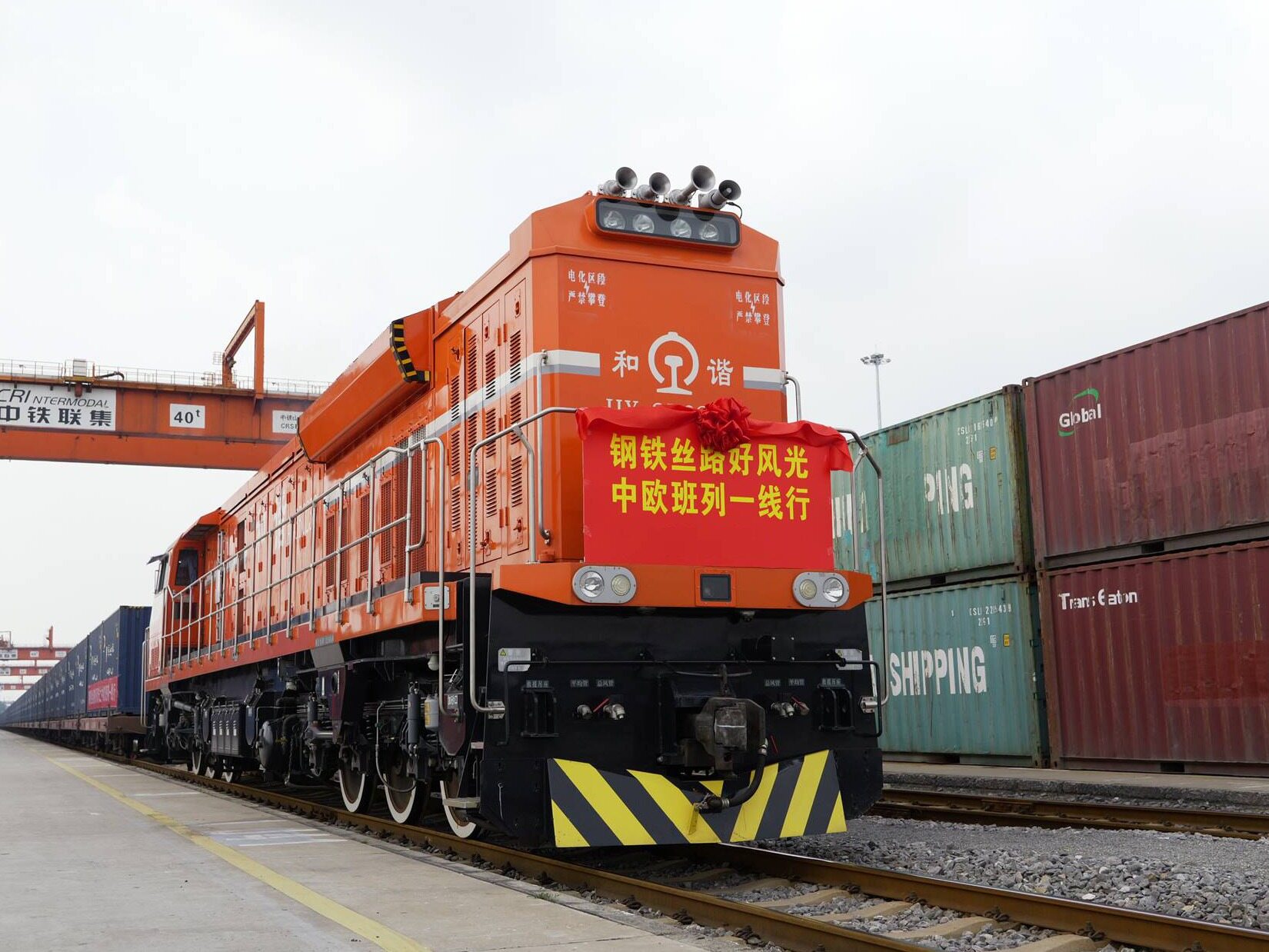
Changing the standard track is equivalent to lifting the ceiling off. Once Tongdeng Hanoi is connected to the Chinese road network, Nanning Pingxiang Tongdeng Hanoi will form a continuous standard gauge channel. International intermodal trains can be operated for passenger transport, and freight trains do not need to change wheelsets. They will travel north to connect with China Europe trains, passing through Central Asia and entering Russia and Europe.
For northern Vietnam, this is a crucial leap in transforming "relay race" logistics into "through train" logistics.
Three lines connecting the north
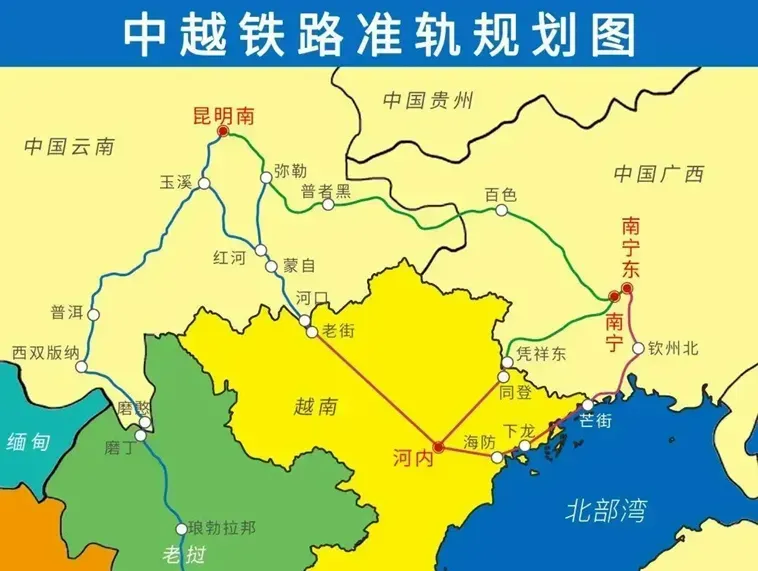
Hanoi - Tongdeng is not a solo breakthrough. China and Vietnam have formed a standard track pattern of shooting arrows in the west, center, and east: the western old street Hanoi Haiphong is about 390 kilometers long, and some stations have been built by the end of 2025, with a speed of 160 kilometers per hour and a gauge of 1435 millimeters, connecting to the mouth of Yunnan River; The distance from Mangjie on the east side to Halong Bay and Haiphong is about 187 kilometers, adjacent to Dongxing, Guangxi. The planning agreement has been signed; The middle line is from Tongdeng to Hanoi, which is located at the Pingxiang Port.
After all three lines are landed, the North Vietnam Industrial Zone, Haiphong Port, Hanoi Hub, and Southwest China Port will be woven into a mixed passenger and freight network. Vietnam's trade volume with China has exceeded 290 billion US dollars. Standard rail transit means that there is less transit for incoming parts, mobile phones, and textiles. Border warehouses, bonded warehouses, and the "dual parks of the two countries" now have a physical framework.keywords:Engineering infrastructure
The first standard track whistle to sound at Tongdeng Station in 2035 is likely not an ordinary train entering the station, but a signal for the rewiring of the economic map in northern Vietnam.Editor/Yang Meiling
Comment



 Praise
 Collect
 Comment

 Share
Share


Write something~