 Search


- In the second quarter of 2026, China's energy storage overseas model will upgrade and shift towards differentiated roots
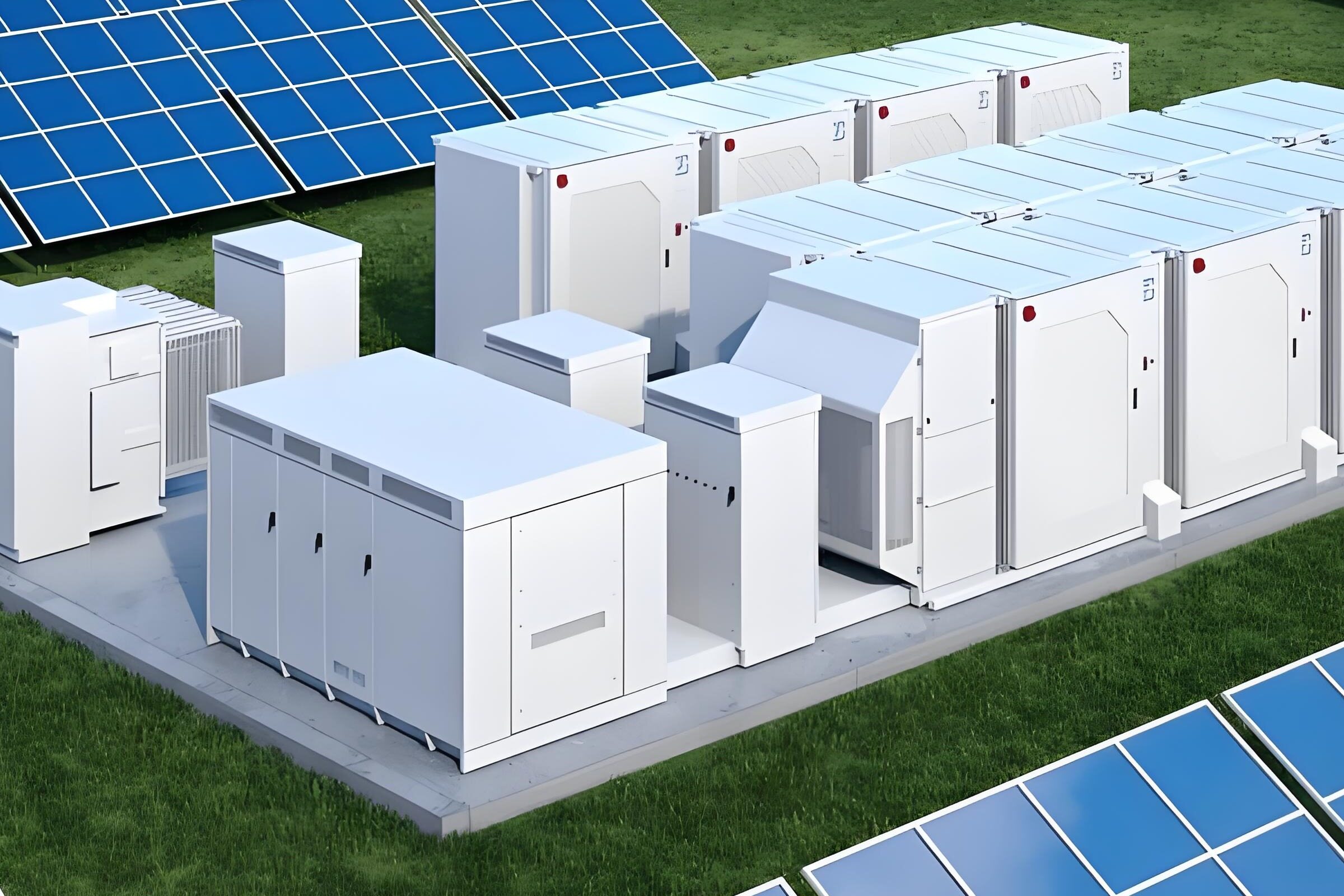
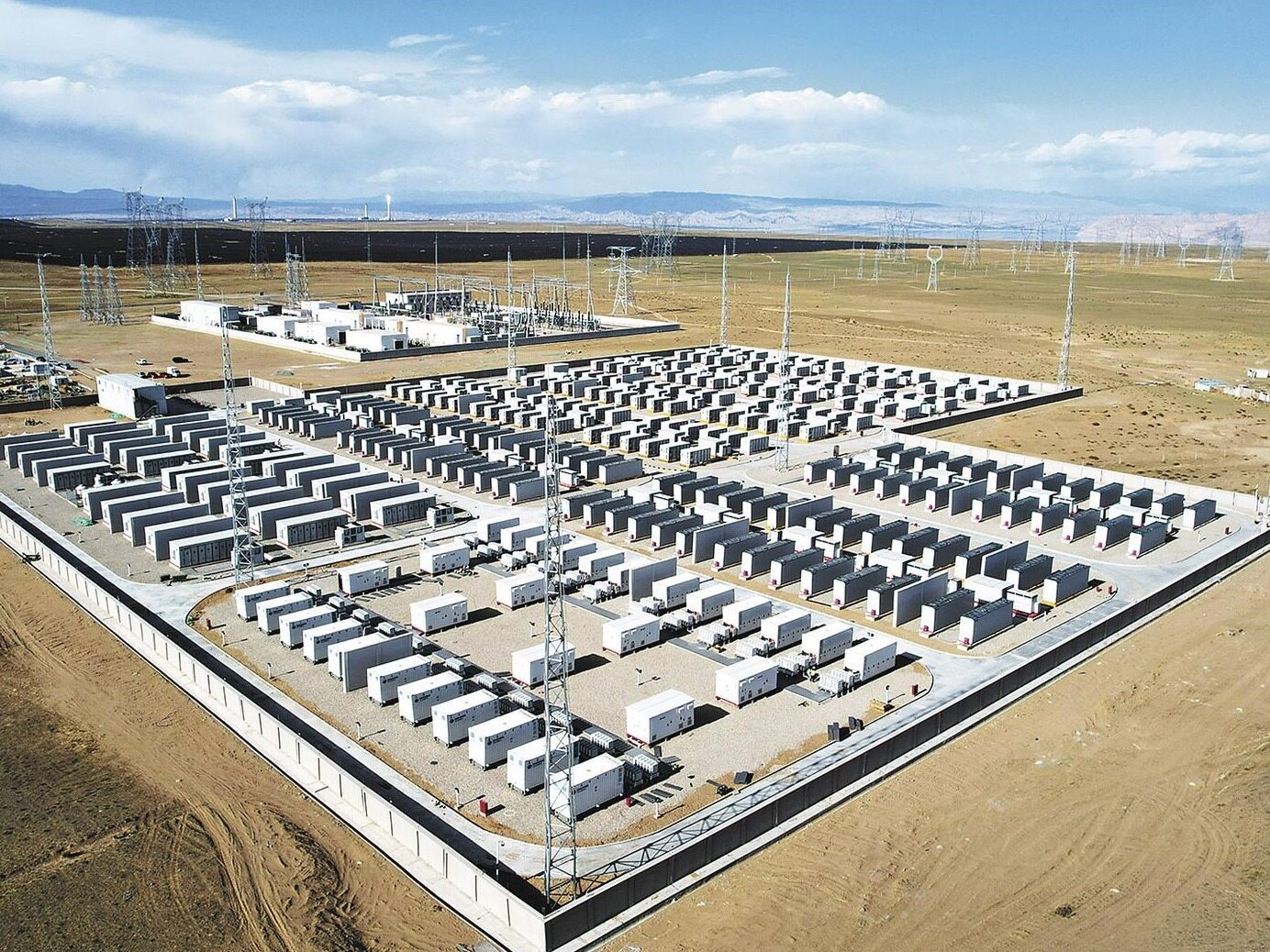
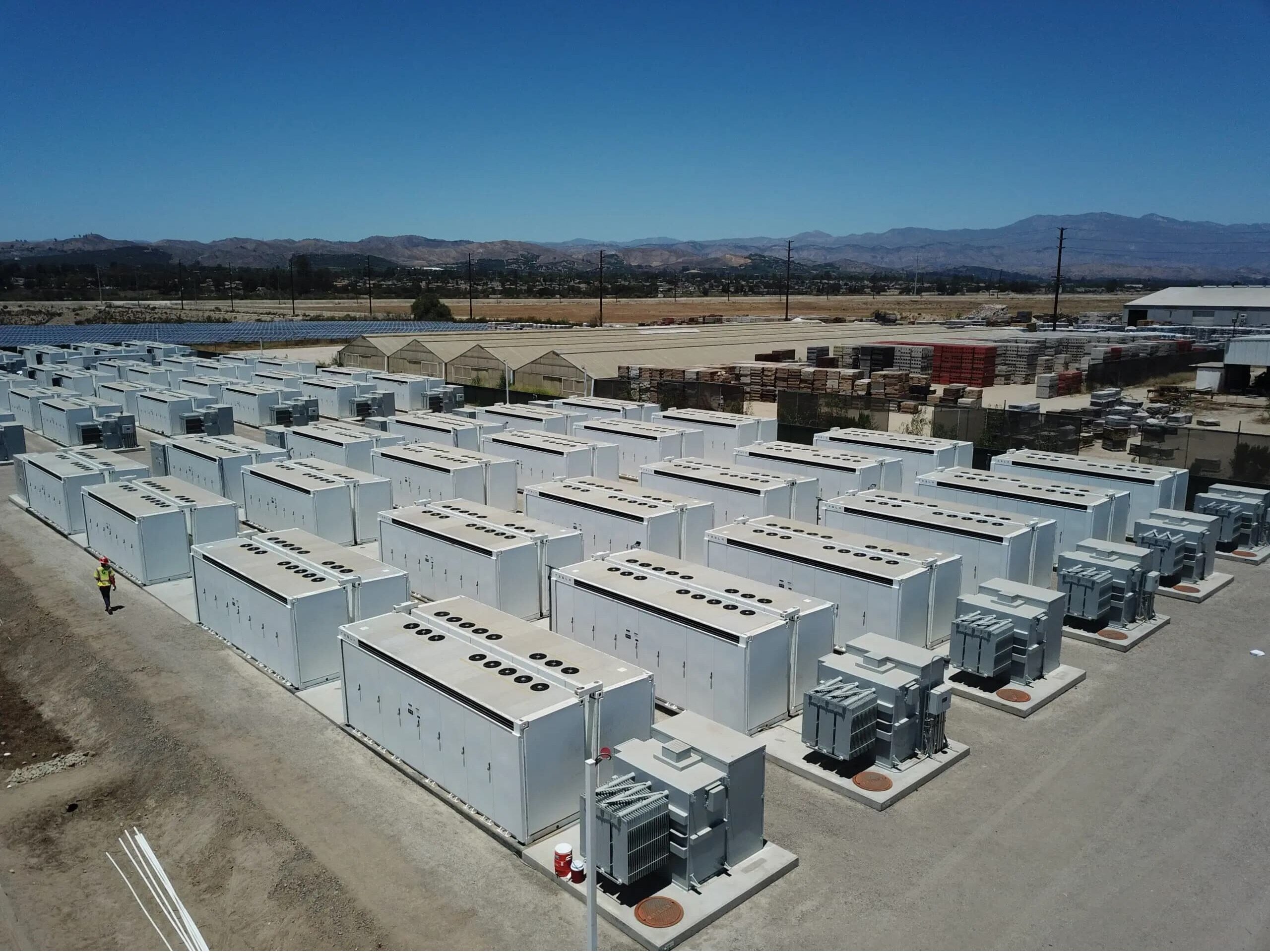
In the second quarter of 2026, there was a historic turning point in the data of China's overseas renewable energy projects. The number of energy storage projects has surpassed photovoltaics for the first time, increasing from 12 in the same period of 2025 to 21, an increase of 75%. At the same time, Pakistan will import 4.6 GWh of lithium battery energy storage systems in 2025, a year-on-year increase of 220%; Southeast Asia is expected to add 100 GWh of energy storage from 2026 to 2030; In the first half of 2026, Chinese enterprises won over 40GWh of energy storage orders in the Middle East and Africa. Behind the data is a clear picture: the energy storage demand of countries along the the Belt and Road is changing from concept to order, from pilot to rigid demand. Chinese energy storage companies are undergoing a wave of going global that is different from the photovoltaic era, with cheaper products, more diverse models, and more differentiated competition.
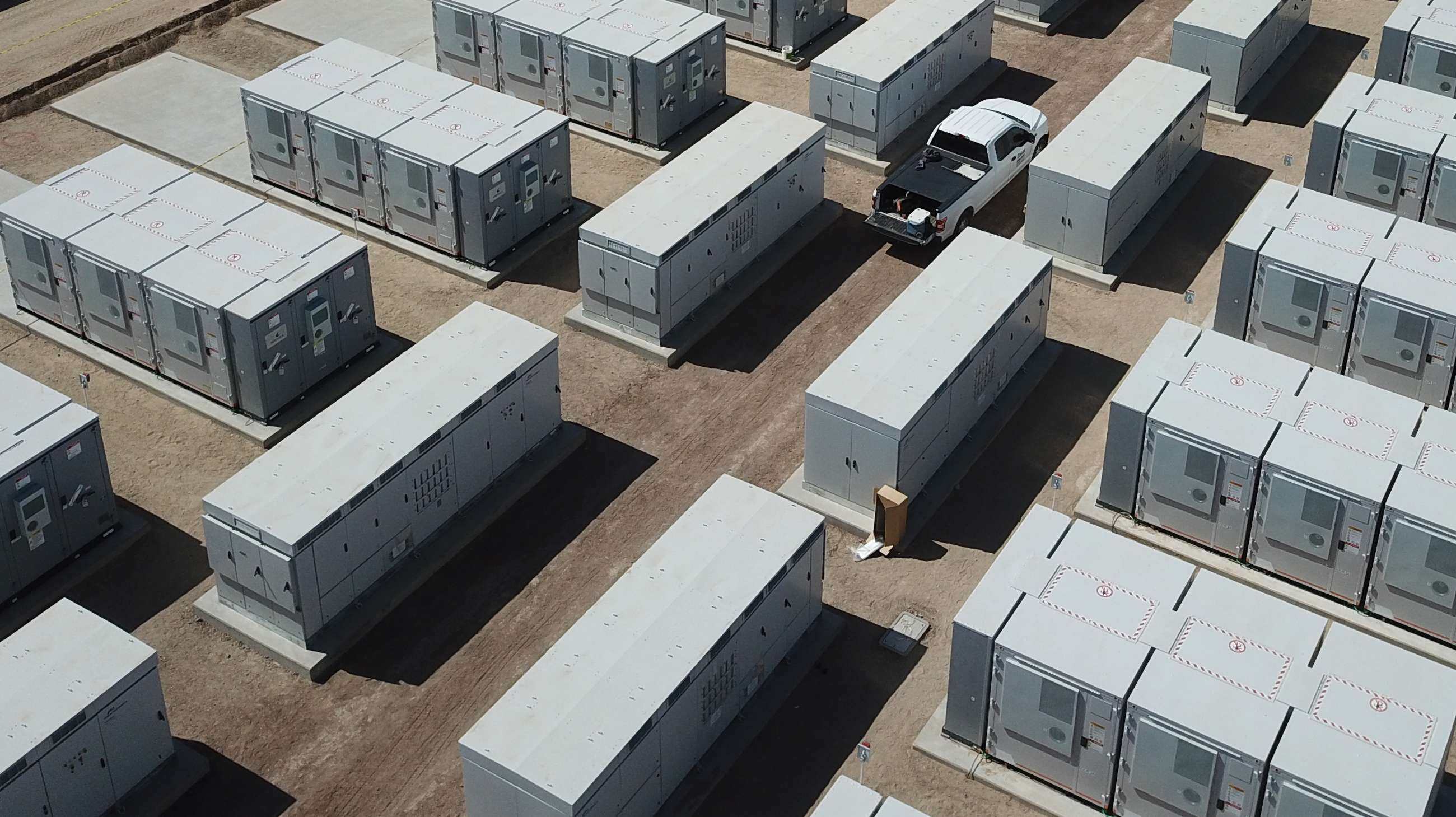
Number of Projects First Super Photovoltaic
In the second quarter of 2026, the number of energy storage projects in China's overseas renewable energy projects surpassed photovoltaics for the first time, with the number of projects increasing from 12 in the same period of 2025 to 21, an increase of 75%. Southeast Asia is expected to add a total of 100 GWh of energy storage from 2026 to 2030. In the first half of 2026, Chinese companies won over 40GWh of energy storage orders in the Middle East and Africa region, a year-on-year increase of 17%. By 2025, the total overseas orders of Chinese energy storage enterprises will exceed 350GWh, with a year-on-year growth of over 90%. Pakistan is not an isolated case. In 2025, the country imported 4.6 GWh of lithium battery energy storage systems, a year-on-year increase of 220%. In April 2026, the monthly import reached 652.2 MWh, a 15 fold increase from the 42 MWh in January 2024.
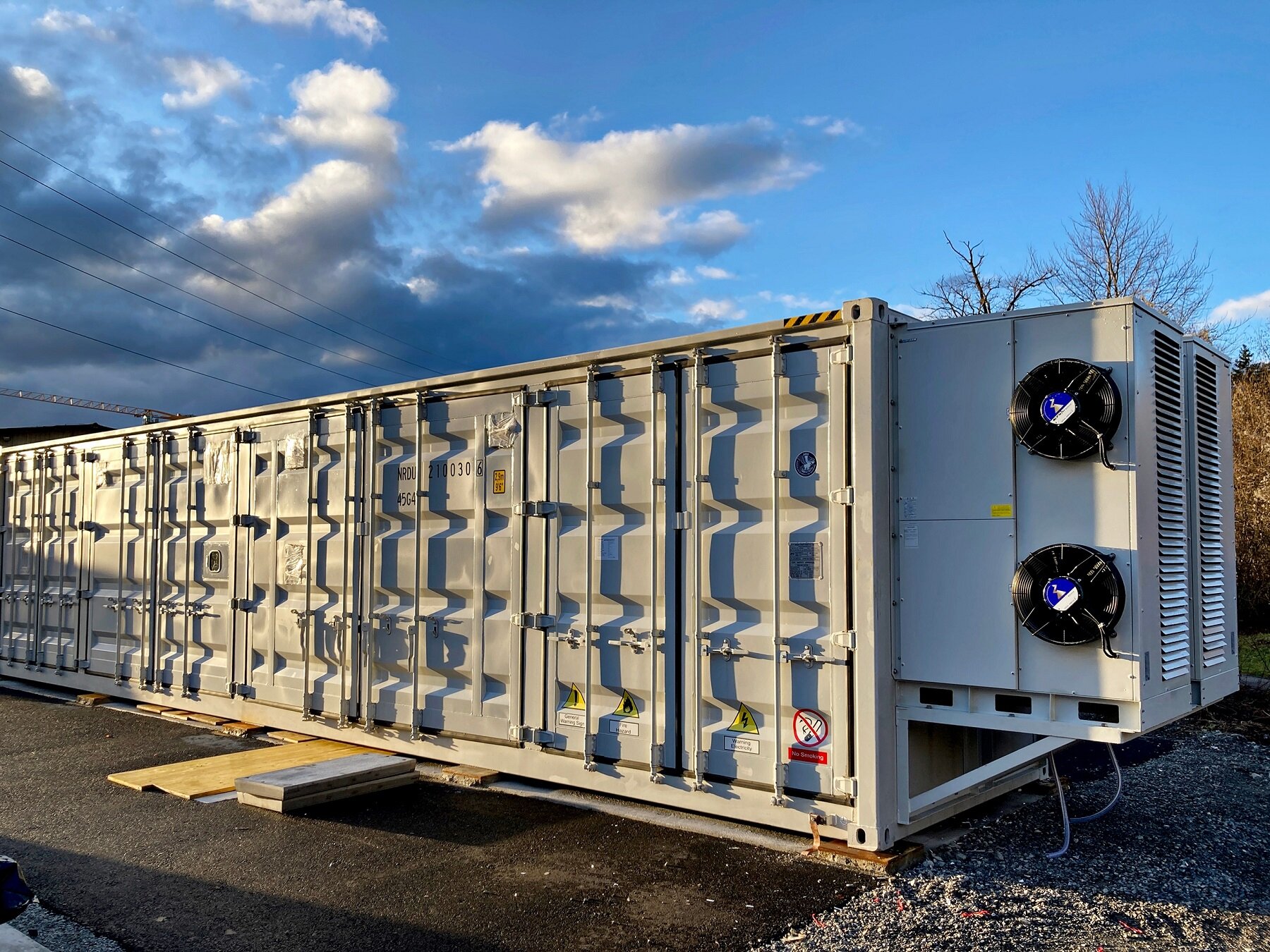
From selling equipment to selling solutions
In July 2026, Saudi Electricity Procurement Company announced the second batch of pre qualification list for independent energy storage projects, with a total scale of 3GW/12GWh. Among the 27 shortlisted companies, 7 are Chinese companies. This batch of projects adopts BOO mode, and the winning bidder must hold 100% equity of the project company and sign a 15 year energy storage service agreement. In June 2026, China Energy Engineering Corporation, Guoxuan High Tech, and AMEA Power of the United Arab Emirates signed an agreement. In addition to the EPC projects for two independent energy storage power stations with a total capacity of 1.5GWh, it also includes a localized manufacturing base for energy storage batteries with a planned annual output of 3GWh. Tronmei Energy Storage has signed a memorandum of cooperation with Yemen for a 50MW centralized photovoltaic BOT project, transforming from an equipment supplier to a comprehensive service provider for project investment, development, construction, and operation. The 100MW/200MWh full capacity grid connected Qier Energy Storage Project in Uzbekistan adopts non recourse project financing. Chinese energy storage companies going global are shifting from selling shovels to mining on their own, earning price differences from equipment exports, engineering fees from EPC, and long-term operational profits from BOO and BOT. Keywords: New energy news and information, energy storage, photovoltaics
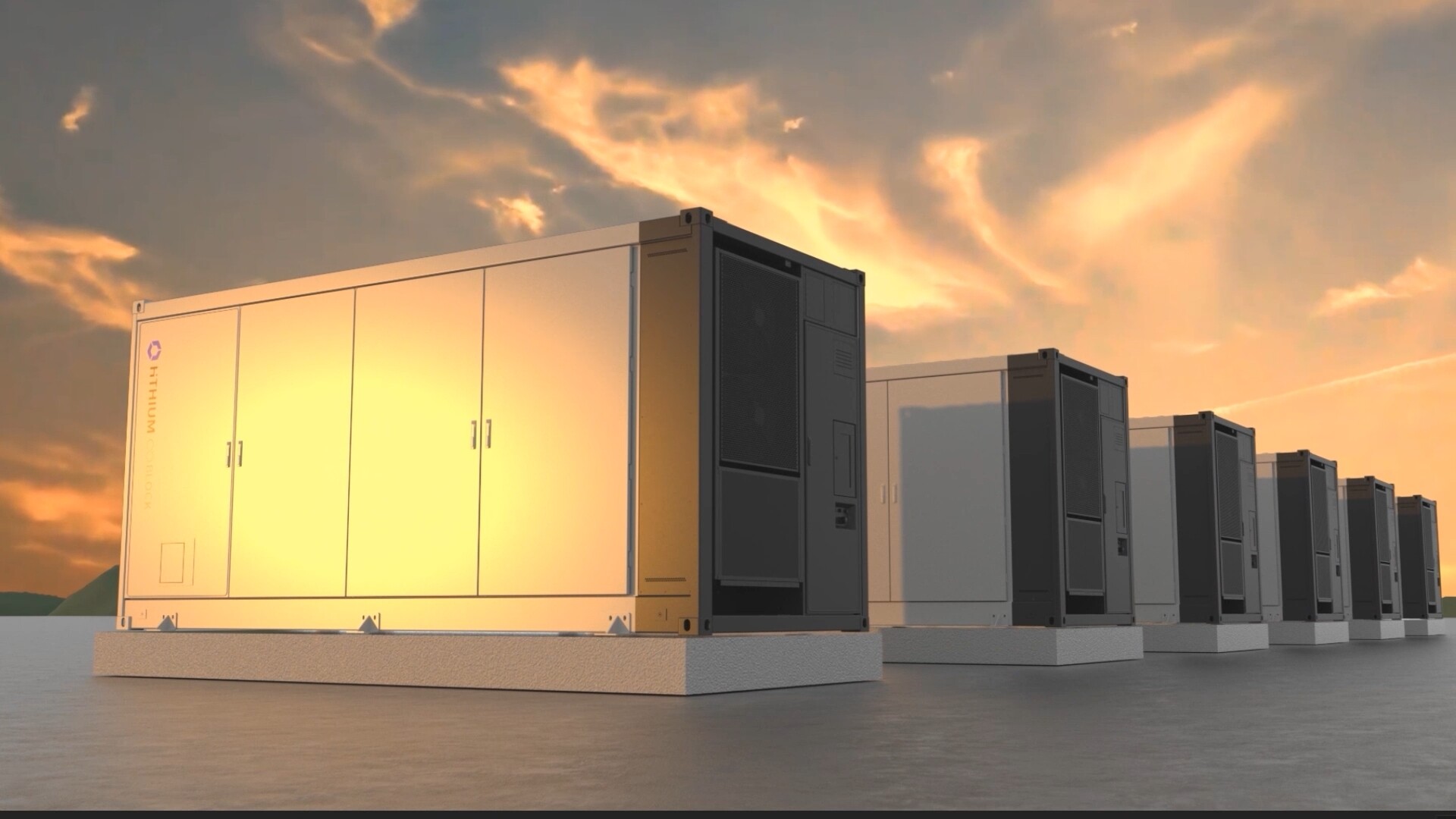
Differentiation rooted globally
The global energy storage market is not a monolithic entity, as each market has different demands, policies, and pain points. The Middle East market is large, with state led mega projects often reaching the GWh level. Saudi Arabia plans to provide 48GWh energy storage power stations by 2030, and by the first quarter of 2026, the Middle East region will account for 37.4% of Chinese overseas energy storage projects. The Southeast Asian market is benefiting from policy dividends, with the Philippines implementing mandatory storage allocation policies, Vietnam requiring no less than 10% for newly built centralized photovoltaic storage systems, and Malaysia's LSS6 tender explicitly requiring supporting BESS. The African market is eating off grid and microgrid. China Railway Resources has put into operation Africa's first mine supporting photovoltaic storage off grid power supply system in the Democratic Republic of Congo, and China Energy Engineering Hunan Institute has signed a contract with Congo Jinkamoa Phase II 235MW photovoltaic and 581MWh energy storage off grid power station. The Pakistani market is focused on household supplementary installations. 7.3 million households have installed photovoltaics, but 96% do not have energy storage. They store electricity during the day and use it at night, resulting in a difference of 22 to 37 rupees per kilowatt hour. Chinese energy storage companies are using different approaches to enter different markets, from going global to integrating.Editor/Gao Xue
Comment

 Praise
 Collect
 Comment

 Share
Share


Write something~