 Search


- Relying on the Belt and Road cooperation, Chinese enterprises help upgrade infrastructure in East Africa
- Collaborative improvement of quality and efficiency through dual corridors, reshaping the regional logistics development pattern
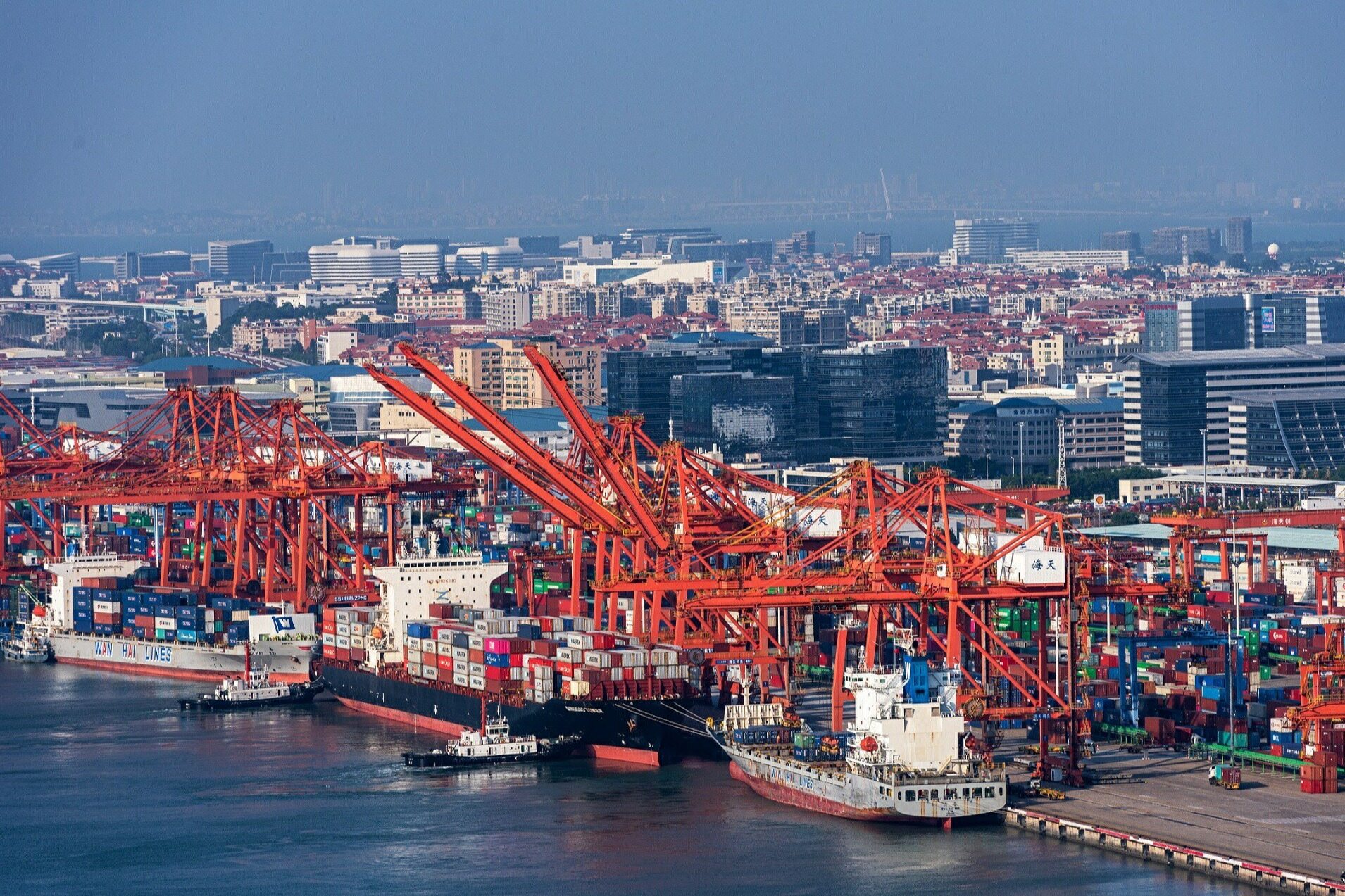
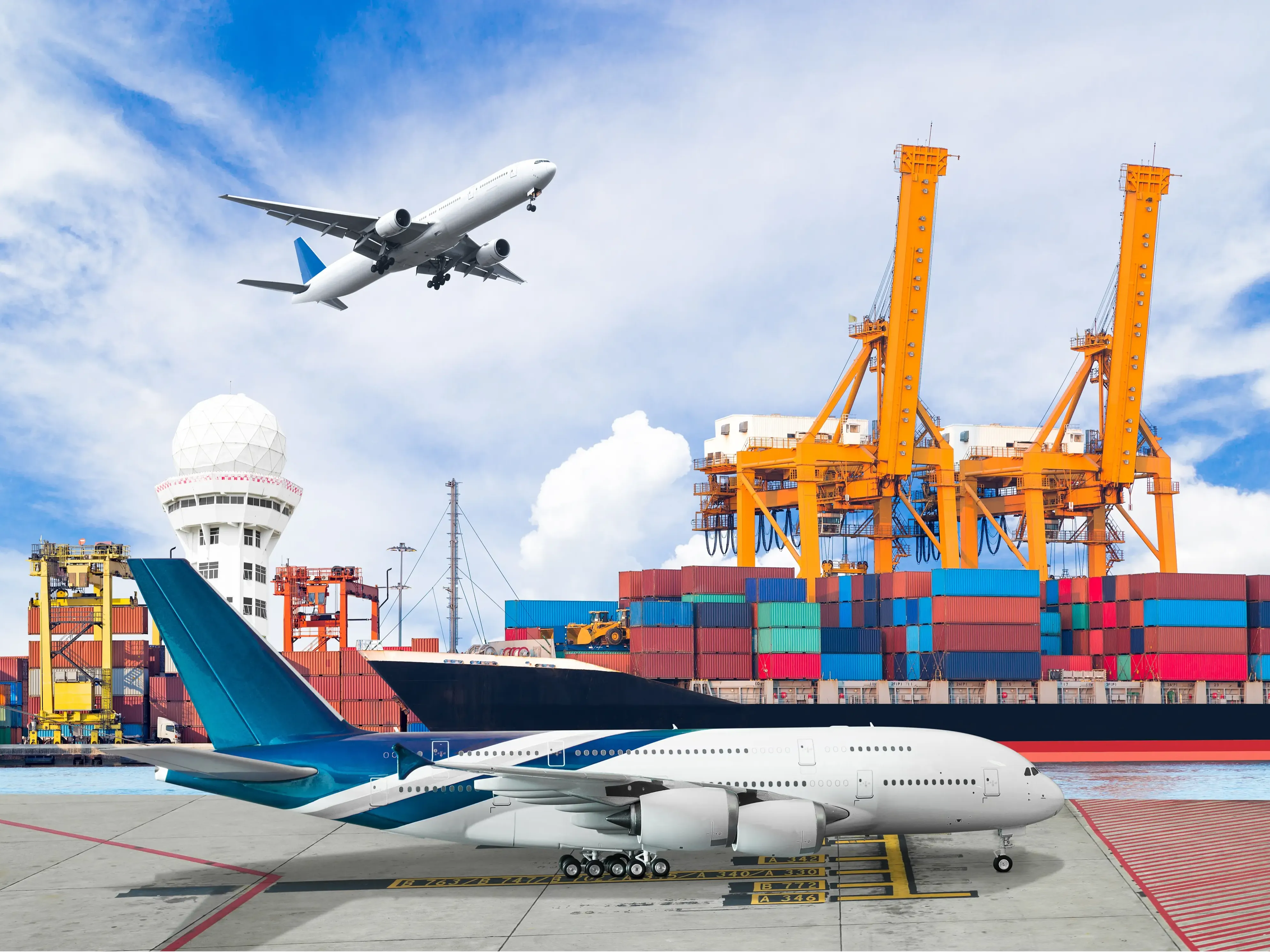
The sea breeze of the Indian Ocean finally connects with the whistle of the East African Plateau. The official opening of Tanzania's port rail intermodal transportation marks a breakthrough in the logistics pattern of East Africa from a single point to network collaboration - ports, railways, and cross-border corridors are deeply intertwined, and a trade artery connecting land and sea is accelerating its formation in the hinterland of East Africa.
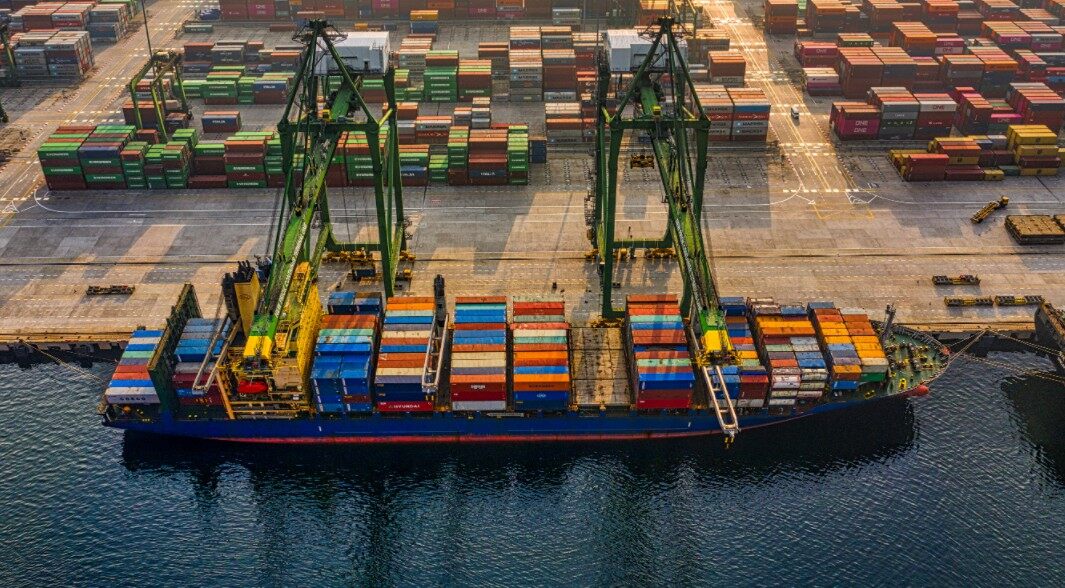
Tanzania has officially opened direct freight services from Dar es Salaam Port, and the port rail intermodal transportation system has been put into operation. The new model can effectively alleviate port congestion, improve transportation efficiency, and further consolidate Tanzania's position as a logistics hub in East Africa. At present, East Africa is continuously improving its sea land cross-border channels, and the construction of the two major international logistics corridors in the north and central regions is steadily accelerating.
Rapid growth of regional trade
The population of the East African Community exceeds 330 million, making it one of the fastest-growing regional economies in Africa. In the fourth quarter of 2025, the trade volume within the Eastern Community reached 19.3 billion US dollars, a year-on-year increase of 28%. The rapid growth of trade has forced the upgrading of the logistics system. The new development strategy of the Eastern Community proposes to improve cross-border infrastructure, unify customs systems, optimize customs clearance environments, and comprehensively enhance regional connectivity and economic and trade competitiveness.
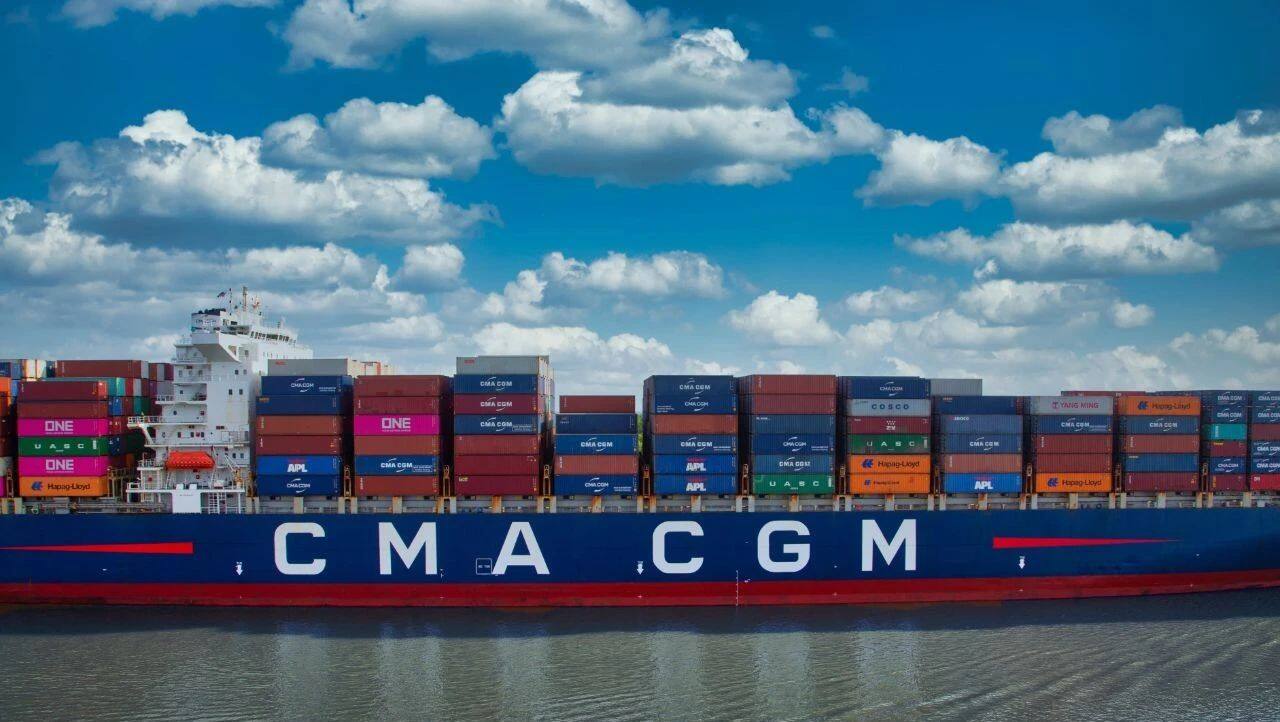
Collaborative upgrade of two major corridors
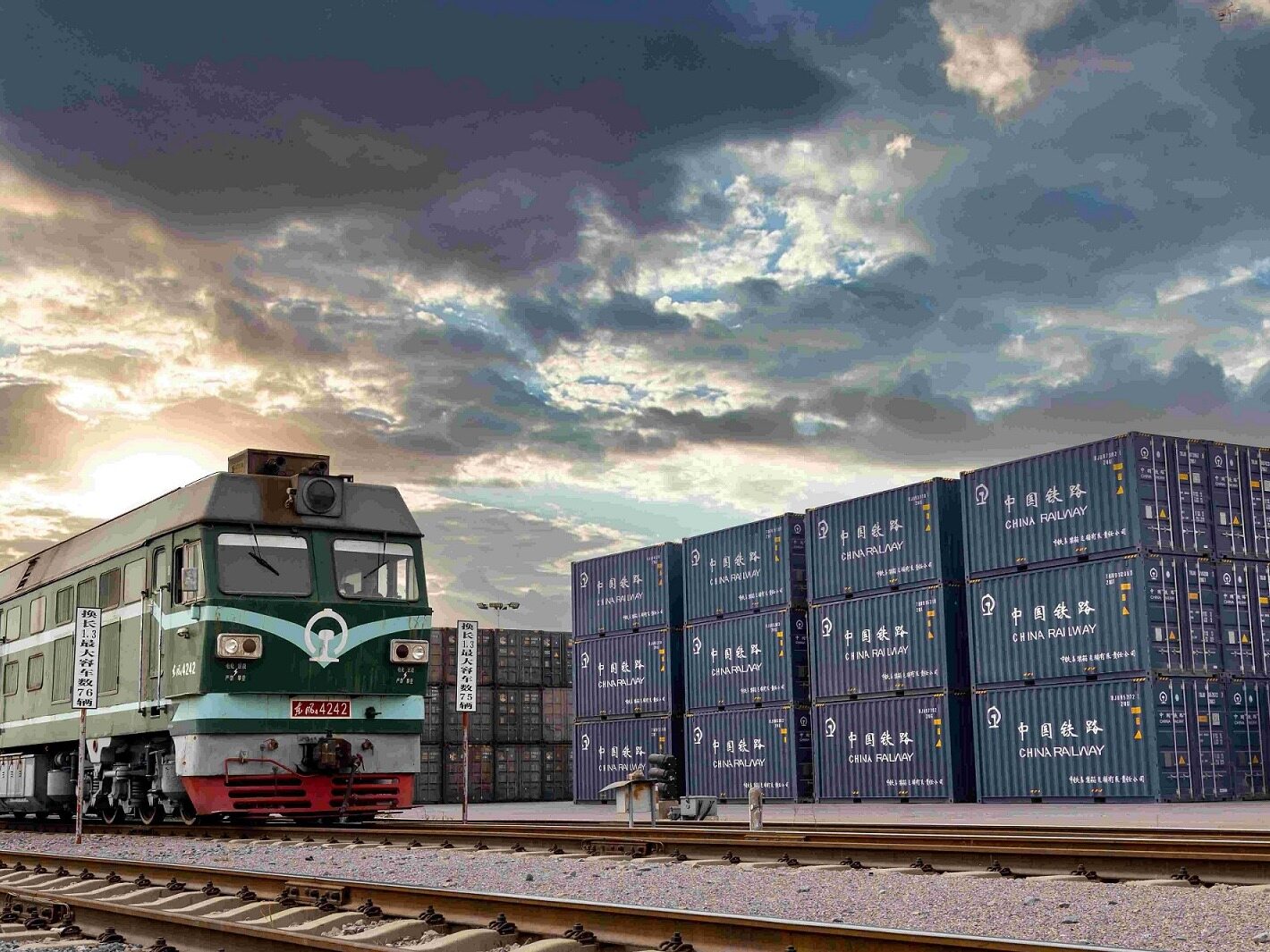
The two major logistics corridors in East Africa are simultaneously improving quality and expanding capacity. The northern corridor of Kenya relies on Mombasa Port, the Mombasa Nairobi Railway, and the Nairobi Malaba Railway, radiating to multiple inland countries. By 2025, the port throughput and transit freight volume will significantly increase, and the supporting infrastructure will continue to iterate and upgrade. Tanzania is making every effort to build a central corridor, significantly enhancing the regional logistics carrying capacity through port expansion and the operation of standard gauge railways.
Continuous optimization of logistics pattern
Previously, inland countries in East Africa had a single transportation channel and prominent logistics shortcomings. Nowadays, regional ports, railways, highways, and inland logistics nodes are deeply connected, and a diversified cross-border transportation network is formed, effectively reducing logistics costs and improving trade facilitation levels. The process of logistics integration in East Africa continues to accelerate. Keywords: East African logistics, regional trade, connectivity, the Belt and Road news
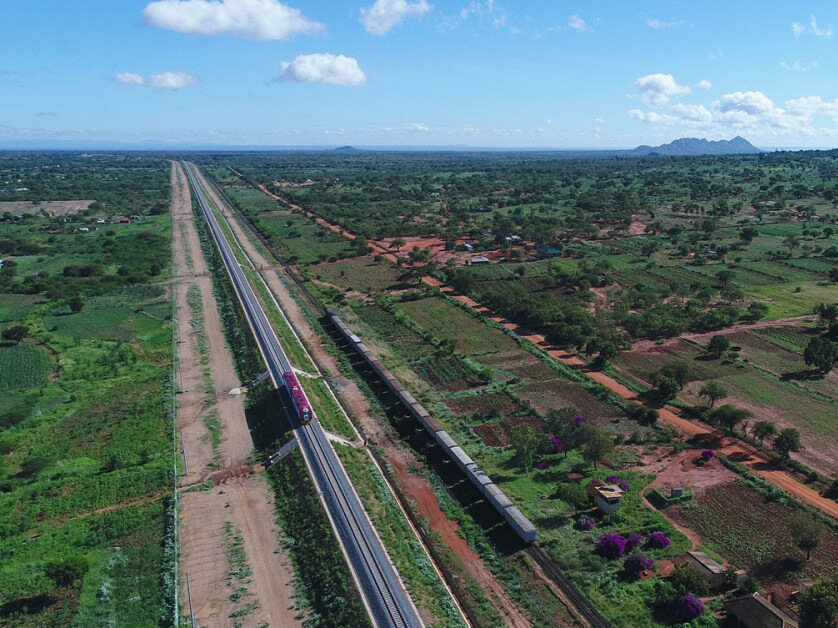
Chinese enterprises are the core force in upgrading logistics infrastructure in East Africa, deeply involved in the construction of key local channels. The upgrading of ports in Tanzania and the landing of standard gauge railways, as well as benchmark projects such as the Mombasa Nairobi Railway and the Nairobi Malaba Railway in Kenya, have greatly improved the transportation network in East Africa and benefited market entities and people along the route. Relevant projects are deeply connected with the construction layout of the Belt and Road connectivity. Relying on the practical cooperation between China and Kenya, China and Tanzania, the cross-border logistics channel in East Africa is unblocked, which injects lasting momentum into China Africa economic and trade integration and regional coordinated development.Editor/Gong Ziwei
Comment




 Praise
 Collect
 Comment

 Share
Share


Write something~