 Search


- PetroChina participates in Tajikistan's ultra deep exploration, helping the country's energy breakthrough
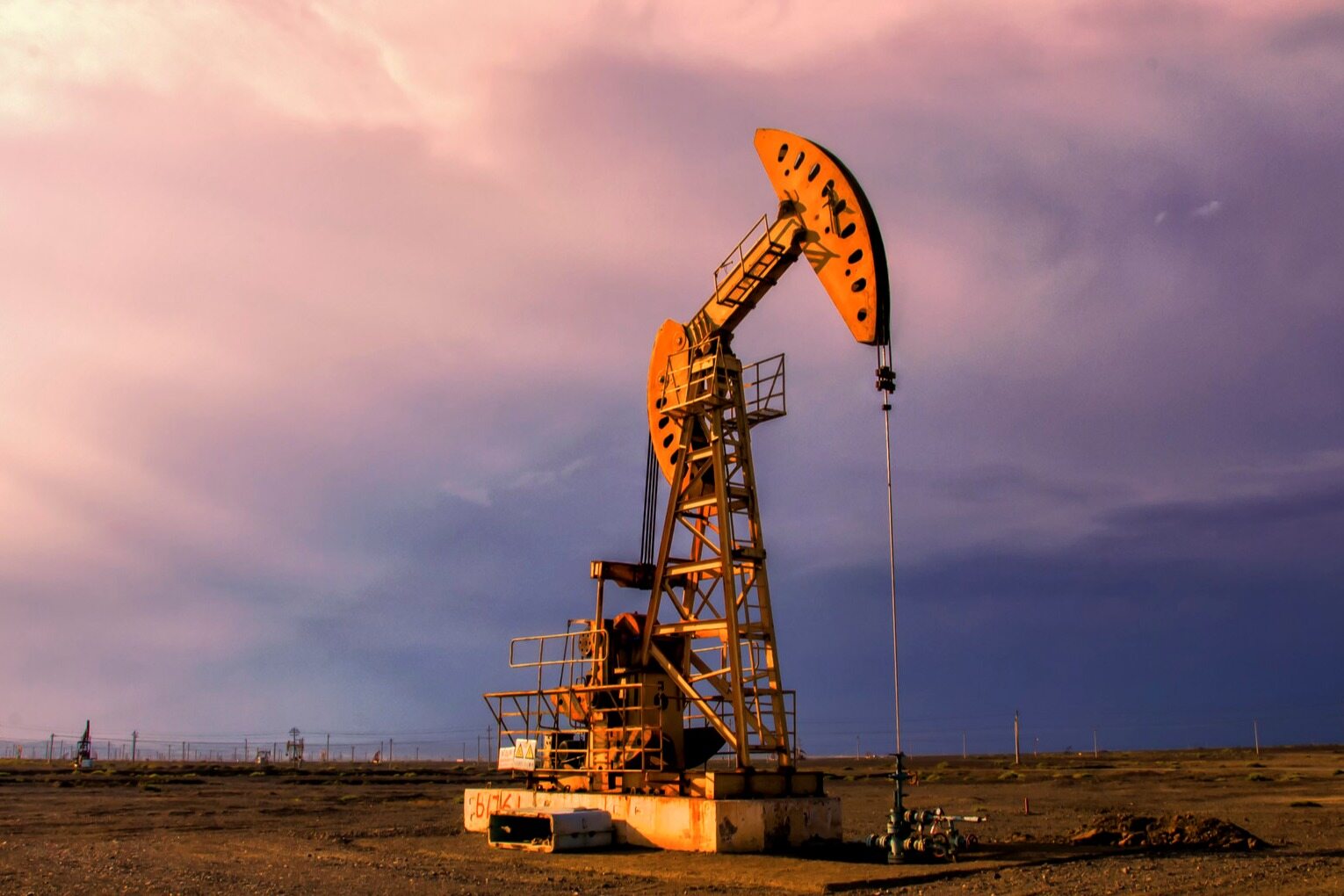
Recently, the latest progress has been reported from the Bohtar oil and gas block in Tajikistan. This exploration area located in the hinterland of Central Asia is about to welcome the first ultra deep exploration well with a designed depth of 7000 meters. From magnetic and gravity surveys in 2024, to 2D seismic surveys in 2025, and now the official disclosure of drilling plans, the energy cooperation between PetroChina and Tajikistan is shifting from surface surveys to underground drilling. Once significant discoveries are made, this country, which has long relied on imports for oil and gas resources, is expected to rewrite the energy landscape.
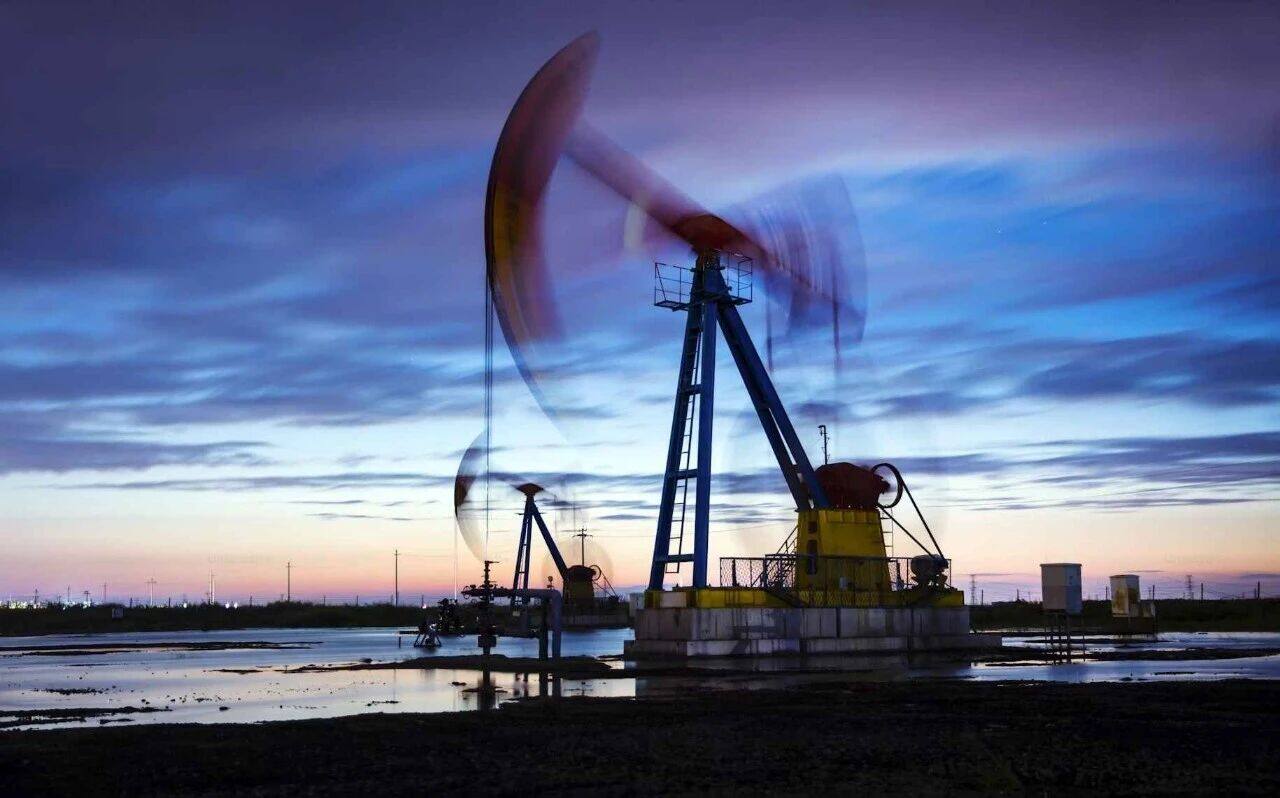
Disclosure of Ultra Deep Exploration Plan
Tajikistan plans to start drilling the first ultra deep exploration well in the Bohtar oil and gas block in early 2027, and the project will be jointly implemented with China National Petroleum Corporation based on a product sharing agreement. The geological assessment of prospective reserves and seismic data processing are currently being finalized. In 2024, China Petroleum completed magnetic and gravity surveys in an area of 15400 square kilometers in the region, and in 2025, conducted a two-dimensional seismic survey covering 1017 kilometers. The planned well is designed to have a depth of up to 7000 meters, with a focus on ultra deep salt structures. However, whether the area contains large-scale oil and gas resources ultimately needs to be verified through drilling.
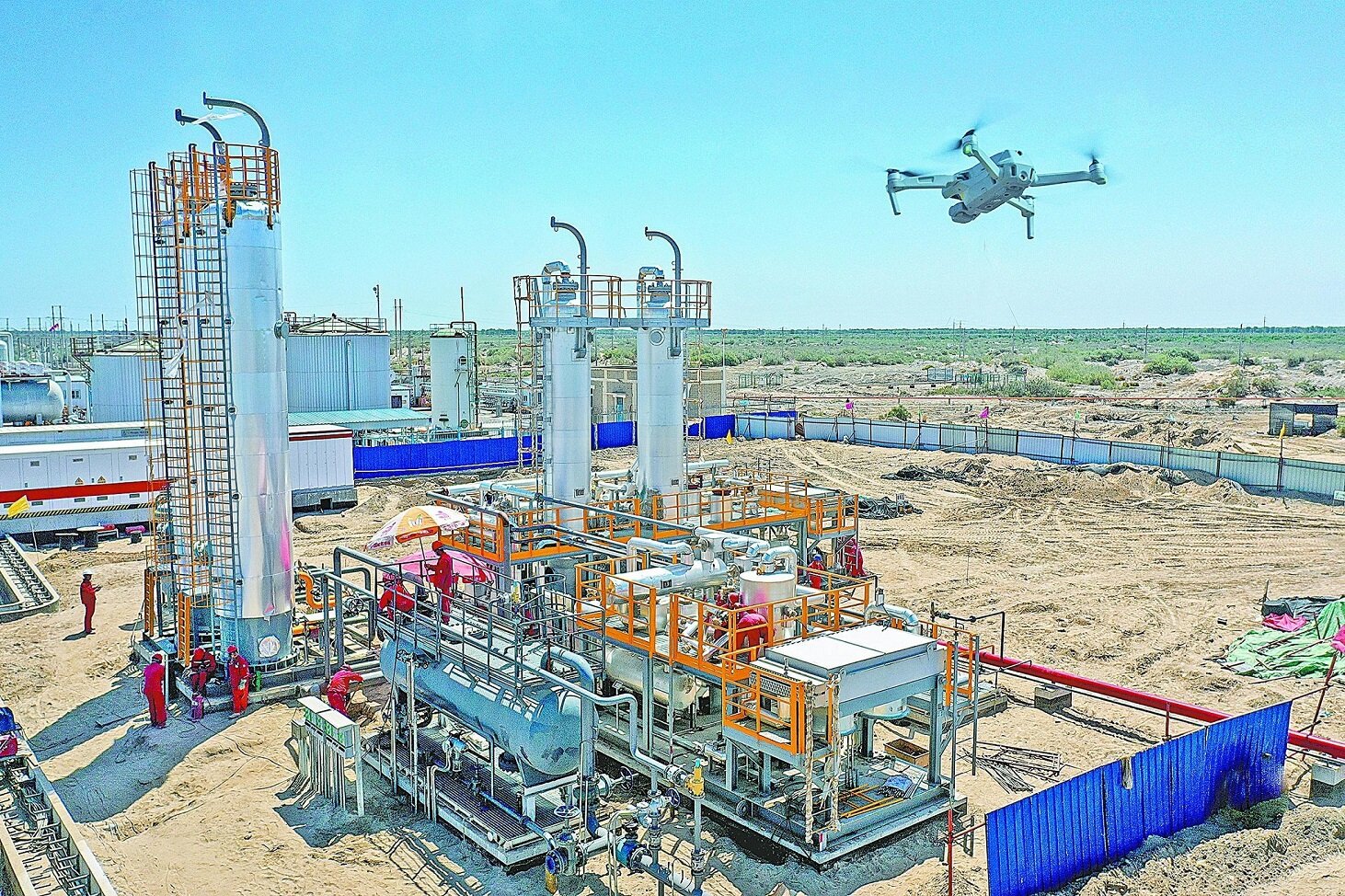
The energy crisis has reached a turning point
For Tajikistan, the Bohtar project may be a crucial step. The country's oil and gas production has been low for a long time, and its energy dependence on foreign countries is high. Once the Bohtar block is discovered, Tajikistan is expected to optimize its energy structure and reduce its external dependence. However, the cost of ultra deep drilling is high and the geological risks cannot be underestimated. The country has relatively limited investment and advanced technology in this field. The participation of PetroChina has lowered the technical and financial barriers for complex geological exploration, providing important support for the energy independence of Central Asian landlocked countries. Keywords: the Belt and Road news, oil fields, energy exploration
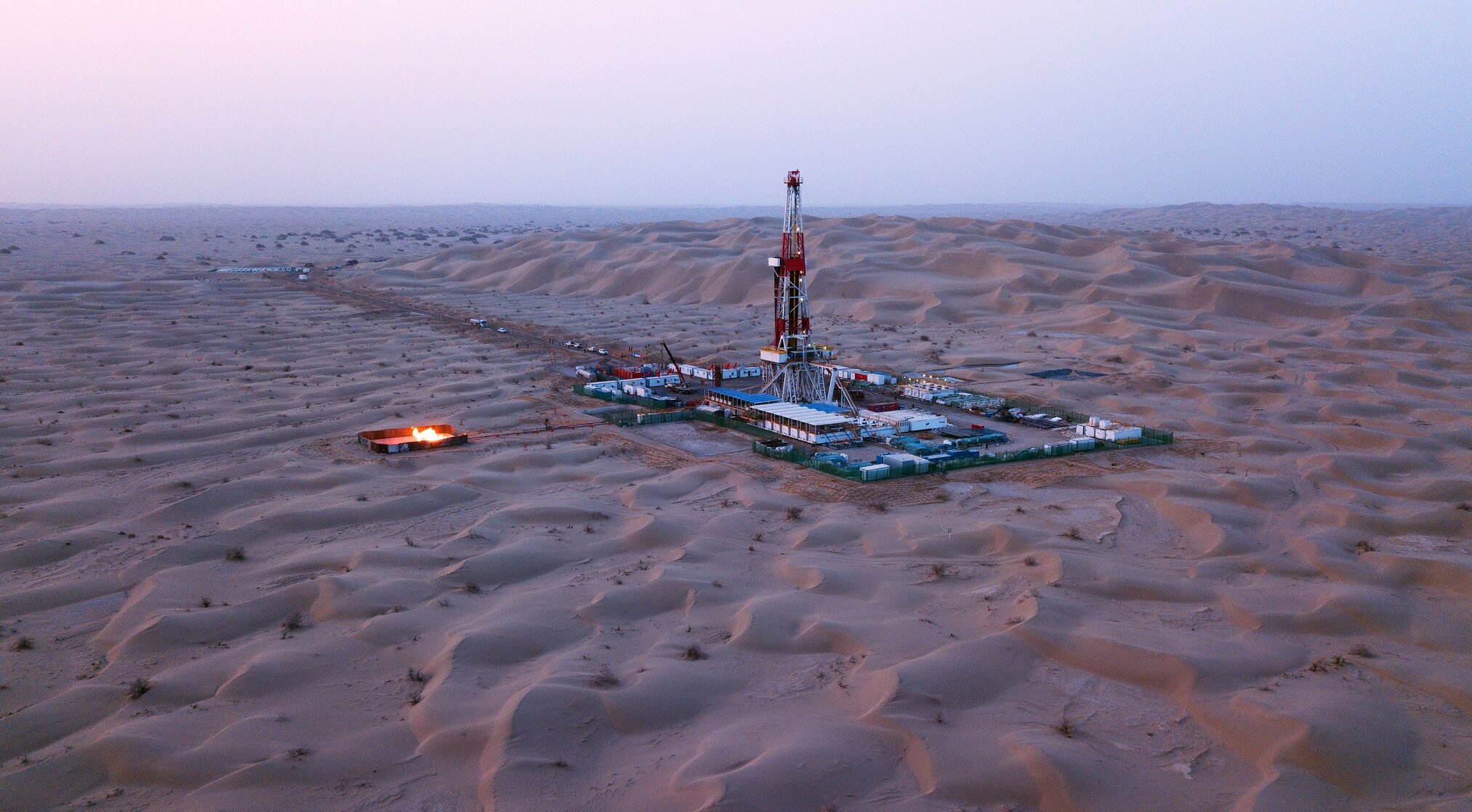
Deepening and promoting cooperation between China and Tajikistan
This cooperation is another important achievement of China Petroleum's continued deep cultivation in Central Asia. Previously, PetroChina had accumulated rich experience in oil and gas exploration and development in Central Asian countries such as Kazakhstan and Turkmenistan. This participation in the ultra deep exploration project in Tajikistan further consolidates China's influence in the energy sector in the region. The project adopts a product sharing agreement model, which not only disperses exploration risks but also reserves cooperation space for subsequent commercial development. With the advancement of the 7000 meter ultra deep well drilling work, China Tajikistan energy cooperation is expected to turn a new page.Editor/Gao Xue
Comment


 Praise
 Collect
 Comment

 Share
Share


Write something~