 Search


- China's total green fuel production capacity exceeds 8.7 million tons/year of oil equivalent
As of August 2026, the total production capacity of green fuels in China has reached 8.7 million tons per year of oil equivalent, and the layout of the entire industry chain has basically taken shape. The application scenarios continue to extend from traditional land transportation to the fields of shipping and aviation, and the industrial development has officially entered a key climbing period from the demonstration pilot stage to the large-scale landing.
According to the "White Paper on the Operation of Green Fuel Industry" released by the China Energy Research Association in mid-2026, there are currently 8 green methanol projects built in China with an annual production capacity of 470000 tons. The unit energy consumption of green hydrogen coupled methanol projects of leading enterprises is 18% lower than the industry average level; There are 5 green synthetic ammonia projects with an annual production capacity of 900000 tons, and the products have been supplied in bulk to low-carbon production scenarios of large domestic chemical enterprises; The annual production capacity of green aviation fuel reaches 1.9 million tons, the annual production capacity of biofuel ethanol remains stable at 5.3 million tons, and the annual production capacity of biodiesel is 3.2 million tons. There are a total of 157 biogas projects in operation nationwide, with an annual production capacity of approximately 1.12 billion cubic meters.
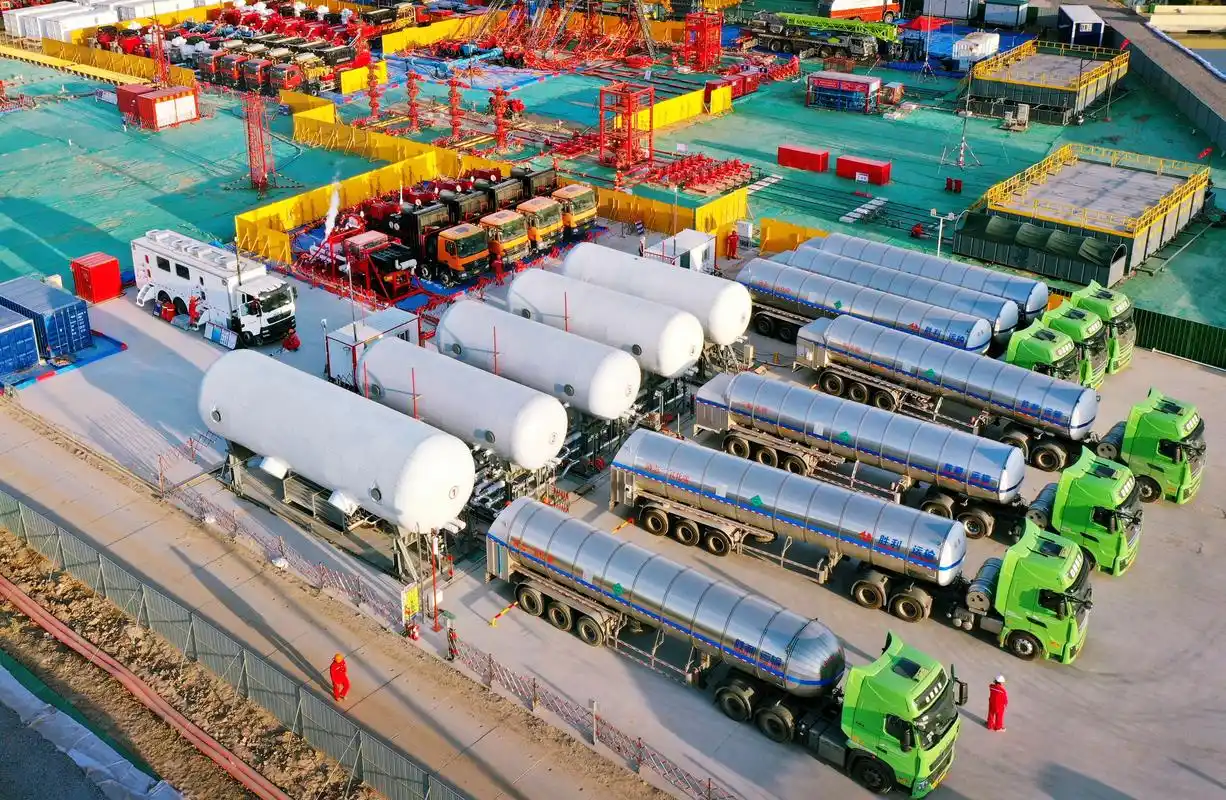
The implementation progress on the application side has also exceeded expectations. According to industry operation statistics, since 2026, the cumulative amount of B24 biodiesel added in China has exceeded 120000 tons, and the amount of green methanol added has exceeded 13000 tons. According to publicly disclosed information by the Civil Aviation Administration of China, all ten key airports in China have completed the construction of green aviation fuel guarantee capabilities, achieved normalized blending and refueling, and the supply stability of green aviation fuel has increased by more than 40% compared to 2025.
According to the 2026 industry survey conducted by the China Petroleum and Chemical Industry Federation, the average production cost of mainstream green fuel products in China is still 1.8 times that of traditional fossil fuels, and the localization rate of some core separation equipment is less than 60%. Coupled with the continuous adjustment of low-carbon fuel certification rules by the International Maritime Organization and the International Civil Aviation Organization, the development of the industry still faces strong challenges from external market uncertainty.
In response to the above pain points, the National Energy Administration has released a roadmap for promoting the green fuel industry in mid-2026, which will introduce a series of special support policies, continue to promote hydrogen energy and green liquid fuel technology research and industrialization pilot projects, systematically improve the level of core process equipment self-reliance, accelerate the construction of a green fuel standard and certification system that is suitable for China's resource endowment, guide domestic enterprises to deeply participate in the international shipping and aviation green fuel procurement market, and gradually cultivate an independent and controllable domestic green fuel consumption ecology. Editor/Cheng Liting
Comment

 Praise
 Collect
 Comment

 Share
Share


Write something~