 Search


- Upgrading and reconstructing the Eurasian supply chain at the Central Asian hub to enhance global trade resilience
- 35 billion infrastructure investment solidifies Kazakhstan's core position in intercontinental logistics
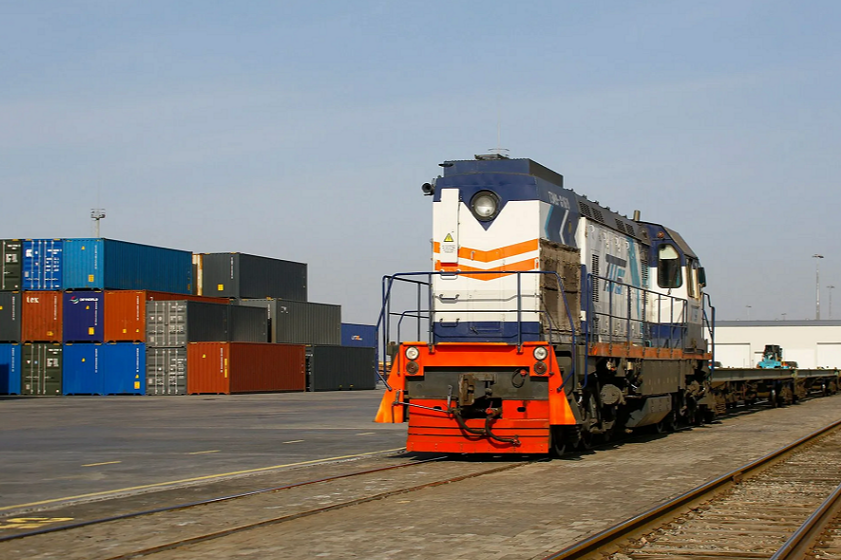
The global trade pattern continues to adjust, and major economies are seeking diversified freight routes. The traditional China Europe shipping route takes a long time, and the original land transportation capacity is approaching saturation.
Kazakhstan, relying on its unique geographical location and under the leadership of President Tokayev, has comprehensively increased the construction of the Trans Caspian International Transport Corridor, investing a total of 35 billion US dollars to improve the digital infrastructure of railways, highways, ports, and aviation. The goal is to open up a high-speed freight new trunk line from China to Europe in just three days, completely rewriting the logistics circulation map of the Eurasian continent and deeply affecting the economic and trade patterns of hundreds of countries.
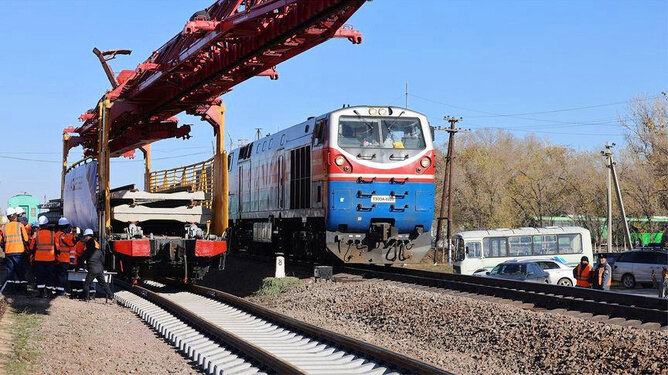
Road network acceleration, iteration and upgrading
Kazakhstan has launched a key expansion project for its main railway line, with a cost of 1 billion US dollars for the 836 kilometer Dostykmointi double track. The number of train services has increased to 60 pairs per day, and the freight speed has increased from 800 kilometers per hour to 1500 kilometers per hour.
The 75 kilometer Almaty Ring Railway has received $300 million in financing from institutions such as the Asian Infrastructure Investment Bank, reducing its travel time by 24 hours. After the completion of the 300km Ayatoz Bahti railway, the third Sino Kazakhstan railway port will be added. After the automation transformation of Khorgos Dry Port, the annual throughput will reach 372000 TEUs. In terms of highways, the 2787 kilometer Central Western European Corridor has been renovated, with a TRACE project investment of 1.529 billion US dollars. 498 kilometers of roads have been widened to four lanes, and the average speed of vehicles has increased to 80 kilometers per hour, reducing transportation costs by 35%.
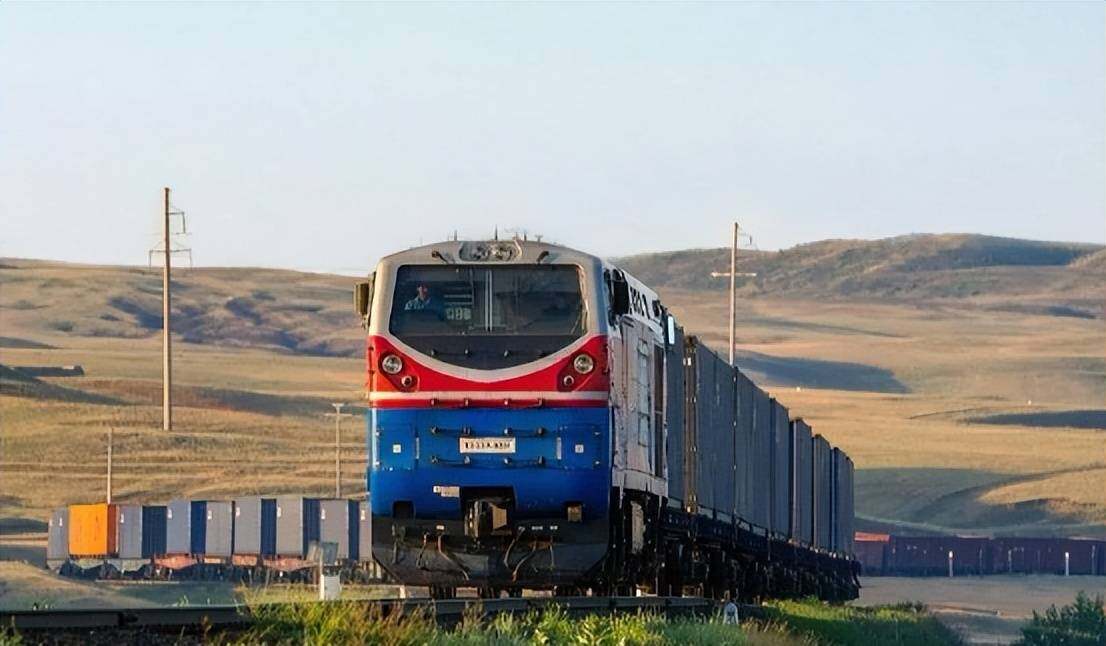
The formation of digital port intermodal transportation
Kazakhstan builds a unified digital ecosystem for freight transportation, simplifies customs clearance processes through a single window, and allows containers from China and Europe to arrive at Black Sea ports in just 11 to 13 days. Aktau and Kulik ports along the Caspian Sea have completed upgrades, with an annual cargo handling capacity exceeding 21.6 million tons and container throughput expected to triple.
Relying on the Baku Tbilisi Kars railway linkage, the railway sea intermodal transportation is seamlessly connected, and the freight volume of the intermediate corridor has increased fivefold in the past seven years. By 2025, the freight volume will exceed 4.5 million tons, with 77000 standard containers, and the planned throughput to exceed 300000 standard containers by 2029.
Global hub radiating to Eurasia
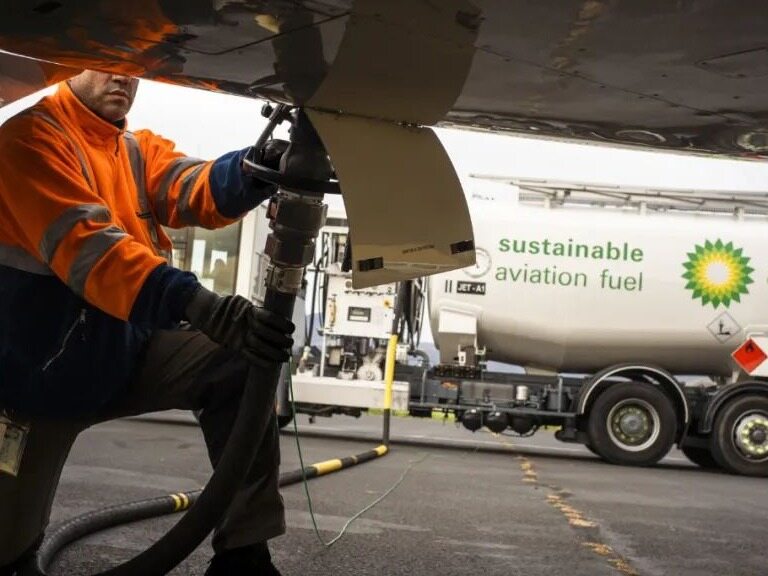
The aviation sector will simultaneously fill the gap in capacity, with a national airport passenger throughput of 15.4 million and cargo volume of 173300 tons by 2025. The annual reception capacity of the new terminal in Almaty is 14 million people, and the new terminal in Astana will carry 12 million passengers after it is put into operation in 2027. The open sky policy has attracted multiple international airlines to land, and by 2026, international routes will cover 135 cities in 30 countries. Keywords: Intermediate Transport Corridor, Eurasian Multimodal Transport, Kazakhstan Logistics Hub
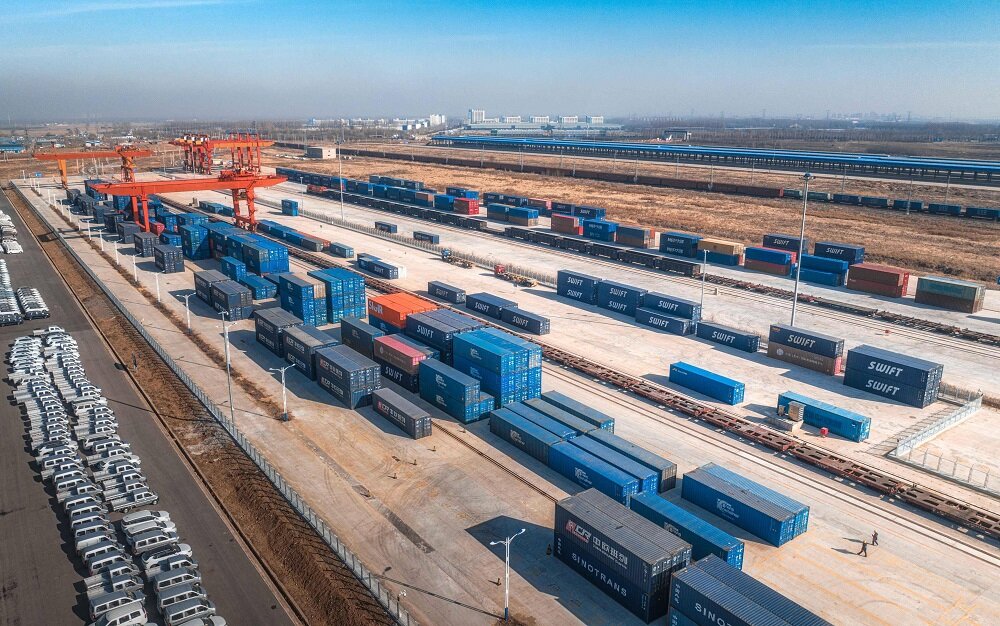
The entire system is included in Kazakhstan's 2030 transportation and logistics development strategy. The country undertakes 83% of the land freight volume between China and Europe, and with its three-dimensional multimodal transport network, it has firmly established itself as a core transit hub in Eurasia, injecting long-term momentum into regional economic integration.Editor/Min Jing
Comment


 Praise
 Collect
 Comment

 Share
Share


Write something~