 Search


- Egypt accelerates energy transition, energy storage and grid equipment market enters two-year delivery window
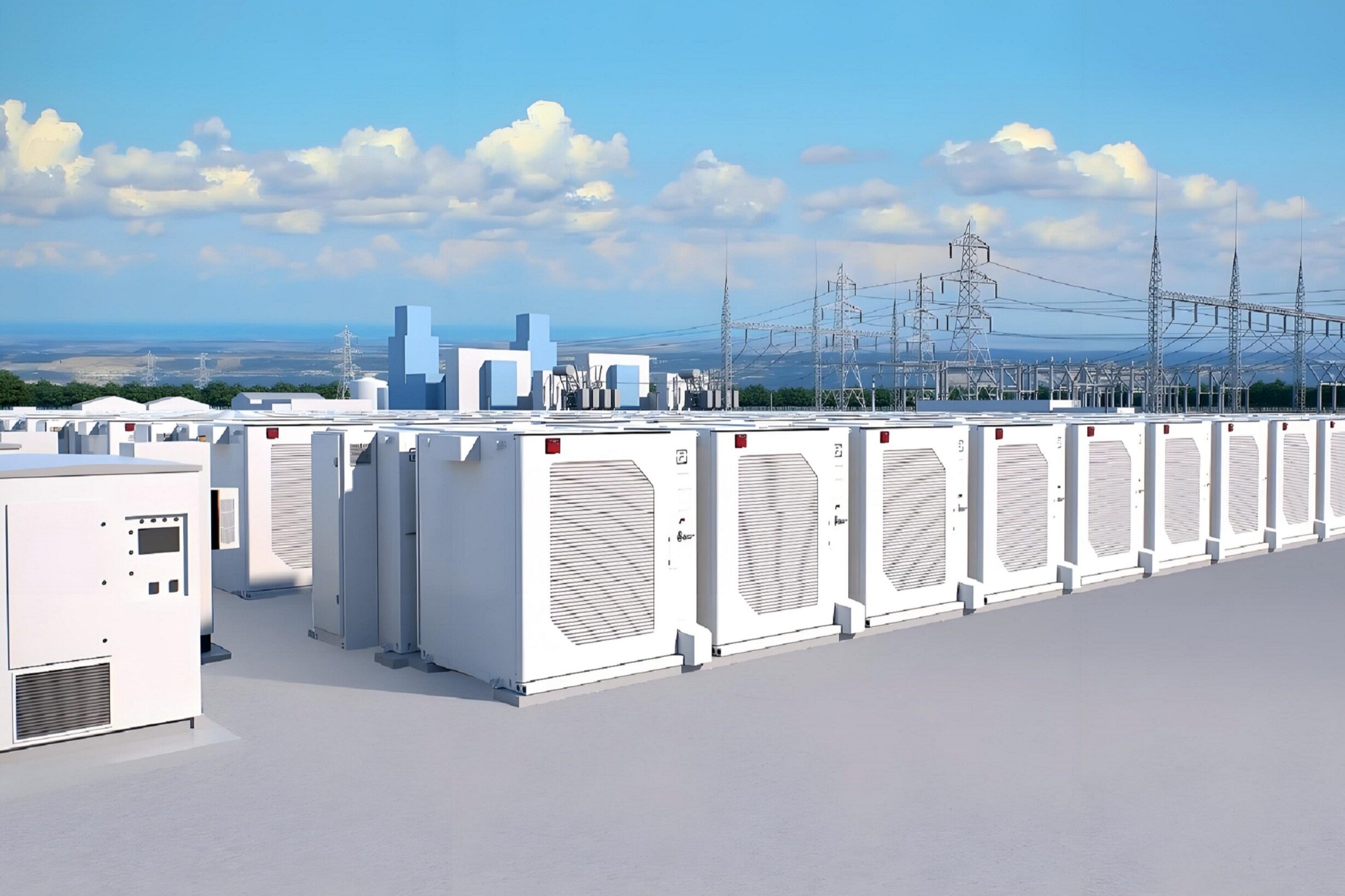
On August 12, 2026, Egyptian President Sisi presided over a progress review meeting on the implementation of new and renewable energy strategies in New Alamanni, officially proposing to achieve 45% of total electricity generation from renewable energy by 2028. This goal is further accelerated compared to Egypt's current target of reaching 42% before 2030, leaving the market with a concentrated delivery window of about two years. Project developers, engineering contractors, and equipment companies must simultaneously address financing, equipment delivery, grid access, and local services in order for policy goals to be translated into actual power generation.
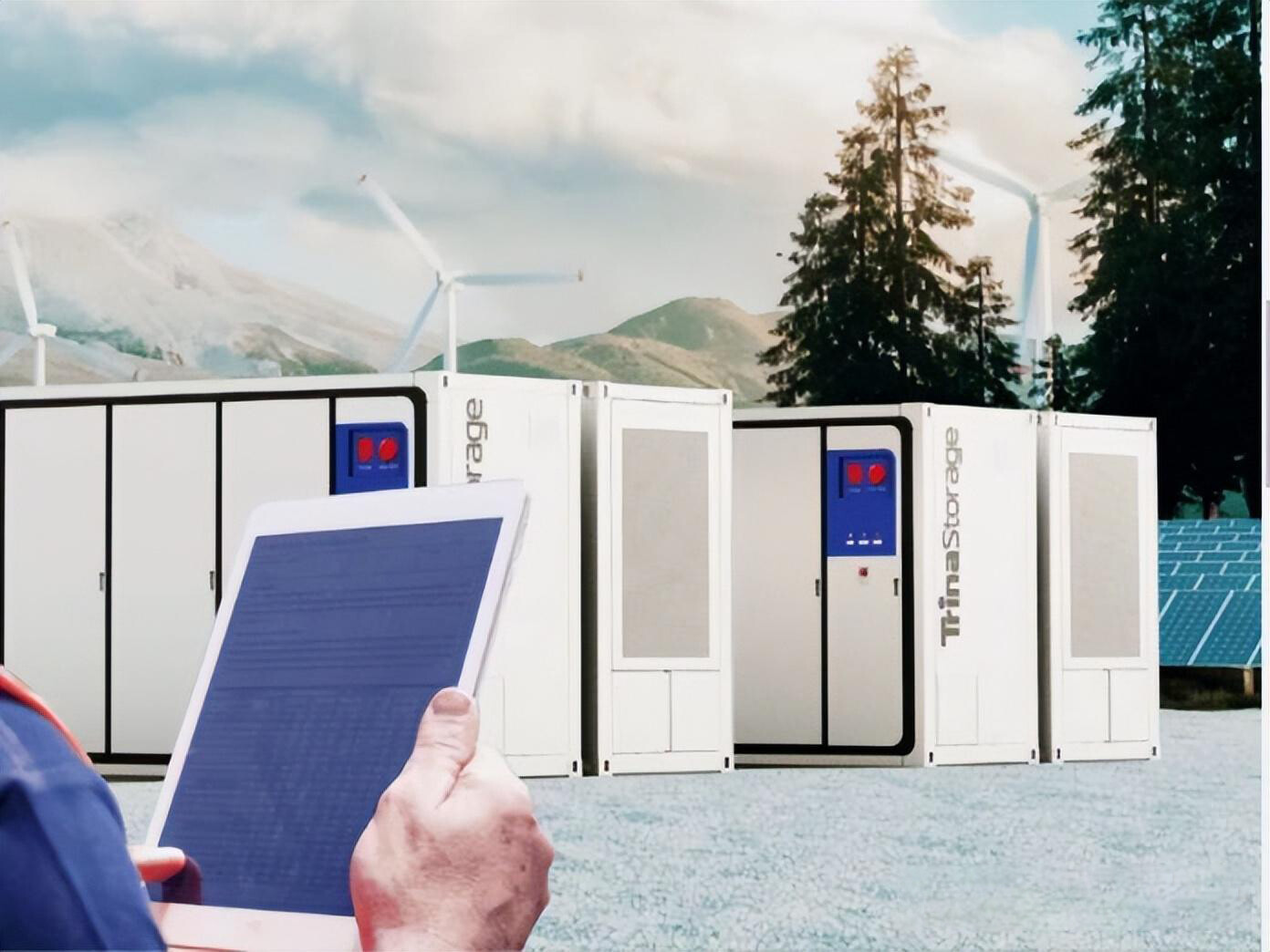
Target acceleration to 45%
On August 12, 2026, Egyptian President Sisi announced that the target of increasing the proportion of renewable energy generation to 45% by 2028 would be further accelerated compared to the target of 42% by 2030, which was still in use at the beginning of the year. The denominator of 45% is the total power generation, and new wind and solar installations can only truly contribute to power generation after completing substation, transmission line, dispatch, and grid connection acceptance. The Egyptian power sector has disclosed plans for approximately 7470 megawatts of wind and solar projects to be connected to the grid between 2027 and 2028, along with approximately 7000 megawatt hours of energy storage. The target for battery energy storage capacity by 2028 is approximately 14320 megawatt hours. The financing structure has been provided as a reference sample, with the Fangjianbei project receiving $479.1 million in development finance funds, accounting for approximately 80% of the estimated capital expenditure at the time, and adopting a 25 year USD denominated power purchase agreement.
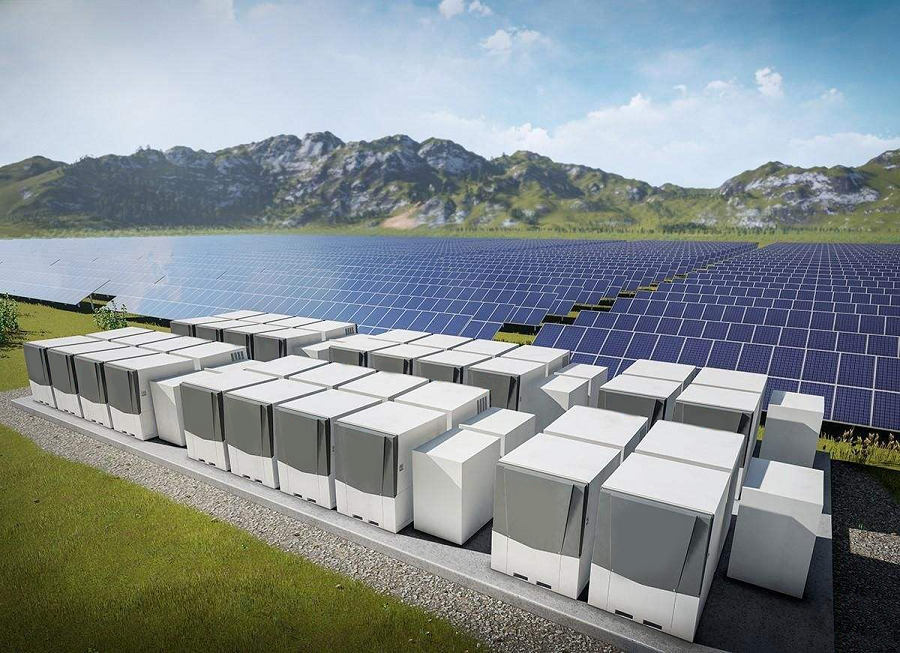
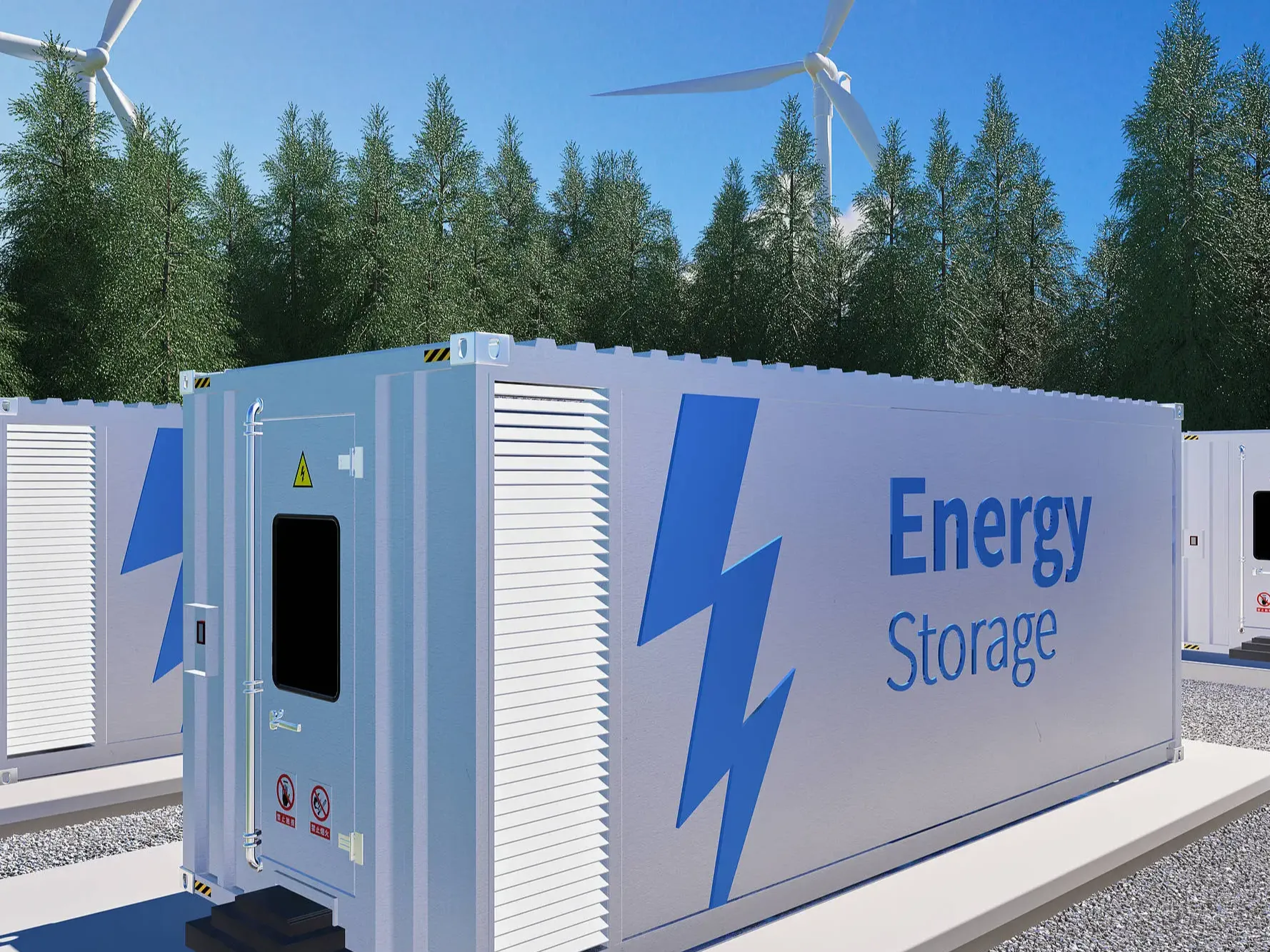
Energy storage enters continuous delivery
On August 12, 2026, Scatec announced that the second phase of the obelisk project has reached commercial operating conditions, with the entire project generating 1.1 gigawatts of photovoltaic and 100 to 200 megawatt hours of energy storage. The Abidus Phase II project undertaken by China Energy Engineering Corporation includes 1 gigawatt of photovoltaic and 600 megawatt hours of energy storage. The energy storage system was fully connected to the grid on June 30th. The Neferti project, which China Energy Engineering won the bid for, has an execution capacity of 1050 megawatt hours, while the Horus project has an execution capacity of 525 megawatt hours. Both projects have entered construction. The simultaneous emergence of hybrid solar energy storage, independent energy storage, and supporting power grid projects indicates that Egypt's energy storage demand has formed multiple purchasable scenarios. Keywords: New energy news and information, renewable energy, energy storage
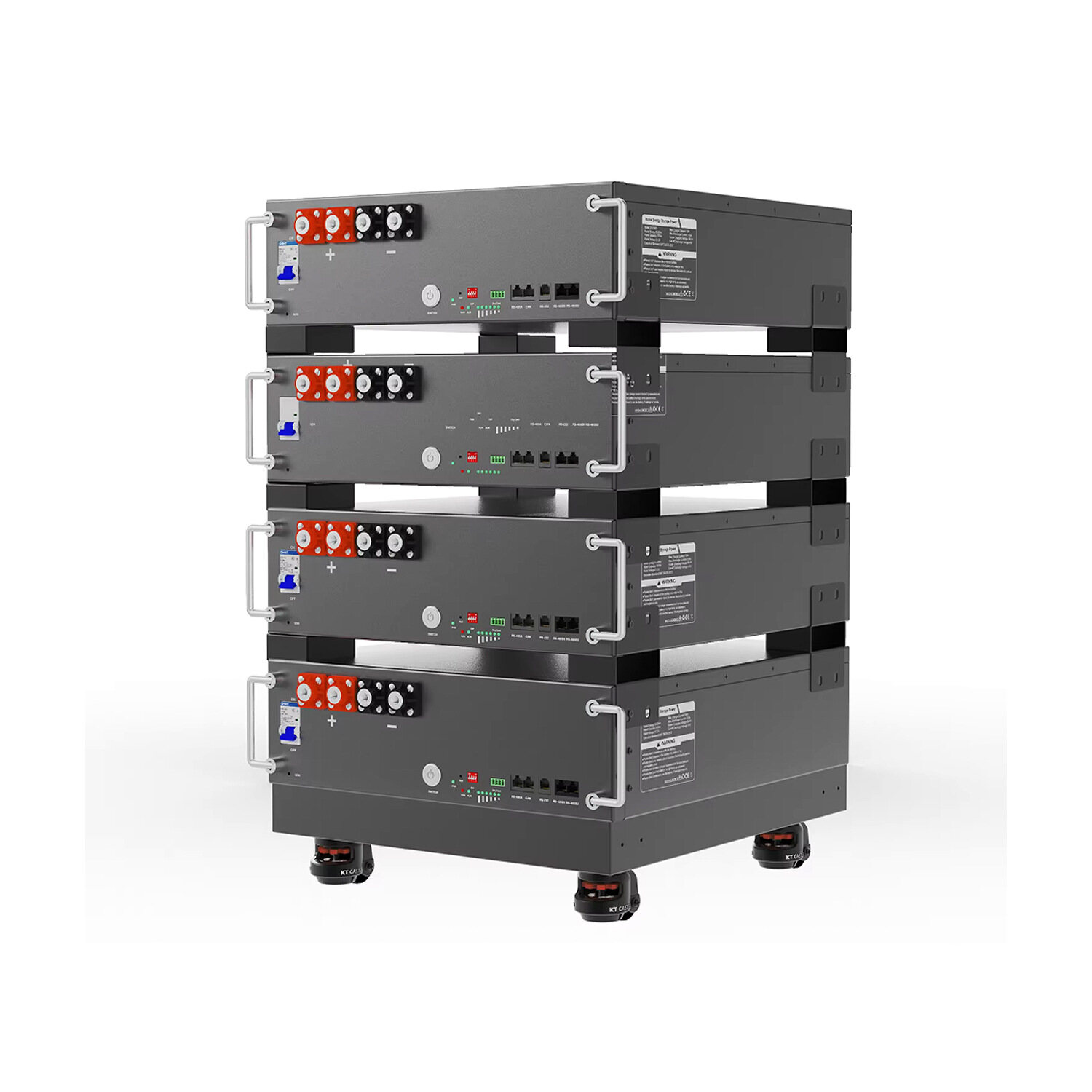
Local manufacturing demand binding
The energy valley project plan announced by Egypt in January includes 1.7 gigawatts of AC side photovoltaics and 4 gigawatt hours of energy storage, with an estimated investment of approximately 1.8 billion US dollars. Sunshine Power plans to build a 10 gigawatt hour energy storage system factory with an annual output in the Suez Canal Economic Zone. Part of the production is planned to be supplied to the Energy Valley, with production scheduled for April 2027. Chu Neng New Energy has signed a 6-gigawatt hour cooperation agreement with its Egyptian partner. The Chinese side will provide energy storage products and technical support, while the Egyptian side will be responsible for application scenarios, grid access, government coordination, and local operations. Local factories, system integration, after-sales service, and project resources are being integrated into the same collaborative structure. Chinese enterprises should rearrange the Egyptian project pool according to power purchase agreements, financing progress, grid connection responsibilities, and localization requirements. Closed projects should enter the key bidding stage, while projects with unclear financing or access conditions should be kept tracked to avoid directly converting national targets into sales forecasts. The Egyptian presidential palace has also proposed the development of local manufacturing related to black sand, fertilizers, and rare earth elements, but new rare earth processing awards or production capacity decisions have not yet been formed. Material companies are suitable to conduct resource, sample, and process research first.Editor/Gao Xue
Comment

 Praise
 Collect
 Comment

 Share
Share


Write something~