 Search


- Dama Solar Photovoltaic in Arad County, Romania has obtained regulatory establishment permit
- Operating around 2028 to support the clean energy transition in Southeast Europe
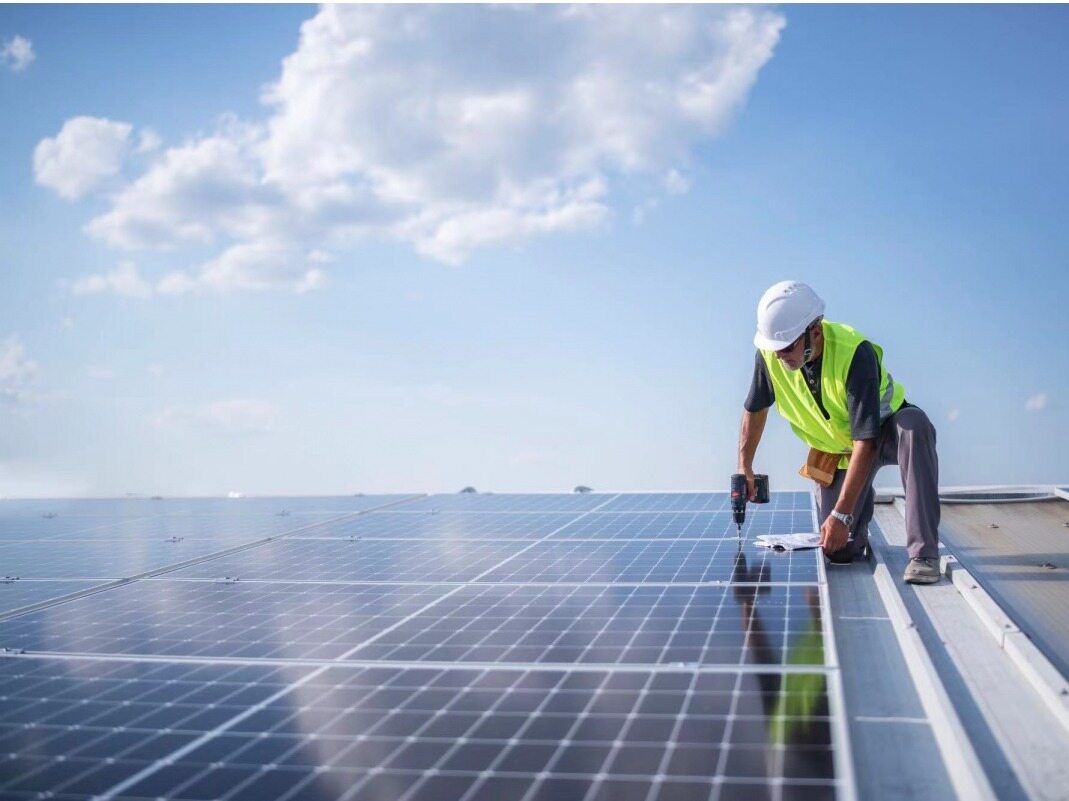
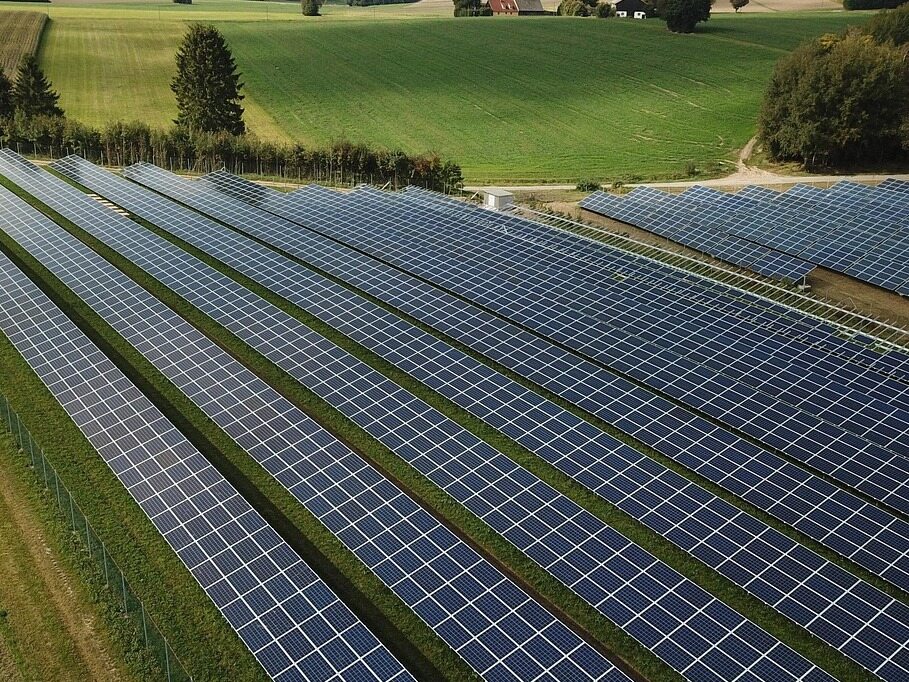
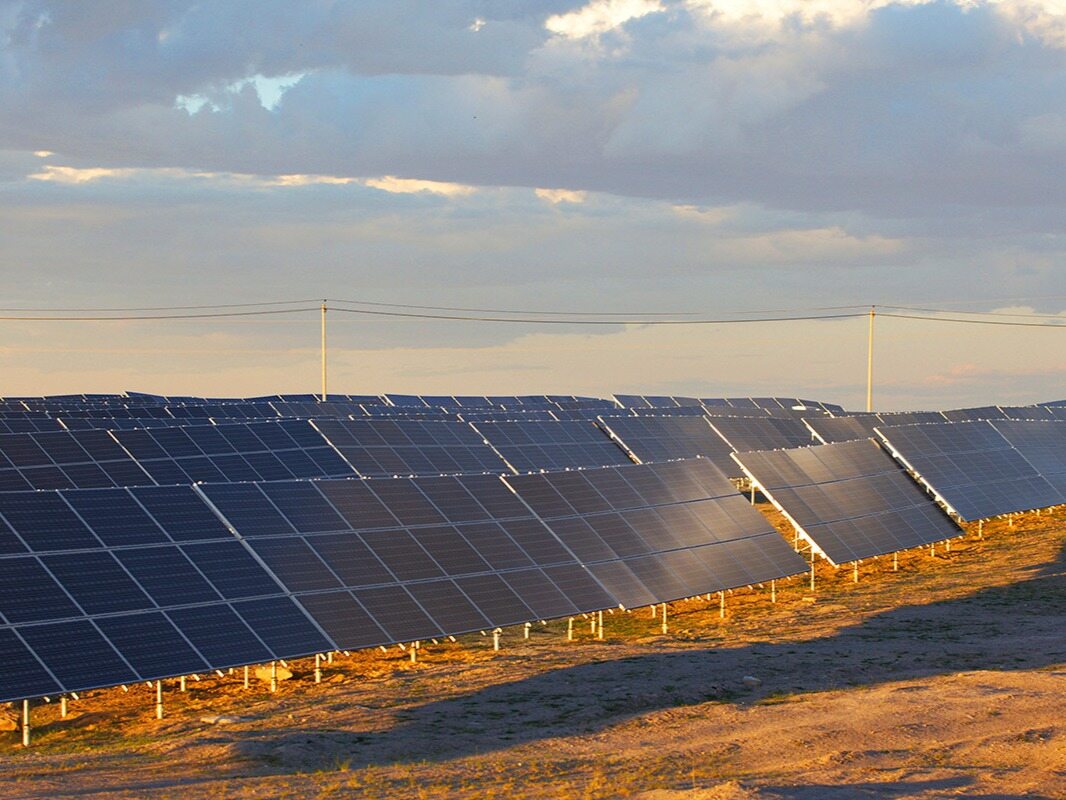
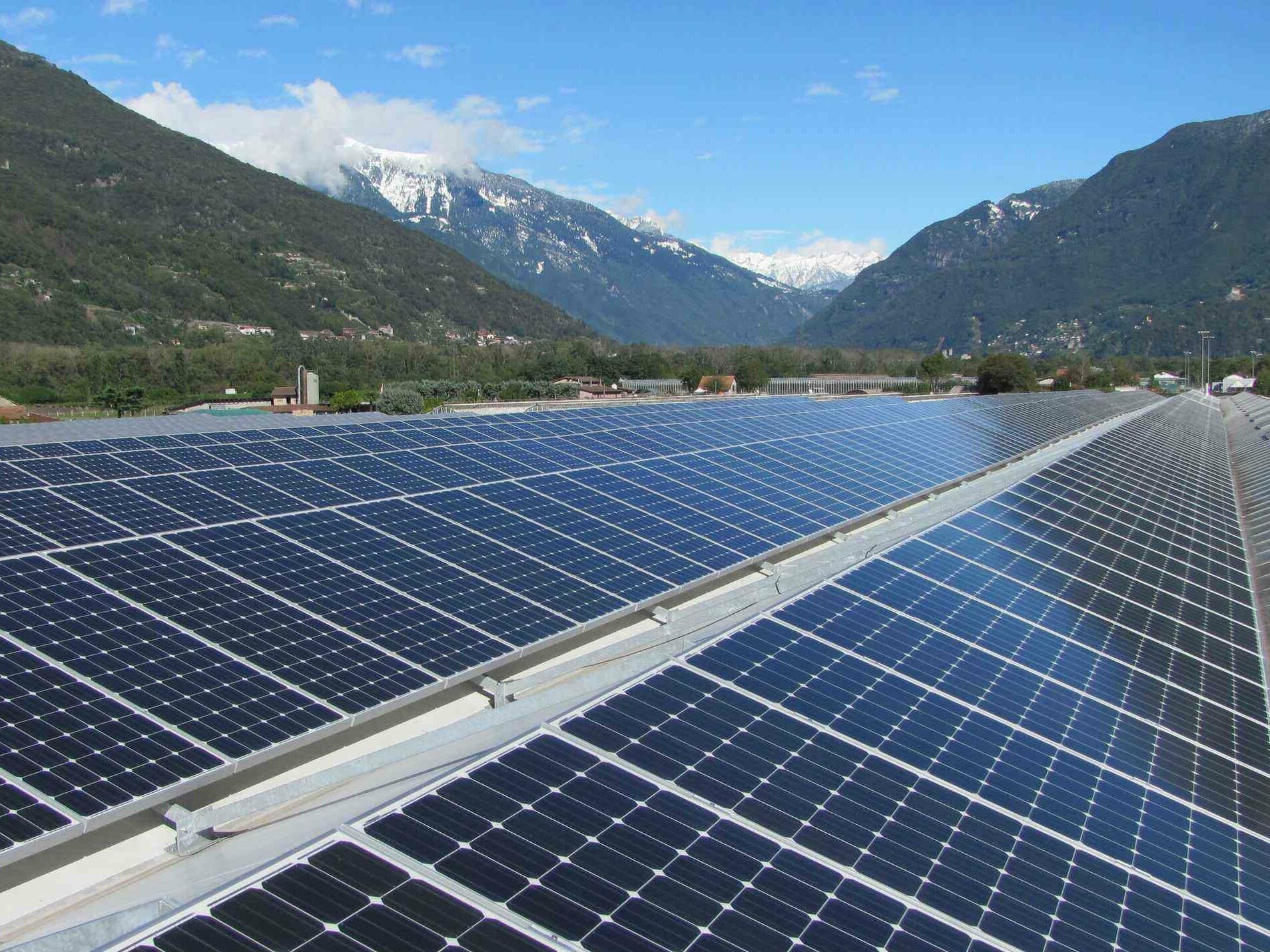
On the vast plains of Pilu and Gr ă niceri in Arad County, western Romania, farmland once dominated by corn and wheat is now covered by a huge blue blueprint. This week, the National Energy Regulatory Authority (ANRE) of the country officially issued a permit for the establishment of the Dama Solar project - once this hurdle is passed, this super photovoltaic power station with an AC side of 1.2GW and a DC side peak of 1357.4MWp has entered the countdown to construction from paper planning.
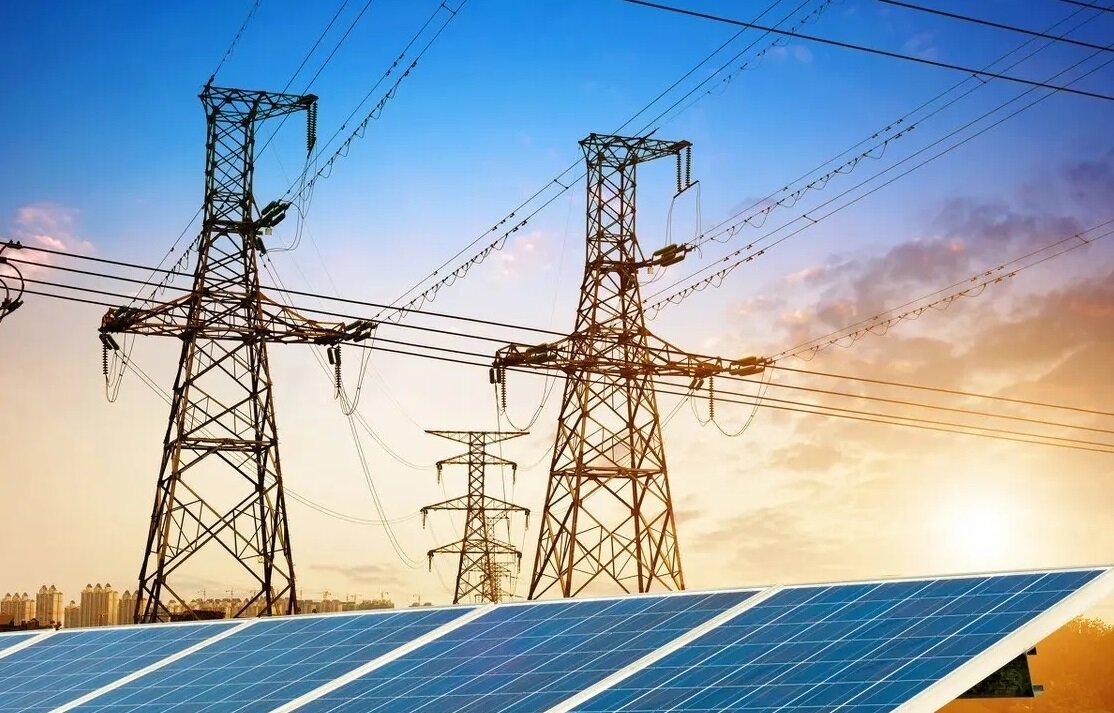
The project is being promoted by Rezlov Energy through West Power Investments, covering an area of over 1000 hectares, closely connected to the 400 kV backbone network and the cross-border passage between Romania and Hungary. Its annual power generation can meet the electricity needs of hundreds of thousands of households. At a time when Romania's cumulative installed capacity of photovoltaics has exceeded 8.5GW and is expected to increase by another 2.5GW by 2026, Dama Solar is like a milestone, pushing the country from a "latecomer market in Central and Eastern Europe" to a "flagship project landing country in Europe".
License landing threshold
The ANRE establishment permit is not a construction order, but it is the most difficult regulatory barrier for gigawatt level projects: it requires the development party to prove that the entire chain of land, grid connection, environment, and funds is closed. Dama Solar obtained this ticket after completing design optimization, winning the CfD bid, and conducting financing due diligence in nearly four years after transferring from Monsson to Rezolv system in 2022.
It is worth noting that the early caliber of the project was 1044MW, the latest approved is 1.2GW, and the DC side has surged to 1357.4MWp. The difference comes from the update of capacity ratio and component layout, rather than data conflicts. This dual caliber approach of "reporting grid connection on the AC side and peak value on the DC side" is exactly the standard writing style for the new generation of large base photovoltaics in Europe.
Where does the money come from? Clear path
The issue of money is more crucial than technology. The total investment of the project is about 710 million euros, with Abu Dhabi Mubadala Fund investing 300 million euros in equity first, and Actis serving as the parent fund platform; The European Bank for Reconstruction and Development and the European Investment Bank have entered critical approval on the debt side, and IFC has also evaluated loans of up to 107 million euros. The willingness of multilateral institutions to enter is equivalent to stamping ESG and procurement compliance seals on the project.
The profit side has adopted a mixed model of "half bottom+half market": 520MW has taken the quota of Romania's second round of price difference contract auction, two 260MW contracts are locked for 15 years, and the electricity price is about 42 euros/megawatt hour; The remaining 680MW will be purchased through enterprise power purchase agreements and spot markets. The price of 42 euros is slightly lower than the first round of CfD, relying on a 1.2GW scale to dilute equipment, construction, and capital costs.
Transformation sample falls in Southeast Europe
Romania's "2021-2030 National Energy and Climate Plan" has raised its renewable installed capacity target from 15.1GW to 22.3GW by 2030, with a single photovoltaic project aiming to exceed 8.3GW. The proportion of renewable electricity in the country is expected to reach 36%, and coal will be retired by 2032. The Dama Solar project alone accounts for about 14% of the national 2030 photovoltaic target, and its weight is self-evident.
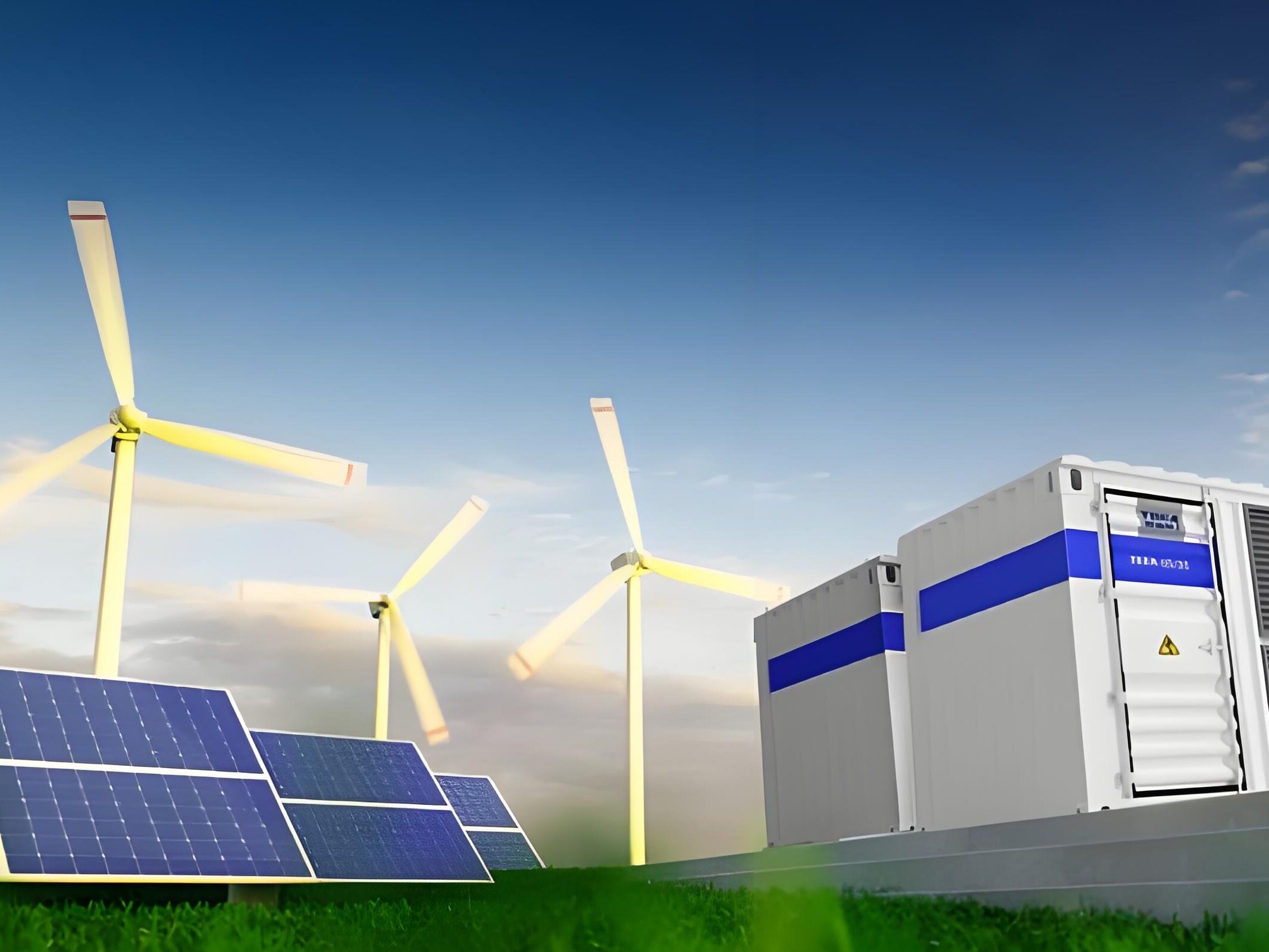
EBRD has recently determined that Southeast Europe is shifting from a traditional energy hub to a clean energy hub, with the EU Carbon Border Adjustment Mechanism and the implementation of CfD in various countries serving as dual catalysts. Dama Solar has also reserved 500MW of energy storage and 82 hectares of natural reserves, packaging "power generation+peak shaving+ecological restoration", which sets a good example for subsequent large-scale projects in the same region.keywords:New energy information network
According to the schedule, the overall operation will be around 2028, and the first phase will be connected to the grid in 2029. The green light is on, and the real test - financing closure, EPC calibration, component delivery, and energy storage commissioning - has just begun. But at least for now, the brand of Europe's largest photovoltaic power station has been hung next to the sunflower fields in western Romania.Editor/Yang Meiling
Comment

 Praise
 Collect
 Comment

 Share
Share


Write something~