 Search


- Without occupying one acre of arable land, 140 million kilowatt hours of green electricity can be generated annually
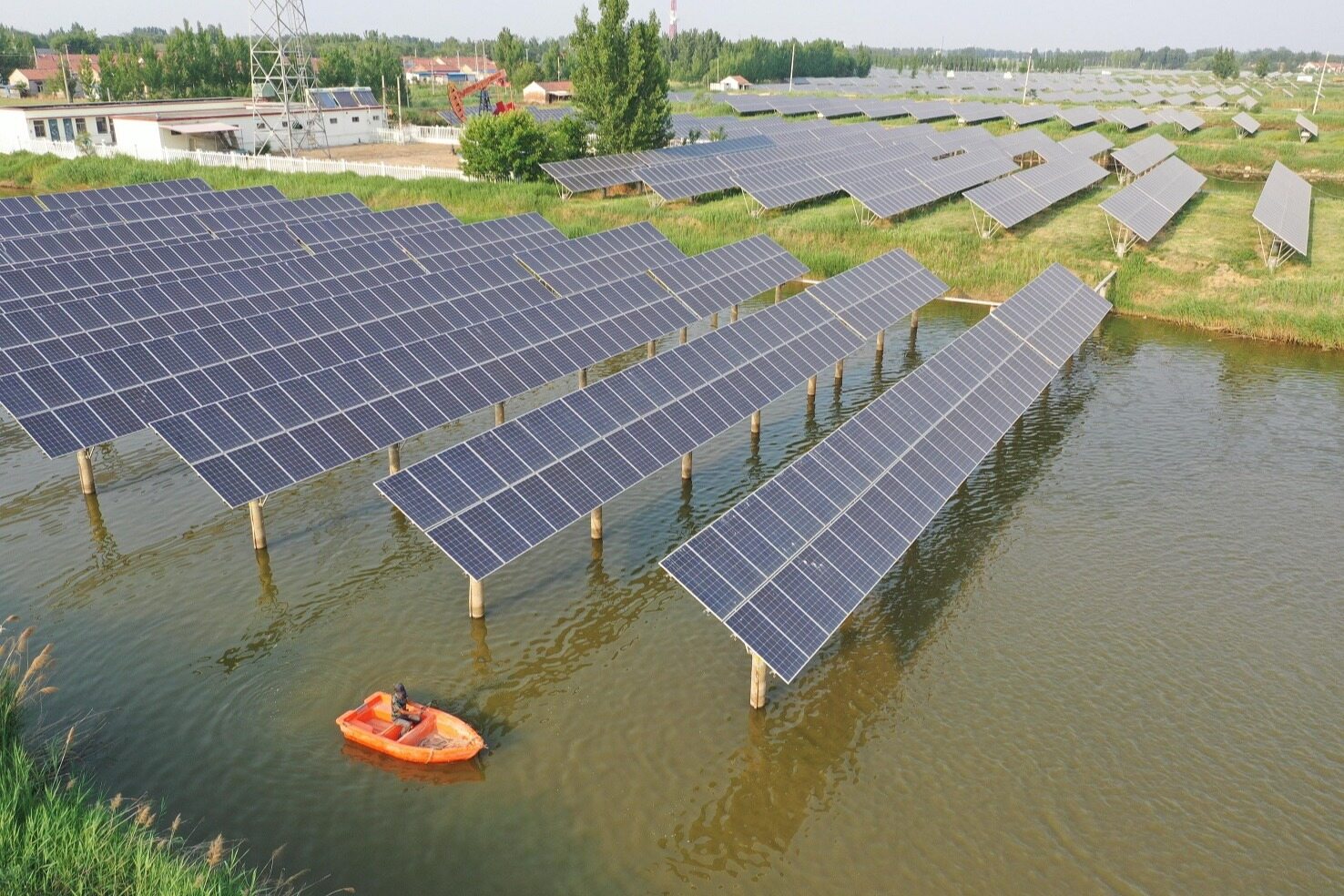
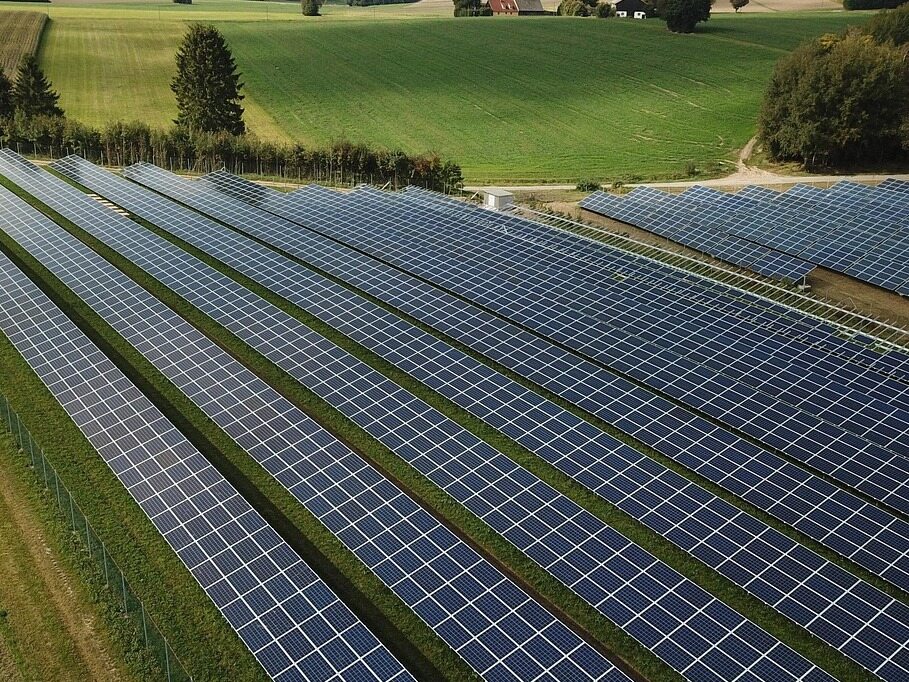
A row of photovoltaic brackets on the edge of a contiguous fish pond in Siyang, Jiangsu is transforming from blueprints into reality. The commencement of the Beijing Energy Clean Energy 100MW Fishery Photovoltaic Complementary Project has enabled green power stations and a new engine for wealth to grow on the water surface of rural areas in northern Jiangsu.
The implementation of the composite development model in rural water areas
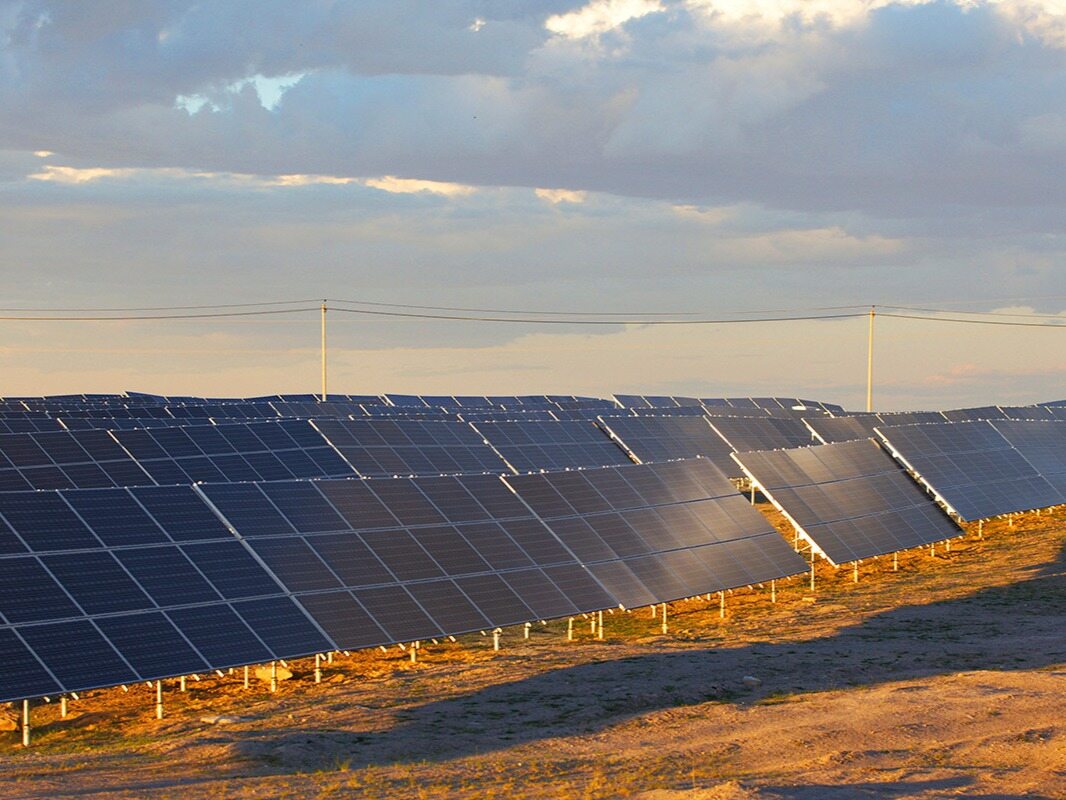
The total installed capacity on the DC side of the project is 130MWp, and the installed capacity on the AC side is 100MW. A complete photovoltaic field, a 110kV booster station, and a collection line will be built to support the project. Relying on the superior lighting conditions in the local area, the annual average photovoltaic utilization hours of the project can reach 1200 hours, fully adapting to the light resource endowment of the northern Jiangsu Plain.
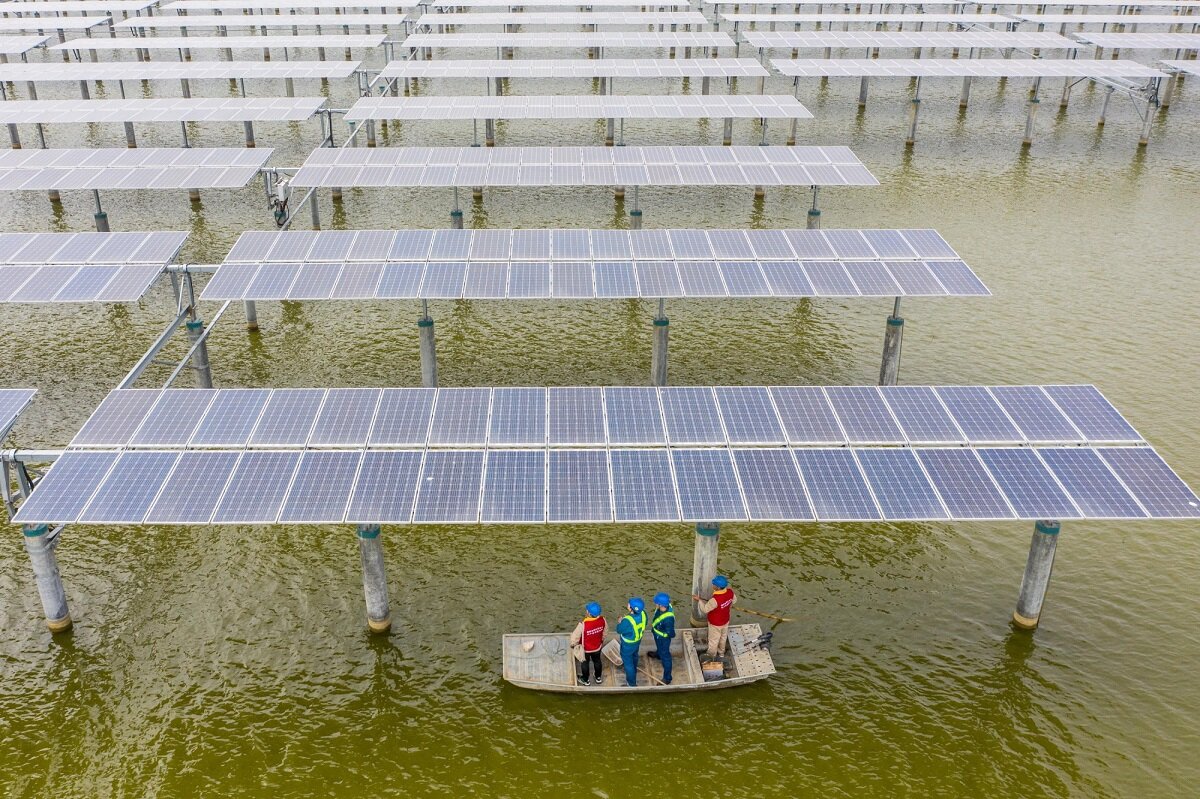
Unlike traditional ground-based photovoltaic projects, the fishery photovoltaic complementary mode installs photovoltaic modules on the water surface, allowing for normal aquaculture underwater, achieving a three-dimensional composite development of "power generation above and fish farming below" without occupying additional farmland indicators, perfectly meeting the development requirements of efficient utilization of rural land resources.
Green electricity empowers local two-way coordinated development
After the project is completed and put into operation, the annual power generation can reach 140 million kilowatt hours, directly reducing carbon emissions by 70000 tons per year, which is equivalent to planting nearly 4 million trees locally. After a continuous supply of clean electricity is connected to the local power grid, it will effectively strengthen the power supply capacity of the Siyang region, optimize the county-level power supply structure, and alleviate the power supply pressure during peak hours of electricity consumption.Editor/Cheng Liting
Comment

 Praise
 Collect
 Comment

 Share
Share


Write something~