 Search


- Cracking the bottleneck of core technology and filling the gaps in the supply chain are the key to steady development
- Low altitude economy has become an emerging growth track and an important lever for the integration of science and technology innovation with the real economy
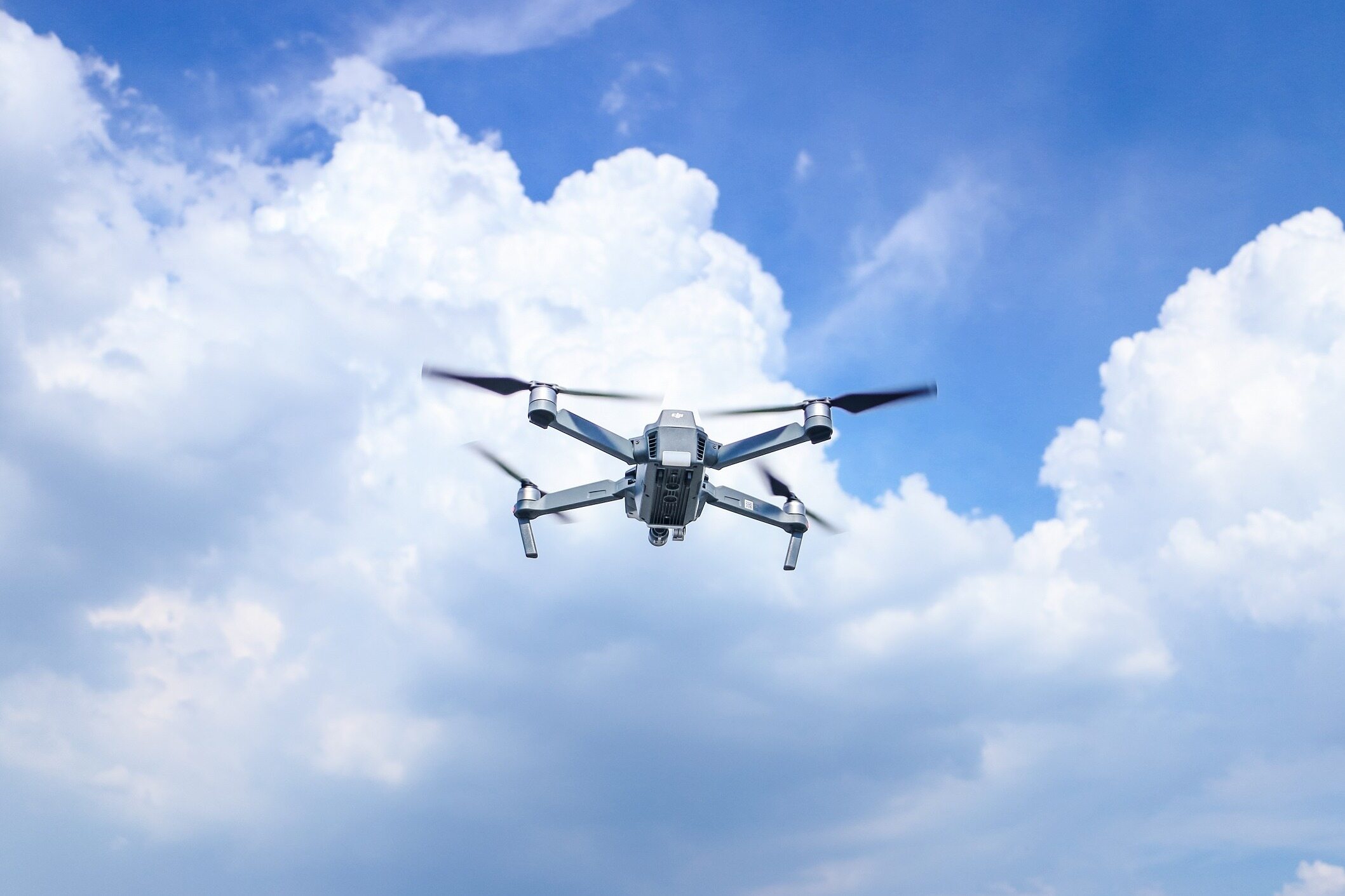
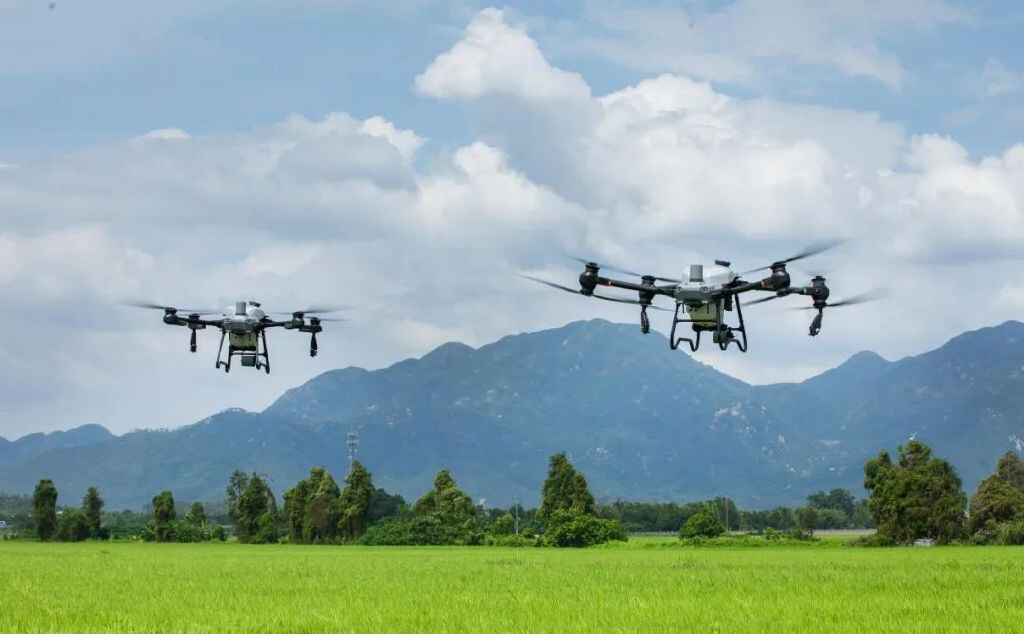
In the water town of Jiangnan, a medical drone crosses the morning mist to accurately deliver emergency blood to remote health centers; At the same time, crop protection drones on the western Sichuan Plateau were sweeping over golden wheat waves. These images, which used to only exist in science fiction works, have now quietly integrated into daily life, outlining the era of China's booming low altitude economy.
Accelerate the formation of the entire industry chain
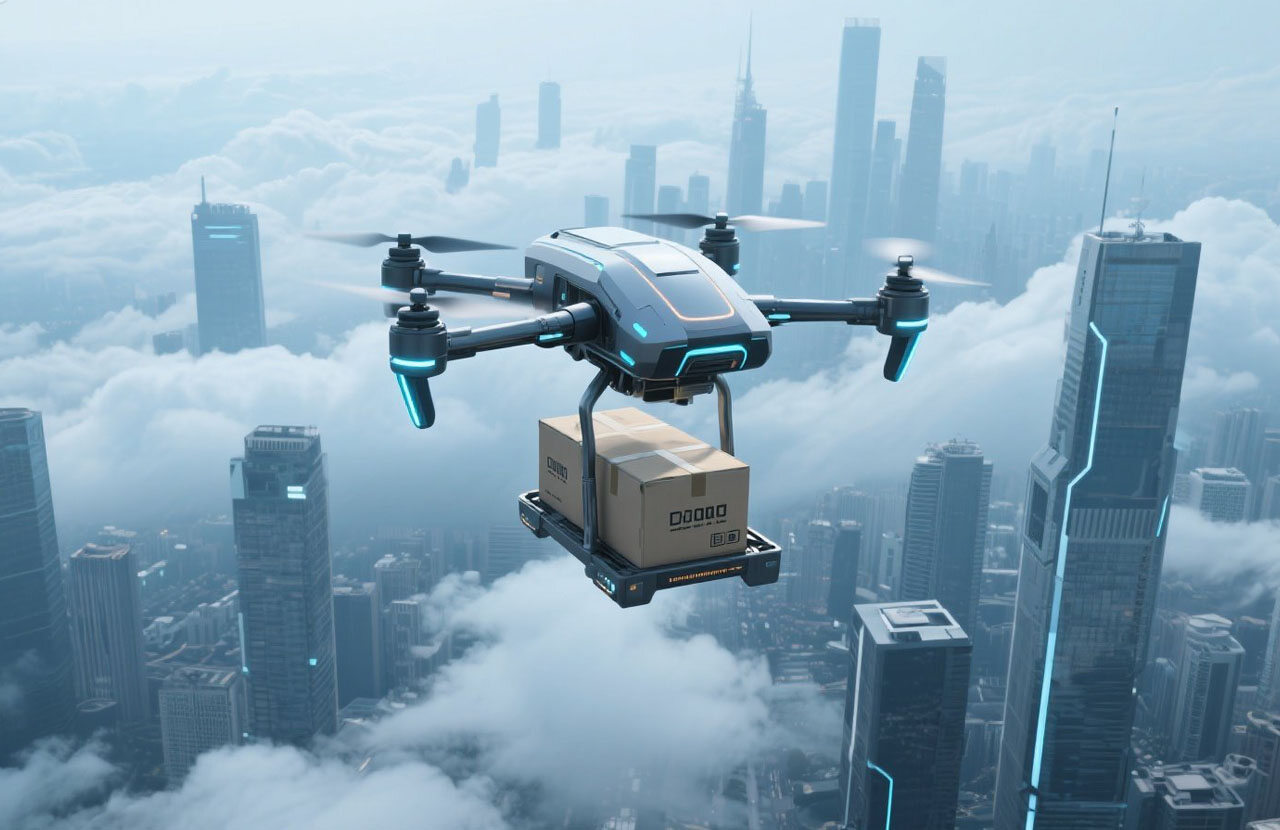
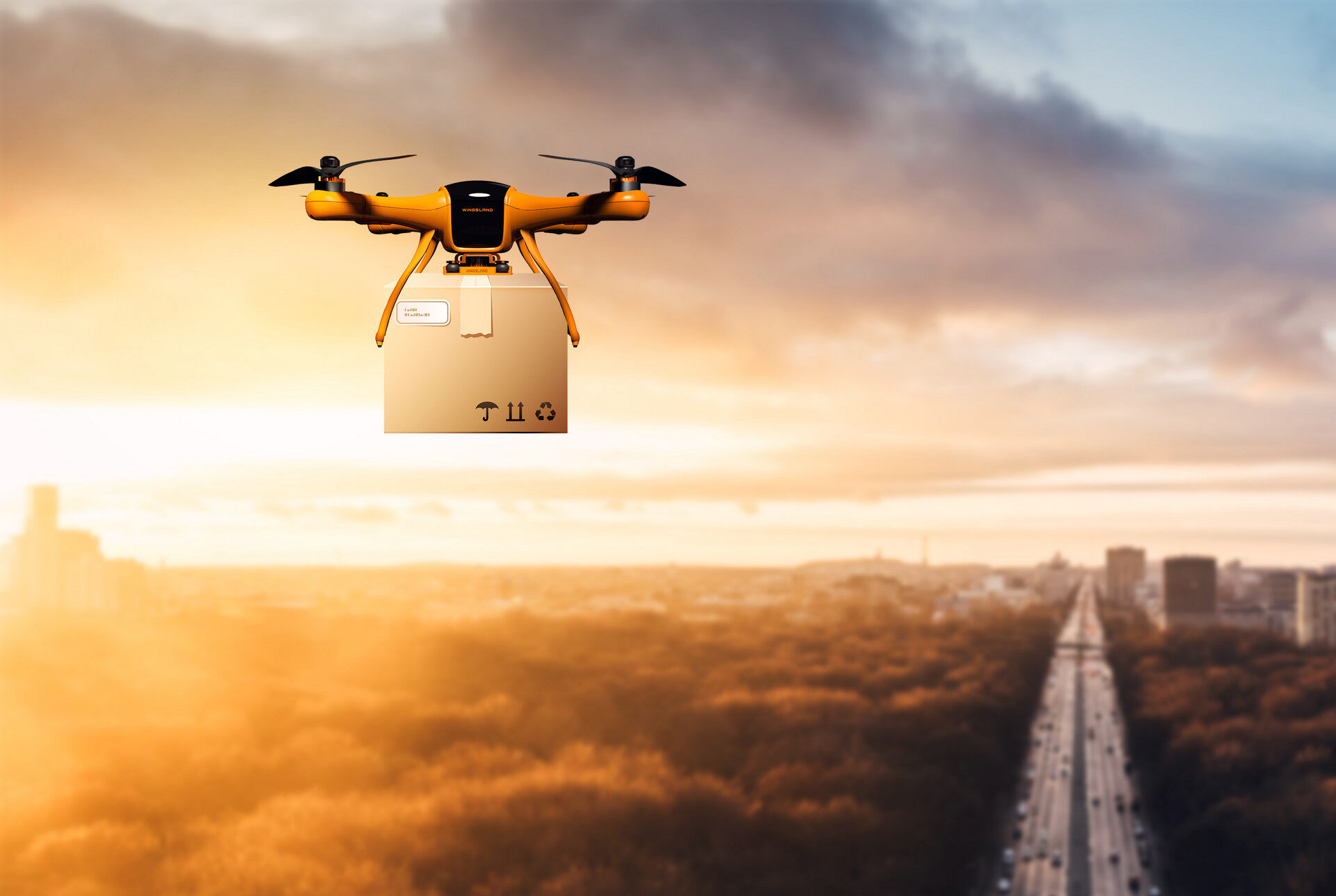
The promotion of low altitude economy industry by central enterprises will clearly include low altitude economy in the central enterprise industry revitalization action, and the policy side will continue to exert efforts to inject strong momentum into the industry. From core components and equipment manufacturing to logistics and distribution, cultural and tourism consumption, agriculture, forestry, plant protection, emergency rescue, and urban governance, a complete industrial chain has already taken shape. Shenzhen focuses on low altitude logistics and urban inspection, Anhui promotes the coordinated development of whole machine manufacturing and flight testing verification, Sichuan deeply cultivates high-altitude distribution and emergency rescue - the differentiated layout of various regions has achieved significant results, and the industry is shifting from single point testing to regional linkage, upgrading from single manufacturing to an integrated model of manufacturing+operation+service.
The resilience of the industrial chain urgently needs to be strengthened
Whether the footsteps are steady enough while running at high speed is a problem that must be taken seriously. The domestication rate of core components for domestic low altitude aircraft is less than 30%, and the external dependence on key links such as aviation motors and electronic control systems exceeds 70%. Once the external supply chain fluctuates, the entire industry chain will face the risk of being "choked". The deeper problem lies in industrial synergy - the low altitude economy spans across multiple fields such as manufacturing, airworthiness, airspace, data, operations, and insurance, but its cross departmental coordination, component verification, scenario transformation, and service guarantee capabilities are significantly lagging behind the speed of industrial expansion. Local weaknesses are easily transmitted through the supply chain, causing systemic risks, which is a "growth annoyance" that must be guarded against in the process of rapid industrial expansion.
Four wheel drive builds a solid foundation for development
Abandoning the old path of development first and governance later, and adhering to the synchronous promotion of industrial development and supply chain resilience construction, requires coordinated efforts from four dimensions. Upgrade the overall coordination mechanism. Establish a special work on supply chain resilience, establish regular consultation, list promotion, and risk warning mechanisms, incorporate component traceability, airworthiness verification, and data security into the admission conditions of major projects such as low altitude industrial parks, and equip navigation devices and safety ropes for industrial long-distance running.
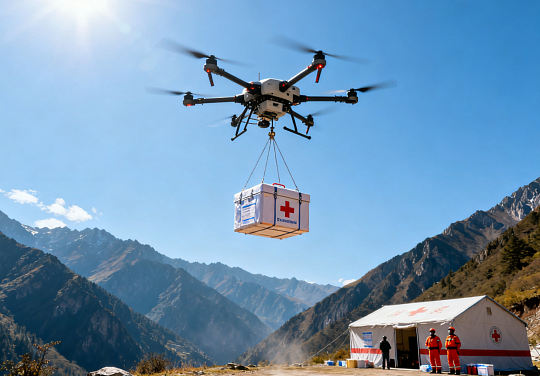
Strengthen the chain with precise measures. Lock in the core shortcomings of flight control, power, batteries, main control chips, high-precision sensors, etc., promote the transformation of civil manufacturing capabilities in new energy, electronic information, new materials and other fields to aviation level production capacity, and transform the advantages of China's complete industrial system into the core competitiveness of low altitude economy. Prioritize scene quality. Shift from heavy quantity to heavy quality, prioritize the landing of high-quality scenarios that truly create social value, such as emergency rescue, medical distribution, and agricultural and forestry plant protection. Public scenarios stabilize demand through government purchasing of services, while market-oriented scenarios clarify charging rules, safety responsibilities, and exit mechanisms. Keywords:low altitude economy, industrial chain
The risk control system is sound. Promote interconnectivity between national and local low altitude regulatory platforms, achieve one-stop acceptance of flight services, data sharing across the internet, and closed-loop problem resolution; Establish a collaborative mechanism for cross city and cross institutional air routes; Embedding insurance finance into the entire process of the industry and comprehensively enhancing risk resistance capabilities. Low altitude economy is a new blue ocean and also an endurance race. The key is to find a balance between speed and quality. Only by strengthening the resilience of the supply chain, grasping core technologies more tightly, and providing more solid service guarantees, can the low altitude economy truly soar higher, more stable, and farther.Editor/Gong Ziwei
Comment






 Praise
 Collect
 Comment

 Share
Share


Write something~