 Search


- Gobi green electricity transported thousands of miles to East China, reaping multiple comprehensive development benefits
- The Xinjiang Gobi Solar Energy Storage Project has been put into operation, expanding the large-scale application path of long-term energy storage
From the vast Gobi Desert at the northern foot of the Tianshan Mountains to the lights of thousands of households in the Yangtze River Delta cities, a green corridor spanning thousands of miles is rewriting the energy landscape. Under the guidance of the dual carbon target, new energy storage, as a key breakthrough, is moving from experimentation to large-scale application, injecting strong momentum into the construction of a clean, low-carbon, safe and efficient energy system.
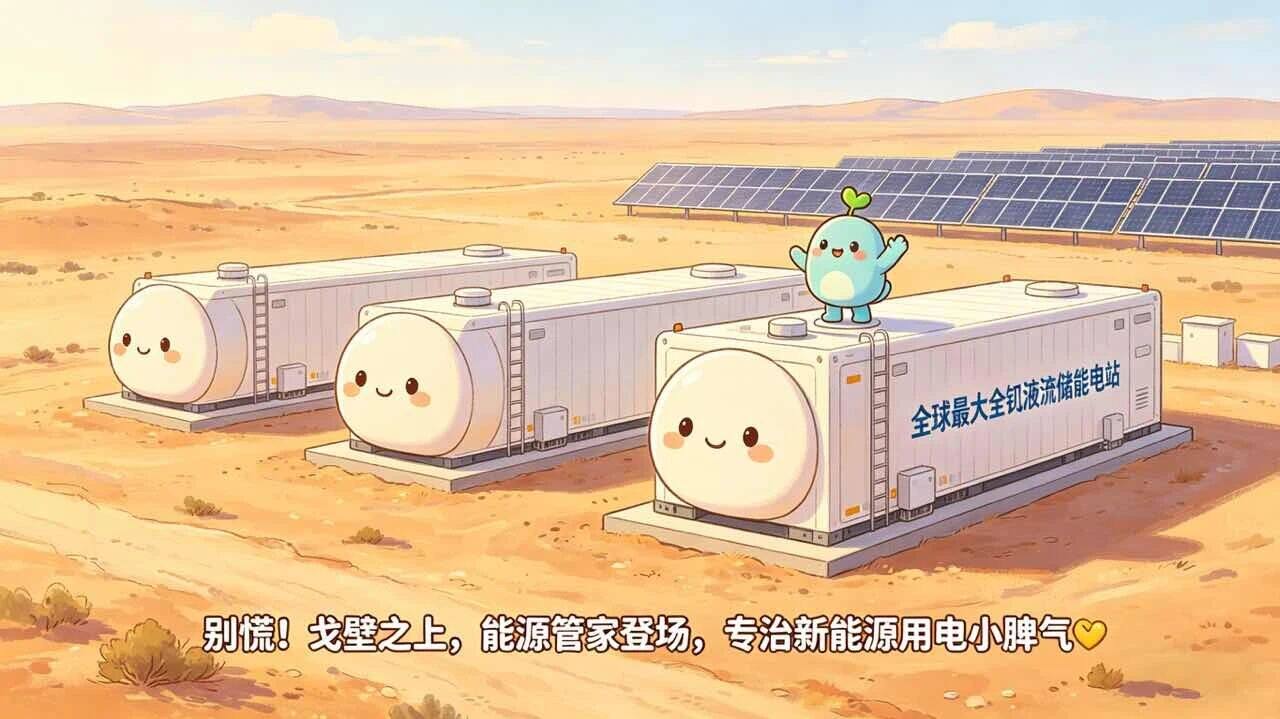
Based on the national conditions, establish first and then break through, accelerate the construction of a new energy system, and ensure energy security - this is not only a policy orientation, but also an urgent issue in the current energy transformation. The early operation of the integrated project of one million photovoltaic and all vanadium liquid flow energy storage in Jimsar, Xinjiang provides a highly convincing practical example for this topic.
Energy storage breaks through the grid connection problem
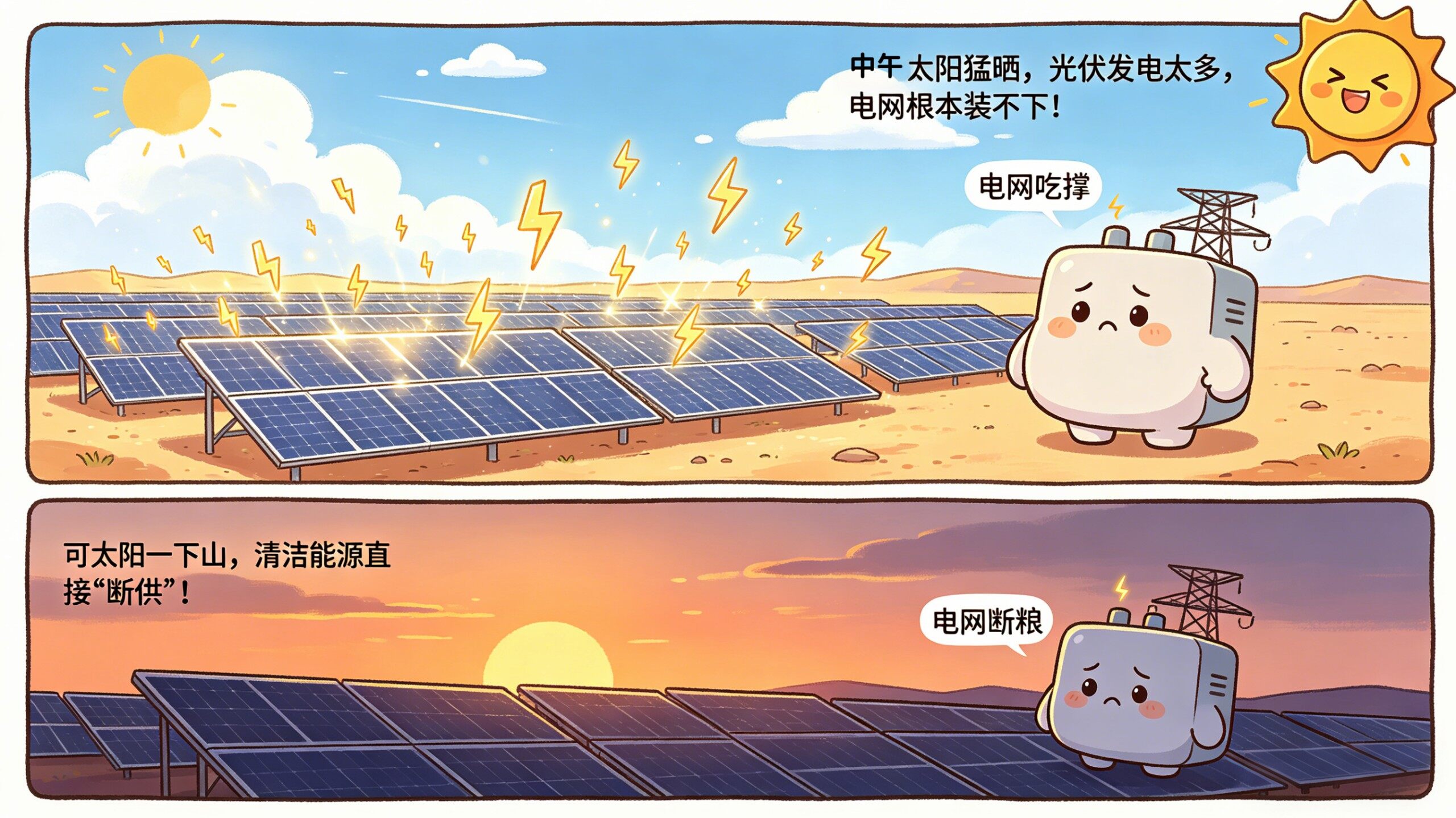
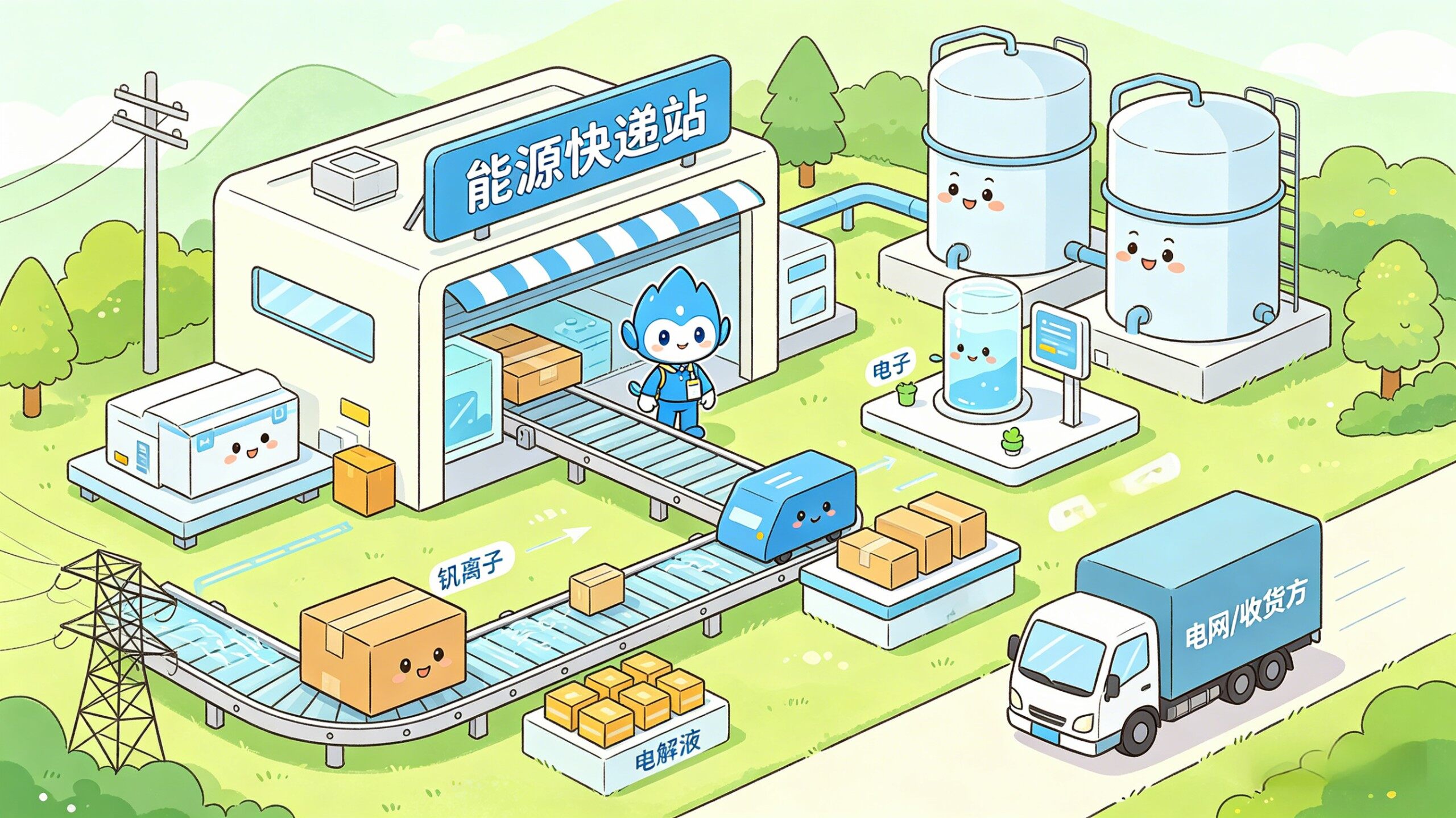
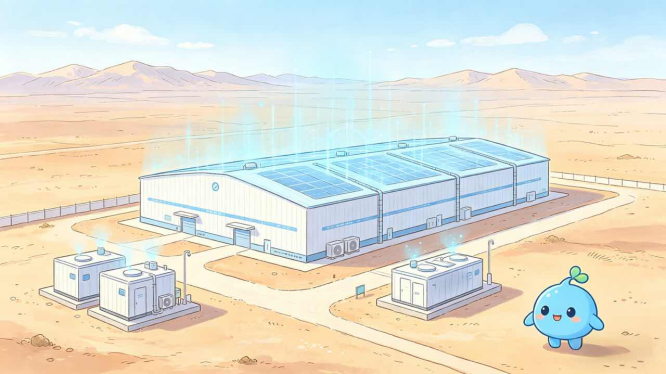
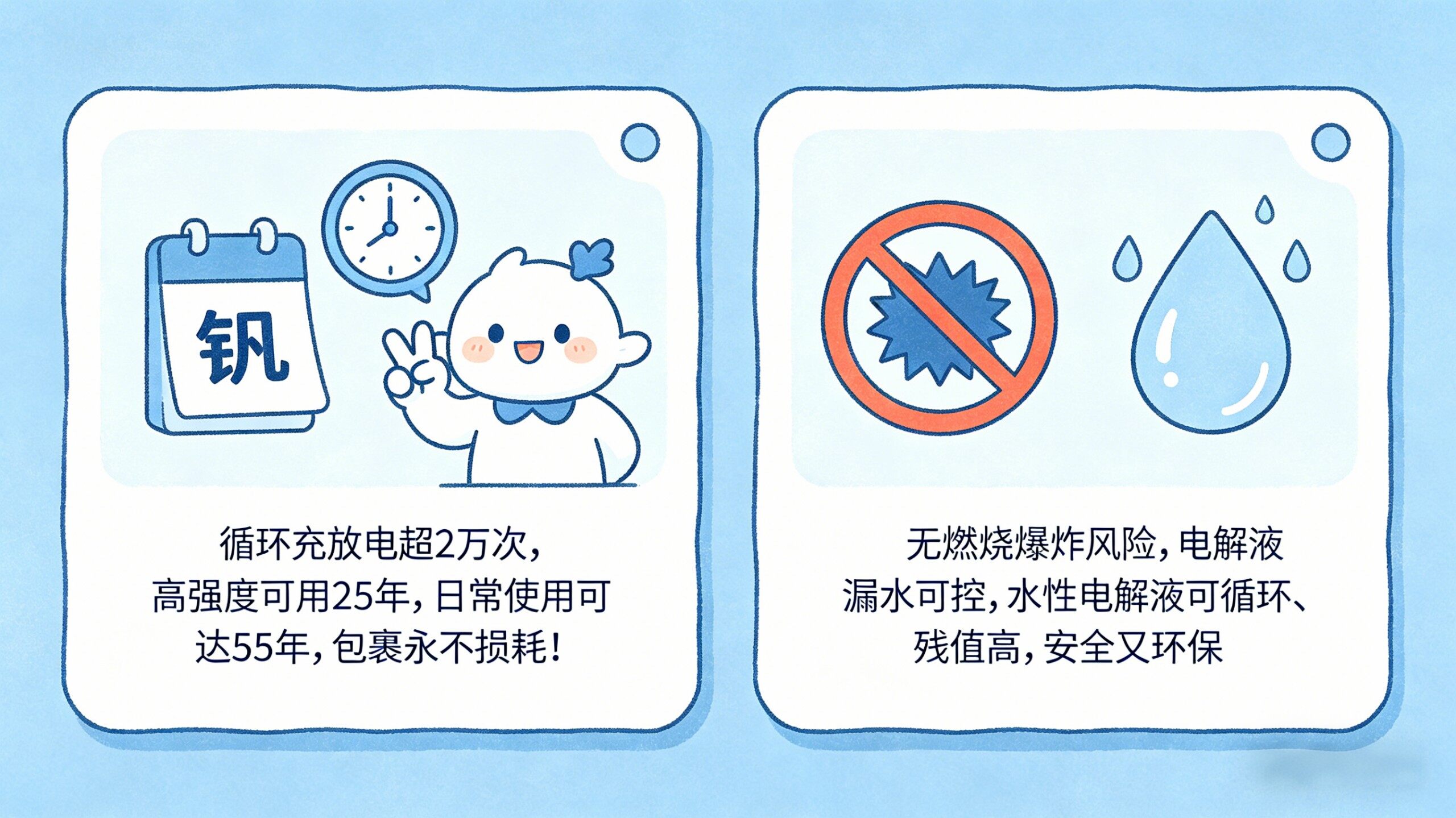
Photovoltaic power generation depends on the weather, with large fluctuations and strong intermittency between day and night, which is a major obstacle to the large-scale consumption of new energy. The solution provided by the Jimsar project is clear and powerful: using vanadium flow batteries to store energy as reservoirs, converting surplus green electricity into chemical energy for storage, and releasing it during peak electricity consumption or insufficient light. A 1 million kilowatt photovoltaic system with 1 million kilowatt hours of energy storage can store up to 5 hours of electricity - this is not a simple photovoltaic+battery assembly, but a system level coupling design. More noteworthy is that the all vanadium flow battery has been able to adapt to the winter low temperature environment of minus 20 ℃ through technological research, which means that long-term energy storage has true replicability in the vast northern Gobi region of China.
Construction of Speed Up Projects
The combination of million kilowatt level photovoltaics with large capacity vanadium liquid flow energy storage lacks mature references in China, and the system coupling is complex and the grid connection test is difficult. The project team did not wait for a standard answer, but instead compressed each link to its limit through cross construction of processes, pre docking of materials, and phased debugging. During the debugging phase, encountering severe cold resulted in abnormal charging and discharging power, and multiple personnel worked together for more than half a month day and night to investigate. This kind of execution ability, which is not dependent and proactive, is itself a valuable asset for the construction of new energy infrastructure.
Benchmarking empowers industrial transformation
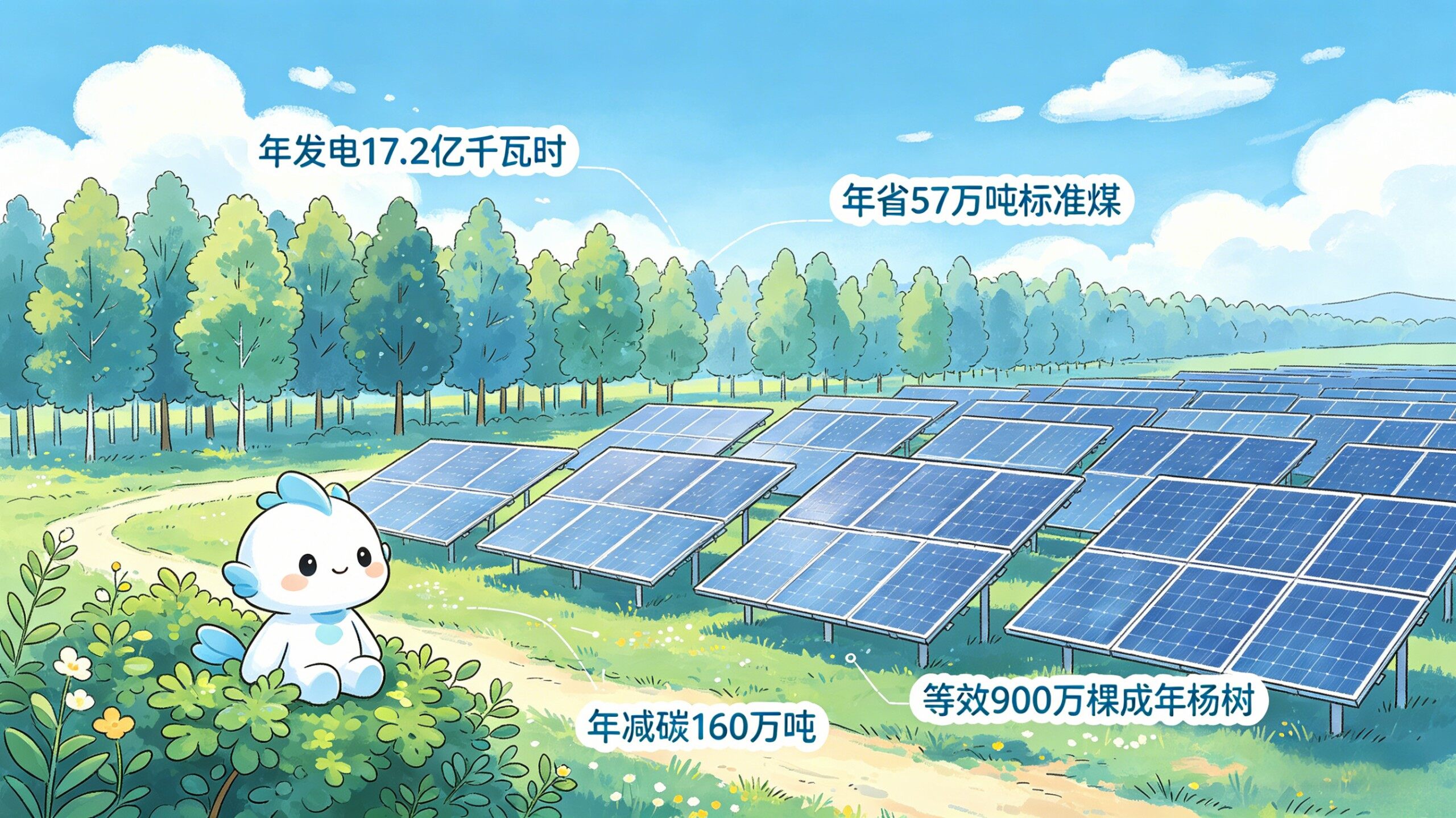
The project equipment is all domestically produced and independently controllable, driving the coordinated development of the upstream and downstream vanadium battery industry chain, and accumulating first-hand experience for energy storage construction and operation in the Gobi region. What it verifies is not only the technical feasibility, but also the generalizability of the business model and engineering path. The Zhundong Wannante high-voltage channel spans over 3300 kilometers to deliver green electricity to the Yangtze River Delta, delivering an average of 1.72 billion kilowatt hours of clean electricity annually - proving that cross regional green electricity allocation has moved from conception to large-scale operation.
During the 15th Five Year Plan period, the construction of a new energy system has entered a critical stage, and the policy level has clearly stated the vigorous development of new long-term energy storage. The successful operation of the Jimsar project has set a benchmark for the industry at the right time: it tells us that high-capacity long-term energy storage is feasible in engineering, can be used in low-temperature environments, and can be delivered in cross regional allocation. Many regions across the country are accelerating the layout of energy storage projects, and Three Gorges Group will continue to expand based on this experience - it is foreseeable that similar green power banks will take root in more Gobi, desert, and grassland areas. Keywords: Jimsar, integrated photovoltaics and energy storage, energy storage
There are no shortcuts to energy transition, but every feasible path deserves to be carefully documented. Jimsar's practice has shown that with independent technology as the foundation, systematic thinking to coordinate light storage collaboration, and engineering innovation to compress the construction cycle, new energy storage is fully capable of becoming the "stabilizer" and "booster" of the new energy system. On this road, the footprints of the pioneers are the signposts of the successors.Editor/Gong Ziwei
Comment





 Praise
 Collect
 Comment

 Share
Share


Write something~