 Search


- The 15th Five Year Plan for Oil and Gas Anchors Energy Security and Green Transformation
On August 17, 2026, the National Development and Reform Commission and the National Energy Administration officially issued the "15th Five Year Plan for the Development of Petroleum and Natural Gas". This guiding document for the high-quality development of China's oil and gas industry in the next five years clearly anchors the two major tasks of ensuring energy security and green and low-carbon development, and proposes the goal of building a modern oil and gas industry system by 2030, outlining a clear blueprint for building an energy powerhouse.
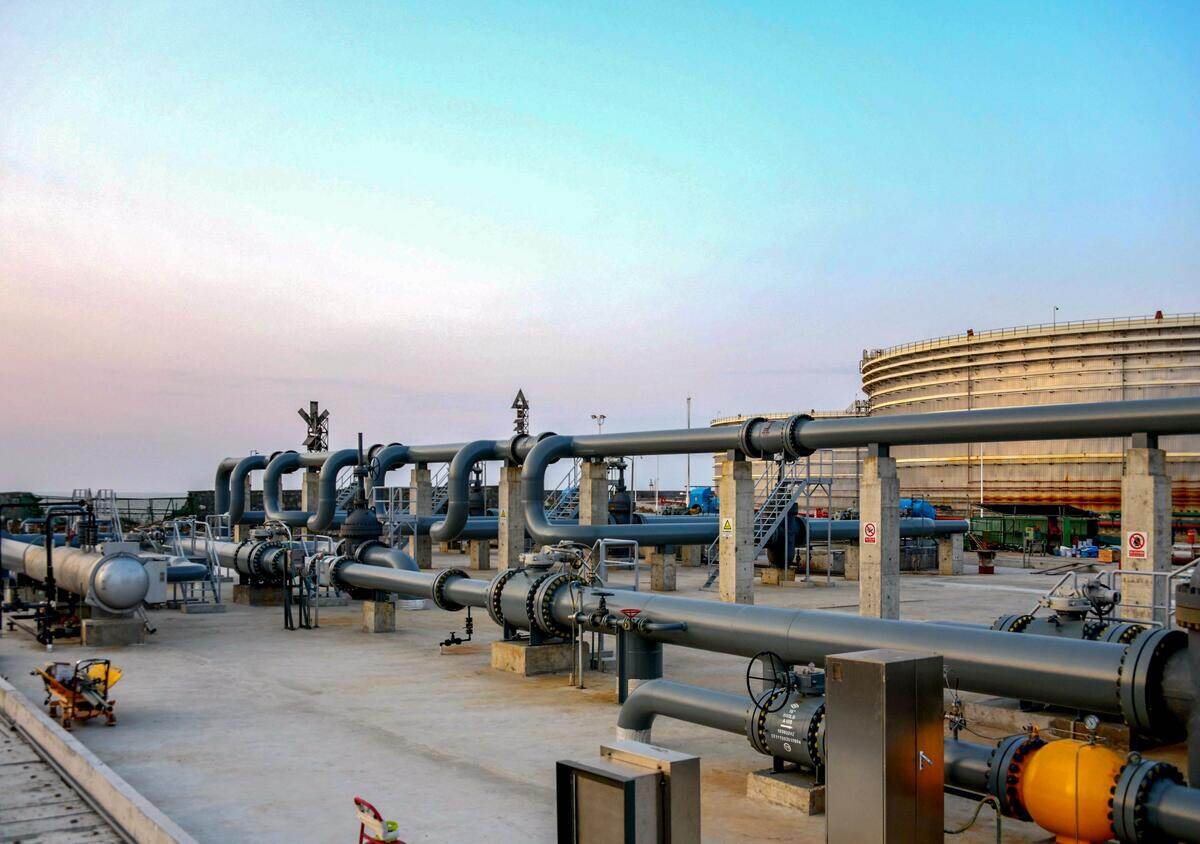
Clear four quantitative objectives
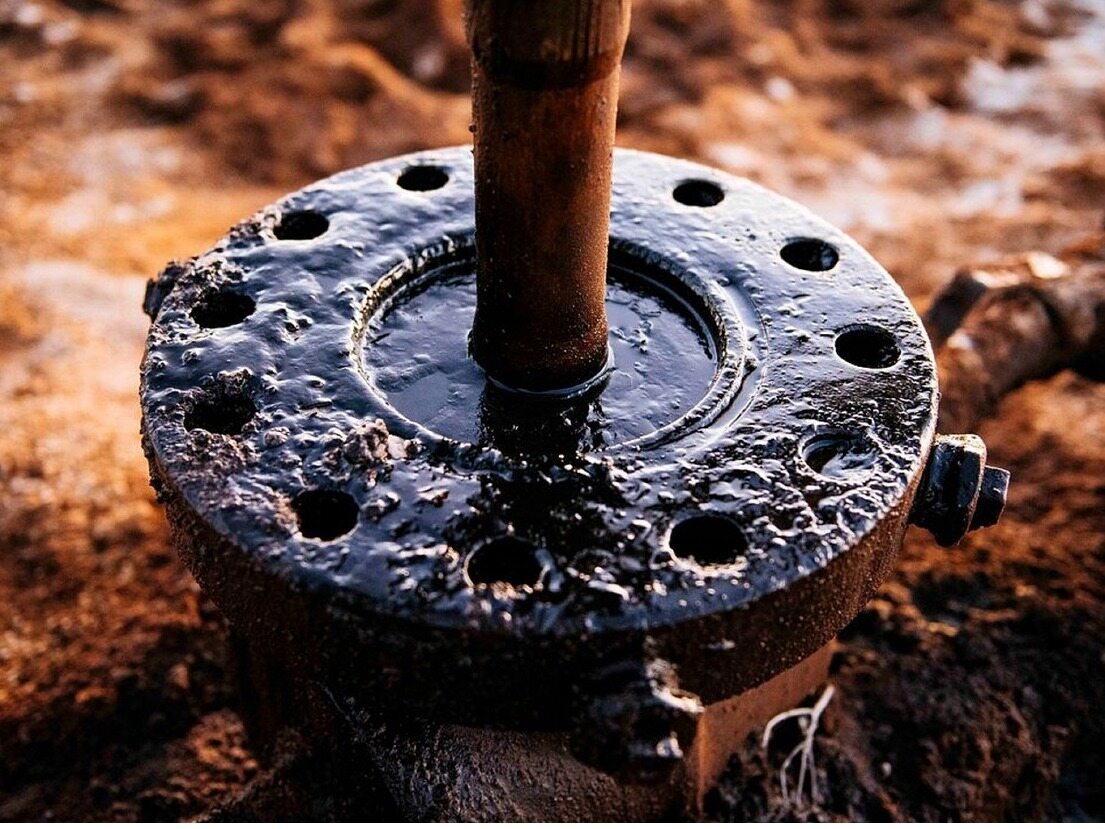
The plan specifies four core goals for 2030. The domestic oil and gas supply has reached 440 million tons of oil equivalent, and the total domestic oil and gas production continues to increase. During the 15th Five Year Plan period, 20000 kilometers of oil and gas long-distance pipelines will be added, and the scale of the national oil and gas long-distance pipeline network will reach 220000 kilometers, making the national oil and gas network more interconnected and efficient. The scale of natural gas reserves continues to grow, accounting for over 13% of national consumption; The unloading capacity of liquefied natural gas receiving stations reaches 200 million tons per year, and the import capacity of natural gas through onshore pipelines reaches 114 billion cubic meters per year. CCS and CCUS inject 10 million tons of carbon dioxide annually, which is also the first time this indicator has been included in the oil and gas special plan.
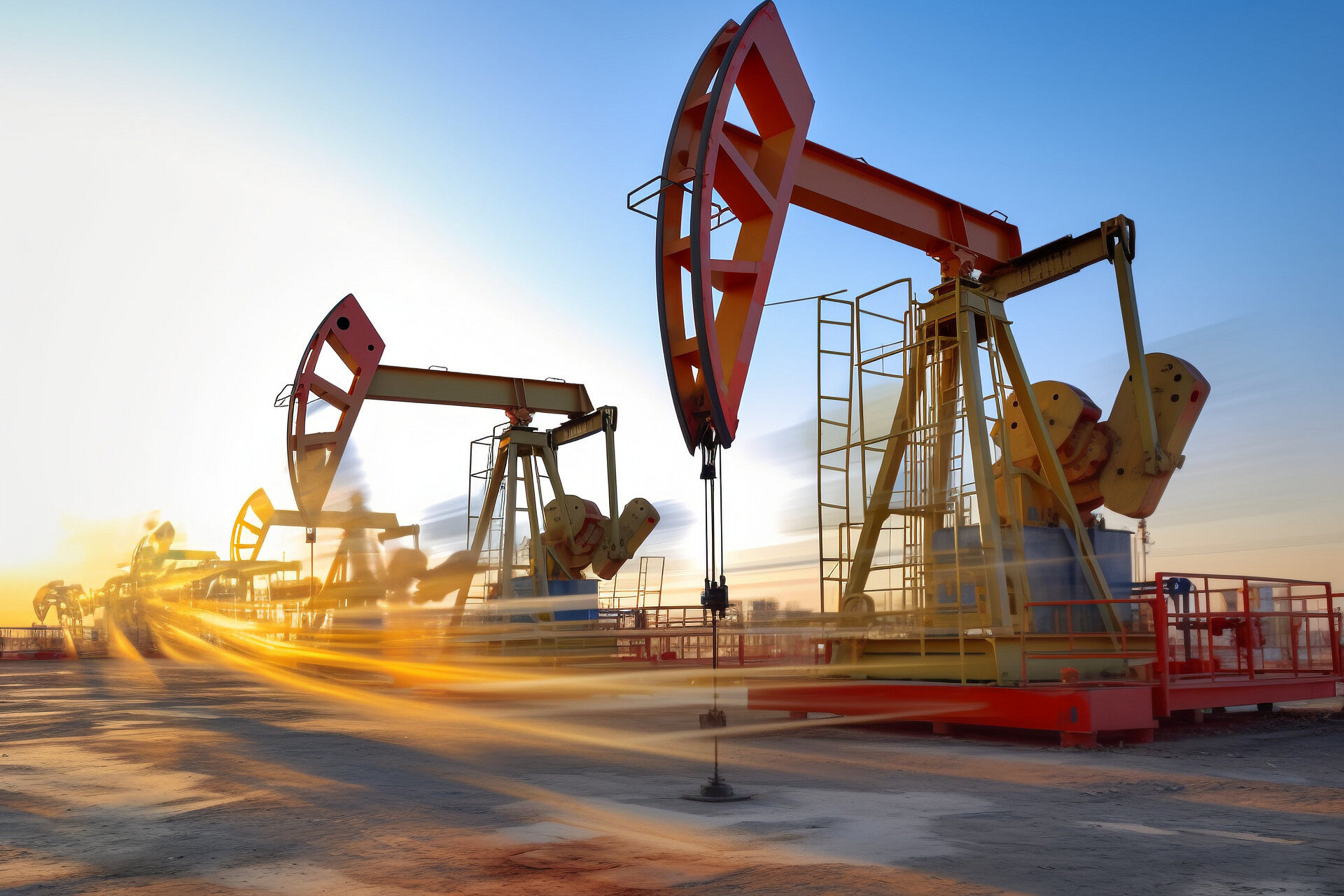
Collaborative promotion of two major tasks
Yang Jun, Deputy Director of the Petroleum and Natural Gas Department of the National Energy Administration, pointed out that the two major tasks of ensuring energy security and promoting green and low-carbon development are mutually supportive and coordinated, which not only maintains the bottom line of energy security but also grasps the direction of green transformation. Plan to build oil and gas strategic support bases around key basins such as Ordos, Bohai Bay, Sichuan Chongqing, Tarim, Songliao, and Junggar, ensuring that the oil reserve replacement rate remains above 1 and the natural gas reserve replacement rate strives to be higher. At the same time, we will promote the peak of oil consumption, facilitate the clean and efficient utilization of natural gas, and accelerate the integrated development of oil and gas with new energy, hydrogen energy, CCUS, and new energy storage. Keywords: New energy news and information, oil, natural gas
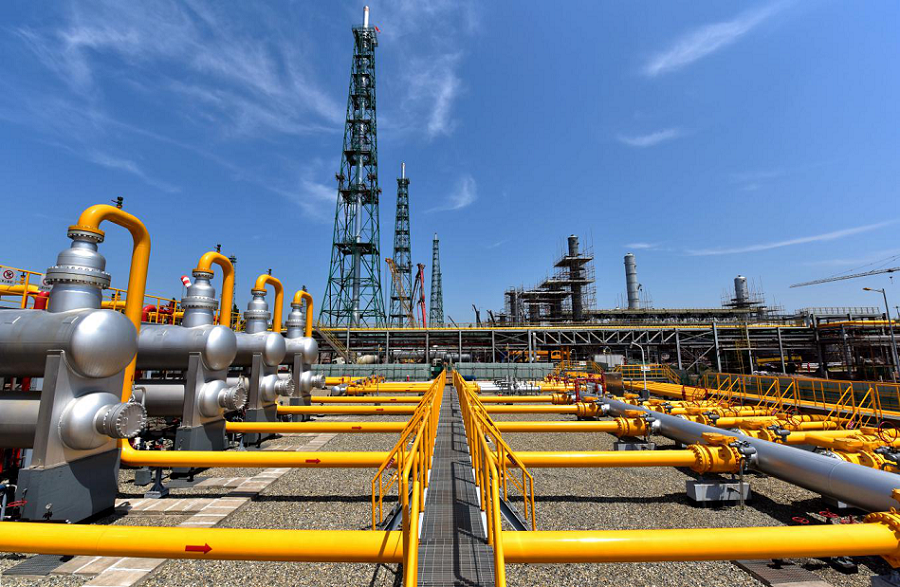
Seven key deployments
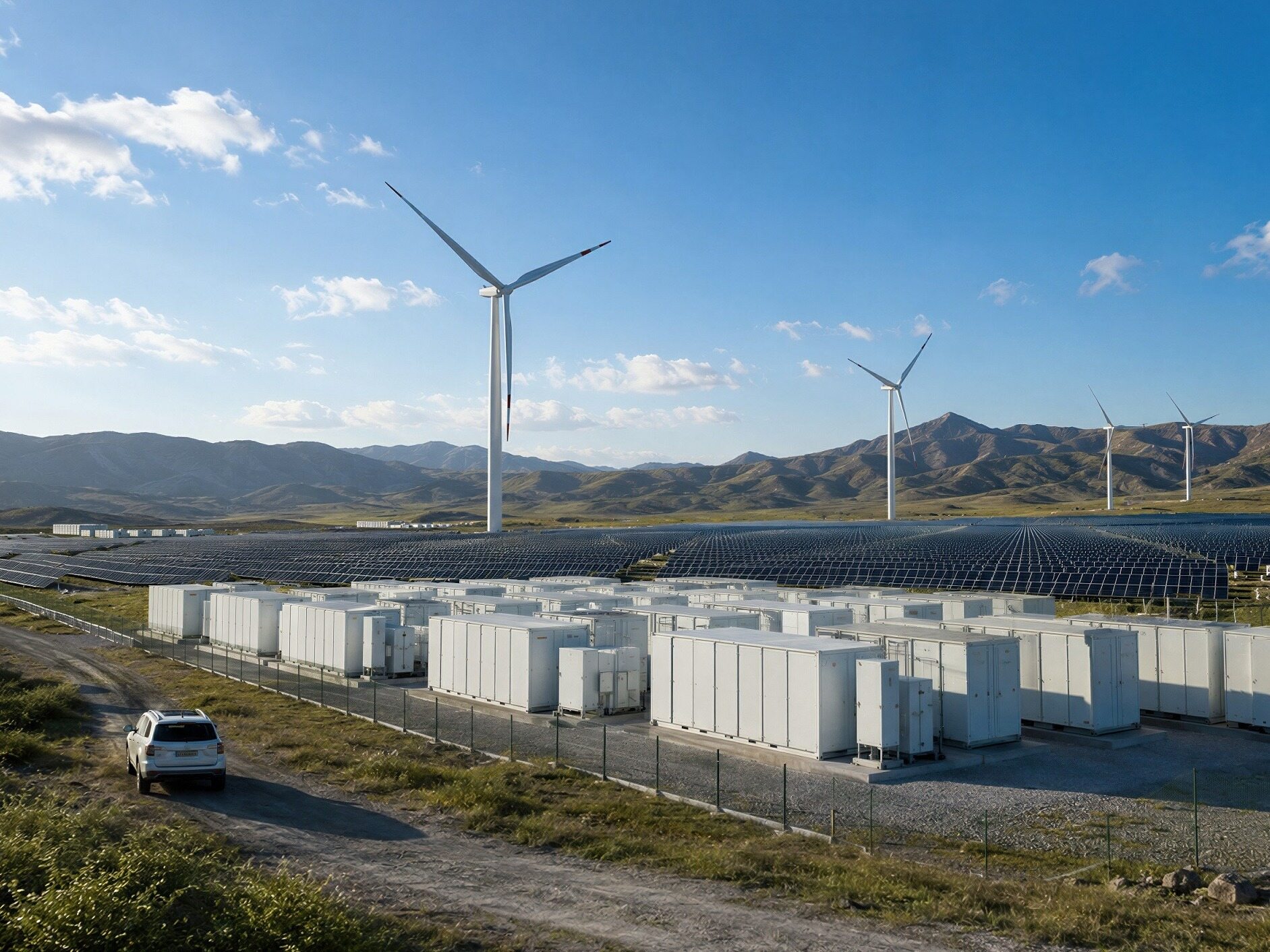
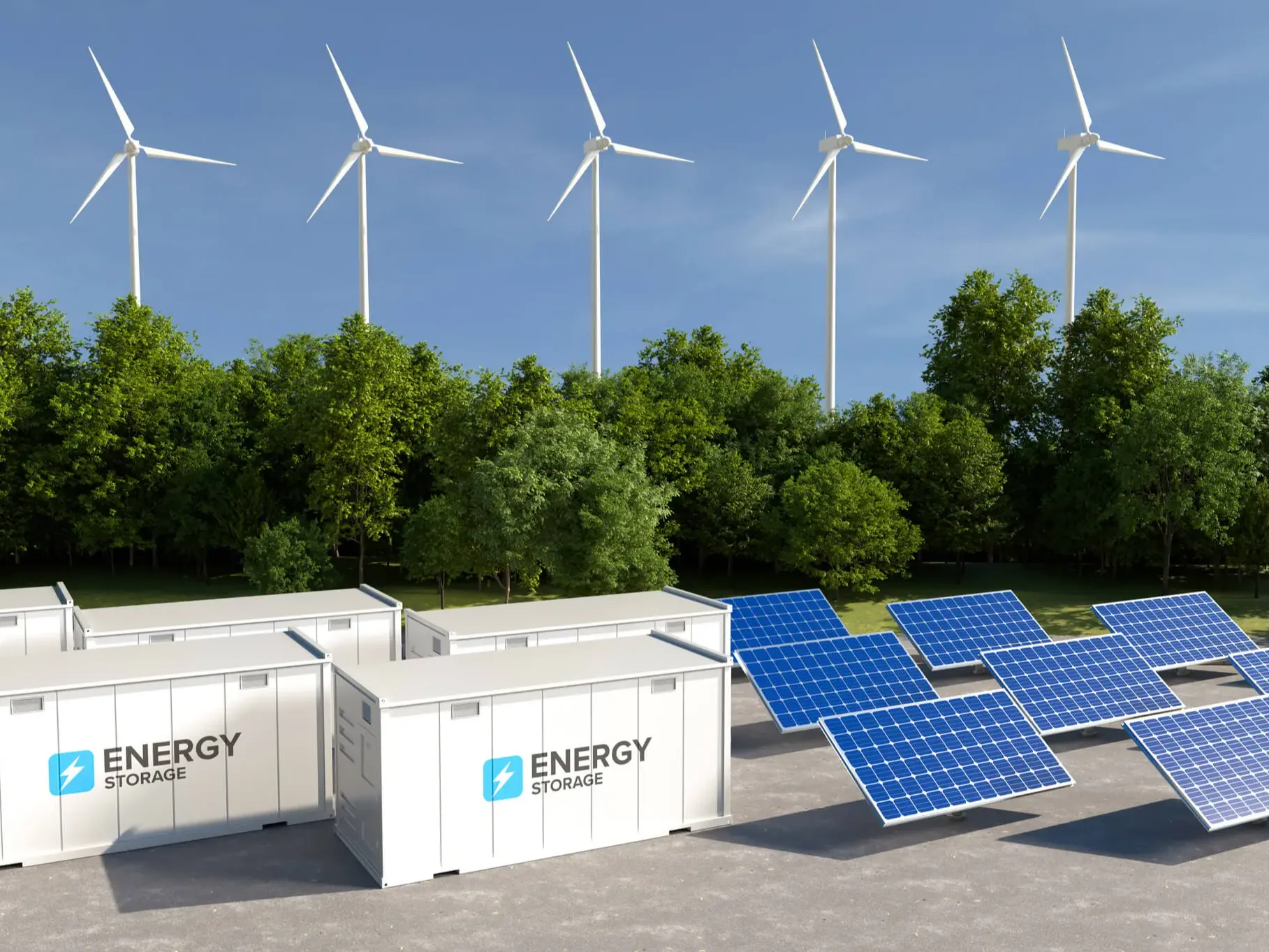
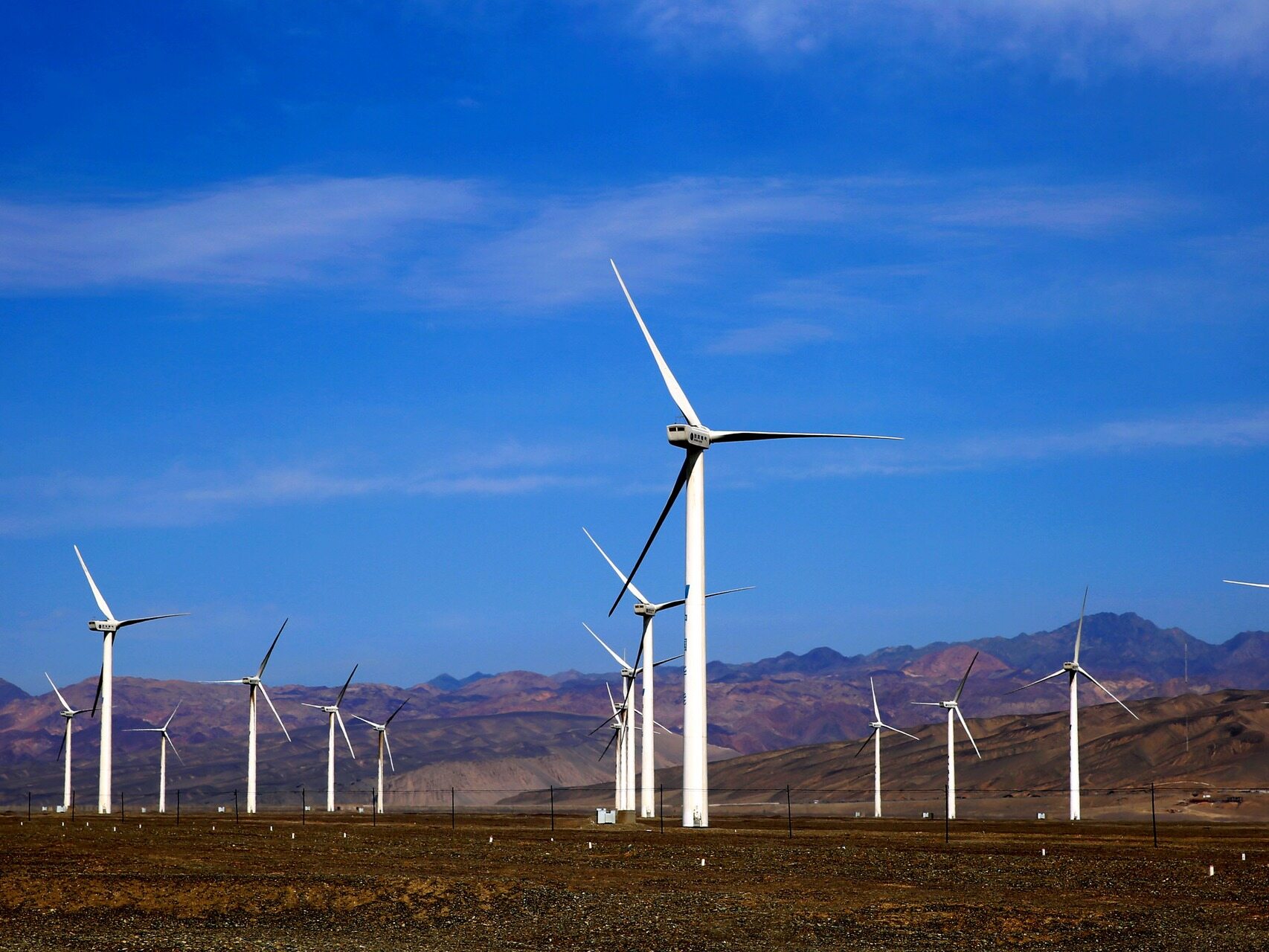
To achieve the above goals, seven key tasks have been planned and deployed, including increasing oil and gas exploration and development, increasing reserves and production, improving infrastructure construction, strengthening the oil and gas reserve system, enhancing international cooperation in oil and gas, accelerating green transformation and cultivating new quality productivity, strengthening the drive for technological innovation, and deepening the reform of the oil and gas system. The plan proposes for the first time the integration of oil and gas with hydrogen ammonia storage and transportation system, promoting the new underground energy storage industry, and exploring new formats such as compressed air energy storage by utilizing depleted oil and gas reservoirs and salt caverns. The oil and gas market system will also continue to improve, further supporting private capital to participate in the construction of non strategic pipelines and oil and gas reserves. The plan also proposes to rely on the orderly development of photovoltaic, wind power, and geothermal energy in oil and gas mining areas and surrounding areas, improve the electrification rate of production energy, and create green, low-carbon, and zero carbon oil and gas fields.Editor/Gao Xue
Comment

 Praise
 Collect
 Comment

 Share
Share


Write something~