 Search


- Romania improves hydrogen energy regulation and accelerates energy transformation and upgrading
- Relying on the advantages of pipeline network and new energy, the potential for hydrogen energy development in the local area is highlighted
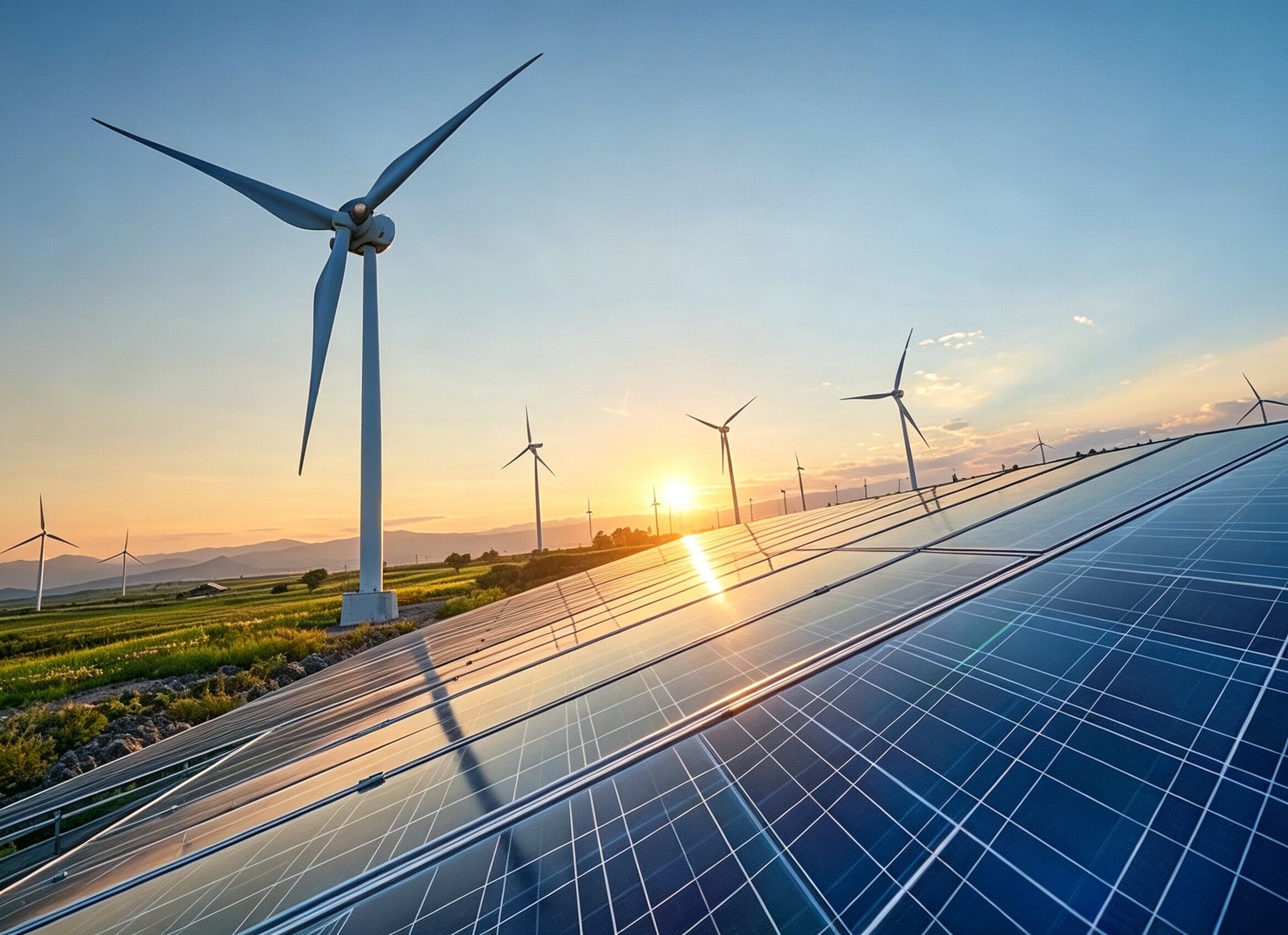
The wind turbines along the Black Sea coast work day and night, while the photovoltaic panels on the Danube plain are spread out in succession. Romania is thickening its "scenic chassis", and now, hydrogen energy has officially entered the regulatory field, and the institutional framework is accelerating its formation. This Southeast European country is quietly moving from a new energy rich country to a green hydrogen hub.
From storytelling to asset management
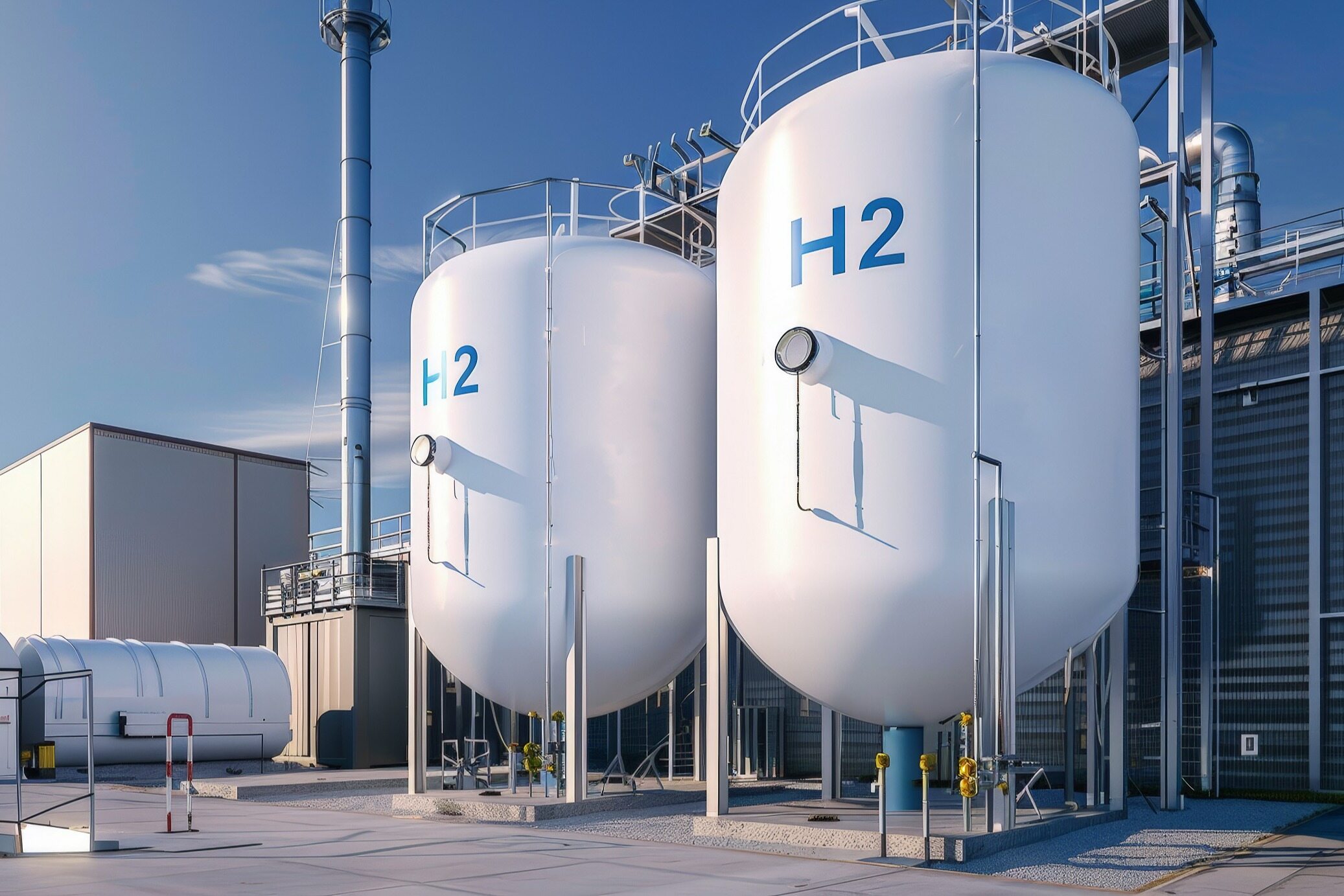
Romania has released a draft of the "Hydrogen Energy Code" and multiple supporting documents, marking the formal inclusion of hydrogen energy into the national energy regulatory system. Previously, there was a lack of standards for hydrogen blending in the pipeline network and hydrogen entering the network, and regulatory gaps directly pushed up financing costs, causing many projects to stop at the feasibility stage. The new regulations establish a system from three levels: strategic, regulatory, and technical rules, promoting the transformation of hydrogen energy from policy planning into a tangible energy asset that can be financed, implemented, and operated. Rules are rarer than resources, and systems are more sustainable than subsidies.
Completed key steps in less than a year
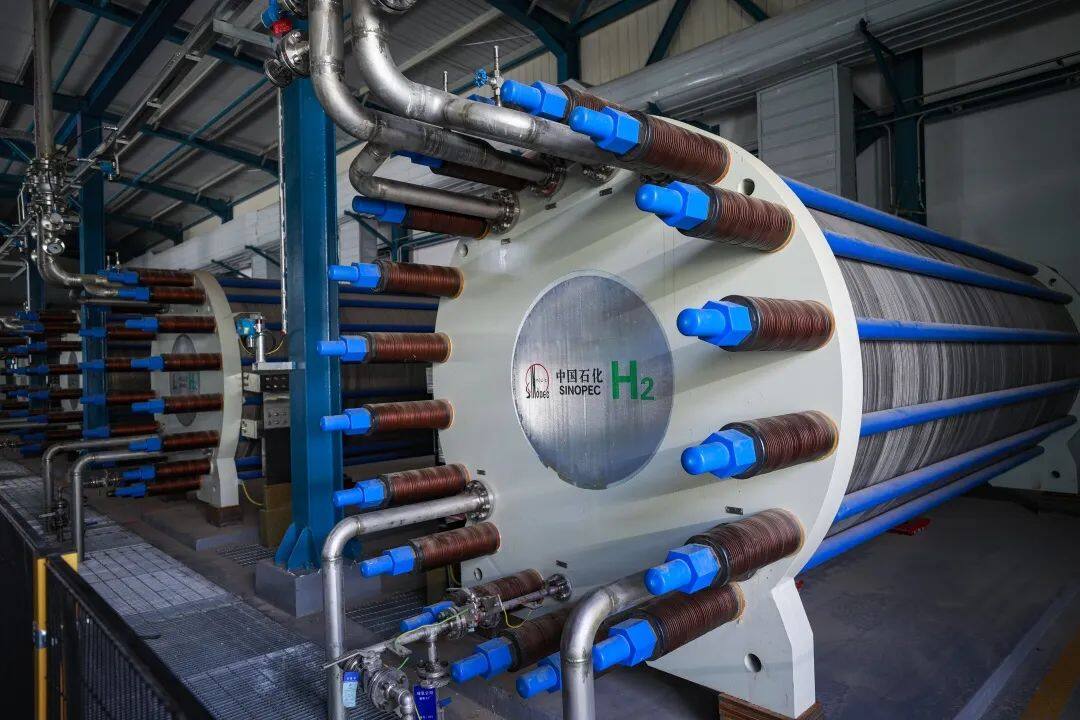
From the technical regulations for hydrogen refueling facilities at the beginning of the year, to the inclusion of hydrogen production facilities in official licenses, and then to this "Hydrogen Energy Standard", a complete policy loop has been formed in the local area, including production licenses, infrastructure standards, operational norms, and trading mechanisms. The closure of the policy chain is the anchor point for risk pricing - the more certain the rules are, the more daring capital is to move. This rhythm sends a clear signal: regulatory authorities are not testing the waters, but paving the way.
The window is already open and the gameplay needs to be upgraded
The new regulations significantly enhance the financing feasibility of hydrogen energy projects, giving rise to diverse tracks such as green hydrogen manufacturing and hydrogen storage and transmission facilities. But calmness is indispensable - practical constraints such as costs, electricity prices, and hydrogen purchase agreements still exist, and the EU supply-demand matching mechanism is still being established. Rules in place are just admission tickets, only high-quality and compliant projects can run through the commercial closed loop. Keywords: Romania, hydrogen energy, green hydrogen industry
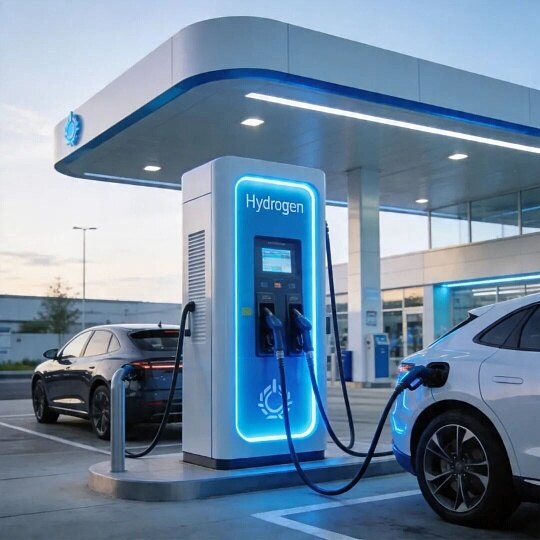
For Chinese enterprises, opportunities are not limited to equipment exports, but also cover the entire chain of EPC, project development, investment and operation, which is a key window for the transformation from selling equipment to comprehensive energy service providers. The further the role moves, the higher the requirements for interpreting local rules and compliance management. Whoever can establish the composite ability of rule understanding, project development, and capital operation first can truly reap this dividend.Editor/Gong Ziwei
Comment




 Praise
 Collect
 Comment

 Share
Share


Write something~