 Search


- Practical testing of energy storage in Central Asian power grid faults highlights the value of new power facilities
Multiple cities suddenly plunged into darkness, with transportation, communication, and municipal systems being hit one after another. A cross-border power grid chain failure swept across four Central Asian countries. Unlike the large-scale collapse several years ago, the recovery speed of this accident has significantly improved, and the rapid response of the energy storage system plays a key buffering role, providing practical reference for regional power grid safety.

Chain spread of accidents
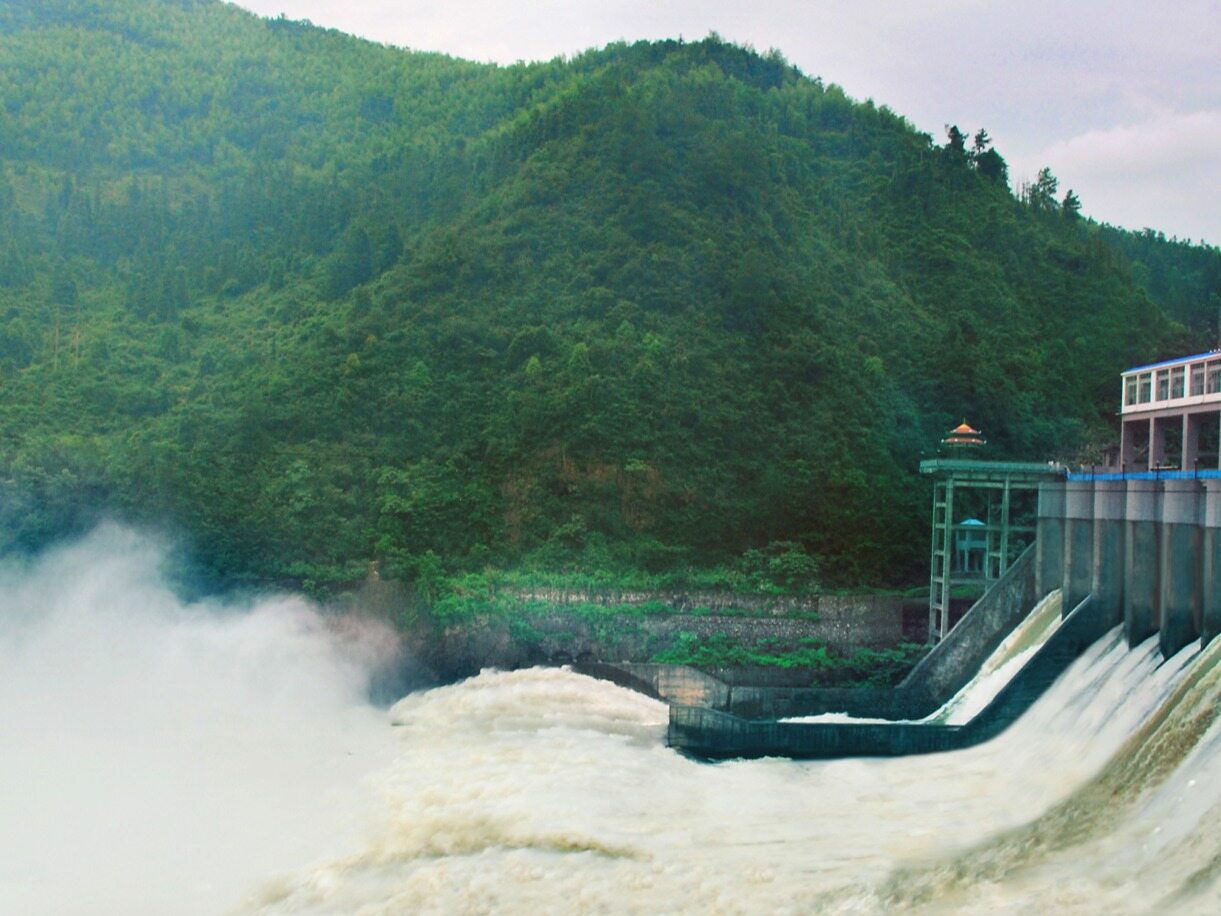
At around 14:37 on August 14, 2026, two generator units of the Toktogur hydropower station in Kyrgyzstan tripped, causing a sudden change in cross-border currents. The 500 kV transmission channel in the northeast and southeast of Kazakhstan was overloaded, and the southern region was disconnected from the Central Asian unified power system. The fault quickly spread to Kazakhstan, Uzbekistan, Tajikistan, and Kyrgyzstan.
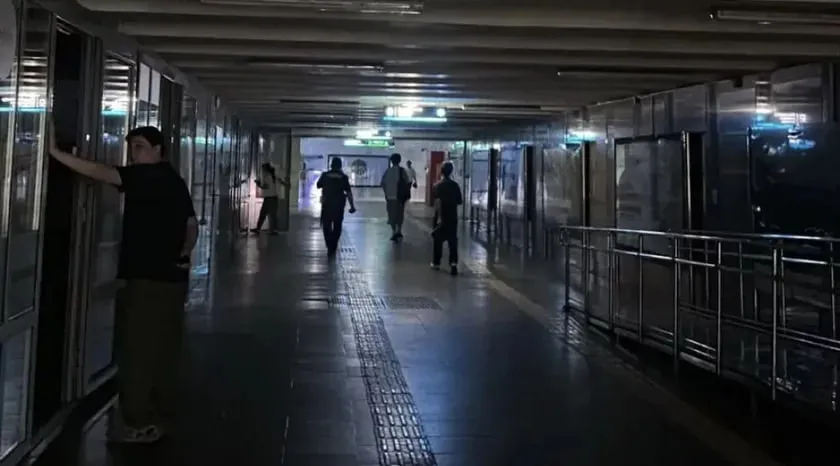
Eight regions in Kazakhstan experienced power outages, the Almaty subway was shut down, and the operation of municipal facilities was hindered. At 14:47, power was restored in the north, at 16:26 in Jetsu, Almaty Oblast, and at 16:34 in the rest of the south. After a brief isolated operation in Kyrgyzstan, power was restored. Some areas in Tajikistan experienced power outages for over an hour, while only the southern Surkhan River Oblast in Uzbekistan was affected. Power was restored to most areas in the evening. Compared to the large-scale power outages in Central Asia in 2022, this one has a wider impact, but the overall disposal efficiency has significantly improved.
Energy storage plays an effective role
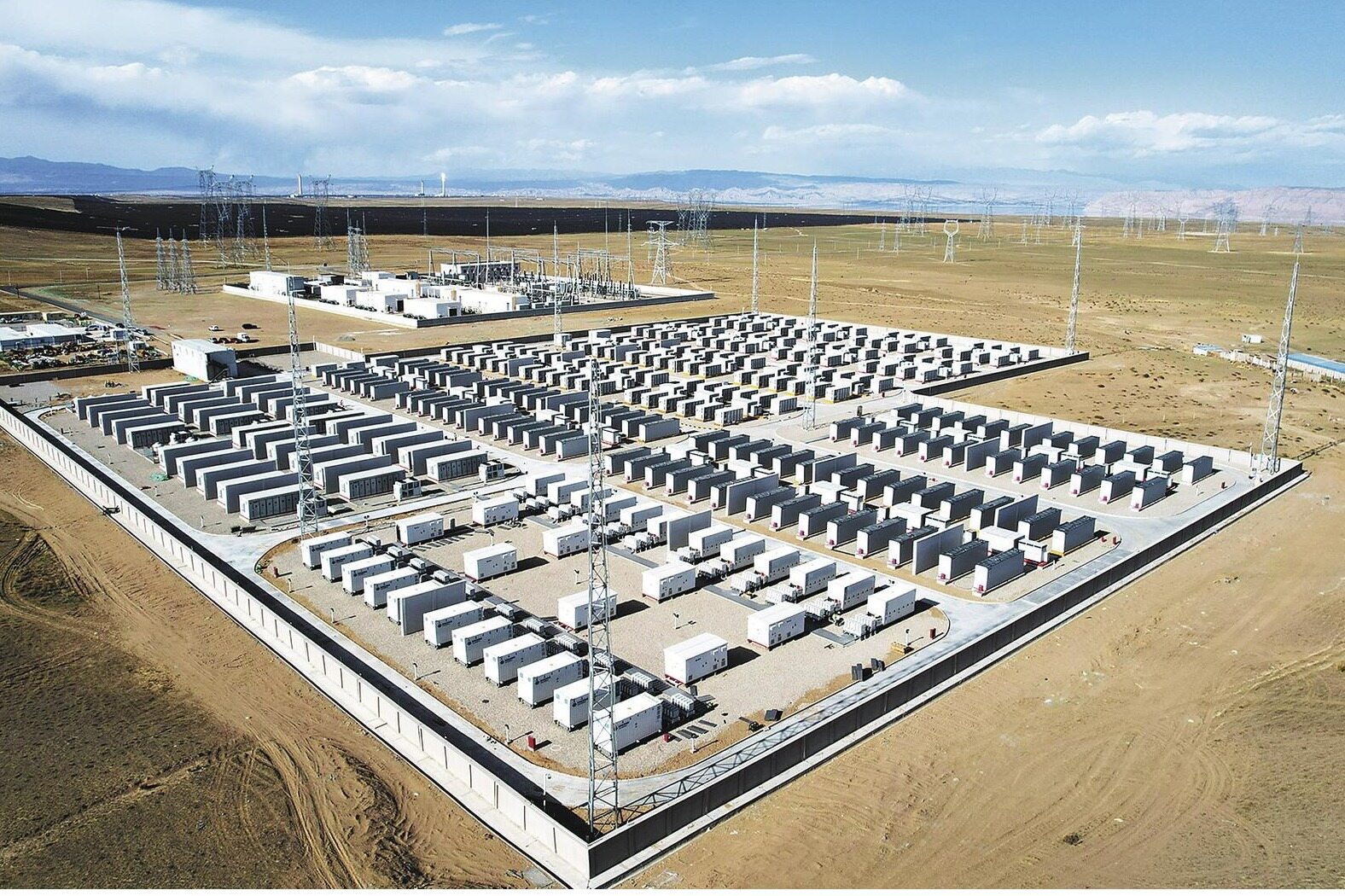
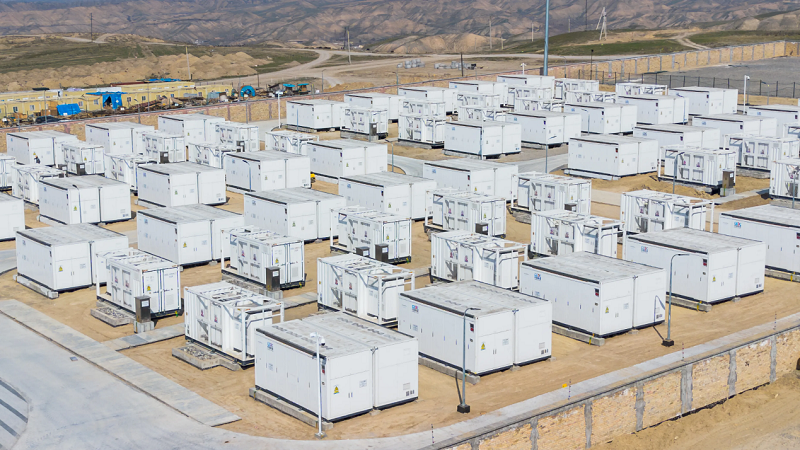
In addition to the action of multi-level anti accident devices, the battery energy storage system has become an important support. In the early stage of a fault, energy storage can quickly output power, suppress frequency drops, provide voltage support, and strive for dispatch time for critical loads, making up for the shortcomings of long start-up time for thermal power and hydropower. Uzbekistan has built a leading electrochemical energy storage cluster in Central Asia, with Chinese enterprises participating in the construction of 150MW/300MWh grid type energy storage stations in Luqi, Tashkent 334MW/500MWh, and Namangan 100MW/200MWh. The energy storage equipment acts as safety airbags for the power grid, compressing the impact of power outages and accelerating post disaster recovery. Keywords: Central Asian power outage, power grid safety, electrochemical energy storage
Expose deep weaknesses
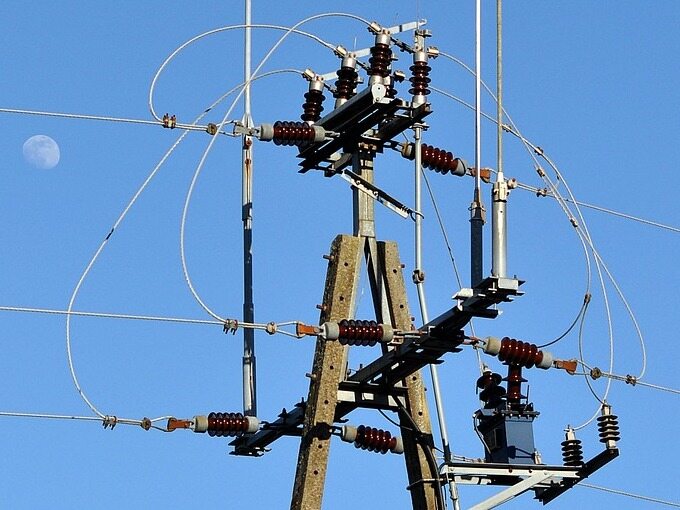
This accident exposed inherent hidden dangers in the Central Asian power grid, with strong dependence on cross-border power grids left over from the Soviet era and insufficient redundancy in key sections. The proportion of power facilities in the four countries with over 30 years of experience is 44% to 75%, and the comprehensive power loss is maintained at 15% to 20%. Hydroelectric dispatch and agricultural irrigation are mutually constrained, with equipment aging and increased electricity load, putting pressure on the system's regulatory capacity. According to the current development scenario, local electricity demand is expected to triple by 2050, and Central Asia needs to upgrade its grid dispatching market and energy storage to promote iterative innovation in the regional power system.Editor/Min Jing
Comment



 Praise
 Collect
 Comment

 Share
Share


Write something~