 Search


- China's new energy equipment faces opportunities in Asia and Africa, while localization and financing risks become landing challenges
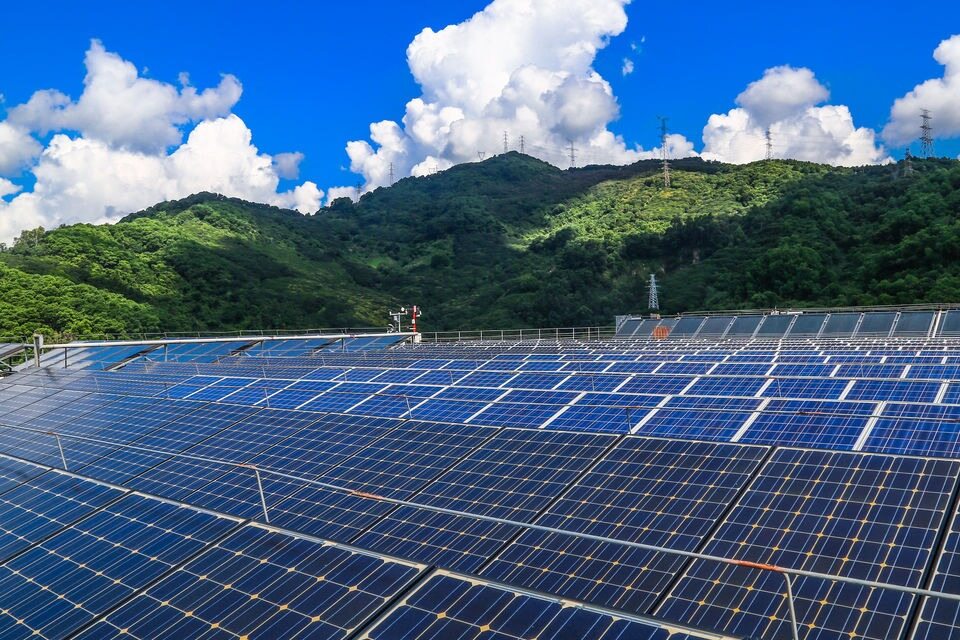
A tracking report by the Associated Press on the global energy transition points out that some emerging markets in Asia and Africa are following a different energy evolution path from traditional European and American markets. In areas with weak power infrastructure, a leapfrog development model is emerging, no longer completely replicating the traditional construction path of large power grids and centralized power sources, but introducing distributed photovoltaics, energy storage, and microgrids earlier. China's new energy equipment, with its highly competitive and mature supply chain, has become the core force driving this energy transformation. However, these emerging markets with strong demand are not business hotbeds where simply selling goods can easily generate profits.
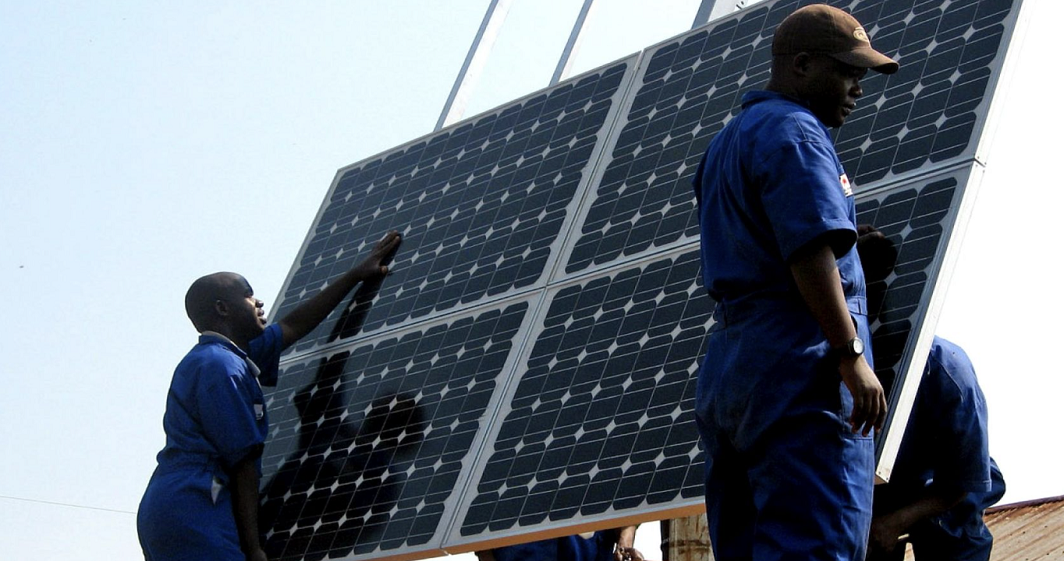
Leapfrog development accelerates
Unlike the logic of replacing existing production capacity with renewable energy in the European and American markets, the fundamental pain point faced by emerging markets in Asia and Africa is to start from scratch. In remote areas of sub Saharan Africa and Southeast Asia, traditional large-scale power grid construction faces huge obstacles such as funding shortages, extremely long construction periods, and complex geographical environments. Photovoltaic and energy storage microgrids, as well as distributed generation systems, are becoming essential choices for addressing local power shortages due to their flexible deployment, short construction periods, and controllable operation and maintenance costs. South Africa imports over 3GW of solar equipment annually, Nigeria's local assembly capacity has skyrocketed from 120MW to 300MW in the past two years, and Morocco's solar power generation and manufacturing capacity has reached about 1GW per year. The Asian African new energy market presents distinct characteristics of large but fragmented demand, extreme sensitivity to equipment cost-effectiveness, fragile infrastructure, and high durability requirements.
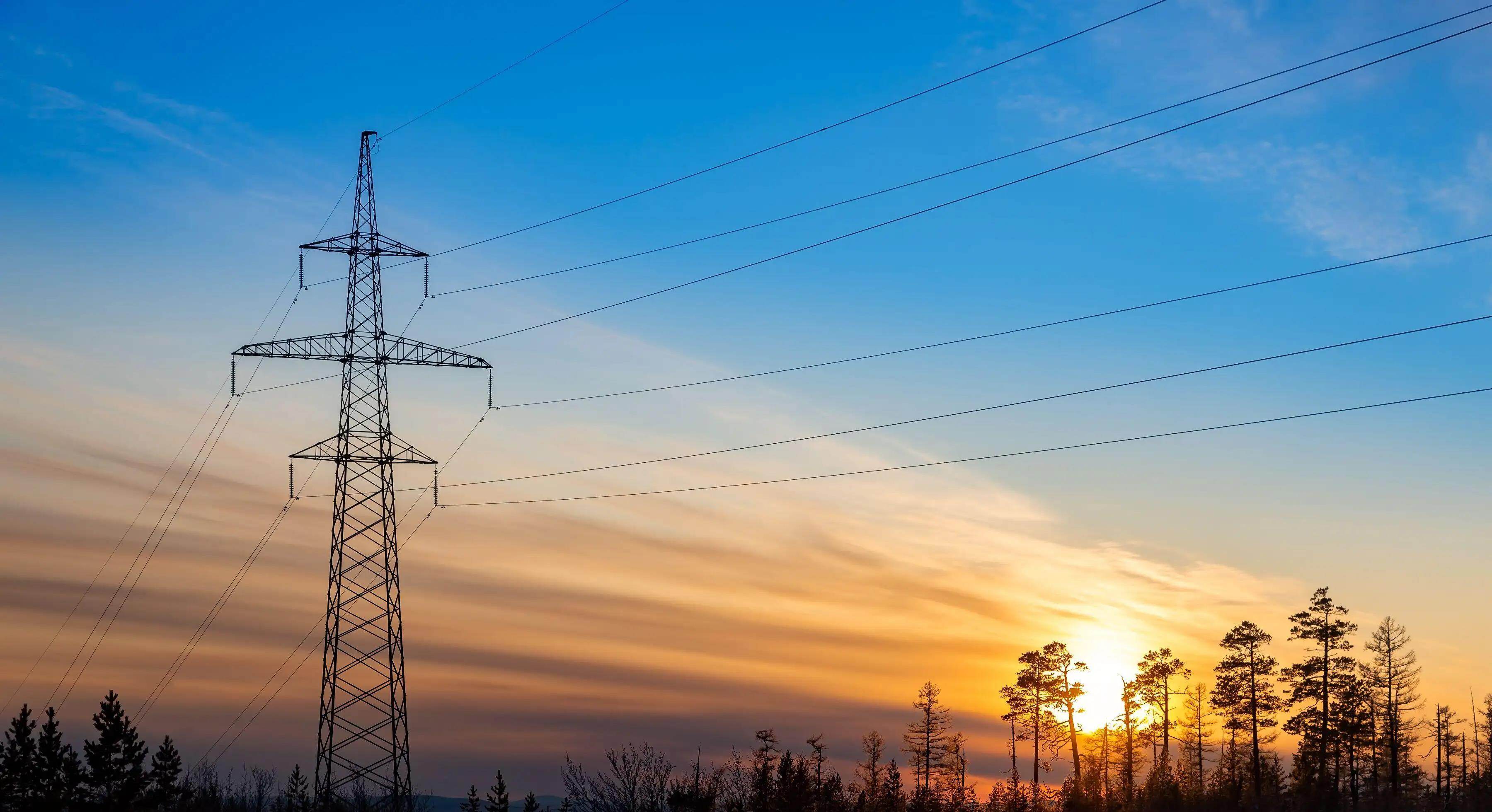
Four major practical challenges are highlighted
Despite strong demand, the Asian and African markets are not easy to win. The power grid has weak carrying capacity, and the backbone networks of emerging markets are severely aging and lack peak shaving capabilities, making it difficult to withstand large-scale centralized power generation and grid connection. The difficulty in obtaining grid access permits and frequent impact tripping directly threaten the operational life of equipment. The threshold for project financing is high, and many local developers' project finances are opaque and lack performance guarantees, making it difficult to meet the financing standards of international commercial banks and multilateral financial institutions. As a result, a large number of intended orders are stagnant on the funding side. The risk of foreign exchange settlement is prominent, with some countries in South Asia and West Africa facing a shortage of foreign exchange reserves, devaluation of local currencies, and implementation of foreign exchange controls, which puts companies at risk of bad debts. Local policies change frequently, and some countries suddenly increase equipment import tariffs or enforce strict localization ratio requirements to protect local industries. Africa has almost no commercial scale solar cell manufacturing capacity, and the vast majority of new factories are only assembling imported components. Core high-value technologies are still highly dependent on foreign countries. Keywords: editorial news, new energy, photovoltaics, energy storage, power grid
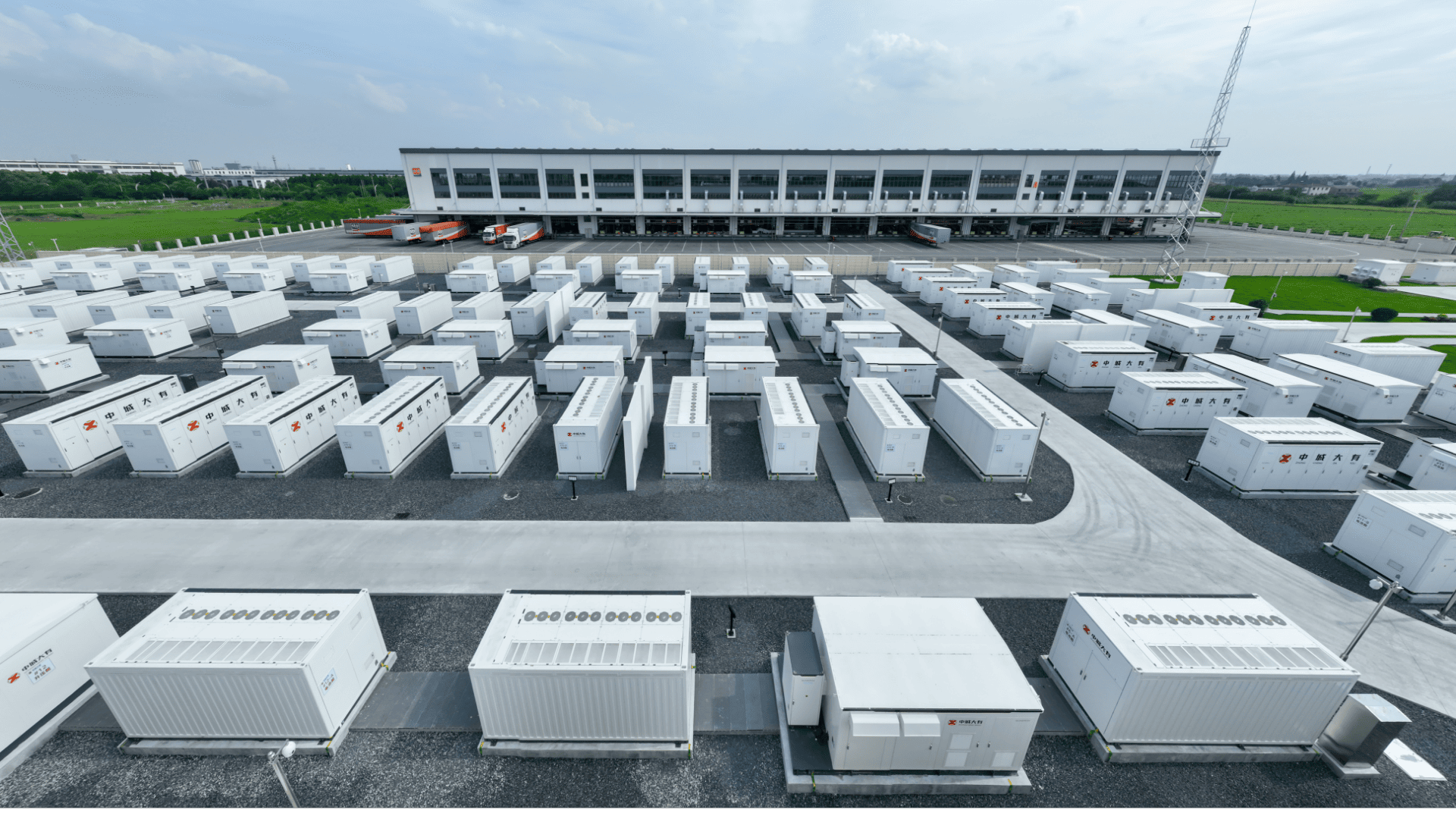
Local partners are key
Faced with the four major barriers of power grid, financing, foreign exchange, and policies, relying solely on equipment cost-effectiveness is no longer sufficient to support long-term implementation. The key to breaking the deadlock lies in identifying and binding the right local partners and core customers in emerging markets. Affected by trade restrictions between Europe and the United States, domestic photovoltaic companies are inevitably choosing to transfer investment overseas to maintain operations, with Ethiopia, South Africa, and Morocco becoming popular investment destinations. For overseas enterprises, a deep understanding of the geopolitical, foreign exchange policies, trade barriers, and compliance risks of the target country, as well as accurate screening and docking with local developers, compliant EPC, and local joint venture partners, will become the core competitiveness for China's new energy equipment to move from product overseas to local roots. In the transition process of emerging markets in Asia and Africa, the victory or defeat lies not only in the cost-effectiveness of equipment, but also in a deep understanding of local rules and the ability to identify local ecological partners.Editor/Gao Xue
Comment




 Praise
 Collect
 Comment

 Share
Share


Write something~