 Search


- Continuous iteration of automobile manufacturing, intelligent visual quality inspection opens up efficiency transformation
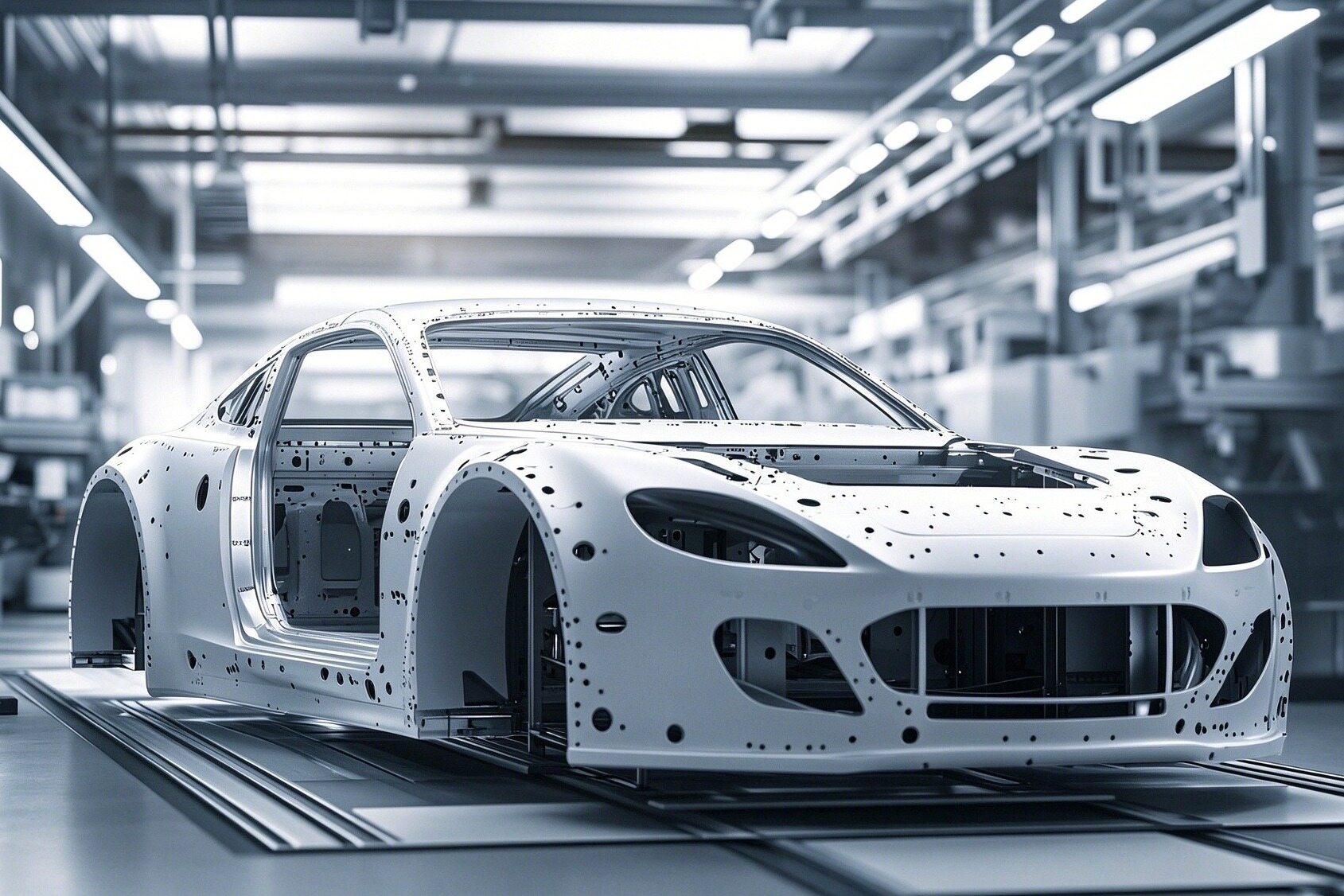
Over the past century, the automotive industry has undergone two manufacturing revolutions: assembly line and industrial robots. Nowadays, under the wave of new energy vehicles, intelligent visual quality inspection is driving the third efficiency leap. From batteries to solder joints, machine vision has completely replaced manual sampling, and what supports all of this is no longer a simple camera+algorithm, but a full chain computing system that collects, processes, infers, makes decisions, and loops.
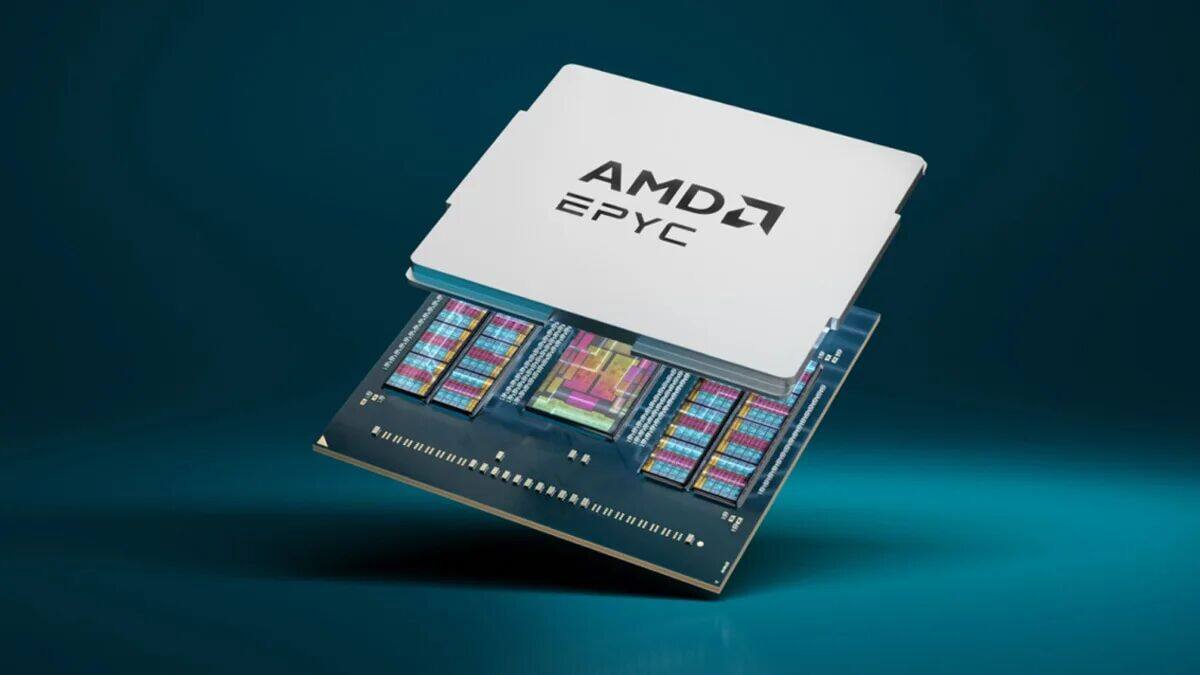
The core contradiction of this transformation is that the computing pressure brought by massive data from multiple sensors has far exceeded the carrying capacity of traditional hardware. What factories need is no longer just AI inference chips, but a CPU as the data center - it connects sensors, GPUs, and production systems to achieve defect tracing and process optimization, serving as the scheduling brain for the entire quality inspection chain.
The game of high and low computing power
Intelligent quality inspection integrates a large number of sensors, and 8 to 32 industrial cameras are often deployed at a single workstation to process massive images in milliseconds. Insufficient computing power can lead to data backlog and slow down the production line. The AMD EPYC 9005 series processor has a maximum of 192 cores and 384 threads, with a clock speed exceeding 5.0GHz, balancing single core response and parallel throughput; The 12 channel DDR5 memory bandwidth reaches 614GB/s, paired with the AVX-512 instruction set to accelerate image data transfer and avoid GPU idle waiting. A single server can carry multiple workstation detection tasks, supporting greater computing power requirements with fewer devices.

From identifying defects to tracing their causes
Modern quality inspection has upgraded from identifying defects to tracing the cause. Synchronize the recording of images, judgments, and process data for each detection, and link MES/QMS to form a traceable digital archive. This imposes strict requirements on I/O throughput and cross system scheduling. EPYC 9005 supports PCIe 5.0 high-speed interconnection, which opens up the channel for importing detection data into the production system; The powerful virtualization capability enables a server to isolate multiple independent computing environments and run multiple detection tasks simultaneously, adapting to the needs of flexible production lines.
Build a trustworthy and secure foundation
Quality inspection data is related to product quality and core processes of the enterprise, and safety protection cannot be ignored. EPYC 9005 is equipped with AMD Infinity Guard security system, which supports memory encryption, secure boot, and confidential virtual machines, protecting production data from the source and building a trusted foundation for quality traceability, giving intelligent manufacturing both speed and confidence. Keywords: computing power, new energy vehicles, intelligent manufacturing
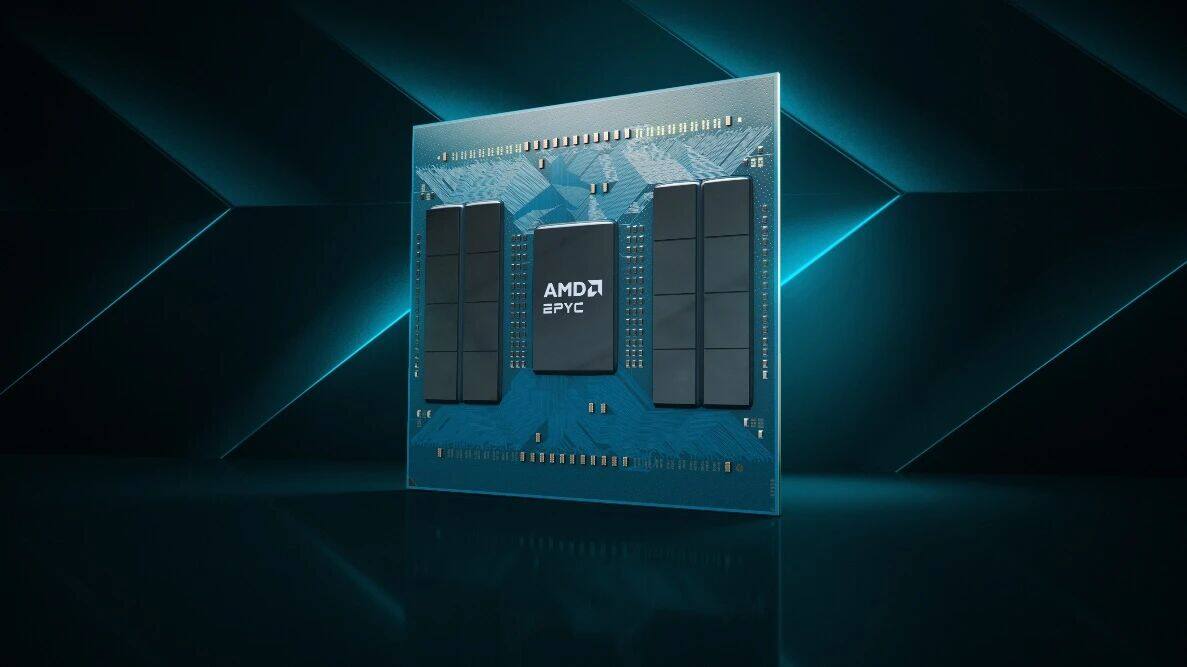
The competition in automobile manufacturing has shifted from equipment accuracy to full chain collaboration of perception, data, computation, and decision-making. AI is the eye that recognizes defects, while CPU is the central nervous system of the entire system. From assembly line car manufacturing to data-driven production, computing power efficiency is becoming the core competitiveness of smart factories. Whoever controls the data center holds the initiative in the next generation of manufacturing.Editor/Gong Ziwei
Comment






 Praise
 Collect
 Comment

 Share
Share


Write something~