 Search


- Cascade hydropower clusters make efforts to build a world-class green and clean energy corridor
- Ultra high voltage high-speed transmission, connecting the complementary energy transmission channels between the east and the west
Looking down at China from space at night, a shining light strip spans east and west. For over two thousand years, the Yangtze River relied on water transportation to carry boats and transport salt, grain, and cloth, supporting the circulation of ancient domestic goods. When the water in the west turns into green electricity that reaches the east in milliseconds, this mother river is no longer just a geographical waterway, but a major artery of energy and computing power that supports China's development.
New Transformation
Now the Yangtze River is undergoing a major transformation: the ultra-high voltage transmission line on the river surface will convert water energy in the western region into electricity, and the fiber optic cable at the bottom of the river will achieve massive data exchange between the east and the west. The Yangtze River is no longer just a natural waterway, connecting one-fifth of the country's territory, forming a world-class energy cycle and coordinated development system, and constructing the Yangtze River Economic Belt. The essence of human development of rivers is to utilize natural energy. For a long time, the huge amount of water energy in the Yangtze River has been lost with runoff. Now, China relies on large-scale infrastructure to convert water energy into stable and clean electricity.
Green power cluster
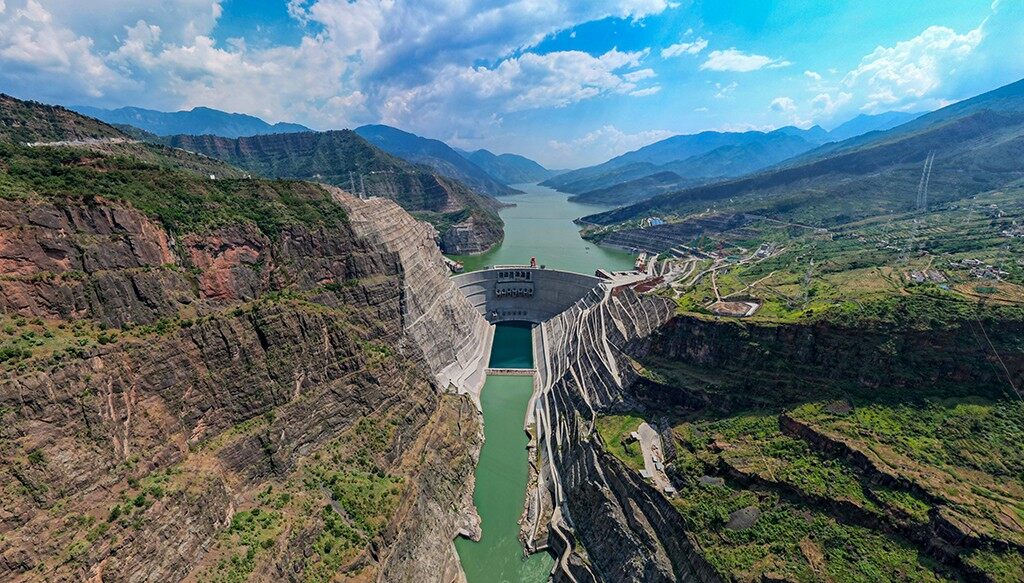
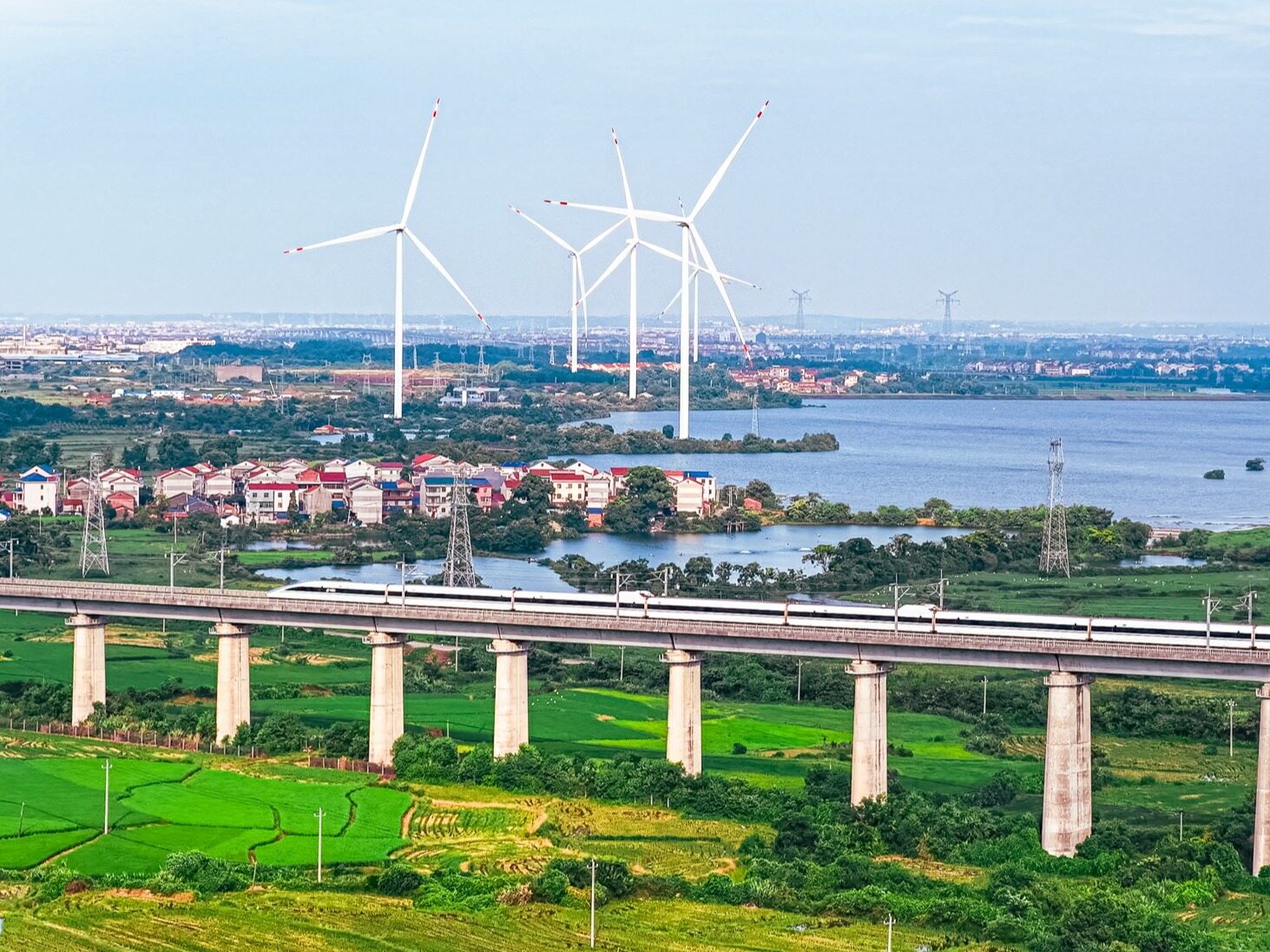
The Wudongde, Baihetan, Xiluodu, and Xiangjiaba in the lower reaches of the Jinsha River, together with the Three Gorges and Gezhouba, have built the world's largest clean energy corridor over 1800 kilometers of the river. Wang Hao, an academician of the CAE Member, said that hydropower can adjust the peak and act as a "super charging treasure" to support the integrated base of water, scenery and storage in the upper reaches of the Yangtze River. Wind and solar power output fluctuates, and multi energy complementarity can store wind and solar energy as hydropower; When the wind and solar power output is insufficient, hydropower can quickly replenish energy to ensure the safety of the power grid.
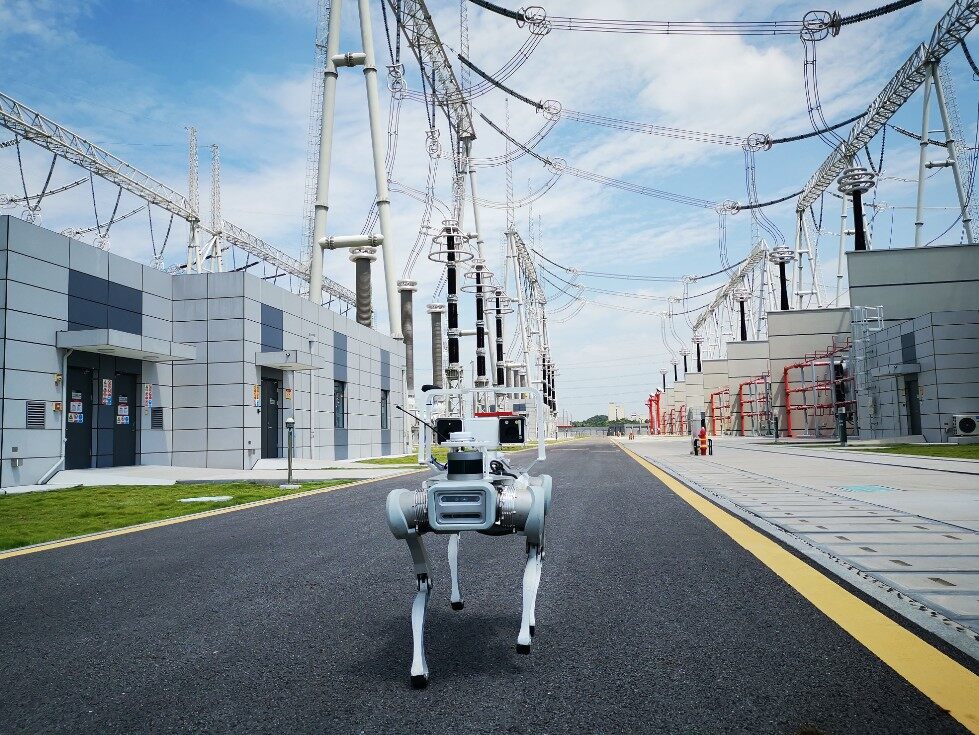
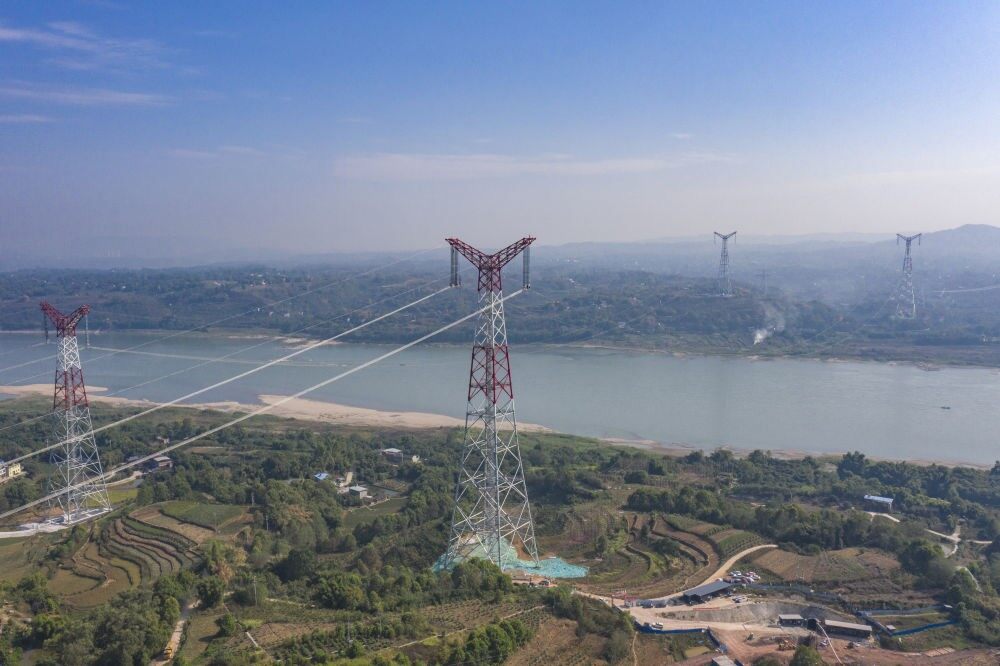
The river water drives the water turbine, and water energy is converted into electrical energy. In ancient times, it took several months for boats to travel from Sichuan to Jiangnan; The Baihetan Zhejiang ± 800 kV high-voltage project enables the western green power to cross 2100 kilometers and arrive at the Qiantang River converter station in just 7 milliseconds. After inversion, it supplies electricity to the eastern region. The converter station relies on unmanned aerial vehicles and robotic dogs for 24-hour automatic inspections to promptly detect equipment hazards. This intelligent operation and maintenance system ensures a stable daily output of 8 million kilowatt hours of electricity for the converter station. The Yangtze River, with its ultra-high voltage, realizes the cross regional transmission of energy at the speed of light and is a key channel for the transmission of electricity from the west to the east. Keywords: Yangtze River Economic Belt, Clean Energy, West East Power Transmission, Ultra High Voltage
Upgrade computing power
Long distance green power transmission provides an energy foundation for the development of the computing power industry. Behind the rapid response of intelligent interaction, a large amount of electricity and computing power are consumed. The digital economy in the Yangtze River Delta is growing rapidly, and the demand for computing power is surging. However, there is a shortage of land and low-cost green electricity in the eastern region. Relying on the resource advantages of the Yangtze River Economic Belt, the electricity demand in the western Yangtze River Delta supports the computing power demand in the eastern region, realizing the reverse allocation of digital resources and supporting the coordinated development of regional digital economy.Editor/Gong Ziwei
Comment



 Praise
 Collect
 Comment

 Share
Share


Write something~