 Search


- Railway connects cultural tourism and logistics channels, empowering local characteristic industries to transform and upgrade
- Empowering railway operation and maintenance with technology, consolidating the foundation for safe operation of the Northeast high-speed railway
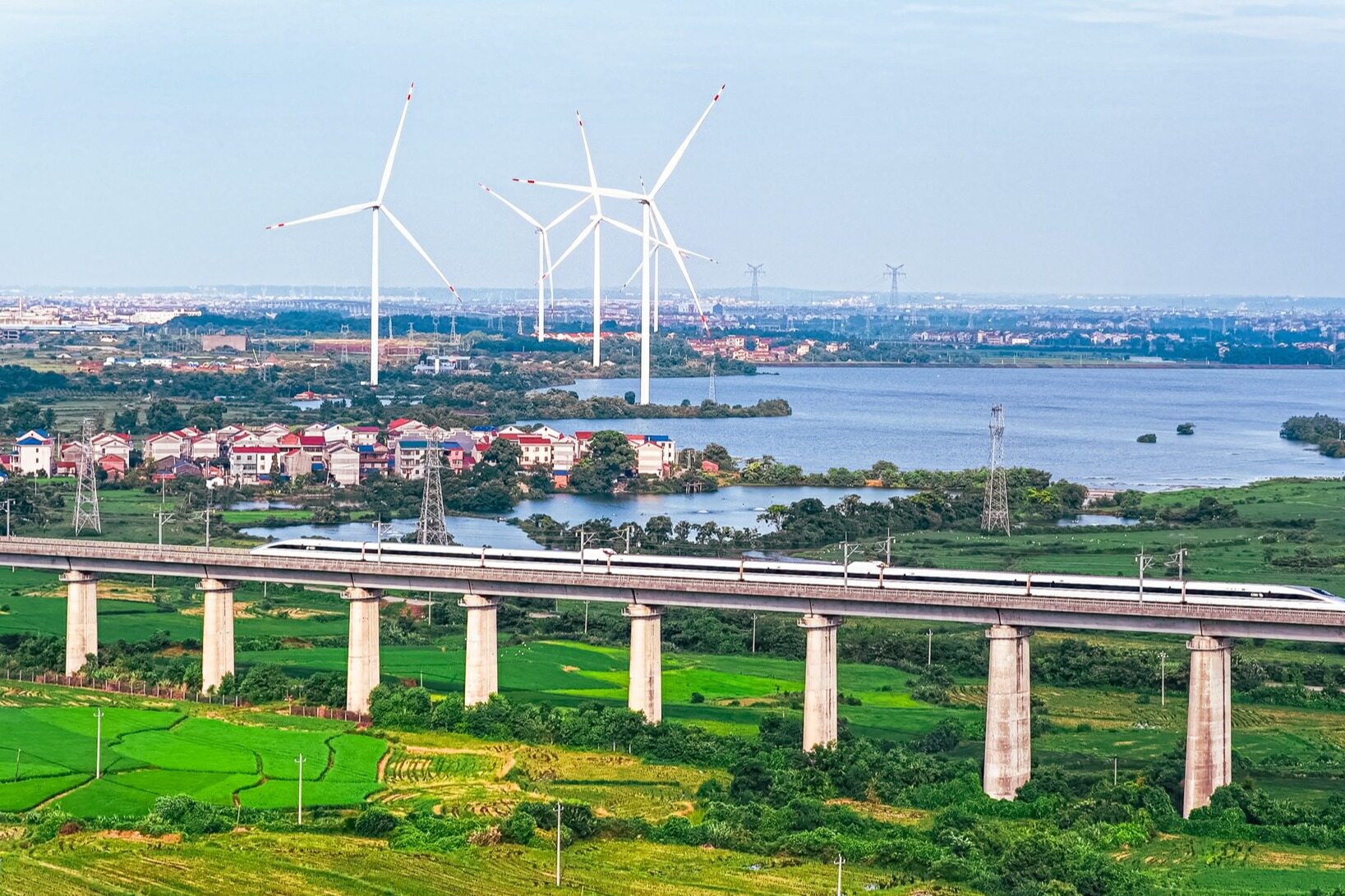
At the foot of Changbai Mountain, a train of Fuxing trains shuttles between the forests. This steel artery not only connects cities and villages, but also carries the livelihoods and dreams of countless people. From the faint morning light to the convergence of dusk, the trajectory of high-speed rail is quietly rewriting the chapter of revitalization in Northeast China.
Road network densification reshapes spatial and temporal patterns
For over a decade, the Northeast High Speed Railway has been a network of lines, with a total length of 3726 kilometers of high-speed railway under the jurisdiction of Shenyang Bureau. The main lines have opened up entry channels, and the branch lines have formed a circular road network between Liaoning and Jilin. The lines have incorporated Inner Mongolia into the national railway system. The opening of the Shenbai section of the Shenjia High speed Railway has made this 430 kilometer long and 350 kilometer per hour line another major transportation artery connecting Liaoning and Jilin provinces.
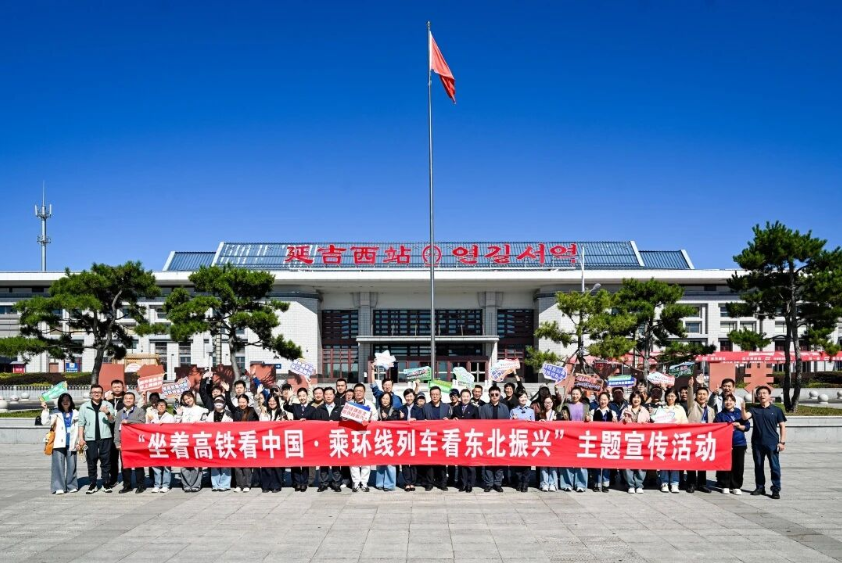
The expansion of the road network has compressed the distance of time and space, reshaped the layout of regional development, not only facilitating people's travel, but also injecting strong transportation momentum into the revitalization of Northeast China. When high-speed rail compresses commuting time between cities from hours to minutes, the frequency of exchange of people, logistics, and information flows is exponentially increasing, and the economic geography of Northeast China is being redefined.
Technology casting shield protects the journey of thousands of miles
The changes brought by high-speed rail go far beyond speed. At the Shenyang Railway Training Base, MR virtual drills and simulated carriages transform service standards into practical skills for employees; Sujiatun Vehicle Depot relies on digital twin technology to build an intelligent wheel inspection line and achieve automated maintenance; The railway department's independently developed systems for monitoring freight cars and conducting drone inspections have given the operation and maintenance of high-altitude high-speed railways technological confidence.
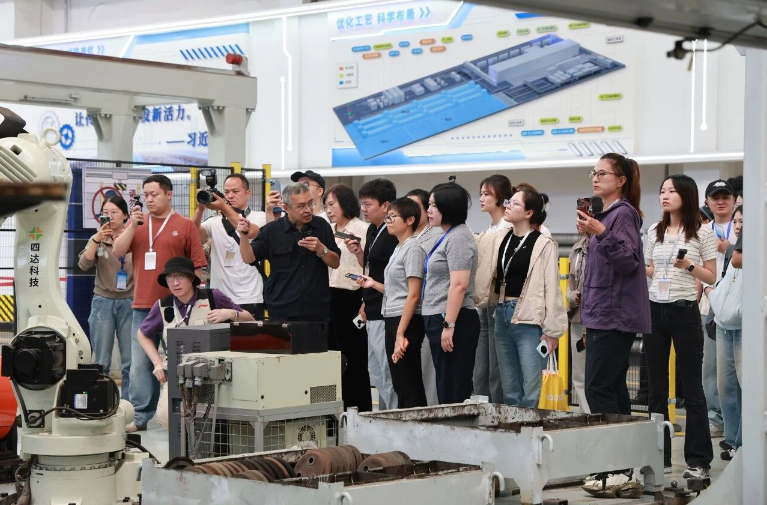
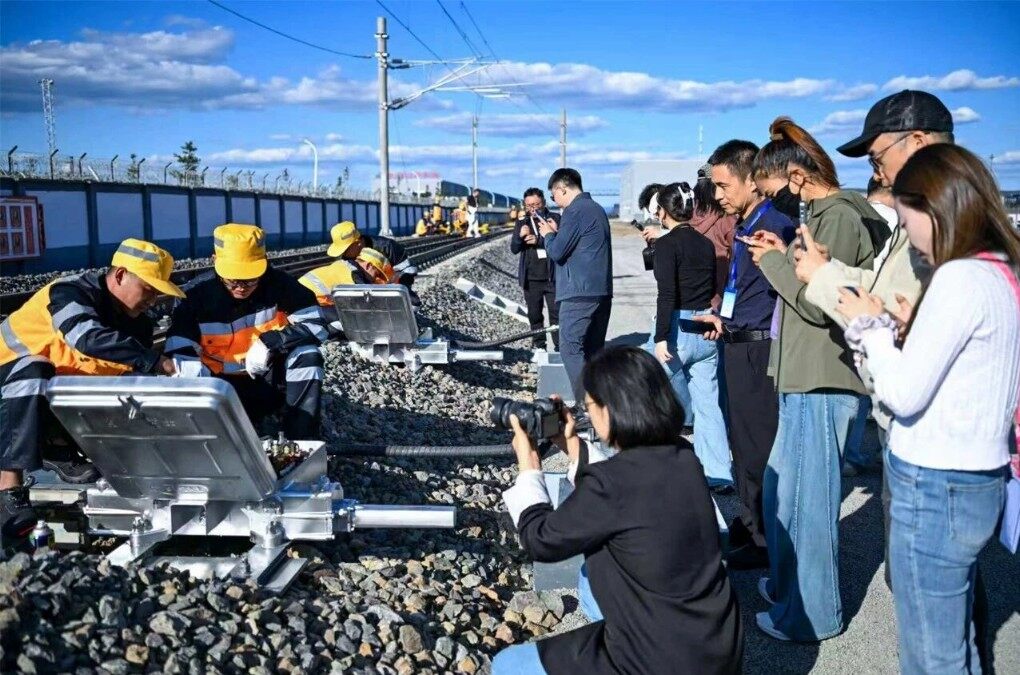
The continuous iteration of technology, combined with the dedication of railway personnel for ten years, has built a solid foundation for the safety of smart railways. This steel artery is a symphony of technology and humanities, and a vivid footnote to the revitalization of Northeast China in the new era. Under harsh conditions such as high cold, frozen soil, and complex geology, behind every technological breakthrough lies the persistent pursuit of "safety without fail" by Chinese railway personnel.
Industrial thoroughfare activates revitalization engine
High speed rail is also a revitalizing link for the coordinated development of industries. The Baihe Old Railway Station has been transformed into a train themed town, with retired green carriages transformed into a resort hotel; The Shenyang Railway holiday tourism brand created by Shenyang Bureau has launched tourist trains, driving the vigorous development of the cultural and tourism industry along the line. Relying on the advantages of railway logistics, characteristic trains have solved the problem of mineral water transportation; Northeast specialties such as ginseng and seafood are quickly sold to the national market through high-speed rail express delivery.
High speed rail not only attracts tourists, but also transports mountain goods, opening up the circulation channels of local industries and allowing high-quality resources hidden in the deep mountains that people have not yet recognized to take the express train of the times to a broader market. The development history of Northeast high-speed rail, from green trains to Fuxing trains, from dead end roads to circular networks, is a microcosm of the leapfrog progress of transportation infrastructure and a witness to regional economic and social changes. Keywords: high-speed rail, road network construction, railway
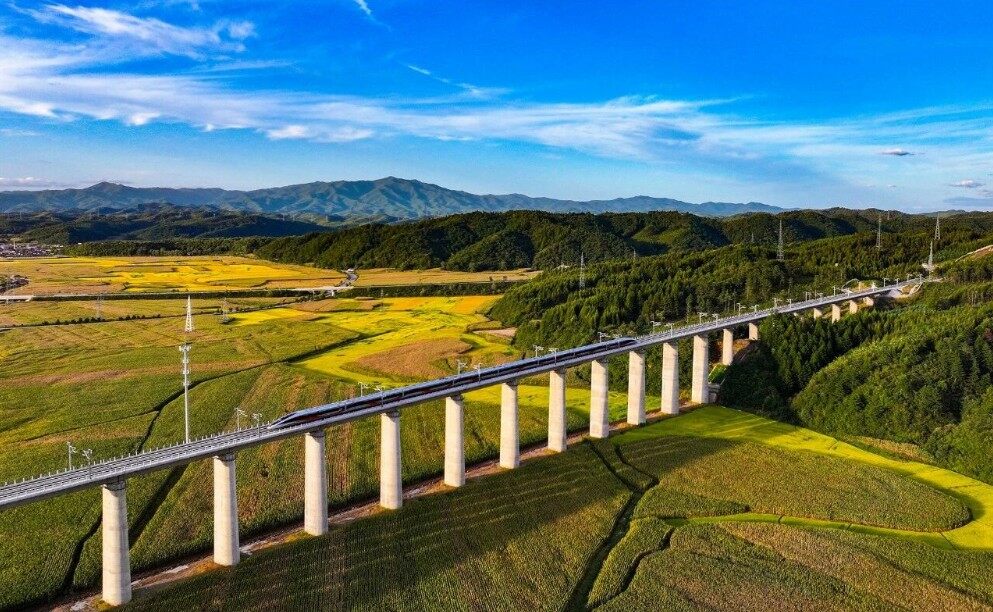
The high-speed rail brings efficient convergence of people, logistics, information flow, and capital flow, optimization and upgrading of industrial structure, and a renewed appearance of urban and rural areas. It turns the cold resources of Northeast China into a hot economy, and broadens the path of transformation for the old industrial base. Standing at a new historical starting point, the horn of comprehensive revitalization of Northeast China has been sounded. As the backbone of the modern infrastructure system, high-speed rail will undoubtedly play a greater role in this great process.Editor/Gong Ziwei
Comment



 Praise
 Collect
 Comment

 Share
Share


Write something~