 Search


- Zero tariff policy combined with national level platform, shifting China Ethiopia economic and trade cooperation towards two-way trade

On August 19, 2026, the atmosphere inside the venue in Addis Ababa, the capital of Ethiopia, was lively. Entrepreneurs from China and Ethiopia shook hands tightly time and time again, exchanged signing texts solemnly, and received applause one after another. On that day, with the signing of multiple trade agreements, the total contract amount was fixed at 330 million US dollars. The series of activities for exporting to China has set foot on the land of East Africa for the first time, opening a new page in China Ethiopia economic and trade cooperation. More than 10 Chinese enterprises, including COFCO Group, China National Machinery Industry Corporation, Nanguang Group, China Agricultural Development Corporation, and Xinxing Jihua Group, conducted in-depth exploration of new cooperation opportunities at the forefront of the Ethiopian industrial chain with clear procurement lists.
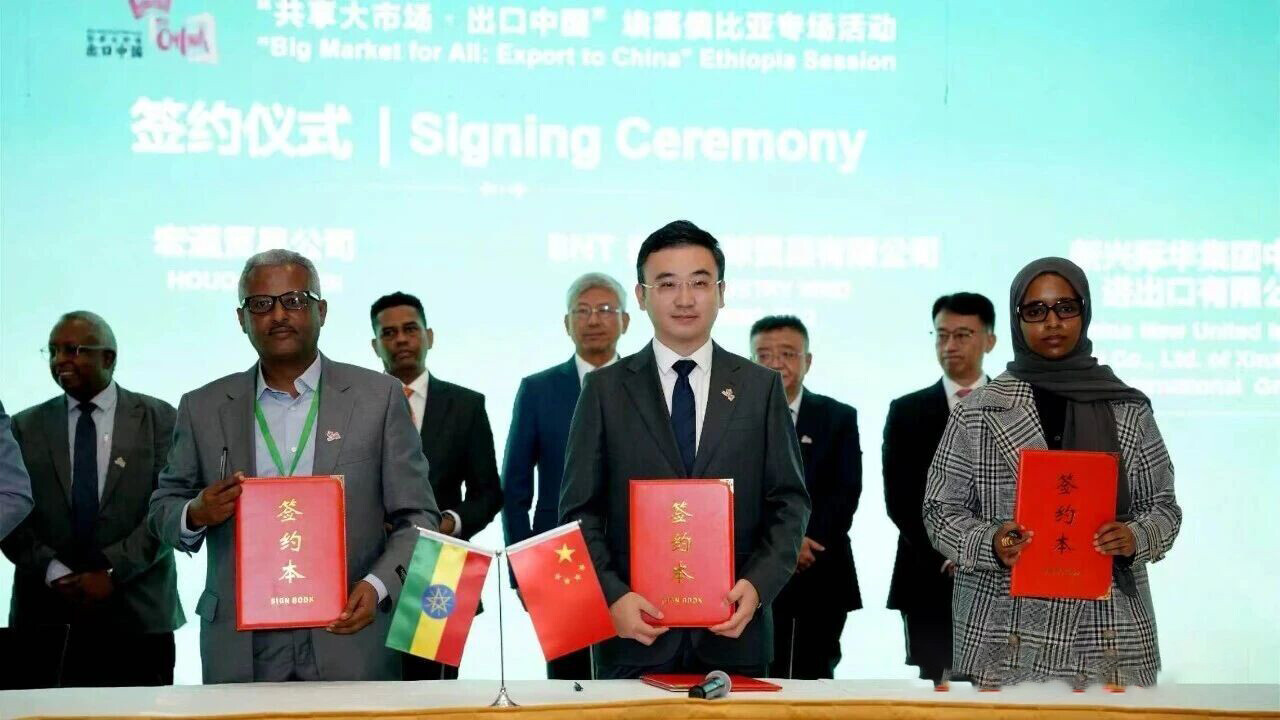
Zero tariff overlay platform advantage
Starting from May 1st this year, China has fully implemented zero tariffs on 53 African countries with diplomatic relations, including Ethiopia. This policy forms a dual benefit with the export of national level platforms, opening up new space for trade between China and Ethiopia. Chinese Ambassador to Ethiopia, Chen Hai, stated that China is continuously expanding its unilateral opening up to Ethiopia through the comprehensive implementation of zero tariffs and other policies, and has introduced a series of trade facilitation measures. This will not only help Ethiopia sell more high-quality products in the Chinese market, but also enhance its global market competitiveness. The Director of the Bilateral Department of the Ethiopian Ministry of Finance, Dreye, stated that the zero tariff policy has provided Ethiopian companies with tangible opportunities and hopes to establish a long-term stable export channel to China. The event attracted about 200 entrepreneurs to engage in intensive negotiations in fields such as agricultural products, textile raw materials, and non-ferrous metals.

Central enterprises deeply cultivate the front-end of the industrial chain
Xu Yuansheng, Deputy General Manager of Xinlian Import and Export Company of Xinxing Jihua Group, who has participated in three consecutive overseas exhibitions in Belarus, Egypt, and Ethiopia, said that this model is moving from breaking the ice and testing the waters to deep cultivation and meticulous work. Since arriving in Ethiopia, the team has been deeply involved in the fields and factory workshops, visiting multiple agricultural product processing enterprises and planting bases to gain on-site knowledge of production capacity, quality control, and logistics conditions. Pre selection of products and on-site factory inspections have become the foundation of central enterprise trade. The China Singapore Federation has five major business units, focusing on connecting with agricultural products such as Ethiopian oilseeds and coffee beans, as well as fiber raw materials such as cotton yarn. The group plans to use Ethiopia as a pivot to promote the upgrading of the African supply chain from point to surface layout, and build a long-term strategic procurement base in East Africa. Keywords: the Belt and Road news network, zero tariff, trade, international
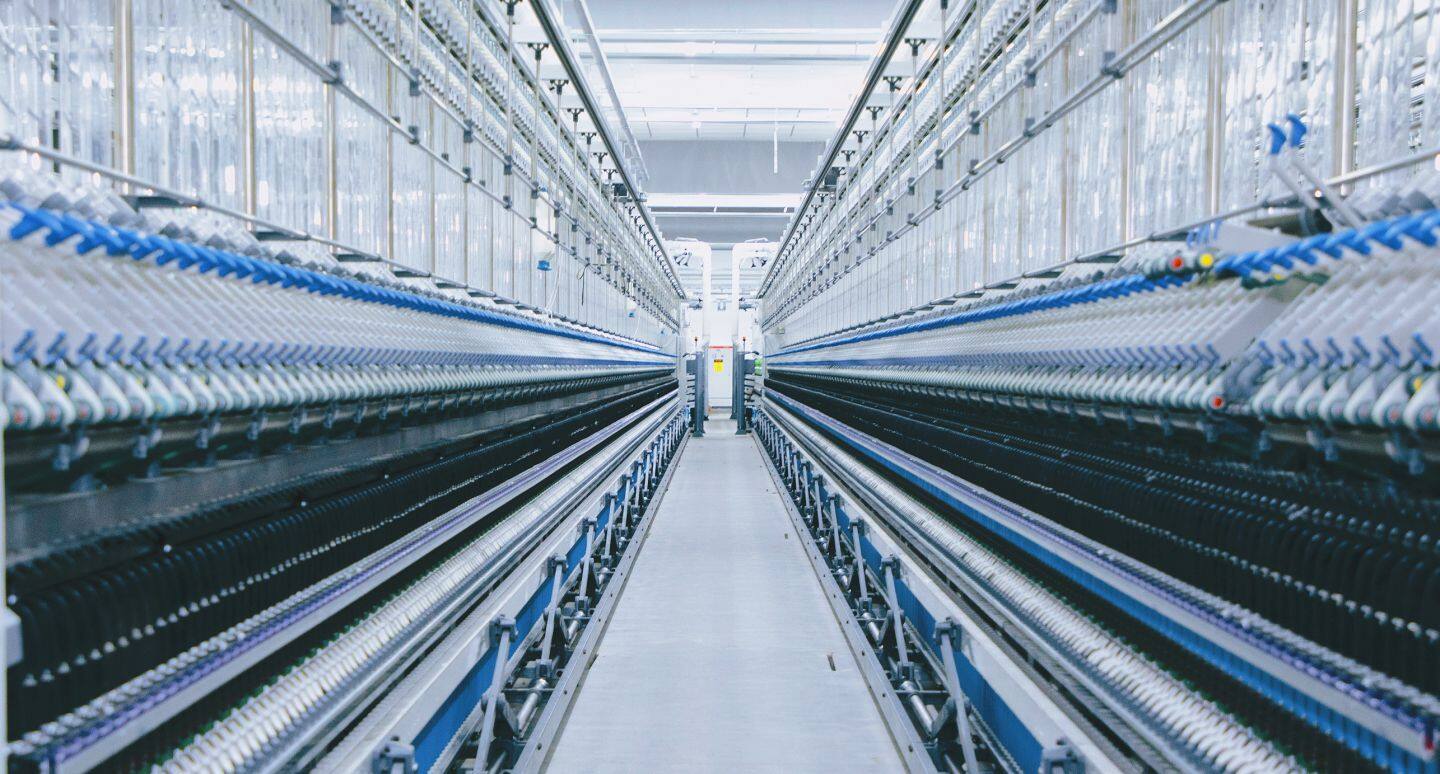
Textile two-way trade takes shape
Textile and clothing is a key pillar industry for Ethiopia's development and is becoming a new highlight of China Ethiopia economic and trade cooperation. Wang Honglong, General Manager of Business Department 6 of China Textile International Economic and Technological Cooperation Co., Ltd., pointed out that Ethiopia is not only a destination for Chinese enterprises to expand their production capacity, but also an important source for high-quality textile raw materials to enter. Ethiopian cotton has excellent quality, with rapidly expanding cotton yarn production capacity and high cost-effectiveness, which can perfectly match the deep processing needs of high-end fabrics and branded clothing in China. In response to pain points such as lack of standard integration and high logistics costs, China National Textile Corporation will play a role as a trade bridge to help Ethiopian products adapt to the Chinese market. China Africa textile cooperation is shifting from one-way investment and factory construction in the past to a new pattern of parallel production capacity cooperation and two-way trade, building a complementary and win-win new model of Chinese research and development design and Ethiopian raw material processing.Editor/Gao Xue
Comment




 Praise
 Collect
 Comment

 Share
Share


Write something~