 Search


- Channel level drives industrial agglomeration and promotes iterative upgrading of regional industrial chain division of labor
- Infrastructure is not just about hardware connectivity, institutional embedding reshapes the logic of regional economic and trade operations
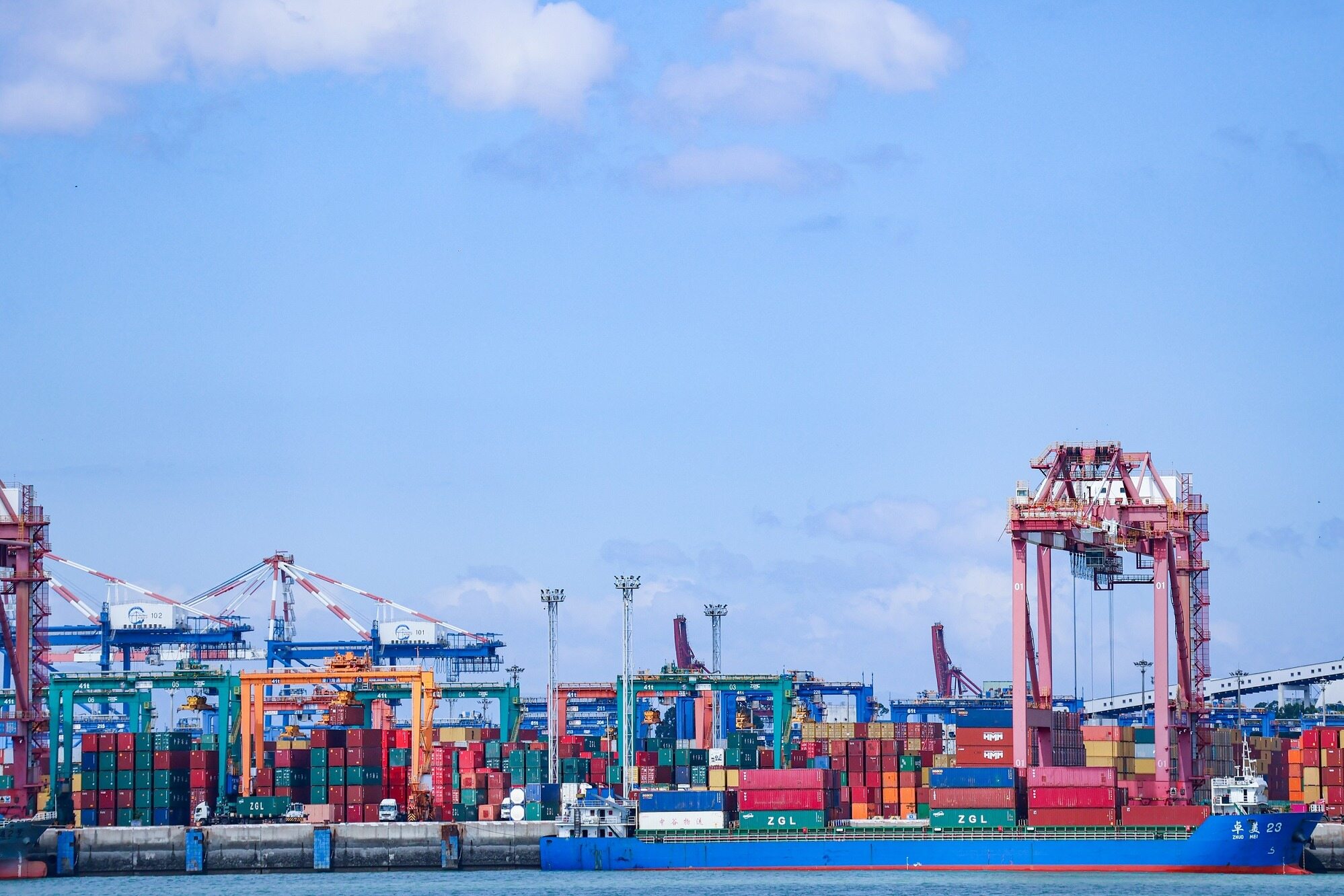
A series of trains sailed out of the inland hinterland, passing through customs and crossing national borders, connecting factories along the line with distant ports into a network. After more than a decade of laying tracks and bridges, rules, customs clearance, and standards have quietly aligned, and the growth of trade numbers is nothing but the fruit of interconnectivity.
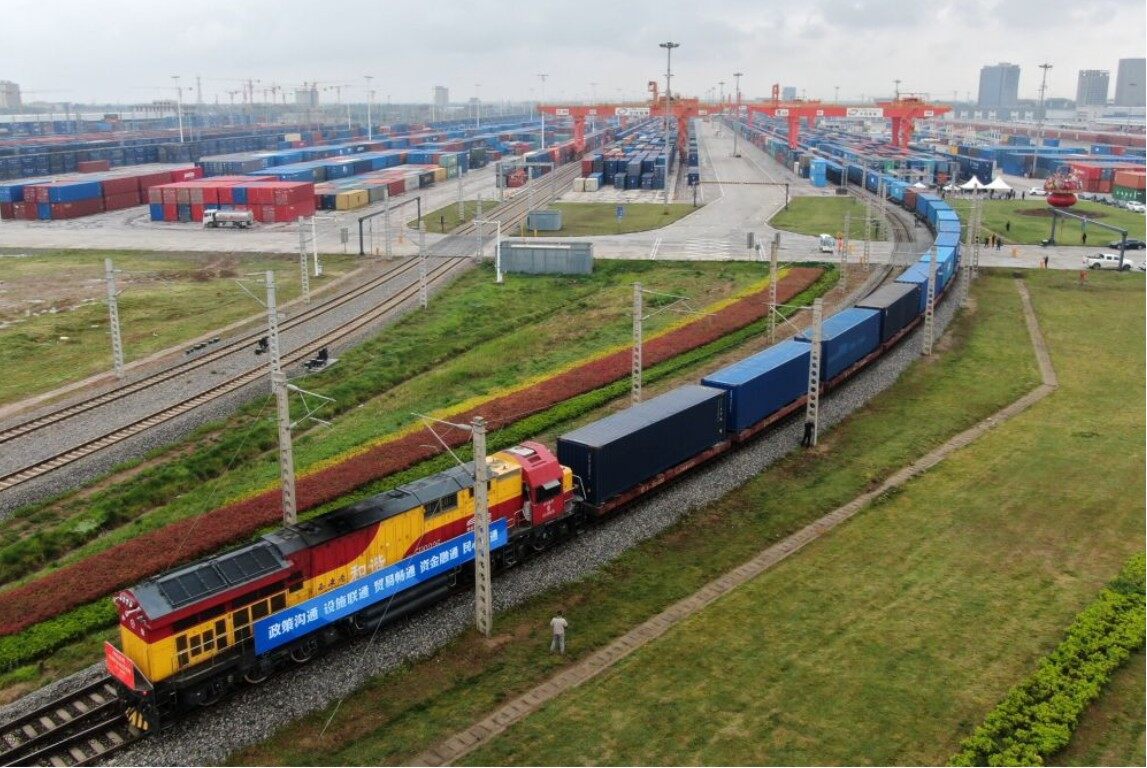
In 2025, the volume of goods trade between China and the countries jointly building the the Belt and Road will reach 23.6 trillion yuan, accounting for 51.9% of foreign trade, and the growth rate will be higher than the overall level. The accumulation of more than ten years of infrastructure interconnection is upgrading from an engineering carrier to an institutional force that affects the regional industrial chain.
Implement institutional embedding
Interconnection has moved from physical hardware connectivity to deep integration at the institutional level. Early cooperation focused on hardware construction such as highways, ports, and bridges, with a focus on reducing logistics costs. Nowadays, institutional arrangements such as unified railway standards, mutual recognition of customs clearance, and digital protocol docking have included countries in a unified cross-border collaborative system. Hardware reduces explicit costs, while institutions reshape transaction rules, with unified timetables, digital customs clearance, and coordinated multi country freight rates, jointly constraining industrial decision-making.
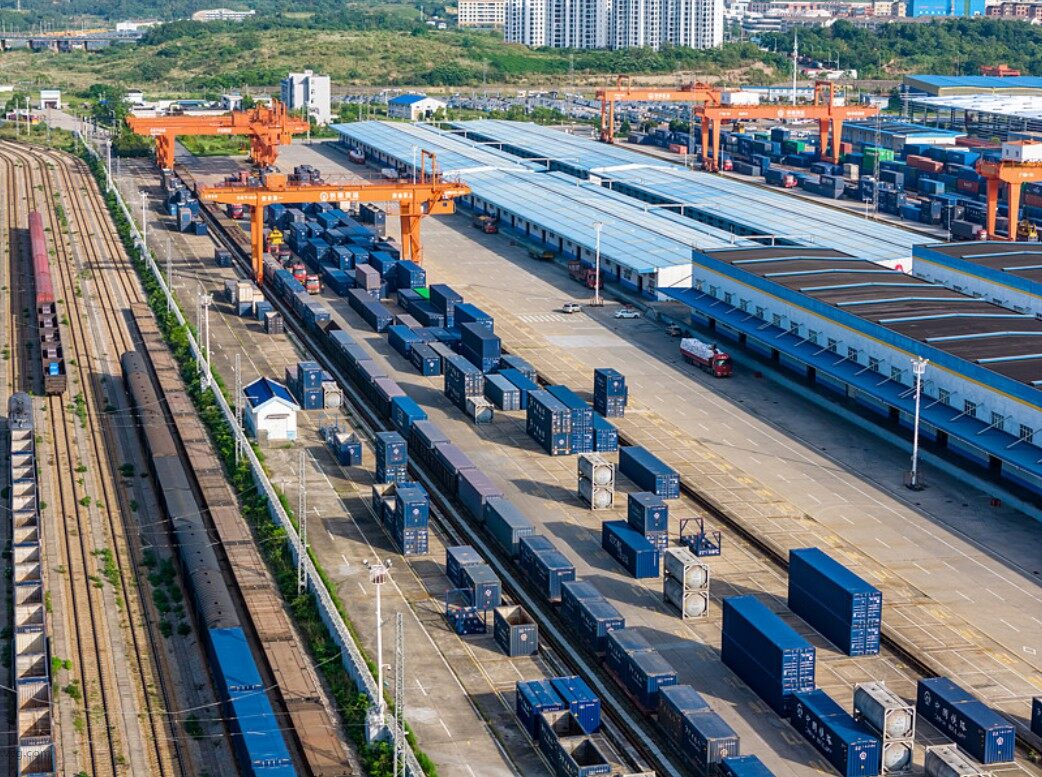
The China Europe freight train is a typical example. As of October 2025, a total of 118600 trains have been operated, with a cargo value exceeding 426.4 billion US dollars, connecting multiple countries and cities in Asia and Europe. At the institutional level, the efficiency of train services has increased by 30%, freight rates have decreased by over 40%, and the proportion of high value-added goods has exceeded 60%. It has developed into a cross-border logistics system that integrates railway standards, customs cooperation, and freight rate coordination, helping to jointly build a country and optimize industrial allocation.
China Laos railway also confirms this trend. As of December 2025, the cumulative freight volume has exceeded 72.5 million tons, with over 3800 types of goods shipped, radiating to multiple countries. In 2025, the freight volume will be 24.48 million tons, a year-on-year increase of 24.6%, and the cost of cross-border transportation will significantly decrease. The Central South Peninsula corridor has been opened up, and production capacity cooperation has shifted from single point projects to a gradient layout along the corridor.
Shaping the industrial landscape
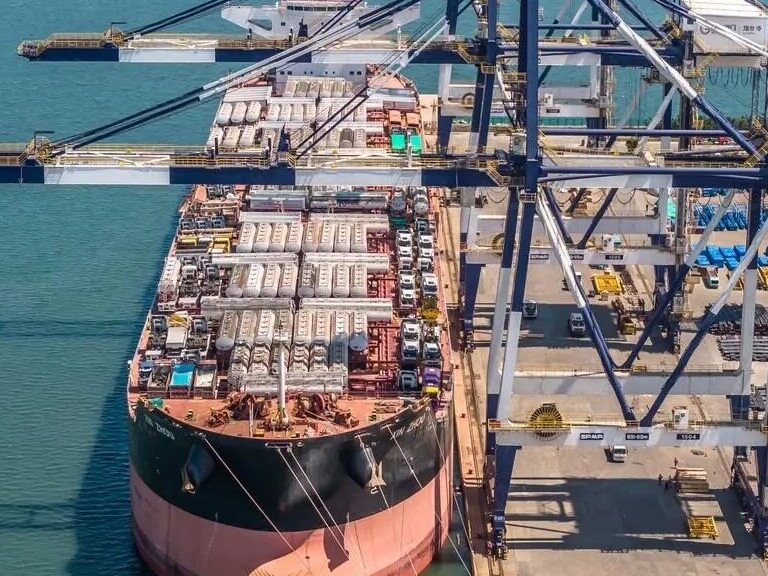
Traditional industrial chain transfer focuses on labor and resource endowments, while under the joint construction of the the Belt and Road, infrastructure channel coverage and institutional convenience become important variables of industrial layout. By accessing the interconnected network, economies can participate in regional division of labor, and network expansion continues to expand the number of participants in division of labor. The transformation of Piraeus Port is highly representative. After ten years of operation, the port throughput has significantly increased, becoming the fourth largest container port in Europe, driving the agglomeration of regional logistics and warehousing industries, and forming a virtuous cycle of infrastructure upgrading, cargo flow agglomeration, industrial landing, and consolidation of hubs.
The Southeast Asian industrial chain also exhibits channel driven characteristics. In 2025, China will sign memorandums of understanding on industrial chain cooperation with multiple countries, relying on cooperation zones, railways, and port networks to promote the overall migration and layout of the industrial chain along the channel. By combining the benefits of the RCEP system, tariff reductions and infrastructure cost reductions will be implemented in both directions, reshaping the regional industrial spatial pattern.

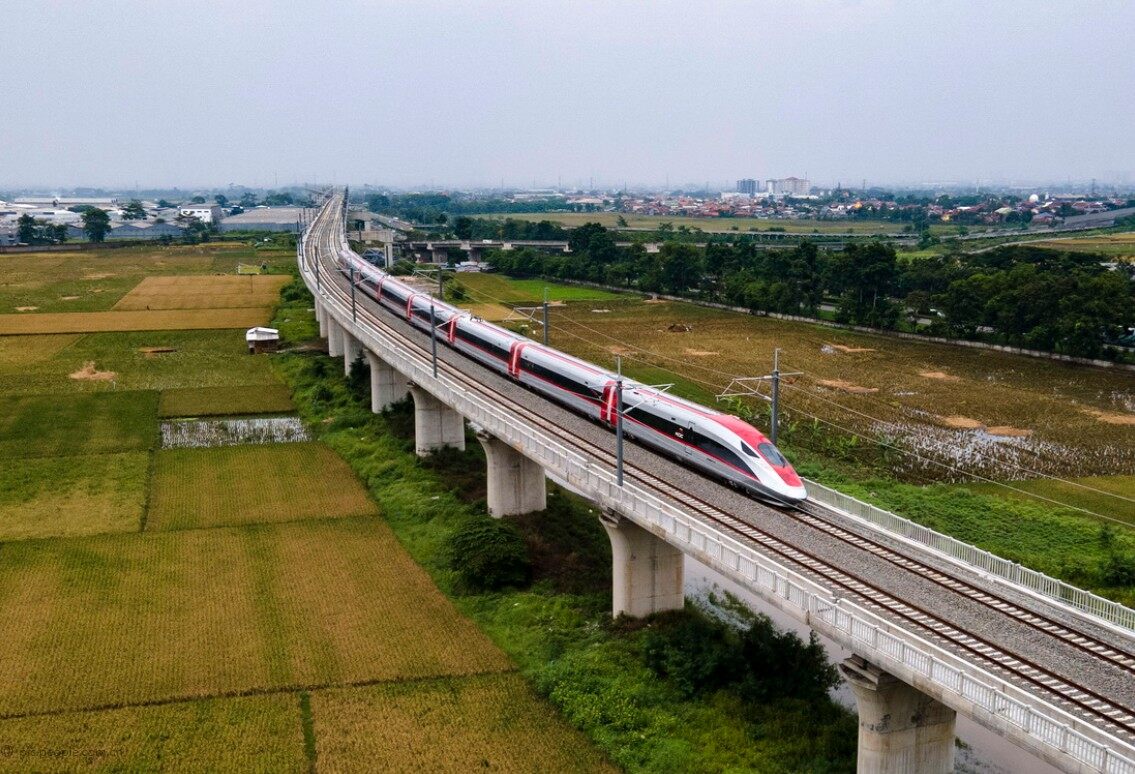
With the advancement of interconnectivity, China is shifting from a participant in the industrial chain to a regional organizer of the industrial chain. By 2025, non-financial direct investment in jointly building countries will increase by 18%, with investment directions highly aligned with infrastructure channels. The Digital Silk Road continues to expand, and digital platforms take on the coordination functions of payment, data, and trade rules beyond trade. Projects such as the Jakarta Bandung high-speed railway, the Hungary Serbia railway, and the China Kyrgyzstan Uzbekistan railway are promoting the implementation of Chinese technical standards to the outside world, extending infrastructure cooperation from engineering construction to the output of standards and operating rules. Key words: the Belt and Road, connectivity, China Europe Express
This industrial chain restructuring belongs to incremental creation, rather than redistribution of existing benefits. The World Bank's calculations show that jointly building corridors can drive varying degrees of growth in trade, global income, and foreign investment inflows along the route. The institutional influence of China is based on the actual benefits of multi-party win-win, and has become an important driving force for regional economic evolution.Editor/Gong Ziwei
Comment





 Praise
 Collect
 Comment

 Share
Share


Write something~