 Search


- The export data of low altitude economy in 2026 is impressive, and the consumer level track leads the world

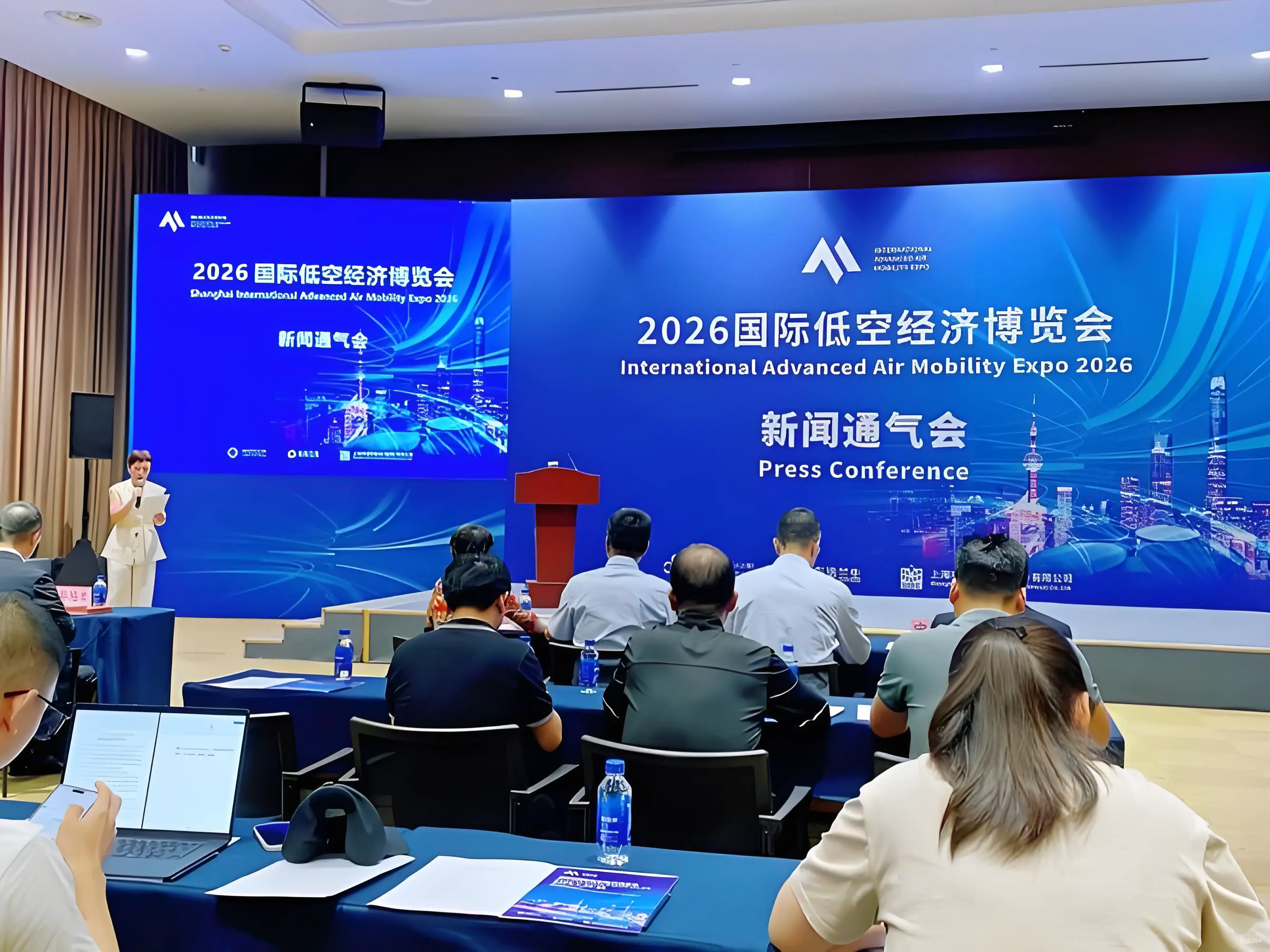
At the International Low altitude Economy Expo in the summer of 2026, more than 400 exhibiting companies crowded the Shanghai exhibition hall. Consumer grade drones have captured 75% of the global market share, with exports skyrocketing by 156% year-on-year in the first half of the year. eVTOL companies are lining up to obtain test flight certificates, and the enthusiasm of capital and local governments has pushed the valuation of the track to new heights.
But an undisclosed industry evaluation matrix has torn open the real picture behind the trend: under the frenzy of the whole machine end, the shortcomings of the basic supply chain are quietly locking in this low-level feast.
The global dominance of the consumer level track
In the fields of consumer grade unmanned aerial vehicles, lithium battery cells, Beidou positioning, and ground communication, Chinese companies have built a moat that is difficult for outsiders to shake. Relying on the cluster effect of the domestic new energy industry, the battery cost of small drones has decreased by 62% in the past five years, and the single operation efficiency of crop protection drones has increased threefold.
By 2025, domestic agricultural and forestry crop protection aerial defense will account for 82% of the total number of operations, and 20 low altitude economic demonstration zones will be established nationwide. In the first half of the year, the number of low altitude logistics distribution orders exceeded 120 million, ranging from express delivery in mountainous areas to offshore wind power inspection. The richness of local low altitude application scenarios has surpassed other global markets.
The hidden cost of the engineering divide
Most domestic manufacturers can produce qualified samples in the laboratory for intermediate links such as avionics host, composite material prepreg, inertial navigation, and industrial software, but they cannot overcome the gap of aviation grade mass production. The 18 companies that have obtained eVTOL test flight certificates have accumulated over 270000 hours of test flight time, but none of them have been able to provide a complete million hour level safety operation database.
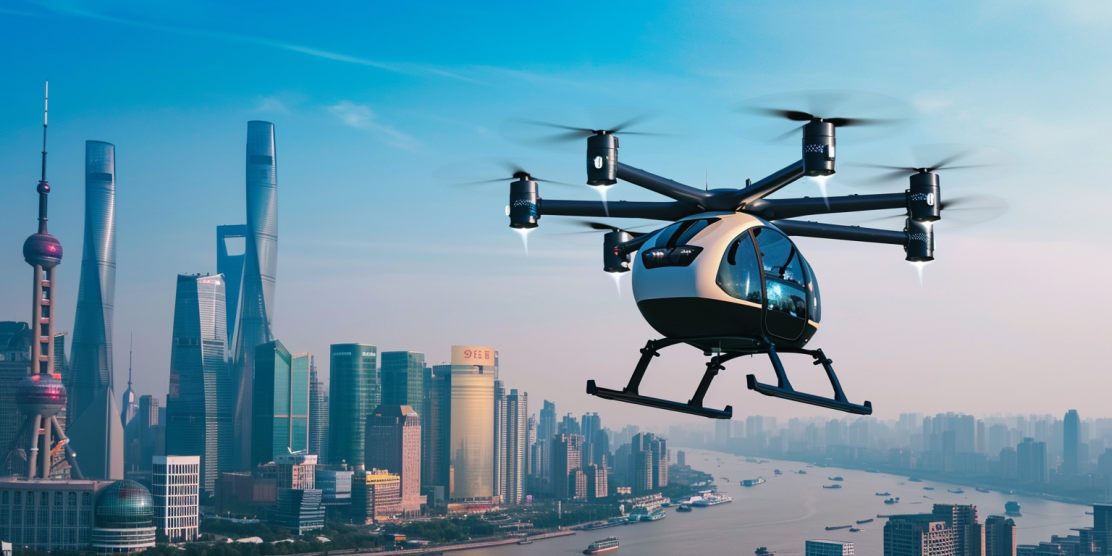
The attempt to directly load automotive power batteries onto aircraft has resulted in three safety accidents, and the industry has finally realized that the rapid iteration logic of consumer electronics is completely ineffective in the face of aviation safety standards. From 'prototype production' to 'stable mass production', there is a minimum airworthiness verification cycle of 3 to 5 years in between, which is a time cost that many capital seeking short-term returns are unwilling to face.
The resilience proposition of basic links
Real time operating systems, high-performance FPGAs, aviation grade bearings, and airworthiness verification equipment are the lowest links in the industry chain, with less than 5% of domestic enterprises in the industry. These products are not impossible to produce, but rather the verification data, certification system, and engineering ecosystem accumulated by the global aviation industry over the past few decades, almost all of which are in the hands of overseas giants.
The new version of the Civil Aviation Law will be implemented in July 2026, and the policy direction has shifted from simple localization substitution to supply chain resilience construction, no longer using static localization rate as an assessment indicator, but requiring core links to have dual source backup capabilities. This means that the story of domestic substitution that was built on subsidies in the past no longer makes sense.
Above the wind, everyone is talking about the 5 trillion yuan market size of the low altitude economy. China's low altitude economy has completed the race of consumer grade aircraft in less than ten years, and now it finally has to face the toughest basic competition. When the heat of capital recedes, those enterprises that focus on polishing material databases, industrial software toolchains, and airworthiness verification systems will ultimately gain entry into the global low altitude industry.Editor/Cheng Liting
Comment





 Praise
 Collect
 Comment

 Share
Share


Write something~