 Search


- The country is promoting the industrialization of smart transportation, balancing technological innovation and stable employment
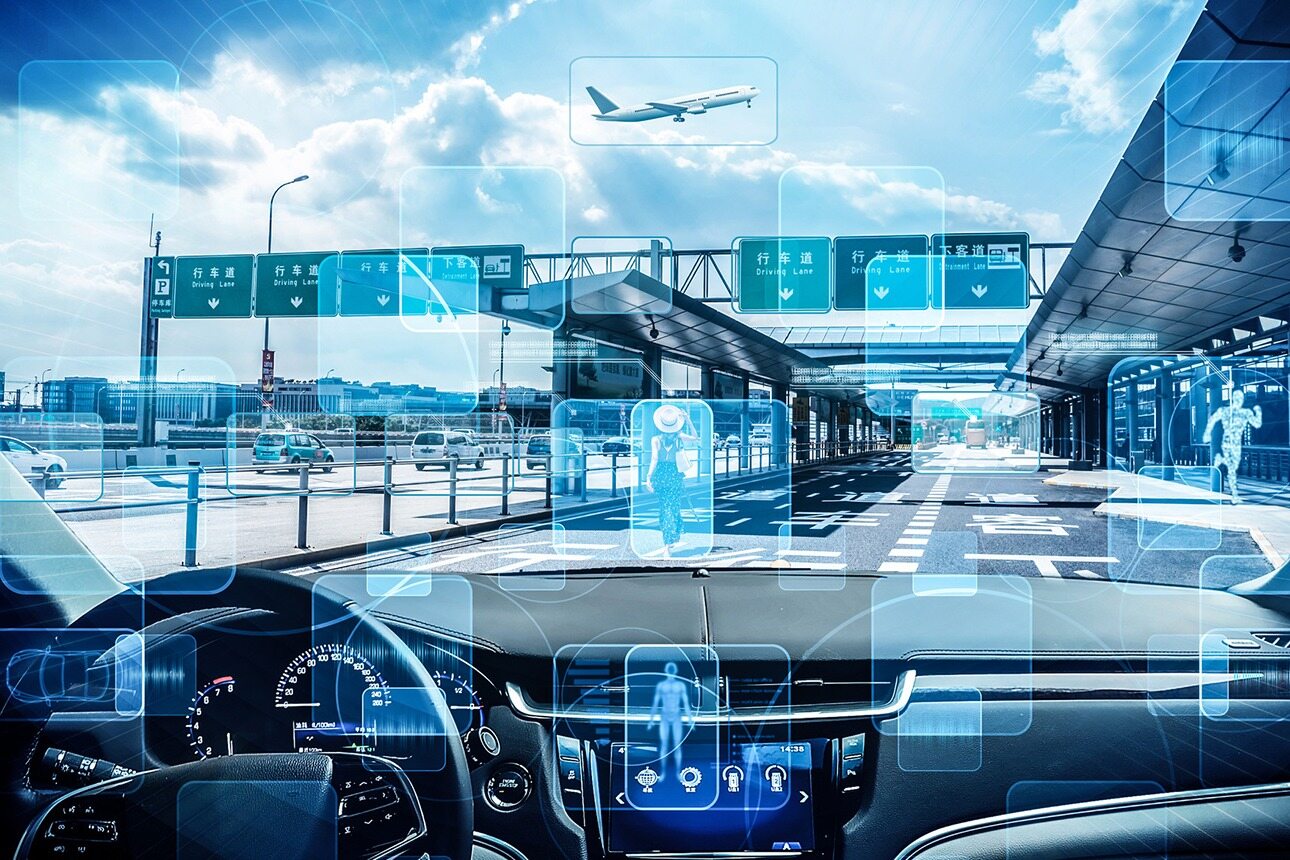
On August 20, 2026, the Ministry of Transport held a special press conference to officially release the first batch of 41 guidelines for the construction of key typical scenarios of artificial intelligence and transportation, and launched the creation of typical application scenario projects. This innovation initiative focuses on promoting the implementation of artificial intelligence applications in ten major directions, including intelligent driving, intelligent highways, intelligent railways, intelligent civil aviation, intelligent postal services, and intelligent multimodal transportation. From laboratories to real-world scenarios, from single point testing to large-scale applications, China's smart transportation is entering a new stage of industrialization and implementation that is standardized, scenario based, and controllable.
Ten Major Direction Scenarios Released
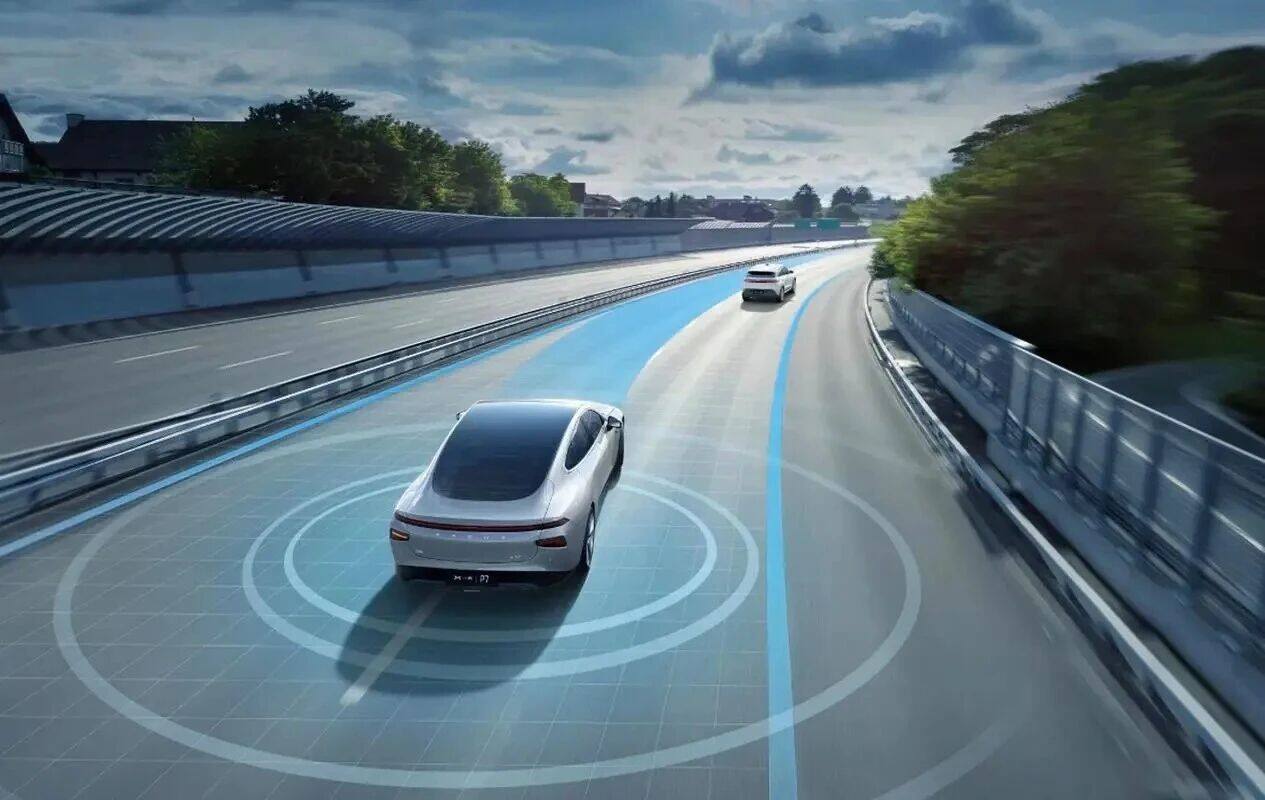
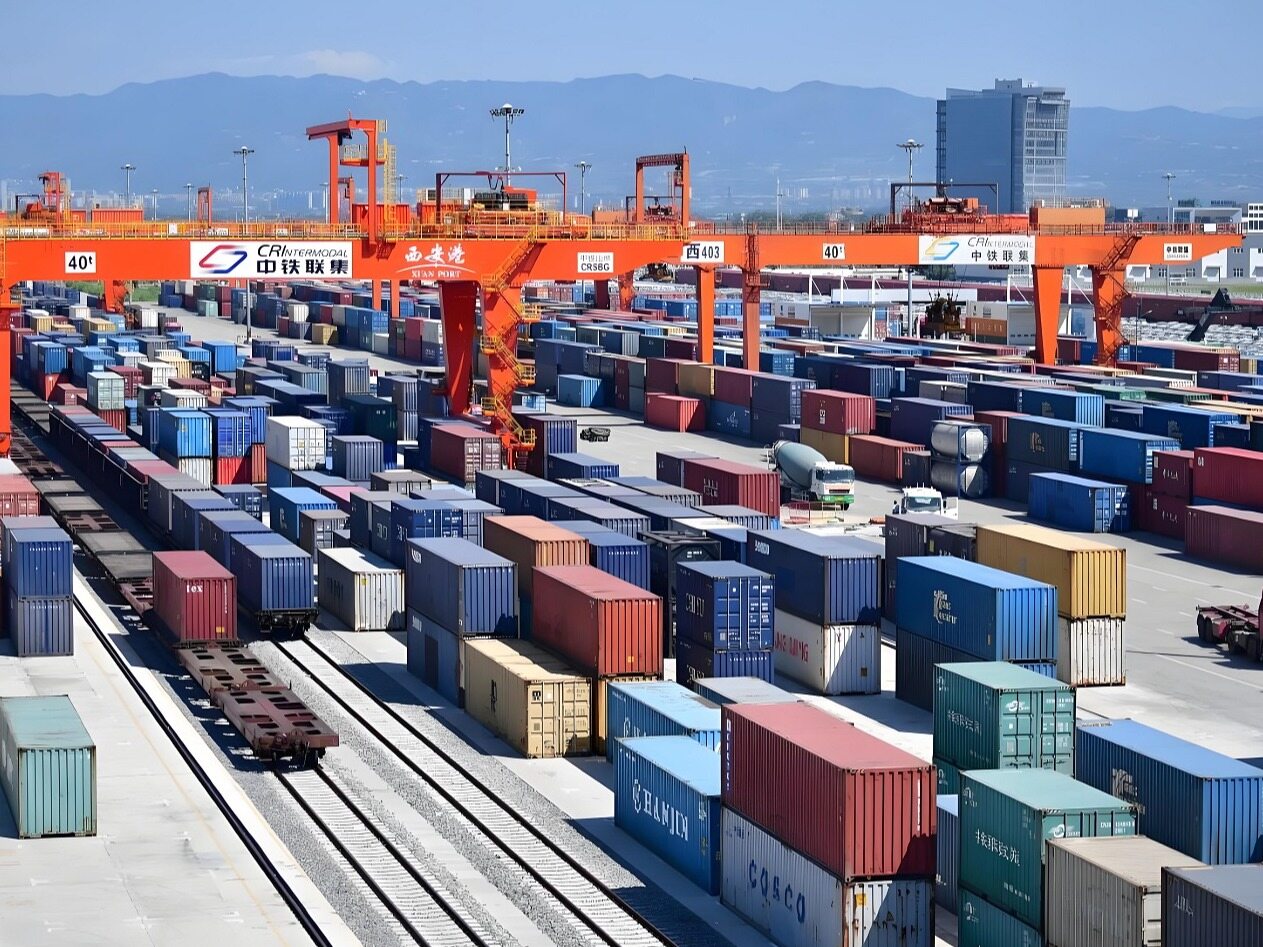
In June 2026, the Ministry of Transport, together with the National Railway Administration, the Civil Aviation Administration of China, the State Post Administration, and the National Railway Group, jointly issued the "Action Plan for Innovation of Typical Application Scenarios of Artificial Intelligence and Transportation", fully launching the innovation action of typical application scenarios. At present, we have focused on four major directions: infrastructure, transportation vehicles and equipment, transportation services, and industry governance, and have identified 860 breakthrough scenarios covering the entire field of railway, public transportation, water, air, and postal services. The first batch of 41 typical scenarios cover livelihood concerns such as the one ticket system for comprehensive passenger transportation services, intelligent scheduling of urban public transportation passenger flow, high-speed fog warning, intelligent security checks, and intelligent monitoring of cold chain transportation, as well as industrial driving scenarios such as intelligent driving of heavy-duty trucks, intelligent scheduling of ports, and autonomous health management of railway equipment.
Three types of scenarios and two leading modes
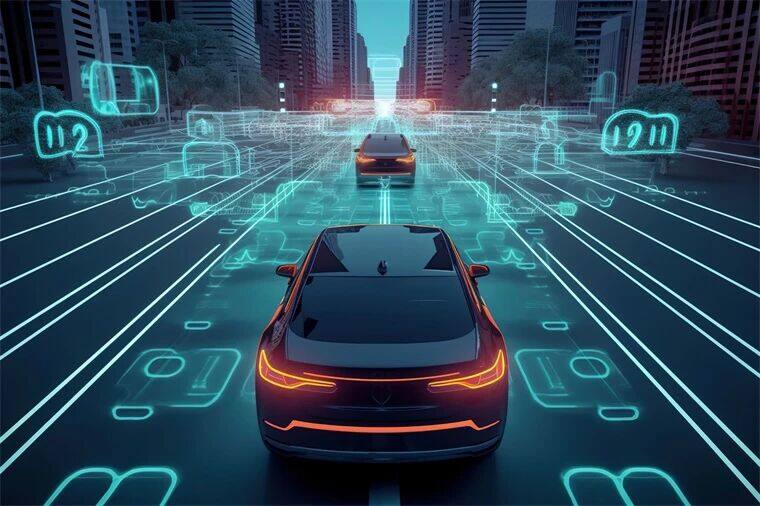
Innovation action is set up in three scenarios: application promotion, innovation demonstration, and breakthrough, using two leading models. Application promotion mainly targets scenarios with mature technology and clear business models, and is led by scenario owners to promote large-scale implementation; Innovation demonstration focuses on promoting mature technology system integration and cross domain fusion, jointly promoted by scenario owners and artificial intelligence enterprises; Targeting the core technological shortcomings in industries such as specialized vertical models for transportation and autonomous decision-making algorithms for complex scenarios, the breakthrough project will be led by artificial intelligence technology enterprises. The three types of scenarios correspond to different stages of technology implementation, allowing all parties involved in the scenario, technology companies, and research institutes to showcase their strengths and avoid being governed by a single set of standards. Strategic news and information AI、 Traffic
Dual wheel drive in policy scenarios
Previously, in September 2025, the Ministry of Transport, together with six departments, issued implementation opinions to draw artificial intelligence and transportation direction signs and route maps; In June 2026, an action plan will be issued to launch a special action plan for scenario innovation, bridging the last mile of policy implementation. The Ministry of Transport has proposed the emergence of a number of new infrastructure, technological equipment, service models, and industrial forms of artificial intelligence and transportation by 2030. At present, the Beibu Gulf Port in Guangxi relies on an AI intelligent scheduling system to achieve a reduction of over 20% in transit time for container intermodal transportation; More than 16000 unmanned express delivery vehicles and over 400 drones have been deployed nationwide for terminal delivery. The Ministry of Transport will strive to establish a high-quality industry data resource system within 3 to 5 years, providing sufficient data support for scenario innovation.Editor/Gao Xue
Comment



 Praise
 Collect
 Comment

 Share
Share


Write something~