 Search


- Electric equipment localization shifts from complete-unit manufacturing to upstream supply chains like radiators and cores
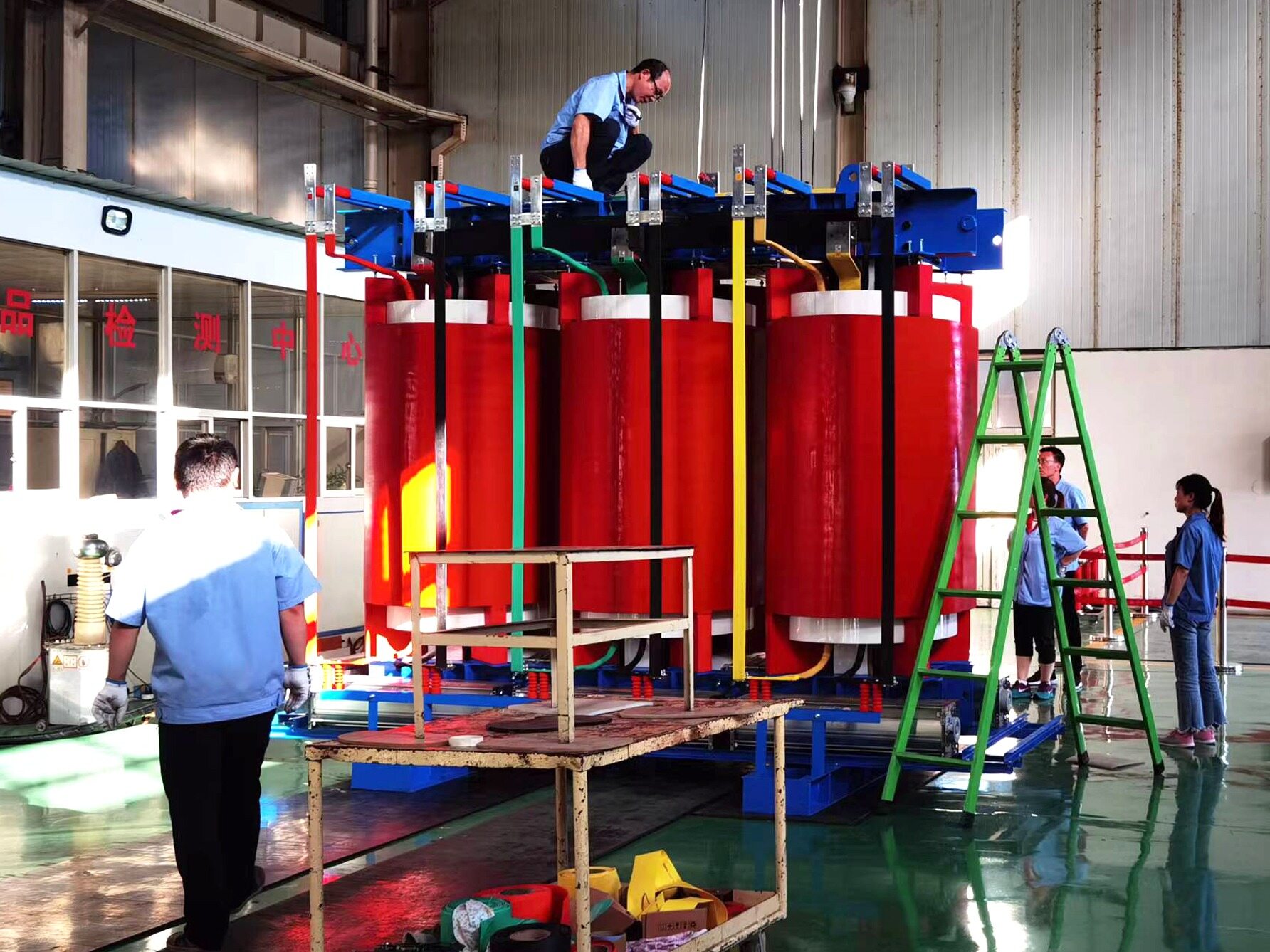
In the desert of Oman, substations are rising from the ground. But this time, Omani people are not focusing on the power station itself, but on the inconspicuous but crucial components on the transformer.
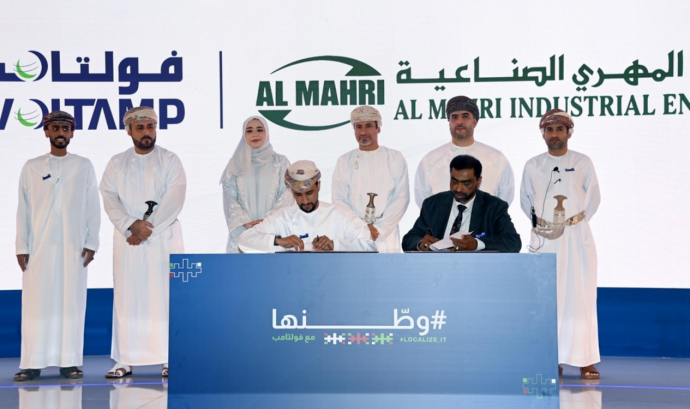
Recently, the Oman Public Service Regulatory Authority and local power equipment manufacturer Voltamp Energy jointly signed 10 agreements to plan the local production of key transformer components. The project is expected to invest approximately 15 million Omani riyals, build 7 new component factories, and add production lines to 2 existing factories. The planned land area is about 34000 square meters, and it is expected to be put into operation gradually from 2027 to 2028.
Looking at the amount alone, 39 million US dollars is not impressive in the face of multi billion dollar energy orders in the Middle East. But from the perspective of the industrial chain, the signal is very clear: Oman's localization of power equipment is stepping from complete machine manufacturing to the upstream professional supporting links of transformers.
Shortcomings upstream
Oman has actually had the ability to produce complete machines for a long time. Founded in 1987, Voltamp is a major local manufacturer of power transmission and distribution equipment, with bases in Sohar and Rusayl. The group's overall annual transformer production capacity is approximately 10000MVA, with products covering up to 500MVA and 400kV levels. About half of the products are exported to the Middle East and North Africa markets.
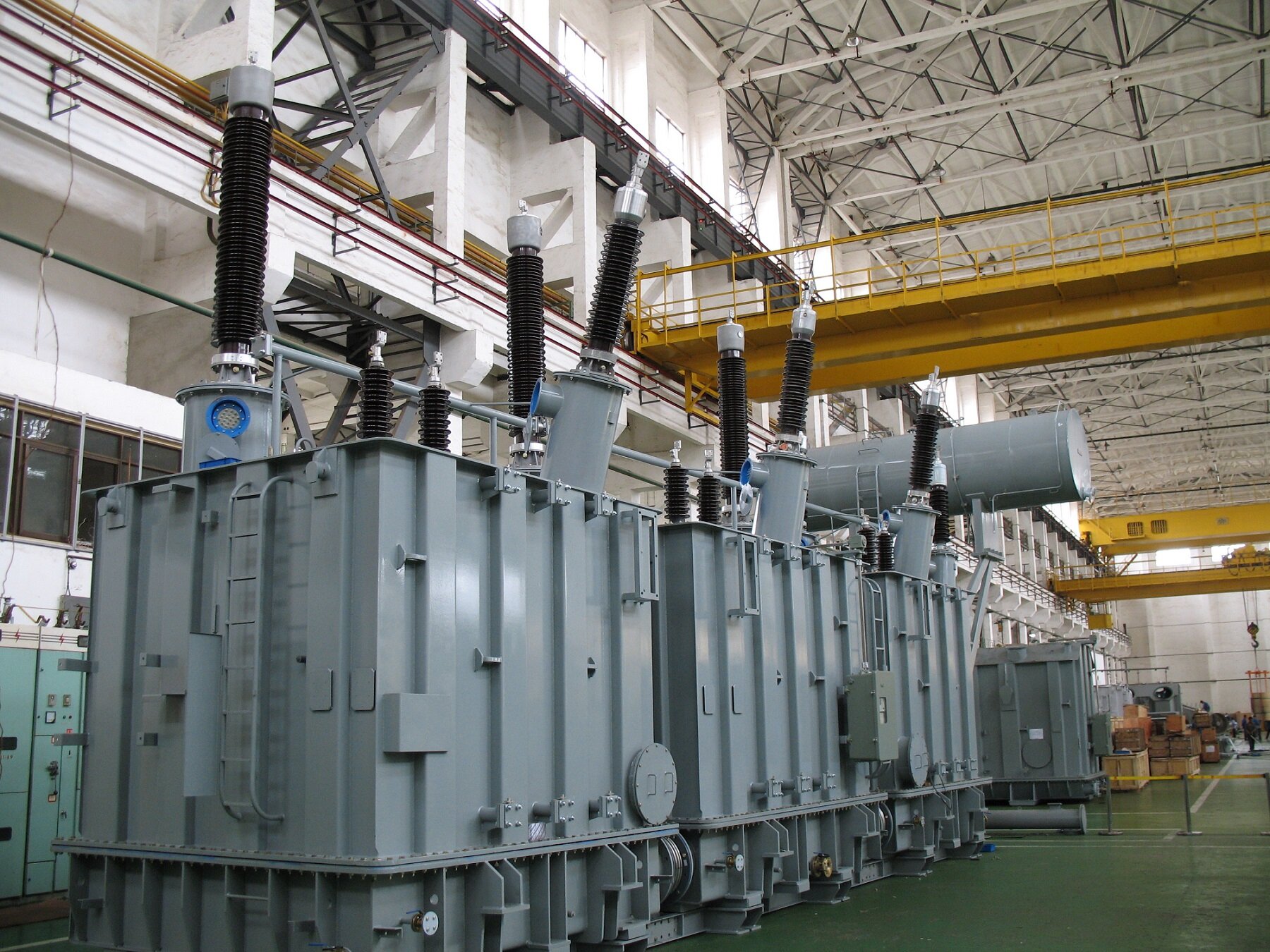
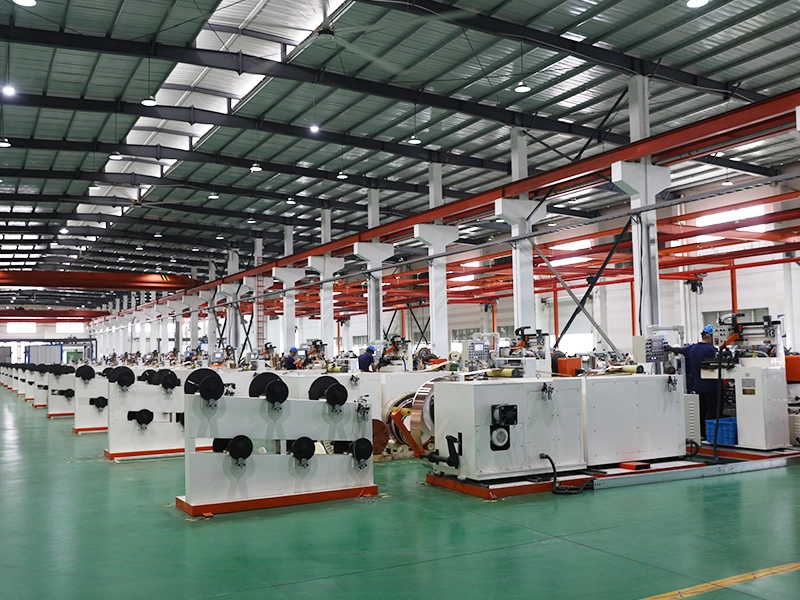
The real weakness lies upstream. The products planned for localization in this round include transformer radiators, low and medium voltage bushings, iron core cutting and assembly, paper wrapped copper conductors (PICC), specialized control cabinets, valves, oil tanks, corrugated oil tanks, and insulation processing parts - all of which are currently highly dependent on imports. PICC accounts for about 30% of the value of transformer raw materials, and all demand relies on imports; The iron core, low and medium voltage casing, and valves are all 100% imported; The proportion of imported oil tanks for power transformers is about 95%.
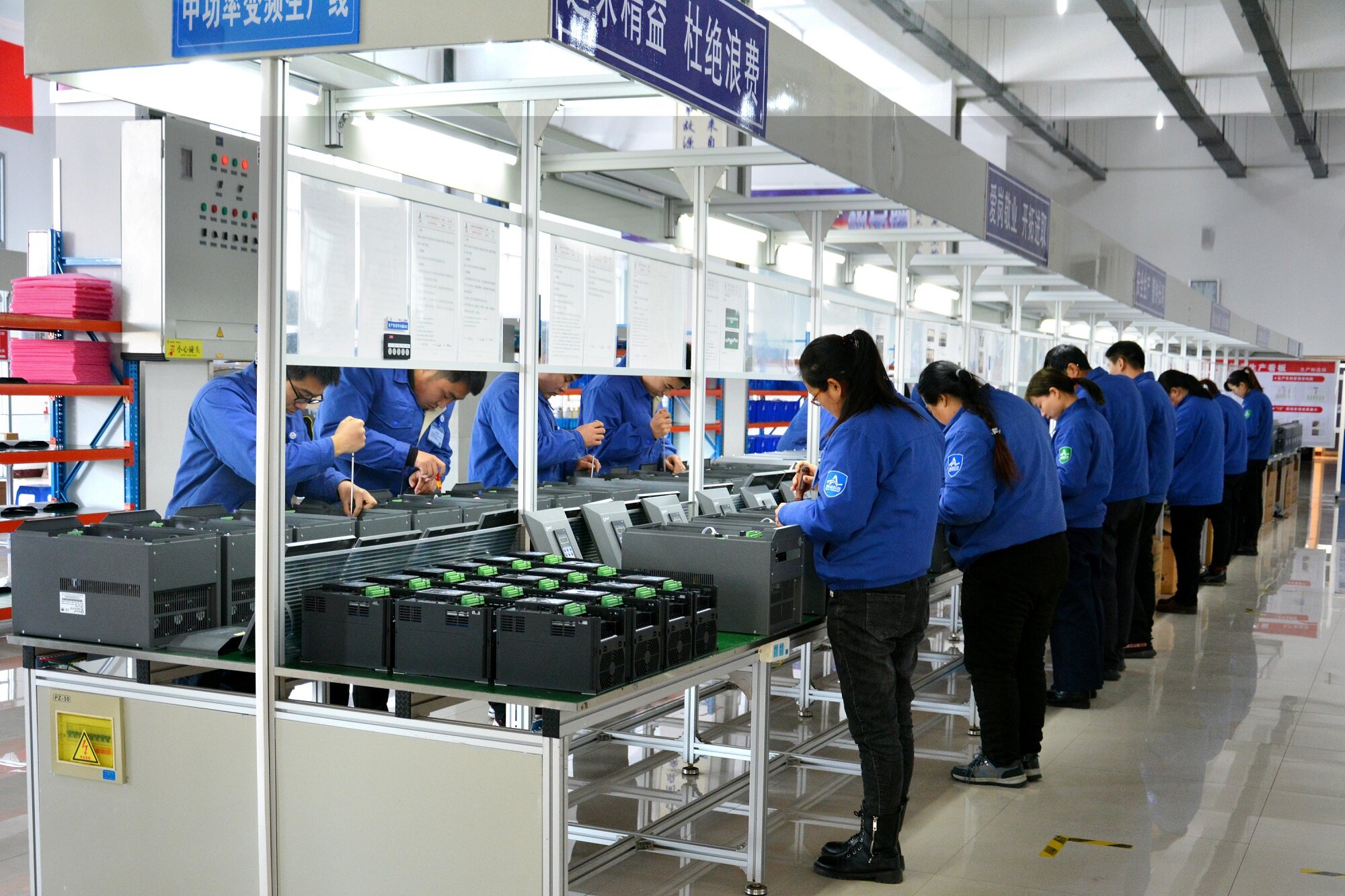
Oman has completed the first step of localization - producing the entire machine; Now take the second step - improve the local matching rate behind the entire machine. Most projects rely on Voltamp as the source of demand and have established underwriting or pre procurement mechanisms. At present, the more realistic goal is to keep midstream manufacturing processes such as cutting, welding, wrapping, and assembly locally, increase local added value, and shorten supply cycles.
Power grid expansion supports demand
The premise for Oman to promote localization of components is that the power system is in an expansion period. Recently, the planned total installed capacity of Misfah and Duqm gas power stations is nearly 2.6GW, and the demand for supporting substations, main transformers, transmission lines, etc. will continue to be transmitted to the transmission side. The parts factory needs continuous orders to support capacity utilization, and the continuous procurement of power generation and transmission projects in the coming years is the demand foundation for this batch of localized production capacity.
Saudi Arabia complete machine Oman matching
Compared to Saudi Arabia, the two paths have significant differences. In August 2025, TBEA won the bid for the localization procurement project of transformers and reactors for Saudi Electricity Company, involving 678 units of equipment, with a bid amount of approximately 16.4 billion yuan and a framework period of 7 years. The bidding conditions require TBEA to build a factory in Saudi Arabia and directly exchange long-term large-scale orders for the landing of complete machine production capacity - this relies on Saudi Arabia's sufficiently large market size.
The Oman electricity market is relatively small, and Voltamp already has the ability to manufacture large transformers. Introducing multiple complete machine factories will face capacity utilization issues. Therefore, Oman has chosen another path: filling the supply chain gap item by item around existing complete machine factories, and transforming the previously long-term imported components into local investment projects.keywords:Engineering infrastructure
For Chinese companies, localization in the Middle East has evolved from local content requirements at the bidding level to a tangible production capacity layout proposition. Saudi Arabia is exchanging orders for complete machine factories, while Oman is entering from the supporting link - different paths, consistent direction: industrial value is extending from construction and equipment procurement to equipment manufacturing and upstream supply chain. The next stage worth considering is no longer how many projects can be obtained, but which links of a transformer are suitable for manufacturing in China and which links have the conditions to be transferred to the Middle East.Editor/Yang Meiling
Comment


 Praise
 Collect
 Comment

 Share
Share


Write something~