 Search


- Bypass the Strait of Hormuz and go directly to the Mediterranean, accelerate diversification of oil and gas exports
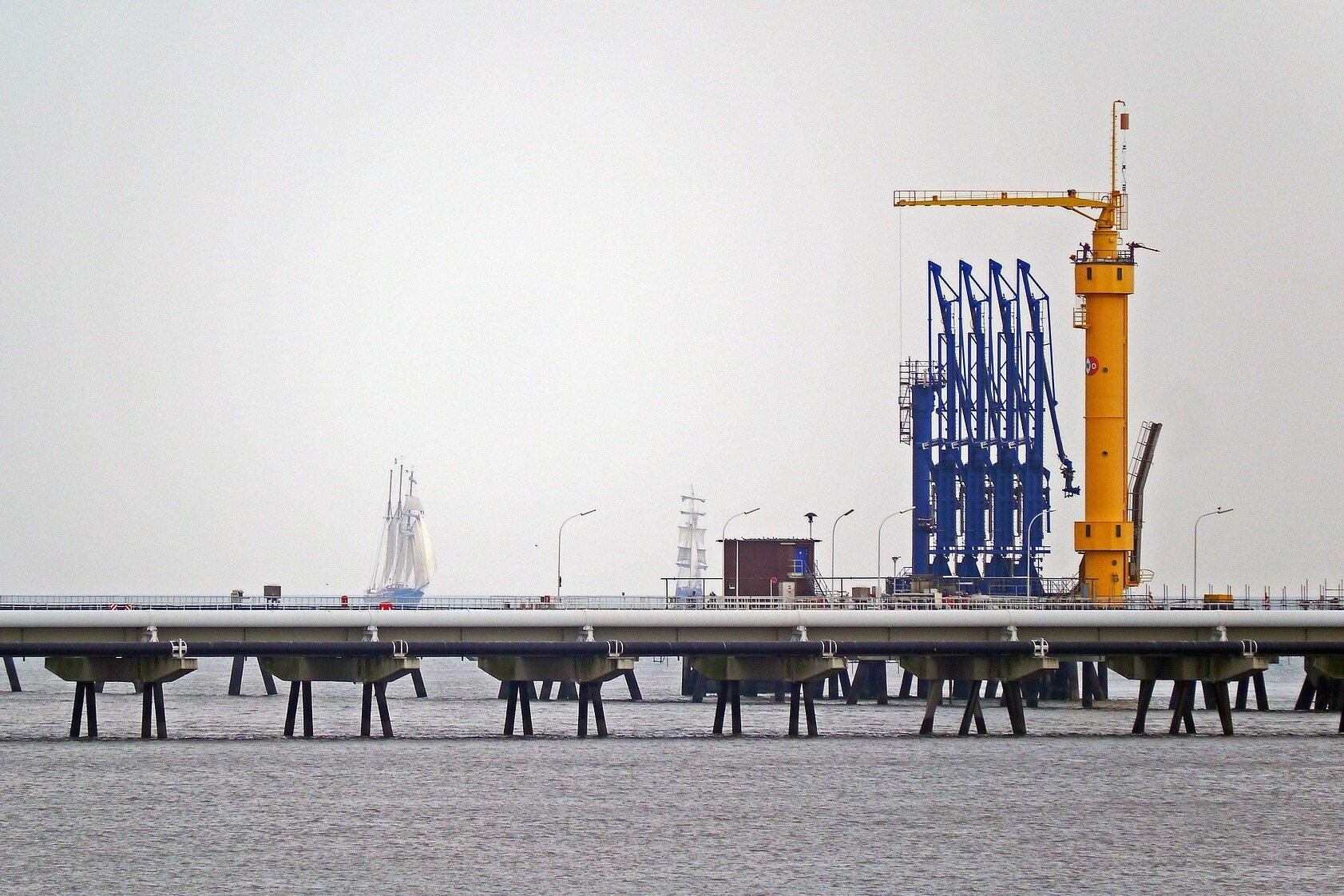
Under the long-term shadow of shipping disruptions in the Strait of Hormuz, Iraq is advancing a new crude oil pipeline project spanning Syria and Iraq, attempting to completely break free from its export dependence on the Gulf's throat passage. The synchronous promotion of the US energy consortium and the government has brought this cross-border pipeline, which has been on hold for many years, to the brink of substantial implementation for the first time.
New pipeline replaces old path
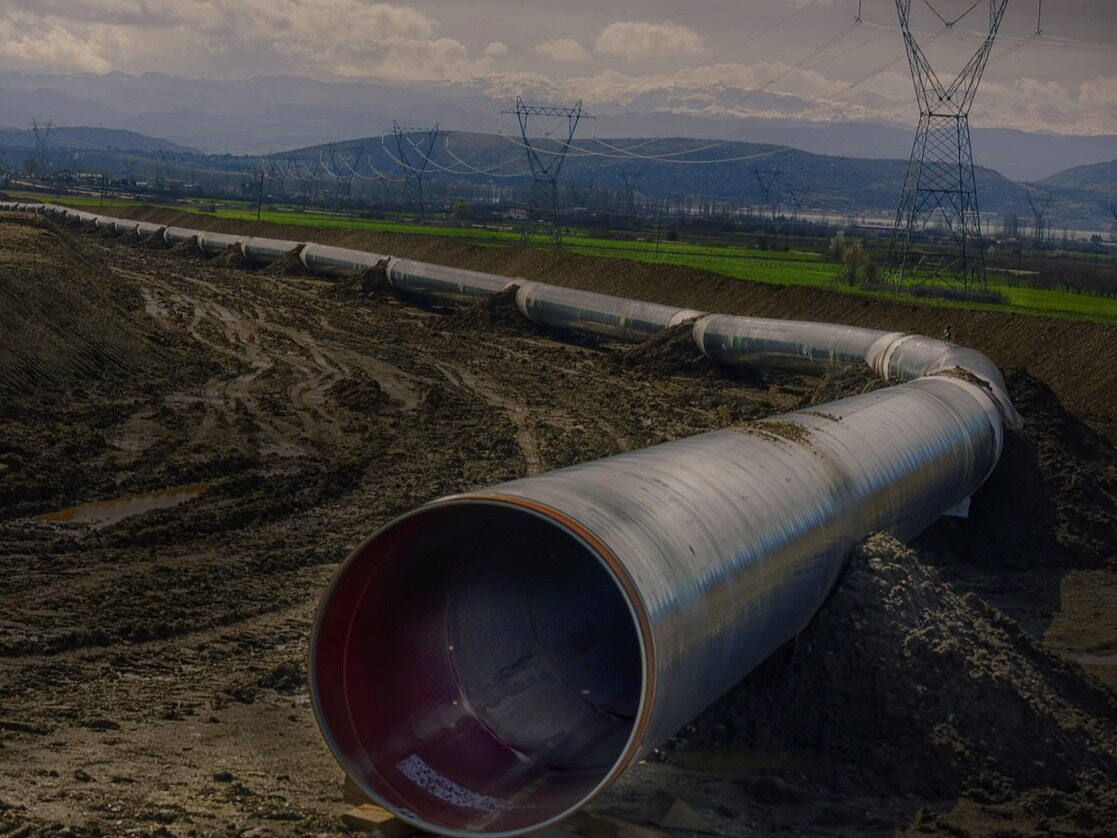
The total investment of the project is expected to be no less than 15 billion US dollars, and the construction period is initially set at 4 years. Unlike the external speculation of repairing the old pipeline from Kirkuk to Banias Port, this project will construct a new pipeline system throughout the entire process. The old pipeline, which was put into use in the 1980s, will not be included in the scope of renovation due to facility damage and non-compliance with current technical specifications.
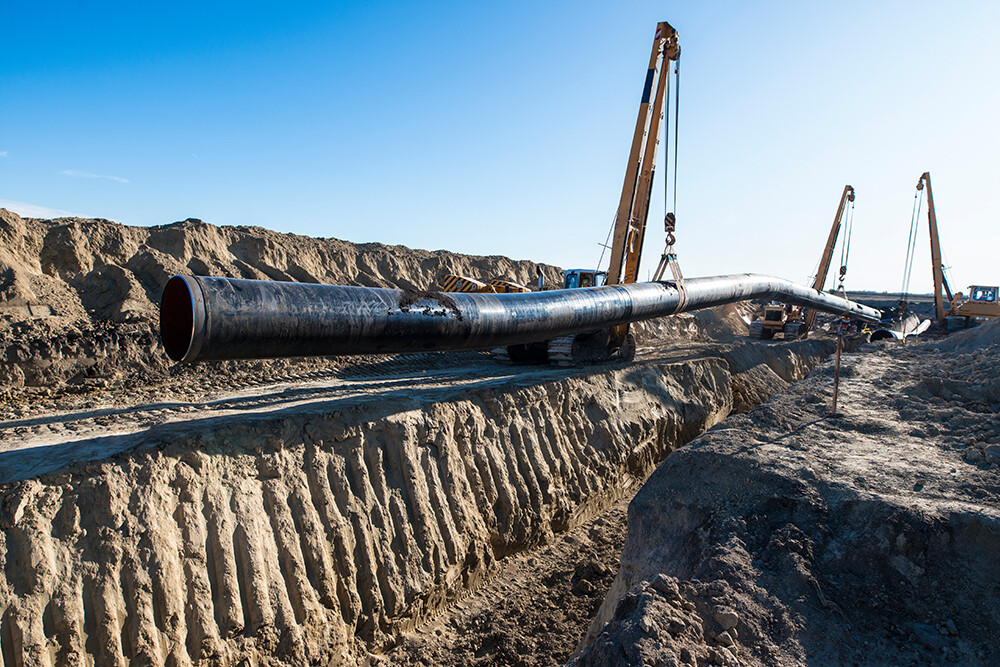
The new route will connect the oil fields in southern and northern Iraq, and after the central hub is built in Haditha in the west, it will directly reach the Banias port on the Mediterranean coast of Syria to the west. The preliminary feasibility study support provided by the Chevron led consortium has been obtained in the early stage of the project. Currently, efforts are being made to confirm land use rights and clean up old facilities along the route in Syria. Due to the impact of the geopolitical environment, there is a possibility of further extending the four-year construction period.
Diversified export layout has taken shape
US Treasury Secretary Scott Besant has publicly stated that the strategic importance of the Strait of Hormuz will significantly decrease in the next two years as more oil and gas exports shift towards underground pipeline transportation. In fact, Iraq's channel layout has already been launched. After the Gulf shipping was disrupted in June 2026, Iraq began preparing to export crude oil and naphtha through Syrian ports. In July of the same year, the first batch of Iraqi origin fuel oil transported through Syria had already arrived in the United States, and the implementation progress of diversified export routes far exceeded market expectations.
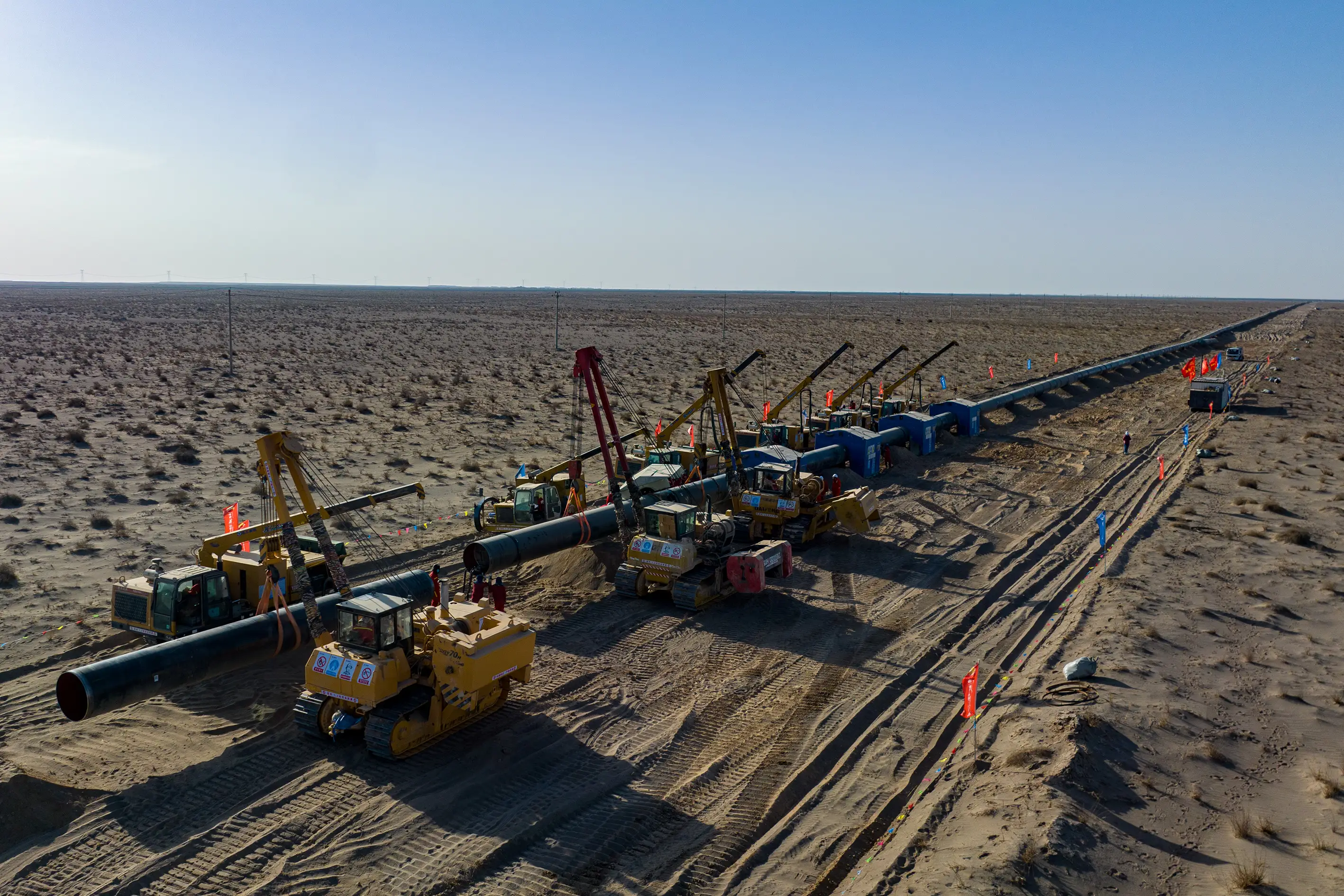
This new pipeline completely bypasses the Strait of Hormuz and directly transports Iraqi crude oil to the Mediterranean coast, avoiding the export risk of shipping interruptions in the strait and shortening the transportation distance to the European market, significantly reducing cross-border logistics costs. Keywords: crude oil pipeline, Middle East news
As one of the world's most important crude oil exporting countries, Iraq's channel layout adjustment is reshaping the flow pattern of the entire Middle East oil and gas trade. Once completed, this cross Syrian crude oil pipeline will provide a new transportation artery for the global energy market that is not constrained by the Gulf throat, and will completely change the existing geopolitical logic of regional oil and gas transportation.Editor/Cheng Liting
Comment



 Praise
 Collect
 Comment

 Share
Share


Write something~