 Search


- Intended to fill the gaps in transportation and promote the coordinated development of regional economy along the route
- Kazakhstan will fully launch the construction and renovation of 3706 kilometers of national highways by 2026
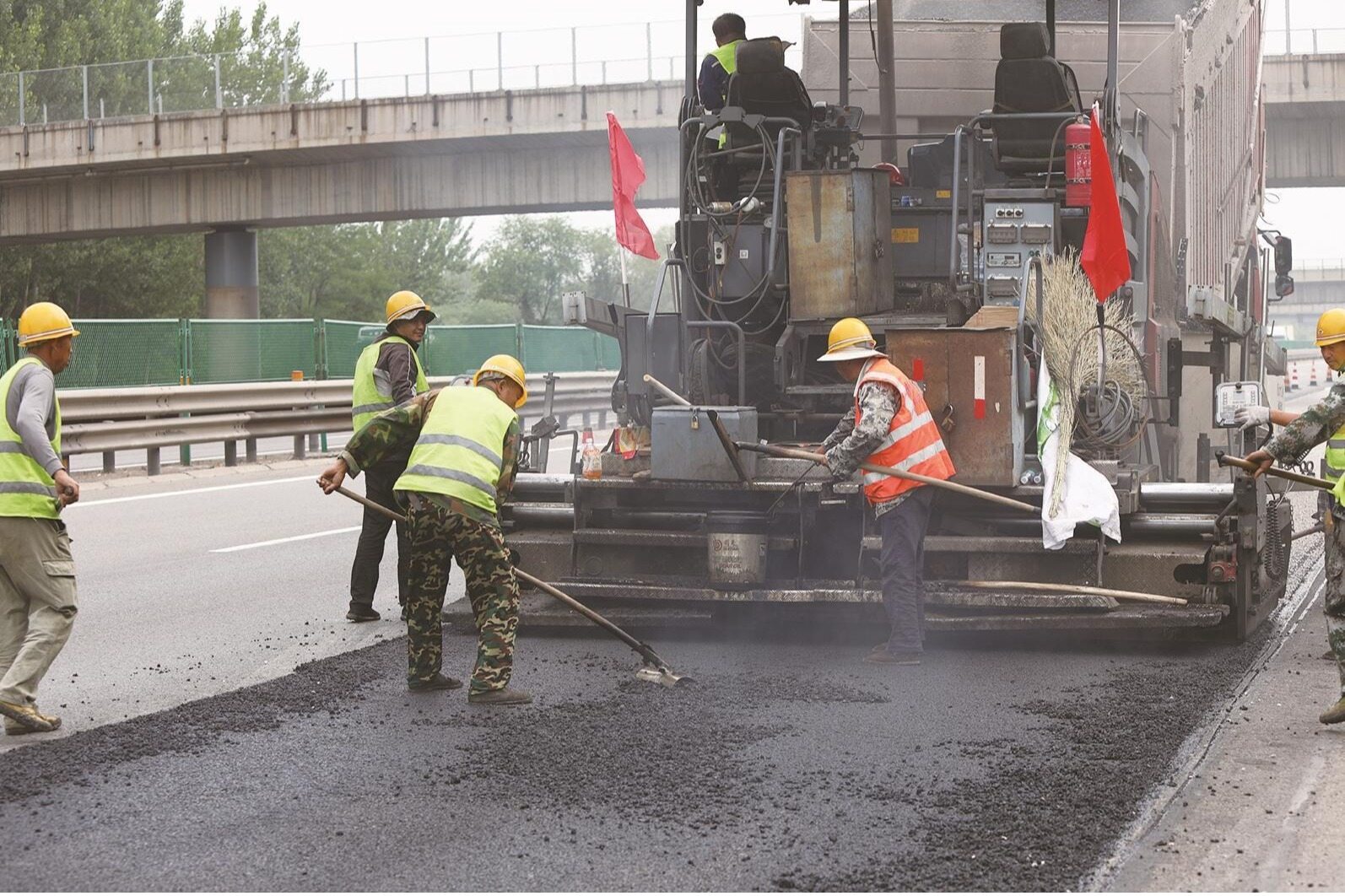
The wind on the grassland, wrapped in the smell of diesel, blew through Benewu Town. Truck driver Yelan wiped the sweat off her forehead and sighed as she looked at the bumpy old road in front of her. After 15 years of cross-border freight transportation, he loaded goods from Khorgos, China, and transported them westward through Kazakhstan to Europe. He was familiar with every bump on the road. The good news is that these days are about to end.
In 2026, Kazakhstan will press the accelerator button for road infrastructure construction. President Tokayev personally announced the launch of three flagship highway projects, with the simultaneous construction and renovation of 14 national highways across the country, totaling 3700 kilometers. This is not a simple road paving and bridge building, but a systematic upgrade around the logistics lifeline of the Eurasian Continental Bridge.
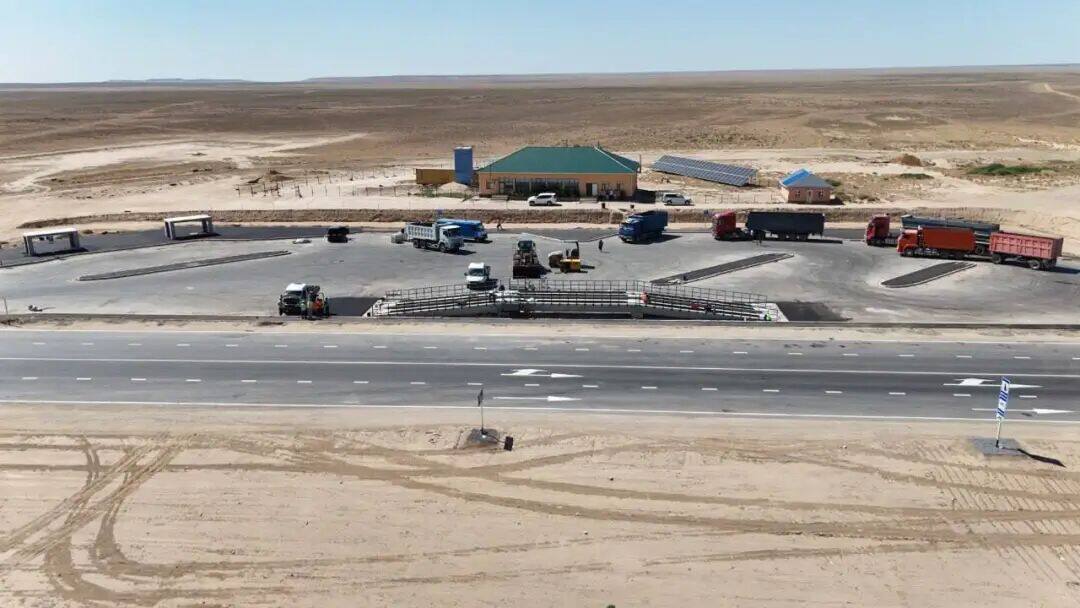
Three major projects are starting construction in a concentrated manner
President Tokayev announced the launch of three large-scale highway projects, with a total increase of 1574 kilometers.
The first one is the 800 kilometer long Beneu to Sacsorskoye highway, which runs through the western energy rich region; The second one is the 462 kilometer Kiziluorda to Sheksheule highway; The third one is the 312 kilometer Ulgesen to Sheksheule highway. These three routes are like three skeletons, interlocking the western, central, and southern regions of Kazakhstan more closely together, and the traffic capacity of the main transportation corridors will be qualitatively improved.
From the map, this batch of routes covers the most critical logistics breakpoints in Kazakhstan. The transportation efficiency between the western oil producing areas, the central industrial belt, and the southern agricultural areas has been greatly reduced due to road conditions in the past. After the construction of the new road, this fragmentation will be completely broken.
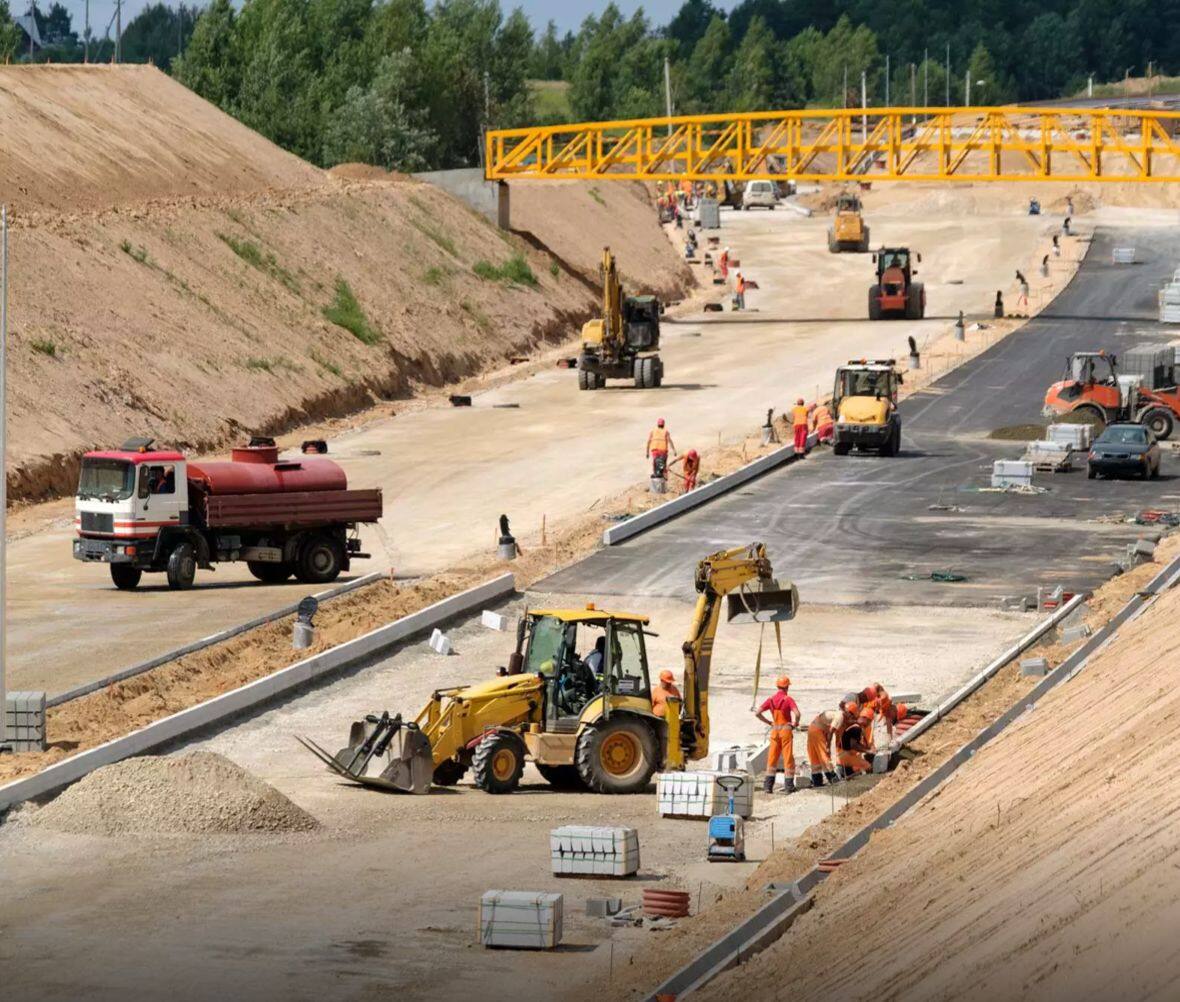
Multiple main lines are advancing synchronously
In addition to the three major projects launched this year, Kazakhstan also has a batch of highway projects that are in a critical stage of construction or renovation.
The projects planned to be completed by 2027 include the Kizillorda to Jezkazgan highway, Aktobe to Ulgesen section, and the Ertix River Bridge. Currently under construction are the Sariyagash bypass road, the Aktobe Urgesen section renovation project, and the Karaganda Jezkazgan road.
These projects are not fighting on their own. From the overall layout, Kazakhstan's highway construction is focused on major economic regions and logistics channels, continuously filling in the gaps in transportation infrastructure. The direction of each road is precisely calculated - either connecting important city nodes, breaking through bottleneck sections, or shortening the detour distance between regions.

Logistics Hub Upgrade Again
The Ministry of Transport of Kazakhstan has a very clear positioning for this batch of projects: after completion, it will improve the traffic capacity of major highway corridors, shorten travel time, improve regional connectivity, and enhance travel safety and comfort.
But the deeper logic lies in logistics. Kazakhstan is located in the center of the Eurasian continent and serves as an irreplaceable transit route connecting China and Europe, as well as Russia and the Middle East. After the upgrade of the highway network, the efficiency of freight vehicles will be greatly improved, and the development space of transit transportation will be further opened up.
The Ministry of Transport also pointed out that the construction and renovation of highways will drive the development of residential areas along the route and create more conditions for local commercial activities. For truck drivers like Yelan, this means shorter transportation cycles and lower vehicle losses; For towns along the route, this means the industrial agglomeration effect brought about by the decrease in logistics costs.keywords:Engineering infrastructure
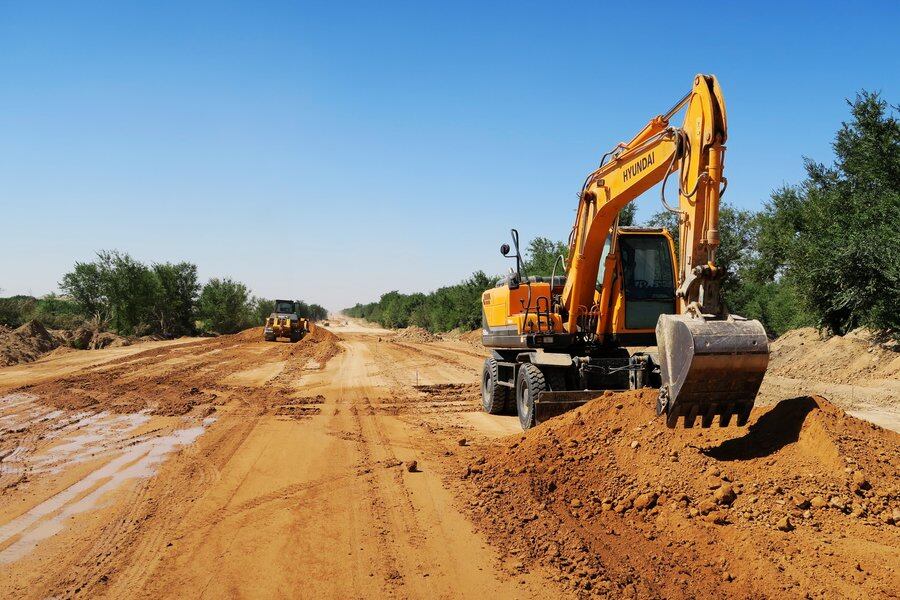
The 3700 kilometer highway is not only a transportation line paved with reinforced concrete, but also a strategic pivot for Kazakhstan to leverage regional economic linkage and enhance transit logistics competitiveness. The old roads on the grassland are being replaced by new roads, and this road leads to a further future on the Eurasian continent.Editor/Yang Meiling
Comment





 Praise
 Collect
 Comment

 Share
Share


Write something~